


French Neoclassical Artwork
French neoclassical artwork captures the classical restraint and academic discipline of eighteenth and nineteenth century European taste.
French Neoclassical Artwork
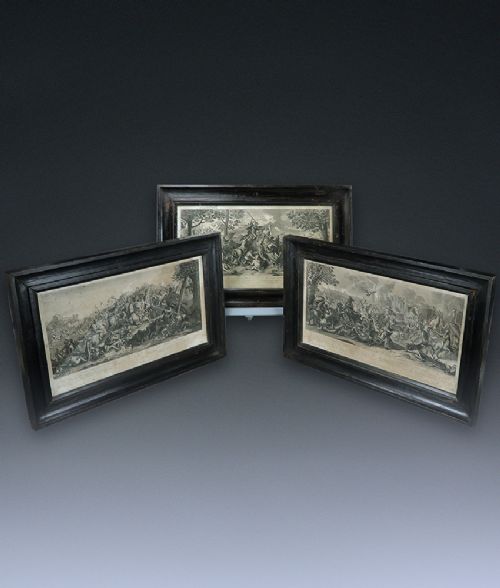
French neoclassical artwork comprises oil paintings, watercolours, pencil drawings, and bronze sculptures spanning the eighteenth and nineteenth centuries. Buyers encounter framed prints, architectural engravings, and academic portraits alongside classical mythological scenes.
The selection ranges from Georgian and Victorian periods into the early twentieth century, reflecting the enduring academic interest in antiquity. Works include portraits attributed to period painters, ink and graphite drawings, and trompe l'oeil compositions.
How they were made
Makers utilised oil on canvas, paper, ink, and graphite to construct paintings and detailed preparatory drawings. Bronze casting methods shaped sculptural figures, while prints relied on paper, silk, and glass framing.
Artists applied academic techniques such as camaieu bleu grisaille and monochrome wash to mimic classical bas-reliefs. Engravings captured architectural monuments and mythological narratives through precise line work.
Materials documented across the inventory comprise bronze, paper, glass, ink, and oil on canvas.
What varies in quality
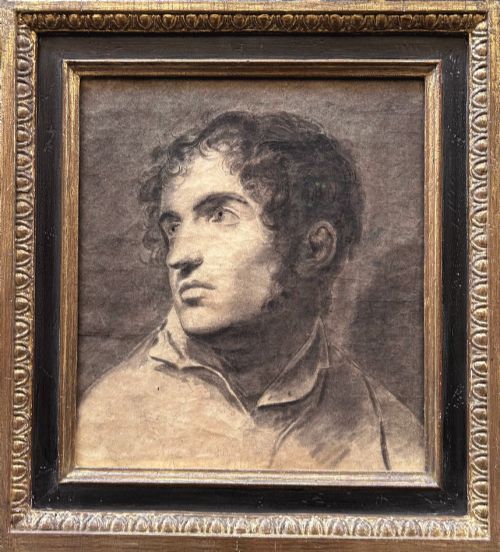
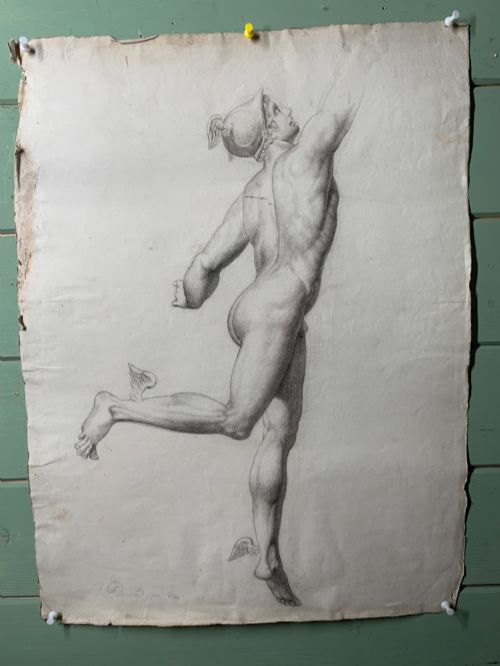
Execution in draftsmanship separates studio works from decorative prints, particularly in the handling of facial expressions and anatomical proportion. The fineness of the bronze chasing defines the surface detail on sculptural pieces.
Materials influence the character of each piece, from the density of the paper in historical watercolours to the depth of the pigment in oil paintings. Frame construction and the survival of original glass or silk mounts also shape the overall standard.
Le Brun·Jean Baptiste Isabey·Louis Leopold Boilly·Pierre Buillon·Henri Chatillon·Carrier Belleuse·Elisabeth Vigee Le Brun
The French Neoclassical Artwork Glossary
- Camaieu bleu
- A monochrome painting technique executed entirely in shades of blue. This method often imitates the appearance of classical porcelain or enamel work.
- Grisaille
- A painting executed entirely in shades of grey, designed to simulate stone sculpture or relief carving. Artists frequently utilised this style for architectural and decorative schemes.
- Grand Tour
- A traditional trip through Europe undertaken by upper-class young men to study classical art and architecture. Engravings and watercolours served as souvenirs of these journeys.
- Trompe l'oeil
- An artistic technique that uses realistic imagery to create the optical illusion that the depicted objects exist in three dimensions. Such paintings often feature playful classical motifs like cherubs.
- Bandeau
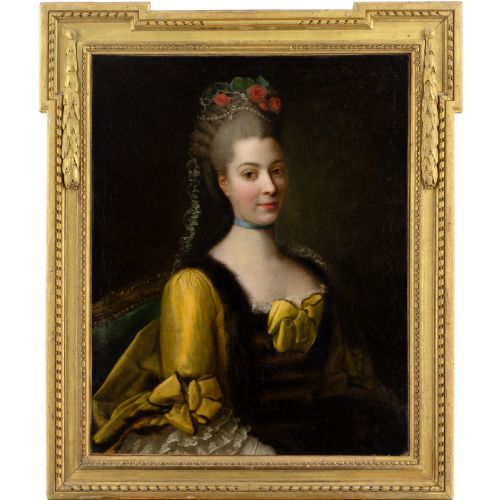
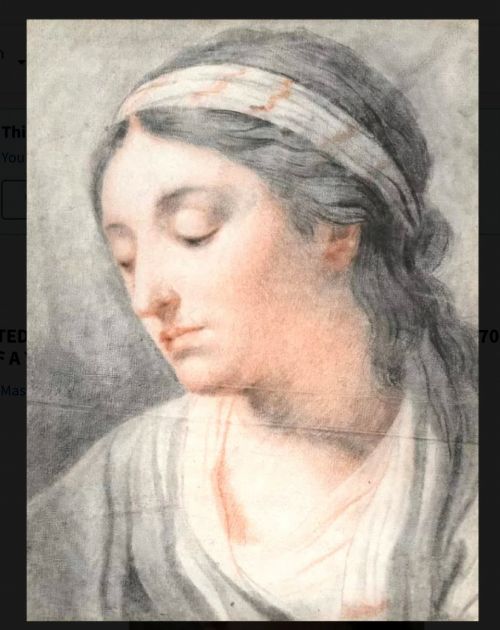
- A narrow headband worn to secure hair, frequently seen in neoclassical female portraits. It reflects the classical Greek and Roman styles adopted during the period.
French Neoclassical Artwork: Frequently Asked Questions
What subjects appear most often?
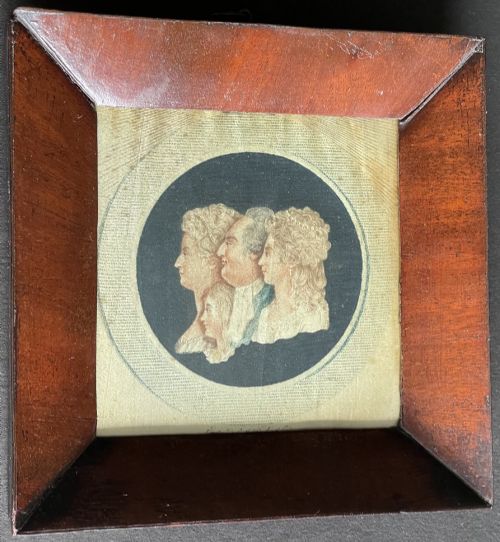
Portraits of elegant women, gentlemen, and children dominate the painted and drawn works. Mythological figures, architectural monuments, and classical themes like the Pygmalion myth also recur frequently.
Historical royal subjects and allegorical scenes complete the selection. These motifs reflect the academic interests of the eighteenth and nineteenth centuries.
How do I care for works on paper?
Keep drawings, watercolours, and prints away from direct sunlight to prevent fading of the ink, graphite, and paper support. Acid-free mounting protects the fragile materials over time.
Maintain stable humidity levels in the room where the artwork hangs. Glass framing provides a necessary barrier against atmospheric dust and moisture.
What is academic style?
Academic art follows the strict rules and classical standards taught by official European art academies. It emphasises precise drawing, balanced composition, and noble subject matter derived from history or mythology.
This approach values anatomical accuracy and smooth brushwork over expressive freedom. Portraiture and narrative scenes adhere to these formal conventions.
How do bronze sculptures differ?
Bronze pieces range from small female statues holding harps to figures of children with animals. The metal provides durability while allowing intricate surface details like drapery and feathers.
Foundries used traditional casting techniques to capture the fine lines of the original models. Patination varies from bright metallic finishes to darker, aged tones.