


French Modern Art
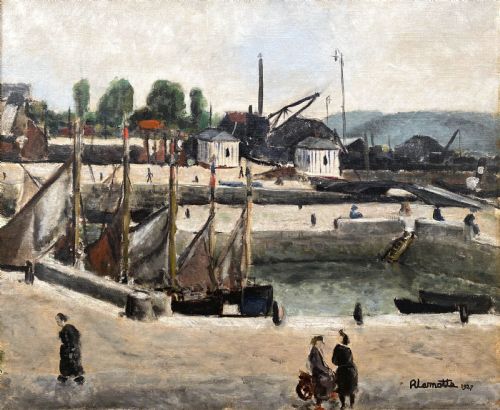
When you search for french modern art, you encounter a diverse gathering of paintings, works on paper, lighting, and furniture originating from the early to mid-twentieth century.
French Modern Art
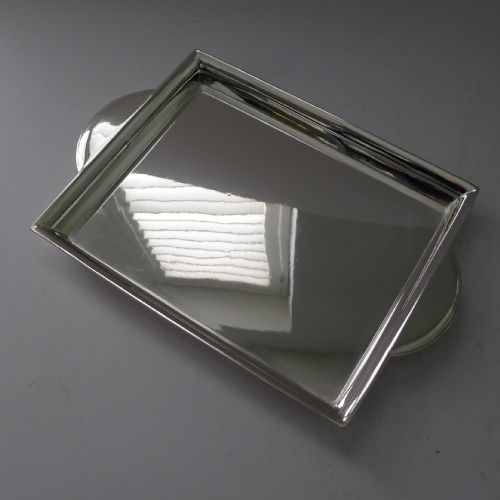
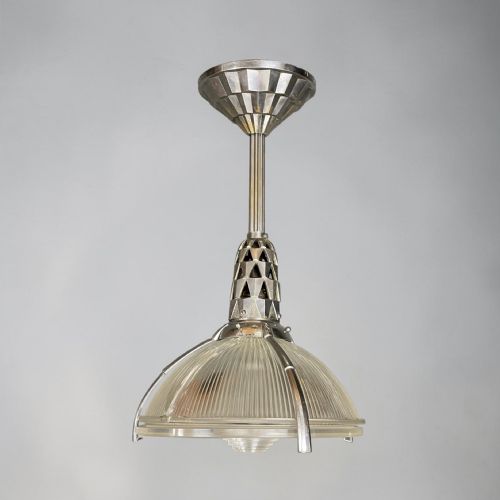
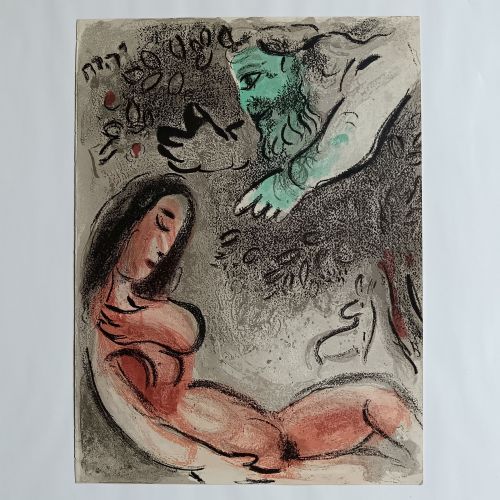
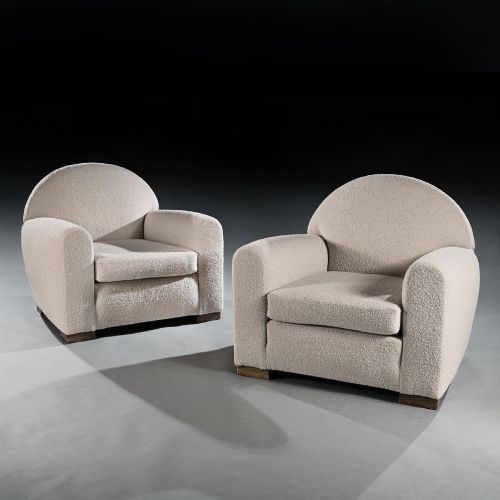
When exploring french modern art, you are looking at creative output spanning several decades from the 1920s through the 1960s. This selection encompasses oil paintings, watercolours, gouaches, lithographs, and drawings alongside functional objects like pendant lighting, armchairs, and desks.
The objects bridge the transition from Art Deco elegance and early avant-garde experiments into mid-century abstraction and modernism. Many pieces reflect Parisian studio practices, rural landscapes of Provence, and urban scenes along the River Seine.
You will frequently encounter canvas and paper works by both established names and lesser-known modernists, often characterised by bold brushwork, cubist geometry, and expressive colour palettes. These items carry the artistic movements of twentieth-century France directly into contemporary interiors.
Materials and techniques
The paintings and works on paper rely on traditional media applied in experimental ways, utilising oil paint on canvas or panel, watercolour, gouache, ink, and lithography. Artists frequently manipulated texture and form to achieve cubist, surrealist, or fauvist interpretations of their subjects.
Decorative and functional items demonstrate skilled craftsmanship in glass, chrome, marble, ebonised wood, and gilt bronze. Etching and burin techniques on glass and metal surfaces provide the deep relief seen in modernist vessels and decorative hardware.
Listings feature oil paintings, gouaches, and lithographs alongside Art Deco lighting and furniture spanning the 1920s to the 1960s.
Assessing quality and execution
Quality in these works rests upon the confidence of the brushstroke, the clarity of the composition, and the strength of the provenance linking the maker to a known period or atelier. Superior pieces exhibit a distinct vitality in handling paint or shaping materials rather than relying solely on decorative convention.
In works on paper and prints, the crispness of the impression and the preservation of the sheet dictate distinction. For furniture and lighting, the integrity of the original mounts, glass etching, and finish determine the standing of the piece.
Marc Chagall·Émile-Jacques Ruhlmann·Jean Luce·Kees van Dongen·Jacques Adnet
The French Modern Art Glossary
- Lithograph
- A printmaking method based on the incompatibility of grease and water, allowing artists to draw directly on a limestone block or metal plate. This technique was frequently utilised for original artist multiples and illustrated portfolios.
- Gouache
- An opaque water-based paint that dries to a matte finish, offering rich colour saturation. It is often found on paper or board in modernist preparatory sketches and finished compositions.
- Cubism
- An early twentieth-century avant-garde movement that revolutionised European painting and sculpture. It broke down subjects into multifaceted geometric shapes and overlapping planes.
- Enfilade
- A long sideboard or cabinet designed for formal dining rooms, frequently encountered in Art Deco furniture designs. These pieces often feature clean architectural lines and contrasting metal mounts.
- Burin
- A hardened steel tool with a bevelled point used for engraving lines into metal or wood panels. The resulting incisions hold ink for fine print reproductions or decorative panel work.
French Modern Art: Frequently Asked Questions
What defines french modern art from this period?
These works are defined by a departure from strict academic realism toward abstraction, expressionism, and structured geometric forms. They capture the evolving aesthetic of Parisian salons and regional artist communities.
Spanning movements from Art Deco to mid-century modernism, the objects reflect a period of intense experimentation in both fine art and domestic design.
How do I care for vintage oil paintings on canvas?
Keep paintings away from direct sunlight and fluctuating humidity levels to prevent the canvas from slackening and the oil paint from cracking. Avoid using chemical cleaners on the painted surface.
Dust the canvas gently with a soft, dry brush when necessary, and consult a professional restorer if structural repairs to the stretcher or canvas become evident.
How were gouache and watercolour works displayed?
Works on paper from this era were traditionally mounted behind protective glass within wooden or gilded frames to shield them from airborne pollutants and moisture. Proper framing prevents the paper from buckling.
When hanging these pieces, select interior walls protected from direct UV exposure to maintain the vibrancy of water-based pigments over time.
Can I mix Art Deco and mid-century items?
Mixing items from the 1920s with pieces from the 1950s creates a layered interior that mirrors the chronological sweep of twentieth-century design. The shared modernist vocabulary of clean lines bridges different decades.
Allowing one significant painting or piece of furniture to anchor a room prevents visual clutter while celebrating varied textures like chrome, wood, and canvas.