



French Mercury Glass
French mercury glass brings a deep, mottled reflection to interiors, capturing the atmospheric look of antique mirrors and decorative vessels.
French Mercury Glass
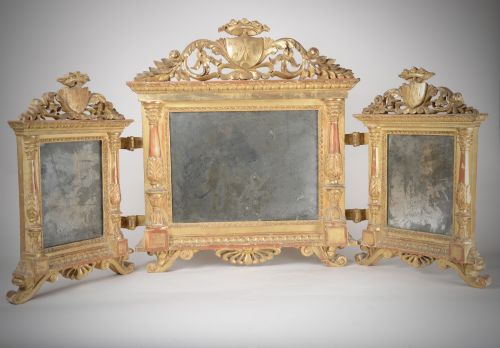
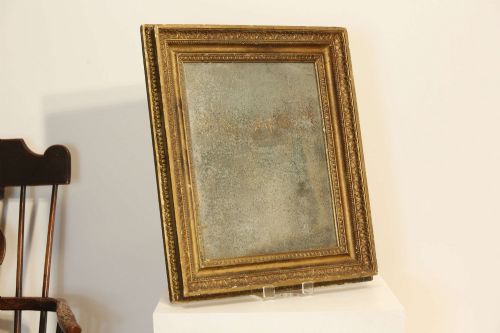
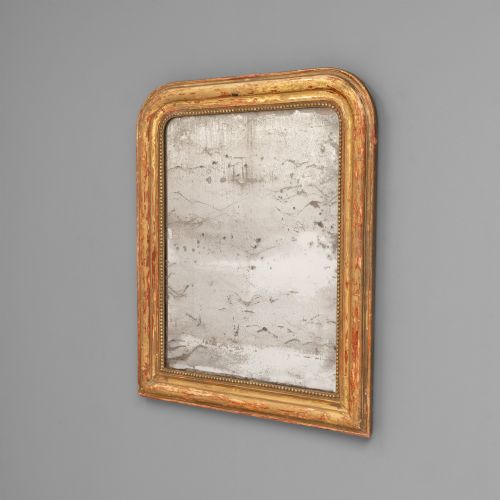
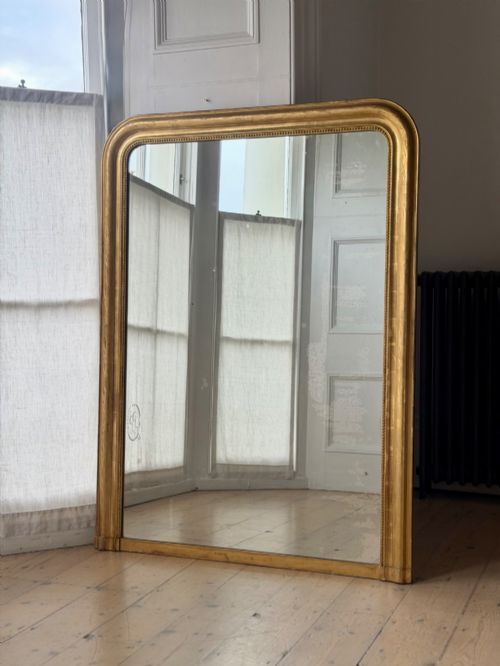
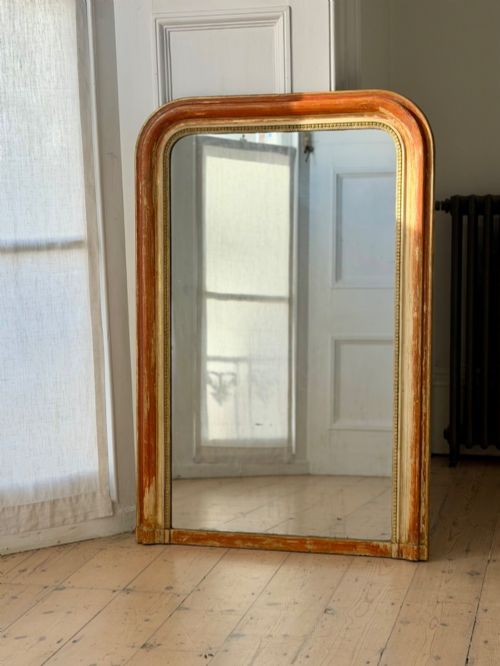
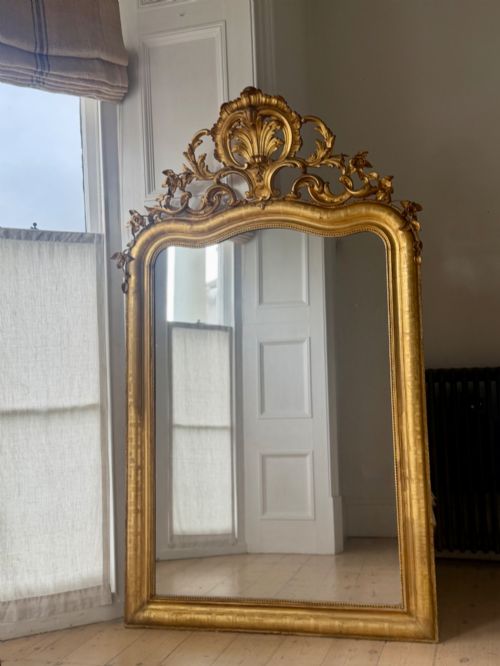
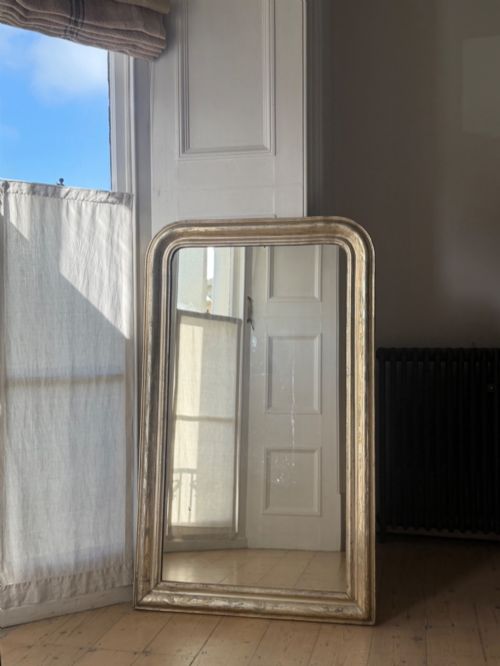
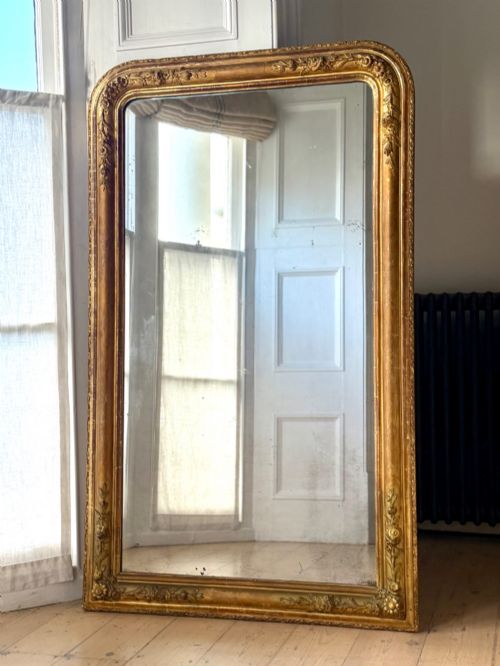
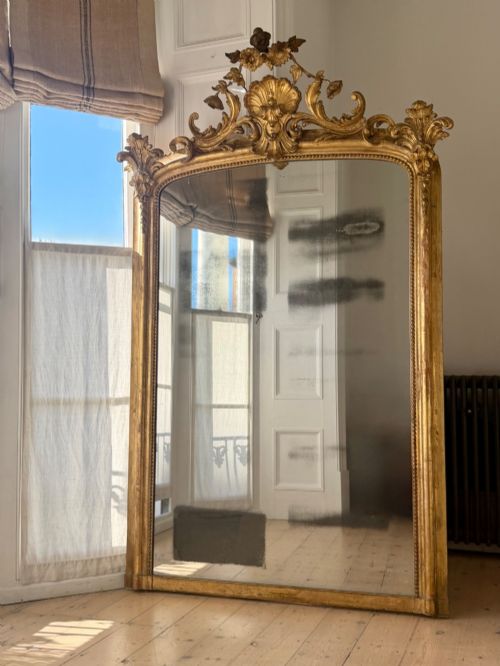
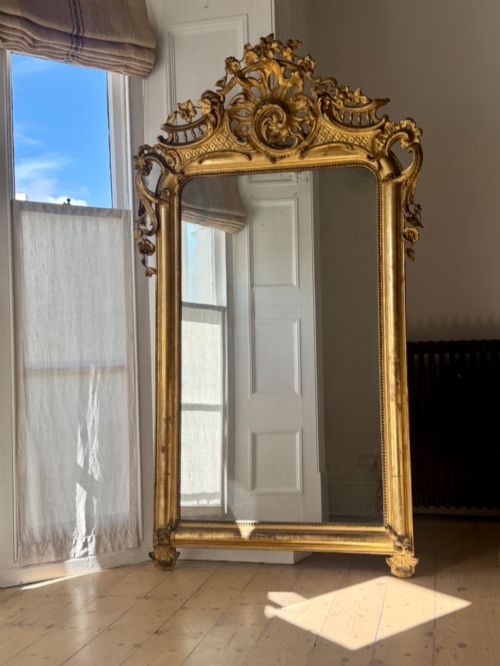
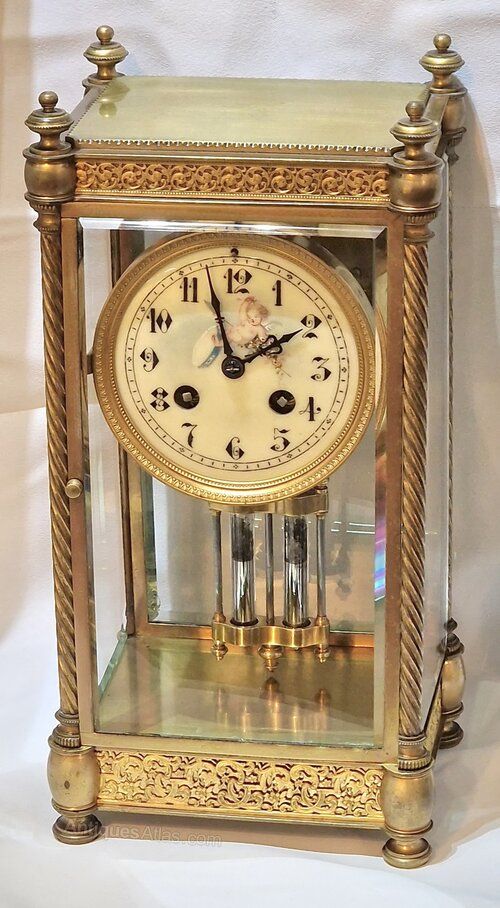
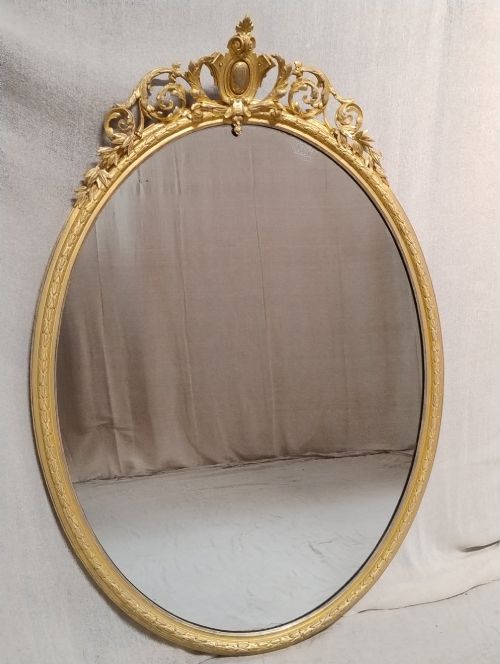
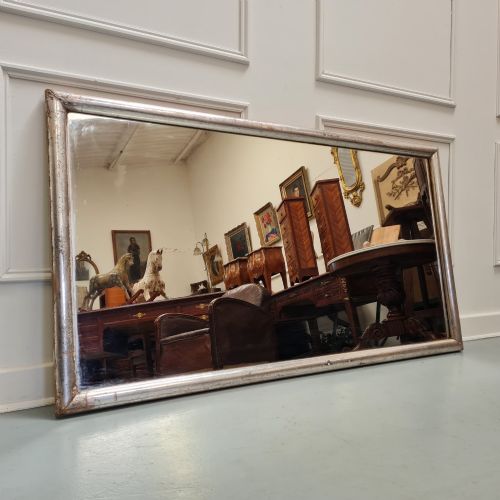
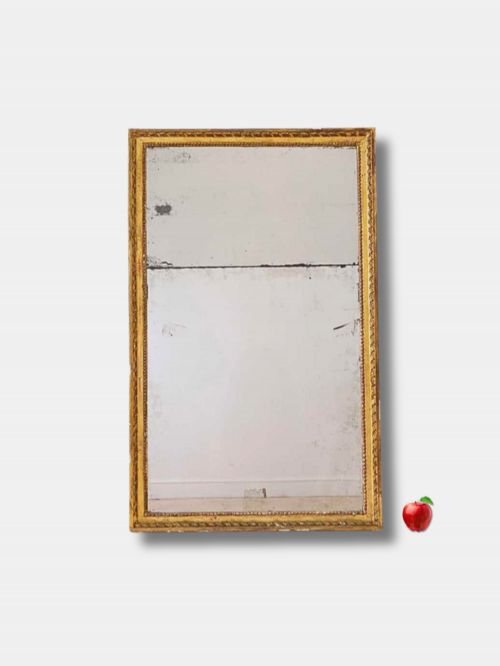
French mercury glass appears across a variety of decorative objects, most notably in large wall mirrors, trumeau panels, and mantel clocks dating from the eighteenth century through to the late nineteenth century. Buyers seeking this phrase typically encounter ornate giltwood mirrors, Louis Philippe frames, and brass-framed four-glass clock cases that incorporate reflective silvered plates. These items carry the characteristic aged surface that sets them apart from modern float glass.
The selection ranges from early eighteenth-century pier mirrors to Victorian crystal regulators and plateau mirrors. Pieces often display specific regional styles such as Napoleon III, Louis XVI, and Rococo detailing, rendered in carved gesso, gilt bronze, or painted wood. Alongside mirrors and timepieces, occasional items such as apothecary jars and sorcerer-type plateau mirrors represent the broader utility of this reflective material.
How they were made
The production of French mercury glass relied on blowing or casting glass plates that were then coated on the reverse with a silvering mixture, historically involving a tin and mercury amalgam. Craftsmen poured this liquid metal into the double-walled cavity of blown vessels or applied it to flat glass plates before sealing the backing to protect the reflective layer. This technique created the characteristic mirror finish that reacts over time to atmospheric exposure.
Frames and clock housings accompanying these glass plates utilised traditional joinery and metalworking methods. Carved gesso, gold leaf, and giltwood formed the decorative borders for wall and pier mirrors, while brass and gilt bronze structured the complex housings for crystal regulator clocks. Enamel details occasionally accented the dials and panels of these precision timepieces.
French Mercury Glass Retail Price Guide 2026
Typical asking prices for french mercury glass among the pieces listed under this phrase on Sellingantiques today, from the lower quarter to the upper quarter. They describe what is for sale here now, not the wider market.
Sorcerer-type plateau mirrors offer a wonderfully distorted reflection designed to amuse guests at nineteenth-century dining tables.
What varies in quality
Quality in French mercury glass is defined by the depth and character of the silvering layer and the execution of the surrounding frame or housing. Superior examples feature plates with rich, organic oxidisation patterns that enhance the visual weight of the piece without obscuring the reflection entirely. The relationship between the glass plate and its original giltwood or brass mount remains a primary indicator of authenticity and craftsmanship.
The precision of the mechanical movements in clocks and the hand-carved detail in gesso and giltwood elements distinguish finer workshop output from standard production. Original components, including backboards, mercury plates, and maker signatures on clock movements, elevate the historical standing of an object. The overall harmony between the distressed glass surface and the ornate structural frame dictates the standing of each piece.
Tiffany·Samuel Marti et Cie·AD Mougin·L Epee France
The French Mercury Glass Glossary
- Mercury glass
- A type of glass featuring a silvered liquid amalgam coating sealed between double walls or behind a flat plate, creating a reflective, mirror-like finish. This material develops distinctive ageing over time.
- Foxed
- The natural oxidisation and mottling of a mirror plate caused by age and exposure, resulting in dark spots and clouded areas. Collectors value this effect for its atmospheric appearance.
- Trumeau mirror
- An antique decorative wall mirror integrated into a wood-paneled wall or featuring an upper painted panel above the glass plate. These items originated in grand French interiors.
- Crystal regulator
- A mantel clock housed in brass framing with glass panels on four sides, allowing the movement and pendulum to be viewed from multiple angles. These clocks were widely produced in France.
- Giltwood
- Wood that has been coated with a thin layer of gold leaf or gesso and gold paint to simulate solid gold. This finish characterises many period frames.
French Mercury Glass: Frequently Asked Questions
What is French mercury glass?
French mercury glass refers to mirrors and decorative objects silvered with a metallic amalgam, producing a deep, reflective surface that ages with distinctive mottling.
These pieces span the eighteenth and nineteenth centuries, appearing primarily in ornate wall mirrors and mantel clock panels.
How do I date an antique mirror?
Dating relies on examining the construction of the wooden frame, the style of the carving, and the characteristics of the glass plate itself. Period framing styles like Louis Philippe or Napoleon III offer clear chronological markers.
The presence of original backing boards and hand-beveled edges also helps determine the era of manufacture.
Why is the glass dark in places?
The dark patches, known as foxing, occur when air and moisture interact with the silvered backing over decades or centuries. This chemical reaction creates the characteristic antique appearance valued by collectors.
Rather than a defect, extensive foxing demonstrates the genuine age of the mercury plate.
How should I clean a mercury glass mirror?
Cleaning requires minimal intervention using a soft, dry cloth to remove dust from the glass and frame surface. Avoid modern chemical glass cleaners, which can seep behind the plate and damage the fragile silvered backing.
Preserving the delicate balance of the aged surface ensures the foxing remains stable.