


French Mechanical Table Clock
A French mechanical table clock brings reliable timekeeping and intricate brass or marble design directly into a room.
French Mechanical Table Clock
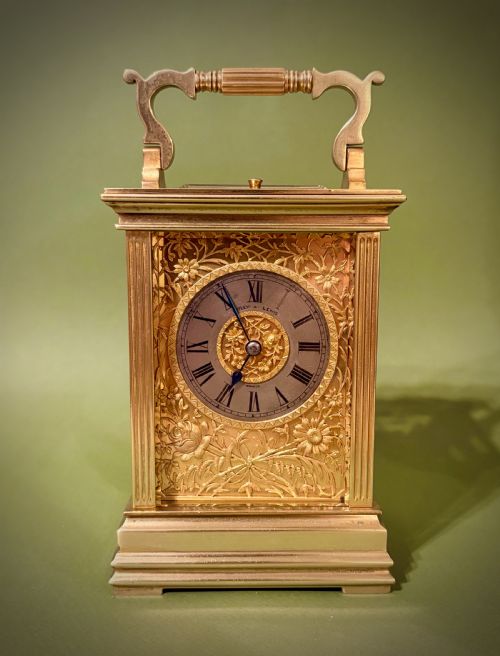
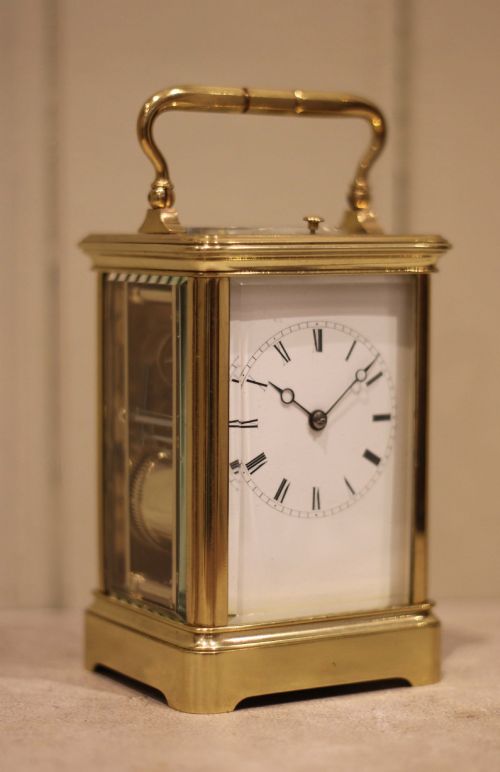
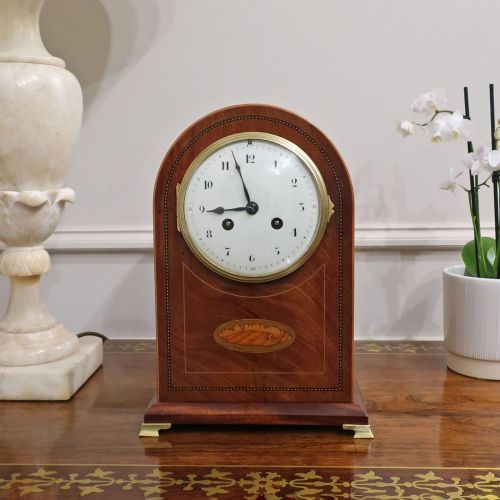
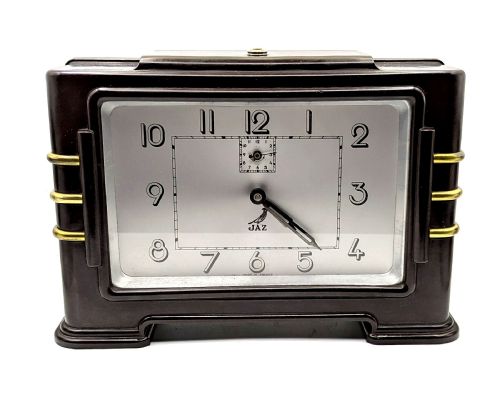
A French mechanical table clock is a timepiece designed for domestic surfaces, encompassing portable carriage clocks, desk pieces, and substantial mantel clocks. When buyers search for a french mechanical table clock, they encounter diverse forms spanning the nineteenth century through the art deco era. The selection ranges from portable brass carriage clocks housed in glass panels to architectural marble and mahogany mantel pieces.
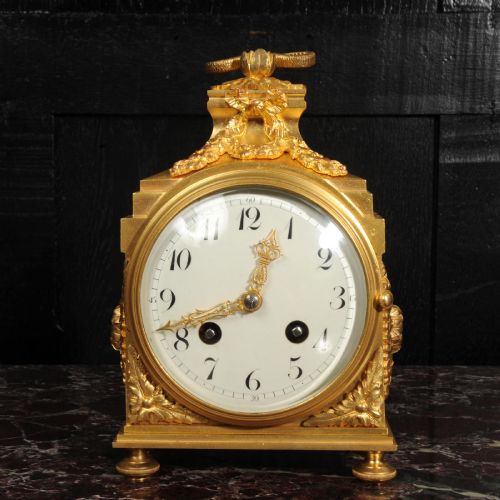
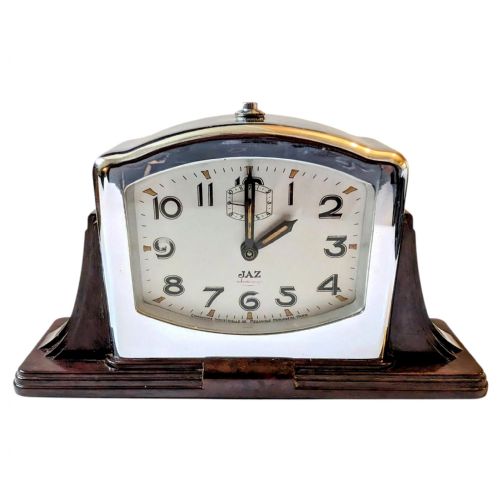
Carriage clocks dominate the portable category, often featuring repeating mechanisms and gorge cases intended for travel. Mantel clocks provide stationary elegance, utilising wood, porcelain, and heavy marble bodies to anchor a room. Each variation reflects the prevailing taste of its period, from ornate nineteenth-century revivals to streamlined twentieth-century designs.
How they were made
Maker workshops constructed these timepieces using heavy brass, gilt bronze, and ormolu for internal movements and structural cases. Many models incorporate bevelled glass panels to display the ticking escapement and gear trains clearly. Enamel dials provide crisp numerical markers against polished metal backgrounds.
Cabinet makers utilised mahogany, rosewood, and walnut for wooden mantel housings, frequently adding marquetry or chrome details. Later twentieth-century examples integrate novel materials such as bakelite alongside marble and chrome to achieve distinct geometric silhouettes.
Some industrial series pieces resemble miniature nautical machinery, bringing an unexpected workshop aesthetic to the domestic mantelpiece.
What varies in quality
The distinction between standard production and top-tier execution rests upon the sophistication of the movement and the weight of the case. Clocks featuring striking and repeating mechanisms, multi-piece quarter striking, or intricate escapements represent higher levels of horological skill. Heavier cast gilt brass, thick bevelled glass, and finely engraved cases separate master workshop output from basic commercial timepieces.
Material selection also dictates overall grade, where solid marble, finely figured mahogany, and hand-painted enamel dials outrank simpler substitute materials. Signed movements by recognised makers indicate higher standards of workshop precision and finishing.
Latshea and Sons Edinburgh·Samuel Marti·Henry Marc·Paul Garnier·Richard co maker·Drocourt and Holingue·Le Roy et Fils·Jaz
The French Mechanical Table Clock Glossary
- Carriage clock
- A small, portable spring-driven timepiece designed for travel, typically fitted with a carrying handle and glass panels. These clocks often include striking or repeating mechanisms.
- Repeating mechanism
- A complication that chimes the hours or minutes on demand when a button or lever is pressed. It allowed users to check the time in darkness.
- Ormolu
- Finely ground high-carat gold applied to a bronze base metal using a mercury-gilding technique. This treatment creates a rich, lasting metallic lustre on decorative clock mounts.
- Pendule d'Officier
- A military-style officer's clock developed for portability during campaigns. These pieces often feature robust travelling cases and precise escapements.
French Mechanical Table Clock: Frequently Asked Questions
What is a French mechanical table clock?
A French mechanical table clock is a portable or stationary timepiece powered by a spring or weight-driven movement, housed in brass, marble, or wood.
These clocks were produced in France across the nineteenth and early twentieth centuries, encompassing carriage clocks, desk pieces, and mantel clocks.
How do carriage clocks work?
Carriage clocks operate using a spring-driven movement regulated by a balance wheel rather than a traditional pendulum, allowing them to keep time while moving.
Many examples include striking trains that signal the hours or repeating functions that sound the last elapsed hour on command.
Where should I place a mantel clock?
Mantel clocks suit stable horizontal surfaces such as shelf tops, mantelpieces, or dedicated table surfaces where their weight and height remain secure.
Their substantial marble or wooden bodies make them visual focal points within a room, requiring space to display their decorative cases.
How do I identify the period of a clock?
Periods are identified through stylistic cues such as nineteenth-century ornate gilt brass, Victorian marble, or art deco bakelite and chrome materials.
Maker signatures, dial typography, and case construction methods also help narrow down the decade of production.