


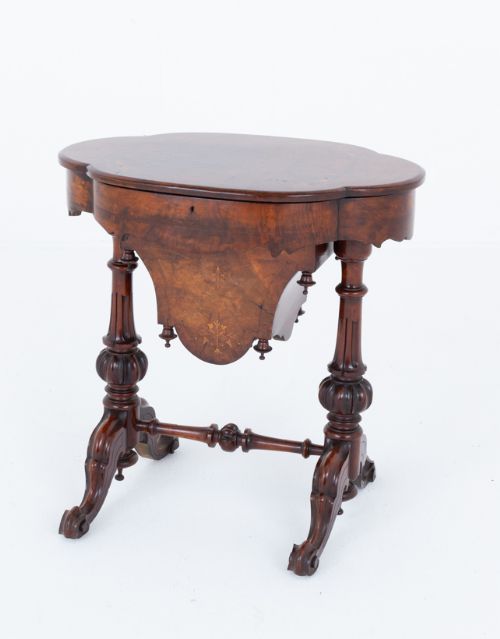
French Marquetry Box
A french marquetry box brings intricate wood-inlaid artistry and period elegance into a room, offering both decorative presence and practical storage.
French Marquetry Box
When you search for a french marquetry box, you encounter pieces designed to hold stationary, jewellery, tea, or small collectables. These items date primarily from the nineteenth century, including Victorian and Edwardian interpretations of earlier French styles.
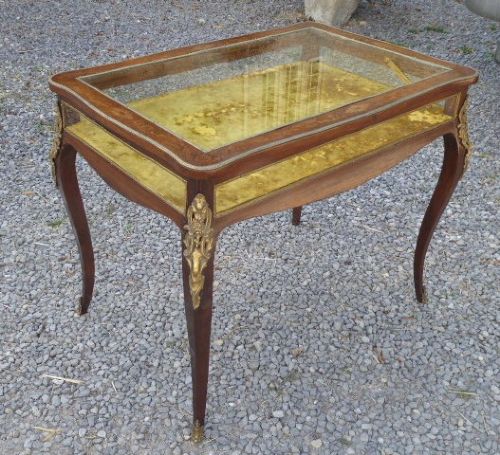
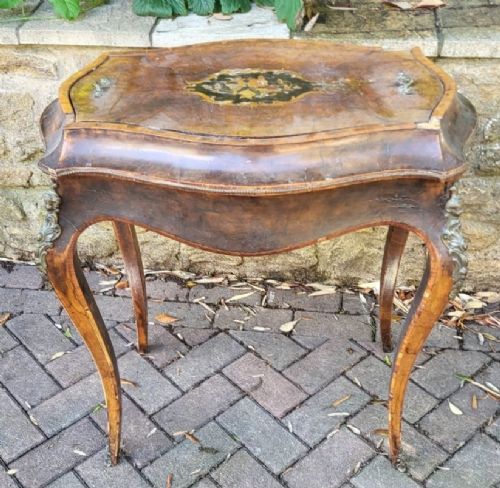
The selection here encompasses various formats, from desktop caskets and writing boxes to larger display tables and jardinieres. Most examples reflect the revival aesthetics of the period, drawing on Napoleon III and Louis XV influences.
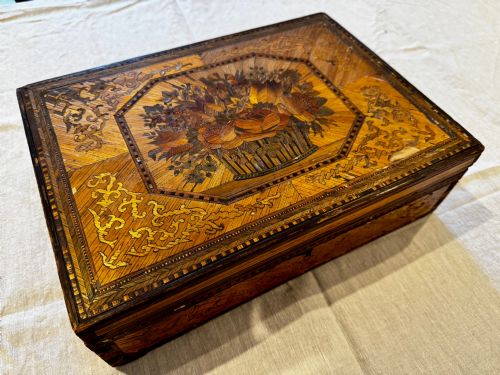
Woods such as kingwood, walnut, and rosewood form the structural foundation of these boxes. Artisans applied precise geometric parquetry or pictorial marquetry across the lids and panels to catch the eye.
How they were made
Craftsmen built these boxes using dense cabinet timbers like mahogany, walnut, and kingwood as a base. They then sliced veneers of contrasting woods, tortoiseshell, or mother-of-pearl to inlay intricate floral or geometric patterns.
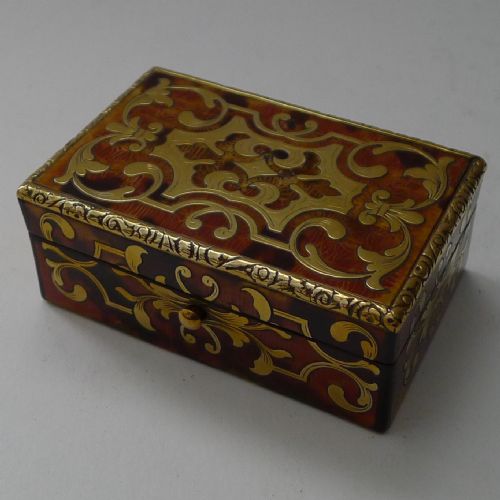
Many examples incorporate cast or chased ormolu mounts, brass stringing, and boullework details of tortoiseshell and brass. These metallic accents reinforced the corners and framed the wood panels with architectural precision.
The listings here demonstrate a strong preference for nineteenth-century French production, utilising materials like kingwood, walnut, tortoiseshell, and brass.
What varies in quality
The standard of a piece depends heavily on the crispness of the veneer cutting and the tightness of the inlay joints. Superior examples display seamless transitions between contrasting woods and metals without visible gaps or excessive filler.
Hardware and interior fittings also indicate grade, with substantial ormolu mounts, original silk linings, and working locks elevating a piece. Simpler constructions rely on plain timber surfaces and minimal brass stringing.
Victor Raulin·Lund Of Cornhill
The French Marquetry Box Glossary
- Marquetry
- The art of applying decorative pieces of veneer to a structure to form ornamental patterns or pictures. It differs from parquetry through its pictorial and curved designs.
- Boullework
- A style of marquetry using contrasting panels of tortoiseshell and brass or pewter. Developed in France, it creates a striking metallic and organic contrast.
- Ormolu
- Gilded bronze used for decorative mounts and feet on furniture and boxes. It provides a bright, golden accent to dark cabinet woods.
- Parquetry
- Geometric mosaic woodwork used for floors and box lids. It relies on repeating straight-edged shapes like squares, triangles, and diamonds.
- Kingwood
- A dense, richly figured timber native to Brazil, prized for its dark violet-brown tones and pale streaks. It appeared frequently on high-end nineteenth-century French furniture and boxes.
French Marquetry Box: Frequently Asked Questions
What were french marquetry boxes originally used for?
These boxes served specialised storage functions in the home, holding items like writing instruments, playing cards, tea, or precious jewellery. Wealthy owners kept them on desks, side tables, or boudoirs as both utility items and display pieces.
Inside, many retained fitted compartments, velvet linings, or removable trays designed to organise specific personal effects safely.
How do I care for antique wood and brass inlay?
Keep these boxes away from direct sunlight and fluctuating heat sources to prevent the delicate wood veneers from shrinking or cracking. Consistent indoor humidity helps maintain the stability of both the timber ground and the brass or tortoiseshell inlay.
Apply a minimal amount of microcrystalline wax occasionally to nourish the wood surface, avoiding liquid polishes that can seep into inlay crevices.
What is the difference between marquetry and parquetry?
Marquetry involves cutting and assembling wood veneers to create pictorial scenes, flowers, or complex scrolls. It allows artisans to depict organic and flowing shapes across a box lid.
Parquetry constructs geometric patterns using angular tiles of wood, such as cubes, chequered squares, or chevrons, creating a structured architectural effect.
How can I distinguish Napoleon III style boxes?
Napoleon III pieces often embrace exuberant revivalism, drawing inspiration from Louis XIV, XV, and XVI aesthetics. They frequently feature rich ebonised finishes, elaborate boullework, and heavy ormolu mounts.
These items date from the mid-nineteenth century during the Second French Empire, a period celebrated for decorative opulence and technical mastery in cabinetmaking.