


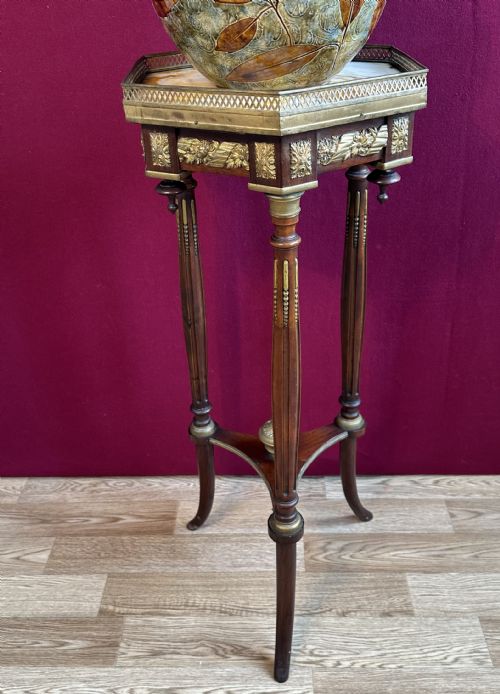


French Mahogany Stand
When sourcing a French mahogany stand, collectors encounter refined occasional tables, bedside cabinets, and display pieces from the nineteenth and early twentieth centuries.
French Mahogany Stand
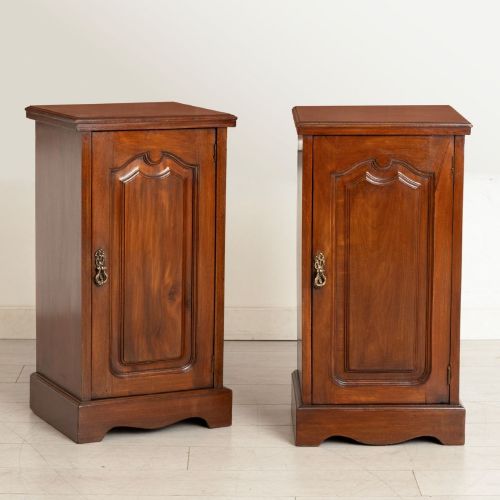
A French mahogany stand encompasses a diverse array of utilitarian and decorative furniture forms designed for domestic interiors, ranging from compact bedside cabinets and pot cupboards to multi-tiered etageres and plant pedestals. These items date primarily from the nineteenth century through the Edwardian era, reflecting changing fashions in continental interior design.
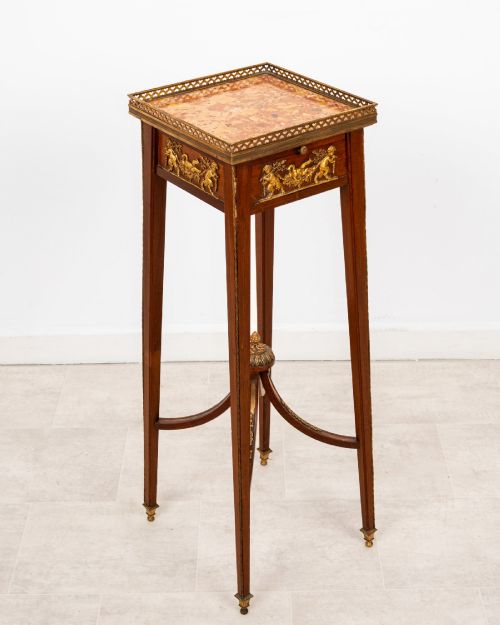
The most common variants encountered on this page include marble-topped bedside tables fitted with small doors or drawers, alongside occasional side tables and guéridons. Pieces often display specific continental design vocabularies, drawing inspiration from the French Empire, Louis XV, and Louis XVI styles.
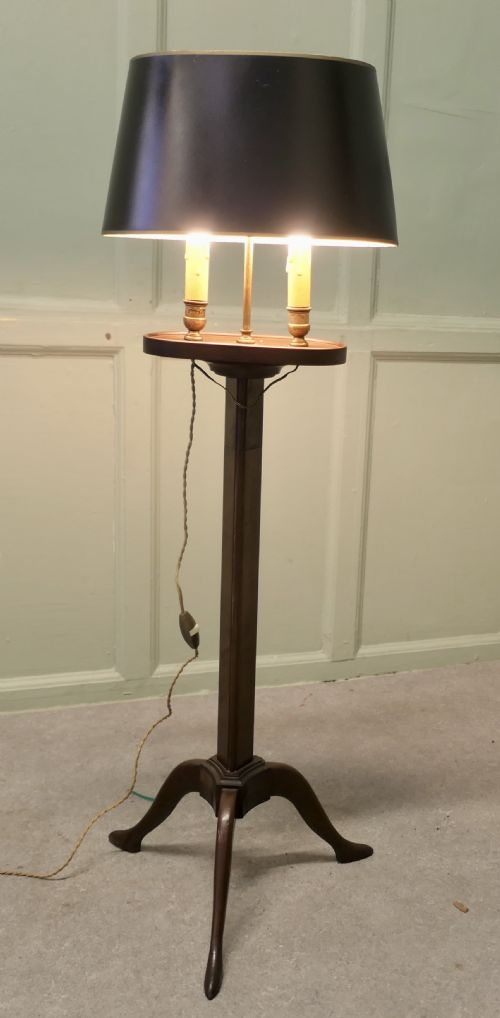
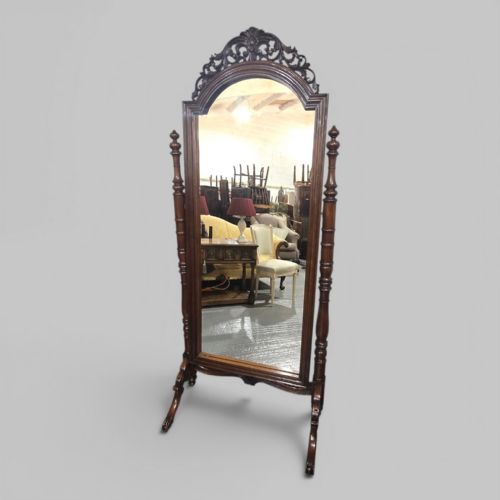
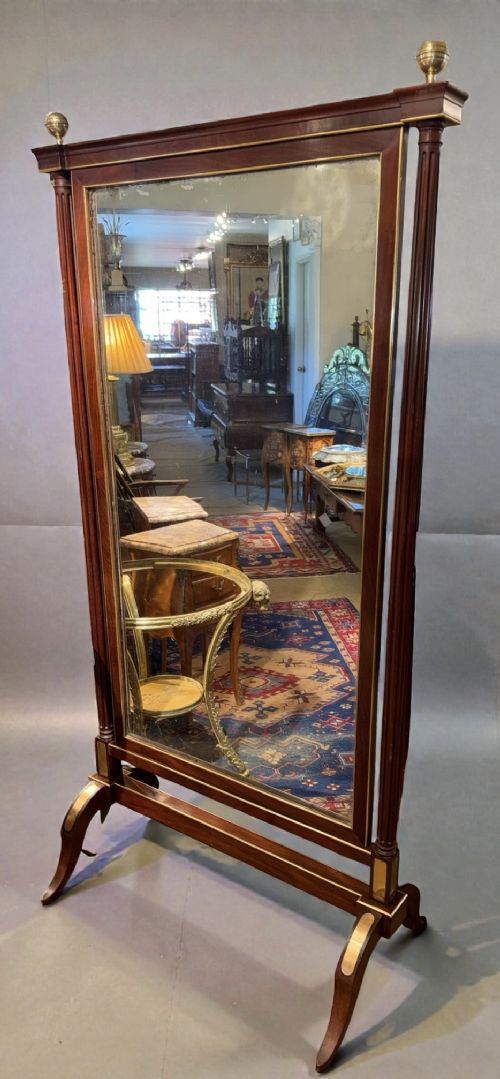
Beyond standard tables, the category extends to specialised forms such as cheval mirrors, plant stands, jardiniere planters, and display vitrines. These utilitarian objects served specific functions in period homes, functioning as surfaces for lighting, display, or ablutions.
How They Were Made
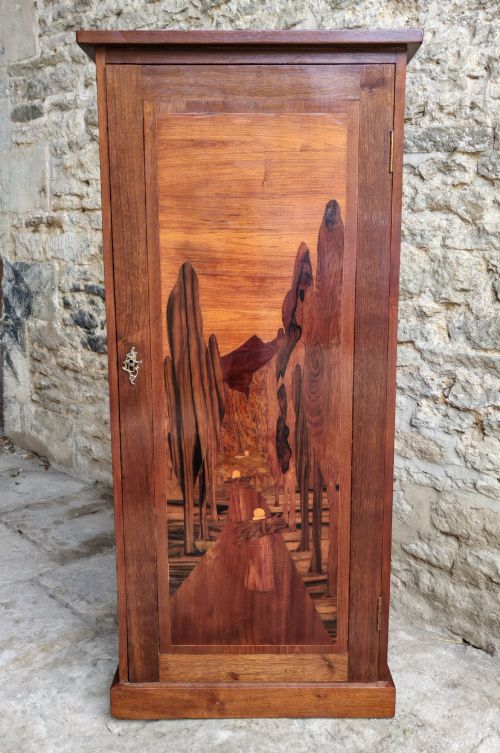
Construction relies heavily on solid mahogany and flame mahogany veneers applied to structural carcasses, occasionally complemented by fruitwood or satinwood inlay and marquetry. Workshops utilised precise cabinet-making techniques to create curved tiers, galleried tops, and panelled doors for bedside units.
Metal ornamentation forms a defining characteristic of these pieces, with cast ormolu, gilt bronze, and solid brass mounts, handles, and galleries integrated into the design. Tops frequently incorporate heavy slabs of white, grey, or rouge marble fitted neatly into mahogany frames.
Object forms range widely from bedside cabinets and plant stands to multi-tiered etageres and cheval mirrors.
What Varies In Quality
The distinction between standard workshop production and superior pieces lies in the crispness of the cast ormolu mounts and the selection of timber veneers. Finely figured flame mahogany and richly chased gilt bronze demonstrate a higher tier of craftsmanship associated with notable cabinet-makers.
Structural integrity and the retention of original components, such as marble slabs, matching brass galleries, and working locks on bedside cabinets, determine the desirability of individual examples. Subtle details like fine marquetry patterns and well-proportioned tiered construction elevate the standing of an item.
François Linke·Lampre·J.M. Paillard
The French Mahogany Stand Glossary
- Ormolu
- Gilded bronze mounts applied to furniture. This technique was widely utilised by continental cabinet-makers to accent mahogany surfaces.
- Guéridon
- A small round table supported by a central pillar or multiple legs. These versatile stands frequently feature marble tops and gilt mounts.
- Étagère
- An open piece of furniture with multiple tiers for displaying small objects. They appear frequently in multi-tiered mahogany formats.
- Vitrine
- A glass-fronted display cabinet intended for curiosities. These pieces often stand on slender legs with brass or ormolu details.
- Jardinere
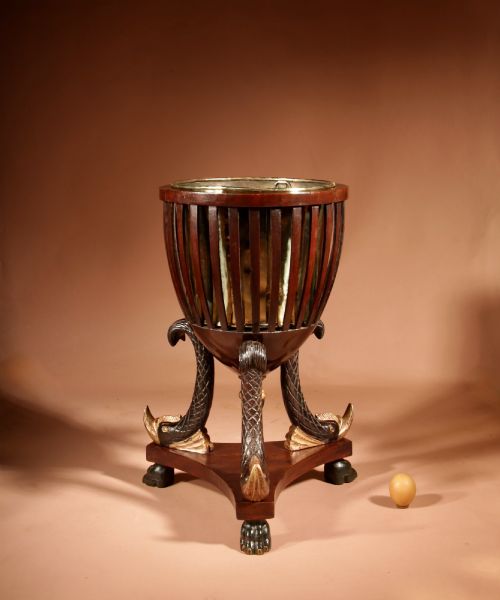
- A decorative stand or container designed to hold plants or flowers. Examples in this category often incorporate metal liners or brass galleries.
French Mahogany Stand: Frequently Asked Questions
What is a French mahogany stand used for?
These pieces served varied domestic purposes in nineteenth-century homes, functioning as bedside tables for night-time storage, display surfaces for lamps, or specialised plant and jardiniere stands.
Smaller variants acted as occasional tables for tea or writing accessories, while taller pedestals elevated sculptures or floral arrangements.
How do I identify a Louis XVI style stand?
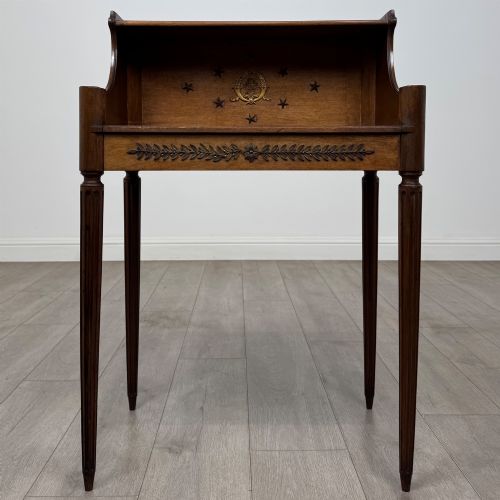
Louis XVI style pieces typically exhibit straighter architectural lines, symmetrical proportions, and classical motifs such as fluted legs and laurel wreath mounts, differing from the curving asymmetry of earlier Louis XV designs.
They frequently combine mahogany with polished marble tops and restrained ormolu ornamentation.
How should I care for mahogany furniture?
Mahogany requires stable indoor humidity levels and protection from direct sunlight to prevent the timber veneers from drying out or fading over time.
Regular dusting with a soft, dry cloth maintains the polished finish without the need for heavy silicone-based polishes.