
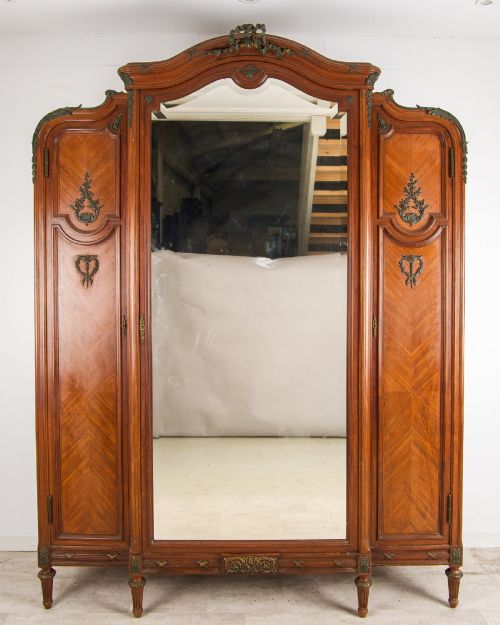


French Mahogany Mirror
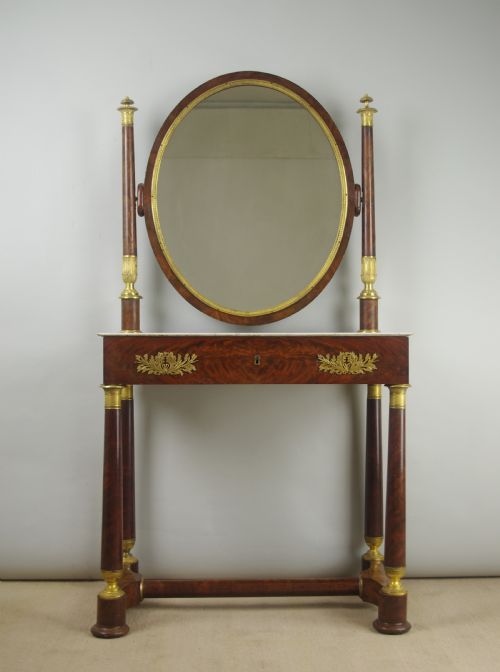
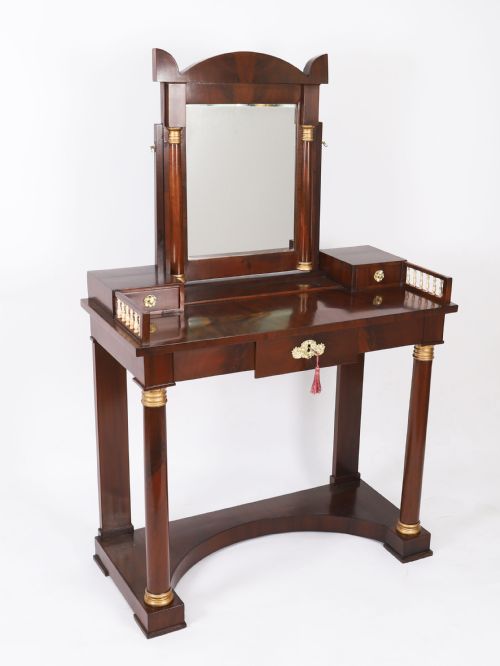
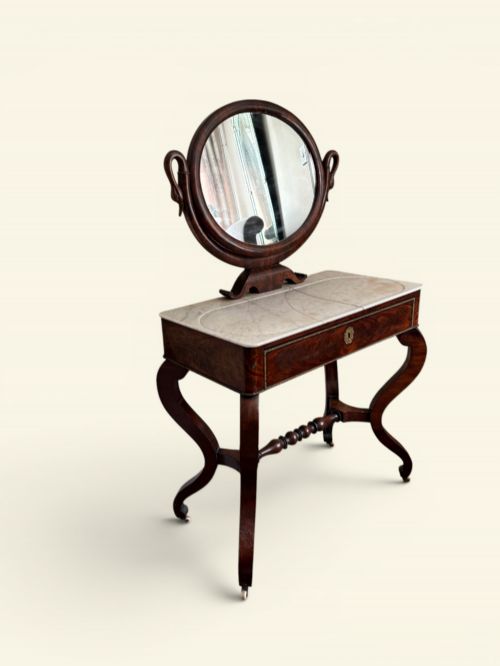
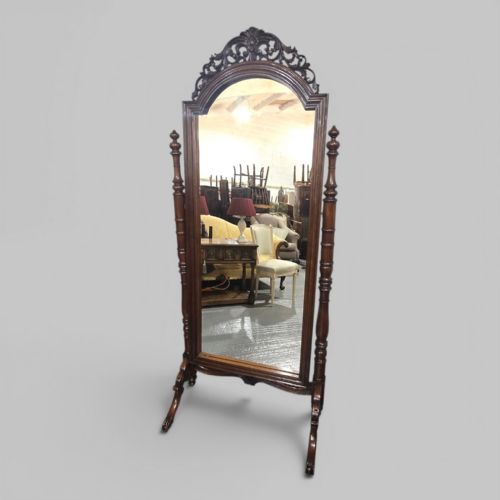
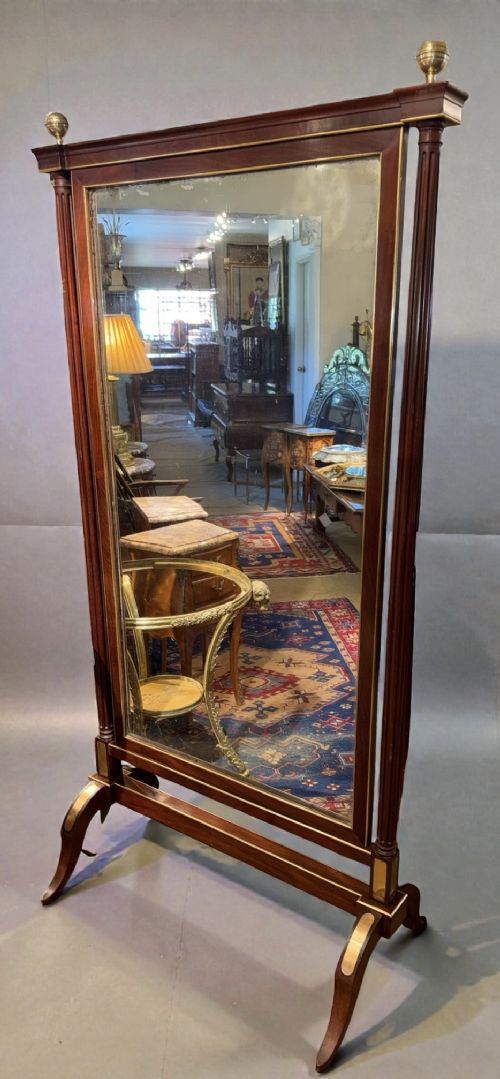
When you search for a french mahogany mirror, you uncover standing cheval glasses, console pieces with mirrored backs, and wall hangings shaped by classical revival designs.
French Mahogany Mirror
A french mahogany mirror encompasses tall cheval glasses designed for bedrooms, substantial wall mirrors intended for overmantles, and console tables paired with integrated mirror backs. The selections range from upright cheval frames that tilt on brass or bronze pivots to large rectangular pier mirrors built to hang between tall salon windows.
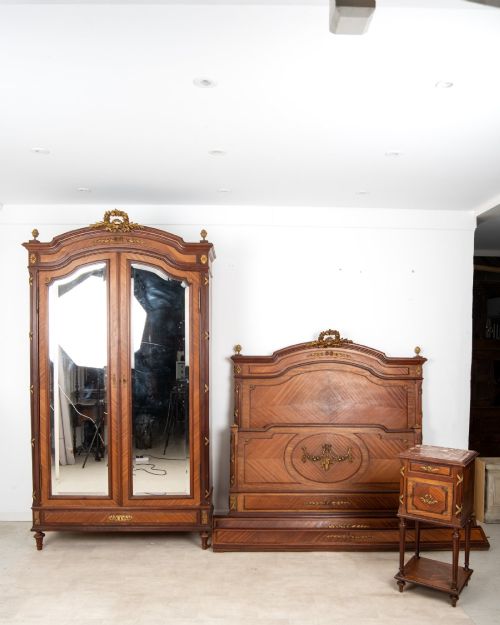
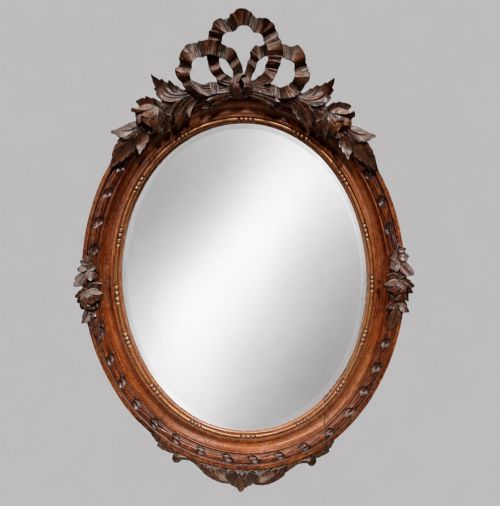
The aesthetic vocabulary leans heavily on the French Empire, Louis XVI, and Rococo Revival styles. Pieces span the nineteenth and early twentieth centuries, capturing periods when cabinetmakers utilised rich mahogany timbers combined with classical metal mounts.
What varies in quality
Quality rests upon the selection of the mahogany timber and the crispness of the cast metal mounts. Finely figured flame mahogany or rich curl veneers set apart superior examples from plain stock, while hand-chased ormolu mounts demonstrate far greater detail than simple stamped brass.
The integrity of the mercury or silvered mirror plate and the weight of the underlying frame dictate overall success. Well-balanced pivoting mechanisms on cheval glasses and substantial structural depth indicate superior workshop standards.
Listings feature mahogany, marble, brass, ormolu, and gilt bronze across eighteenth, nineteenth, and early twentieth-century French designs.
Paul Sormani
The French Mahogany Mirror Glossary
- Cheval glass
- A freestanding mirror mounted in a frame that allows it to tilt back and forth on vertical pivots. These tall dressing glasses often feature integrated candle arms or stable floor stands.
- Ormolu
- Gilded bronze mounts applied to furniture and mirror frames. The technique involves applying finely ground gold to a bronze base.
- Pier mirror
- A large vertical mirror designed specifically to hang on the wall space between two windows. They frequently sit above console tables to reflect light into formal rooms.
- Console table
- A wall-mounted or freestanding table that often incorporates a mirrored back in these configurations. They frequently feature marble tops in white or coloured stone.
- Flame mahogany
- A veneer cut from the fork of the mahogany tree where the branch joins the trunk. It creates a distinctive, fiery feather pattern across the surface of the wood.
French Mahogany Mirror: Frequently Asked Questions
How do I identify an Empire style mirror?
Empire pieces display heavy architectural lines, dark mahogany timbers, and classical metal mounts in ormolu or brass. They often incorporate Greco-Egyptian motifs and bold geometric forms.
These mirrors rely on the natural drama of the wood grain rather than elaborate carved flourishes, projecting a solid, monumental presence.
Where should I place a cheval mirror?
A freestanding cheval glass works best in a bedroom or dressing room where its tilting frame allows full-length viewing. Ensure the floor is level so the pivoting mechanism remains balanced.
Position the glass away from direct, harsh sunlight to protect the polished mahogany finish and the silvered backing of the mirror plate over time.
What is a console table with a mirror?
This form combines a narrow wall table, usually topped with marble, with an attached or matching wall-mounted mirror above it. The pairing was designed for hallways and reception rooms.
The setup maximises light reflection in smaller spaces while providing a surface for decorative objects or lighting.
How do Louis XVI and Rococo mirrors differ?
Louis XVI style mirrors feature straight lines, symmetry, classical urns, and rectangular proportions. They reflect a restrained, neoclassical aesthetic.
Rococo Revival mirrors embrace asymmetry, C-scrolls, and deeply carved floral motifs that create a fluid, organic outline.