






French Mahogany Lamp Table
A french mahogany lamp table brings warmth and functional elegance to a room, drawing on classical forms and rich timbers.
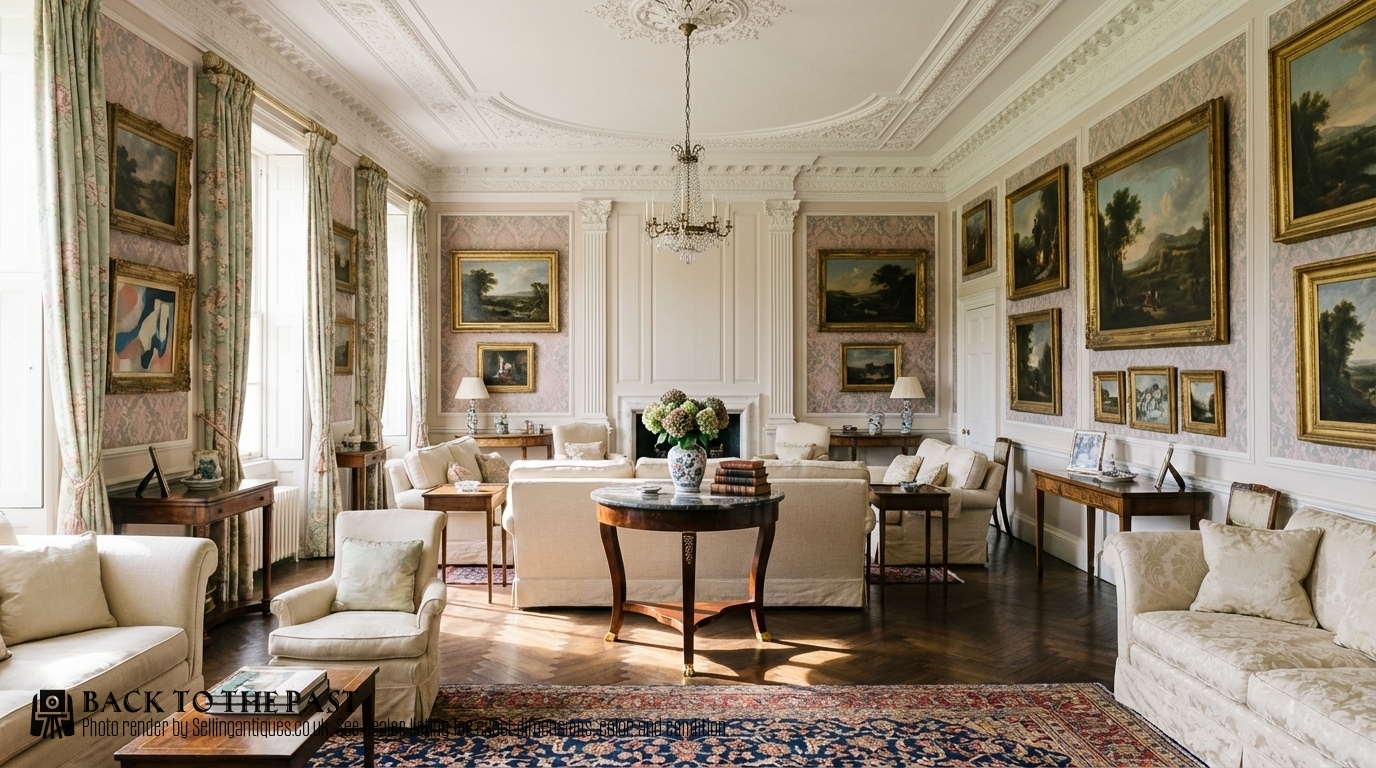
French Mahogany Lamp Table
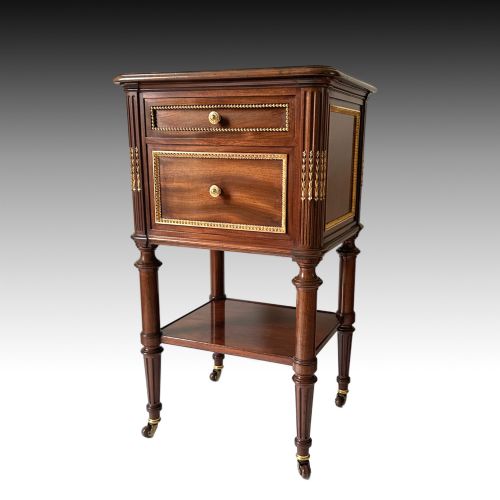
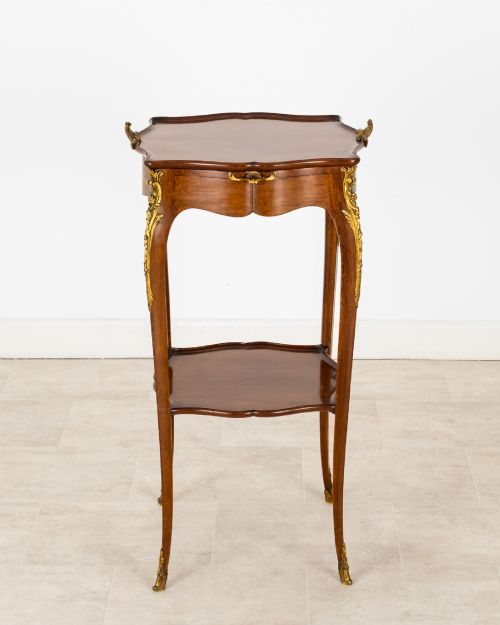
When searching for a french mahogany lamp table, buyers encounter a variety of compact occasional surfaces designed for holding lighting and small objects. These pieces span periods from the early nineteenth century through the art deco era, encompassing styles such as French Empire, Louis XV revival, and Louis XVI revival.
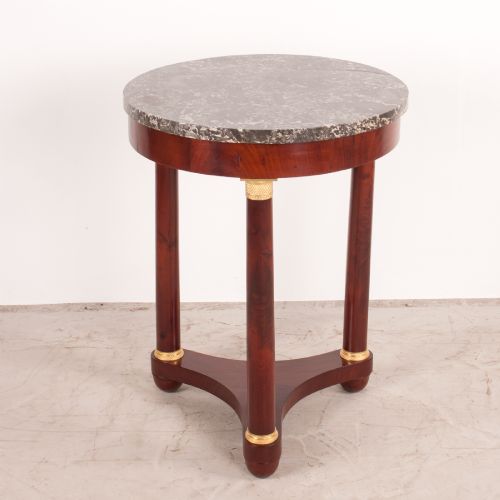
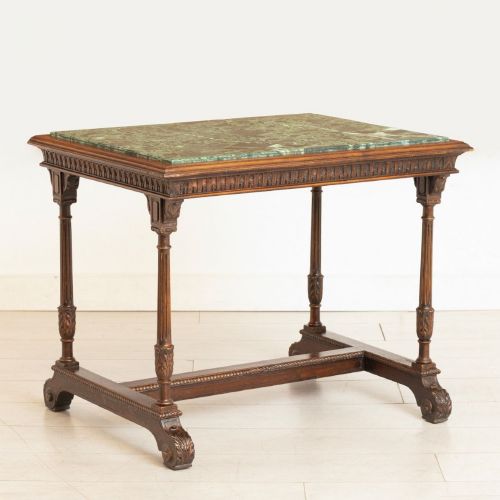
The selection on this page most frequently presents round gueridon tables, bedside cabinets, and side tables constructed in mahogany. Many examples incorporate inset marble tops, brass galleries, and gilt bronze or ormolu mounts that reflect Parisian cabinet-making traditions.
Forms range from simple occasional stands to more elaborate marquetry-inlaid étagères and pedestal tables with bronze details. Buyers find both individual pieces and matched pairs suited for placement beside seating or beds.
What varies in quality
Quality in these tables is determined by the crispness of the bronze or ormolu chasing and the precision of the cabinet-making. Finer examples display fluid mounts that are individually cast and hand-finished rather than mass-produced and rigidly applied.
The selection of timber grain, the delicacy of marquetry inlay, and the weight and polish of the marble top distinguish standard production pieces from workshop-attributed outputs. Structural integrity in the pillar supports and leg junctions also dictates the tier of the piece.
Listings feature mahogany alongside marble, brass, and ormolu, spanning the nineteenth century through the art deco period.
François Linke·A Hugnet Paris·Haentgos Freres Paris·Gillows
The French Mahogany Lamp Table Glossary
- Gueridon
- A small round occasional table supported by a central pillar or multiple legs. This form originated in seventeenth-century France and remains a staple of lamp table designs.
- Ormolu
- Gilded bronze applied as decorative mounts to furniture. The technique involves creating an amalgam of gold and mercury.
- Marquetry
- Decorative patterns formed by fitting together thin veneers of various wood types. Cabinet-makers utilise this method to create floral or geometric motifs.
- Etagere
- A set of open shelves for displaying small items. These tiered tables offer multiple surfaces within a compact footprint.
- Bouillotte
- A small round card table with a raised gallery edge. Designed for the card game of the same name, it frequently serves as a lamp table.
French Mahogany Lamp Table: Frequently Asked Questions
How do I style a lamp table?
These compact tables fit naturally beside sofas, armchairs, or beds where surface space is needed for lighting and small accessories. Their modest proportions allow them to integrate easily into both traditional and contemporary interiors.
Pairing a marble-topped version with contrasting textures helps balance the room. Keeping the surface styling minimal preserves the visual detail of the timber and mounts.
What is a gueridon table?
A gueridon is a specific type of small round table supported by a central column or three to four legs. Originating in France, they were originally designed to hold candelabras or lamps.
Today, antique examples function well as lamp or side tables. Their circular tops make them practical for navigating around seating arrangements.
How do I identify Empire style?
Empire style furniture is characterised by classical architectural motifs, symmetrical forms, and dark mahogany veneers. Mounts frequently feature gilt bronze or brass depicting military trophies, swans, or classical heads.
This aesthetic reflects the neoclassical tastes of early nineteenth-century France. The tables maintain a sturdy, monumental presence despite their small scale.
Are marble tops original?
Marble tops on French tables were standard practice for protecting the wood from candle wax and spilled liquids. Most surviving pieces retain their original fitted marble slabs.
When inspecting a piece, check that the marble sits flush within the brass gallery or wooden rim. Different varieties, including white and Italian marble, appear across the nineteenth-century listings.