


French Mahogany Display Cabinet
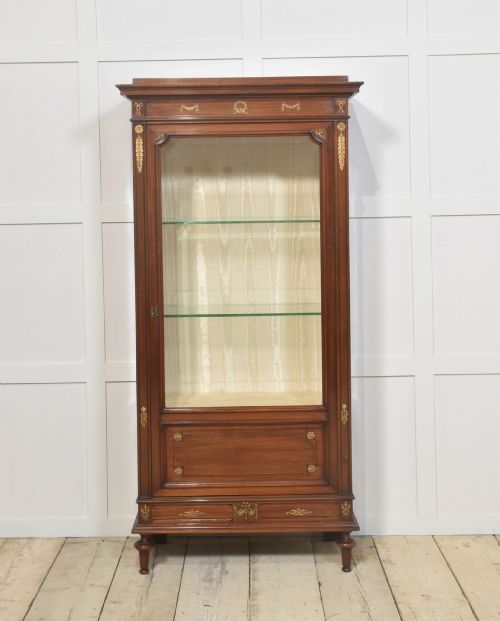
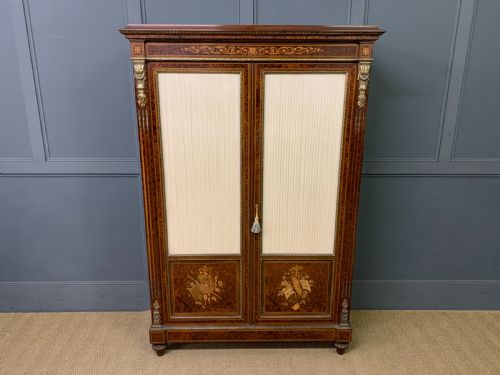
A french mahogany display cabinet brings architectural timber and glazed panels together to frame porcelain, silver and glassware.
French Mahogany Display Cabinet
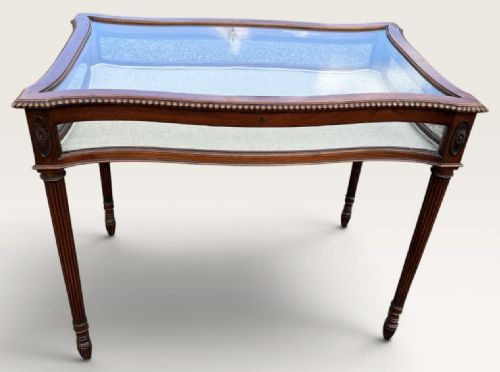
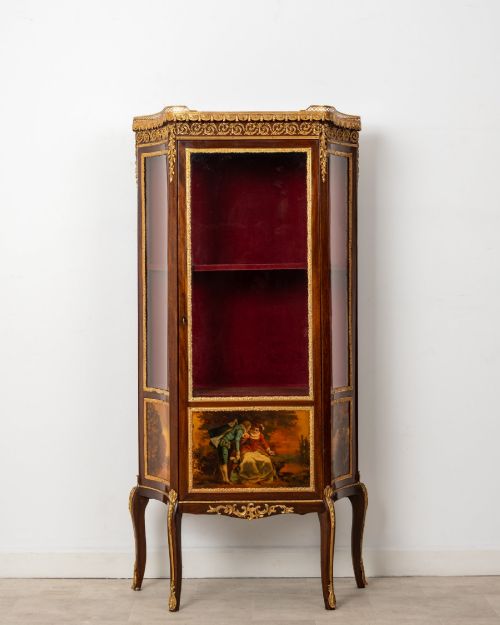
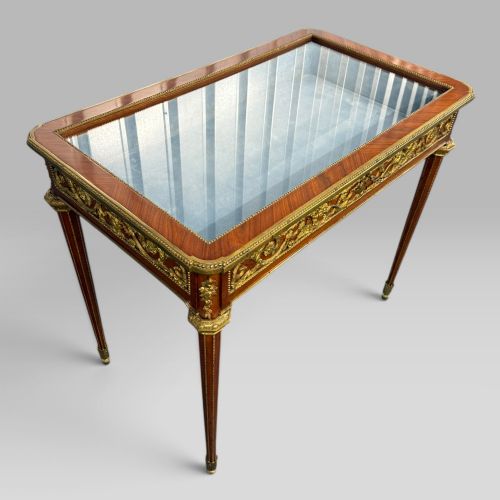
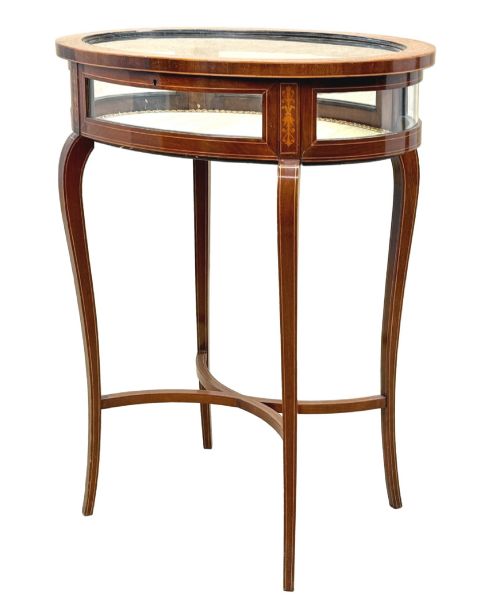
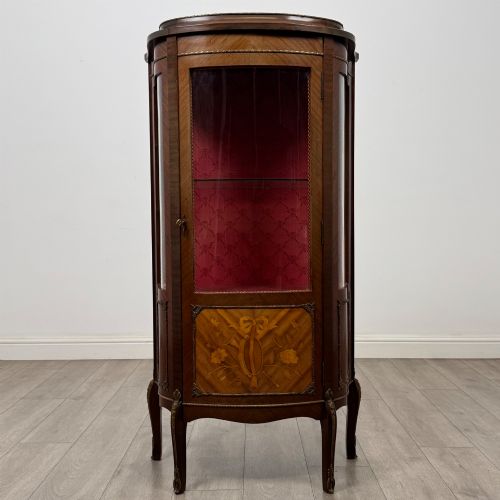
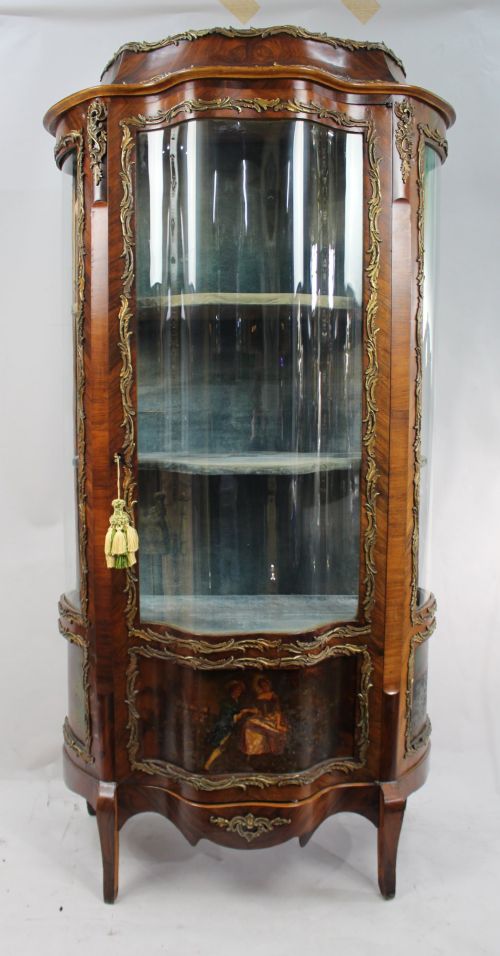
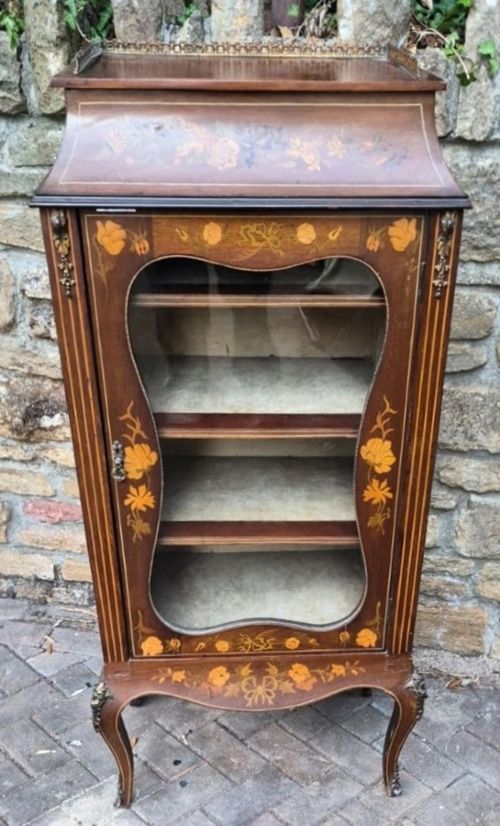
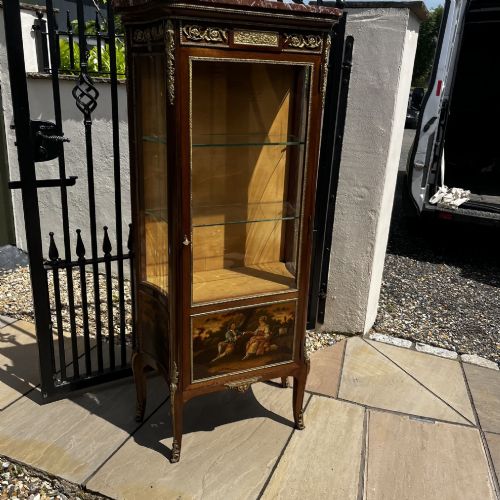
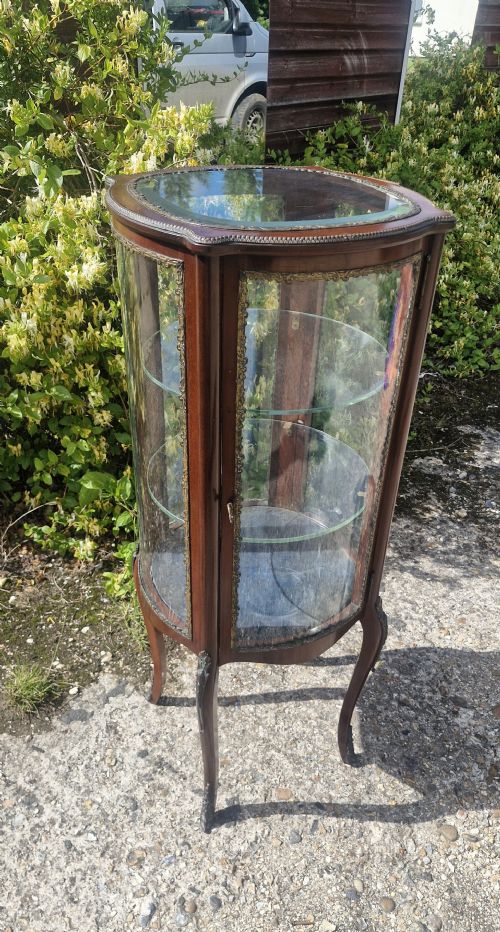
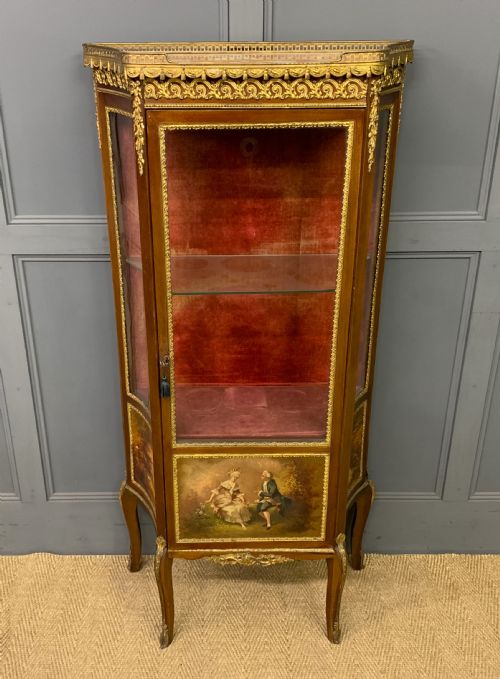
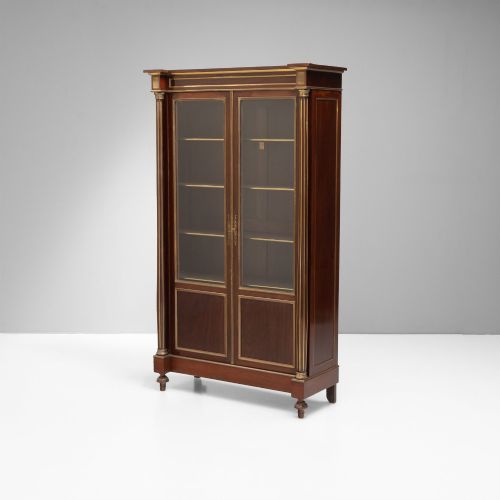
A french mahogany display cabinet comprises tall vitrines, freestanding bookcases and low bijouterie tables designed to showcase fine objects under glass. The pieces seen on this page span the nineteenth century through the Edwardian era up to the nineteen-thirties, reflecting diverse regional interpretations of classical revivals.
Makers drew inspiration from French Empire, Louis XV, Louis XVI and Directoire styles, translating royal aesthetics into domestic furniture. Cabinets frequently feature serpentine fronts, glazed side panels and velvet-lined interiors intended to catch and reflect natural light.
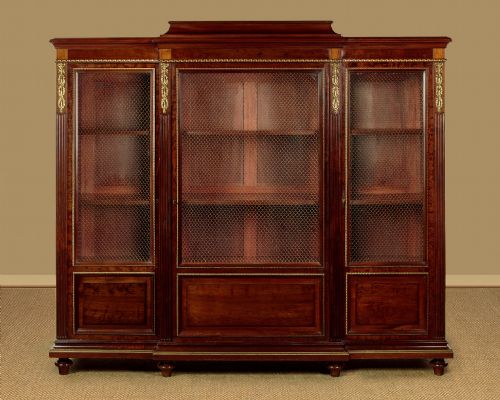
Buyers encounter numerous variations, from narrow glazed wall vitrines to breakfront bookcases and glass-topped display tables. These forms served utilitarian functions in drawing rooms and salons, keeping collections dust-free while remaining entirely visible to guests.
Markers of Distinction
The standard of a french mahogany display cabinet depends on the precision of its Ormolu mounts and the crispness of its hand-chased bronze details. Mass-produced commercial pieces rely on stamped, lightweight brass alloys, whereas superior examples display heavy, meticulously finished gilt mounts fitted flush to the timber.
Timber selection and cabinet joinery further divide the range, with select pieces utilising figured flame mahogany veneers matched symmetrically across the doors. Interior elements, such as hand-bevelled glass panes, original velvet linings and dovetailed drawer construction, indicate workshop production of higher ambition.
Several glazed vitrines include hidden sliding shelves intended for serving tea alongside the porcelain.
François Linke·Paul Sormani
The French Mahogany Display Cabinet Glossary
- Ormolu
- Gilded bronze mounts applied to furniture. This technique involves coating cast bronze with a mercury-gold amalgam and heating it to leave a durable metallic finish.
- Vernis Martin
- A simulated Japanese lacquer developed by the Martin brothers in eighteenth-century France. The technique employs multiple resin coats over painted decoration to achieve a glossy, translucent depth.
- Bijouterie table
- A glass-topped display table with a shallow well for jewellery and small curiosities. These pieces stand on slender legs and often feature hinged lids lined with fabric.
- Breakfront
- A cabinet facade where the central section projects forward from the flanking wings. This architectural arrangement creates shadow lines and visual rhythm across large bookcases.
- Vitrine
- A glazed cabinet specifically designed for the display of porcelain and ornaments. Glass panels on the sides as well as the doors allow light to reach objects from multiple angles.
French Mahogany Display Cabinet: Frequently Asked Questions
How do I clean the interior velvet lining?
Historic fabric linings require gentle dry vacuuming with a soft brush attachment to lift dust without disturbing fibres. Avoid using liquid cleaners or water, which can stain the timber surround and weaken aged adhesives.
For stubborn marks, professional textile conservators should assess the fabric in situ. Many collectors prefer to leave original patinated velvet untouched as part of the piece's history.
Are the glass panels original?
Original glass frequently exhibits minor surface bubbles, waviness and thickness variations resulting from historical cylinder or crown glass manufacturing methods. Modern replacement glass appears completely flat and uniform by comparison.
Examining the putty or wooden glazing beads from the inside reveals whether panes have been re-secured or swapped during past restorations.
Can I adjust the internal shelving?
Nineteenth-century vitrines and bookcases generally feature fixed wooden shelving or traditional notched support racks cut directly into the interior sides. Altering shelf heights requires careful carpentry to maintain the structural rigidity of the glazed carcass.
Most pieces were designed for specific display heights, so arranging objects to fit existing clearances preserves the original interior layout.
How do I distinguish Louis XV and Louis XVI styles?
Louis XV revival pieces emphasise asymmetrical curves, naturalistic floral carving and swelling serpentine contours. Ormolu mounts on these cabinets flow organically around rounded corners and cabriole legs.
Louis XVI style pivots toward strict symmetry, straight fluted columns and neoclassical geometric motifs. These cabinets display squared profiles, rectangular glazed doors and disciplined proportions.