


French Luggage Trunk
These French luggage trunk examples are sturdy travel containers built for luxury journeys, offering robust storage and historic character for modern interiors.
French Luggage Trunk
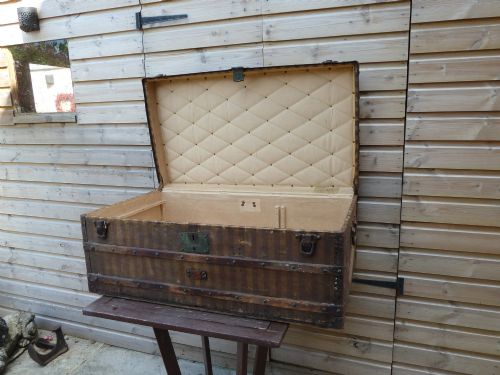
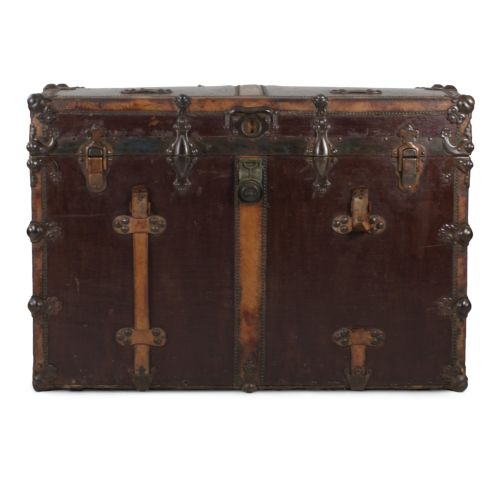
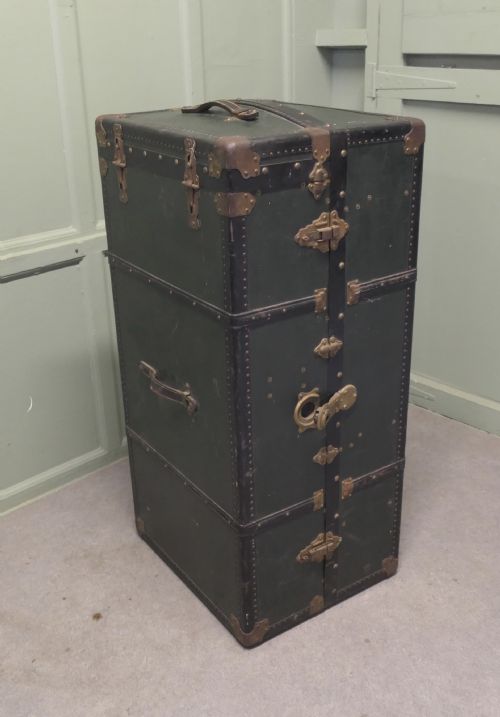
A french luggage trunk search reveals substantial travel pieces designed for journeys by rail, ship, and motorcar across the nineteenth and twentieth centuries. Buyers encounter versatile forms including fitted steamer trunks, cabin wardrobes, portmanteaus, hat trunks, and compact suitcases.
The pieces on this page span several distinct periods, reaching from Victorian and Edwardian eras through the Belle Epoque, Art Deco, and the 1920s and 1930s. Makers responded to changing transit needs by producing specialised interiors for clothing, hats, and wardrobe storage.
Most items represent high-end French luxury luggage produced by renowned Parisian makers for wealthy travellers. Surviving examples range from unrestored historic pieces to fully restored wardrobe trunks bearing stencilled monograms.
Materials and construction methods
Construction relies upon a robust wooden core combined with protective exterior surfaces of canvas, leather, and fabric. Makers reinforced these structural bodies with metal and brass bands to withstand the rigours of long-distance transit.
Hardware details such as brass locks, rivets, and corner brackets provide both functional security and decorative framing for the exterior materials. Interior compartments frequently incorporate specialised wooden framing and fabric linings tailored for specific garments.
Early twentieth-century hat trunks ensured passengers arrived with every brim unbent.
Distinctions in quality
Quality differences emerge in the integrity of the primary wooden structure and the durability of the exterior canvas or leather coverings. Superior examples retain original metal hardware, functional brass locks, and intact interior fittings without structural compromise.
The level of historical preservation distinguishes pieces, balancing unrestored patinated surfaces against professional restoration work that retains original stamped monograms and maker signatures.
Louis Vuitton·Aux Etats Unis of Paris·Goyard
The French Luggage Trunk Glossary
- Steamer trunk
- A lower-profile luggage trunk designed to fit beneath a steamship berth or in a cabin stateroom. These pieces prioritize space-efficient storage for extended voyages.
- Wardrobe trunk
- A tall vertical luggage trunk that opens to reveal a hanging section for garments alongside multiple drawers. This form functions as a portable closet during hotel stays.
- Portmanteau
- A large travelling case or suitcase that opens into two distinct compartments for clothing and personal items. The term denotes traditional hinged luggage designs.
- Malle penderie
- The French term for a hanging wardrobe trunk. These specialised pieces transport clothes on internal rails to prevent creasing.
- Monogram
- A design composed of combined initials stencilled or painted onto the exterior canvas. These markings identify the original owner of the luxury luggage.
French Luggage Trunk: Frequently Asked Questions
How do I identify the period of a trunk?
Dating relies on examining the combination of exterior materials, hardware styles, and maker signatures present on the piece. Items associated with Victorian or Belle Epoque periods often display heavier brass fittings and traditional leather bindings, whereas 1920s and 1930s examples lean towards Art Deco canvas designs and specialised wardrobe layouts.
Reference to maker markings and stencilled monograms helps narrow the production decade. Comparing the internal woodwork and locking mechanisms against documented design evolutions provides further chronological clarity.
Are restored trunks better than unrestored ones?
The choice between a fully restored trunk and an unrestored piece depends entirely on personal aesthetic preference and how the item will integrate into a room. Restored examples offer clean canvas surfaces, polished brass, and renewed interior linings ready for immediate domestic display.
Unrestored pieces retain the authentic scuffs, labels, and patinated materials accumulated from historical journeys. Many collectors value this untouched physical evidence of past travel above a pristine finish.
Where should I place a trunk in my home?
A large wardrobe or steamer trunk works well as a statement piece in a hallway, bedroom, or living room. Their flat tops make them suitable for displaying books, lamps, or decorative objects.
Smaller pieces like hat trunks or suitcases sit comfortably on stands, at the foot of a bed, or atop side tables. Positioning them away from direct heat sources protects the historic wood, leather, and canvas materials from drying out.