


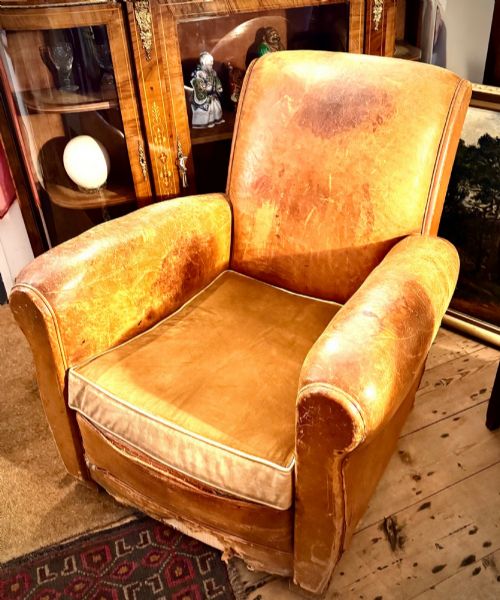


French Leather Armchair
A french leather armchair brings tactile warmth and deep comfort to a room, offering robust seating shaped by decades of historic use.
French Leather Armchair
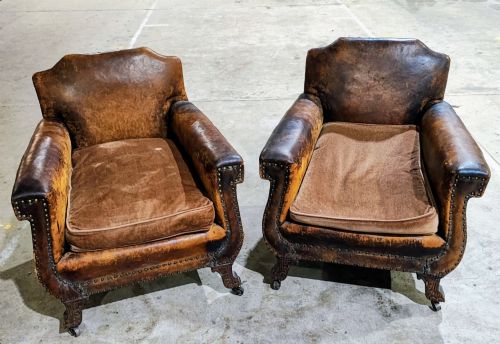
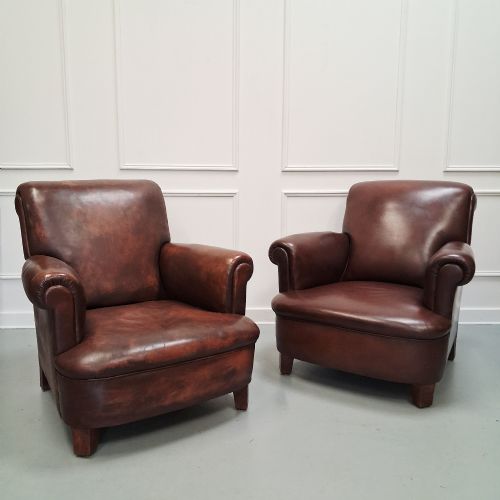
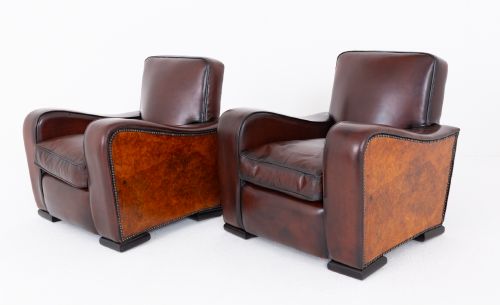
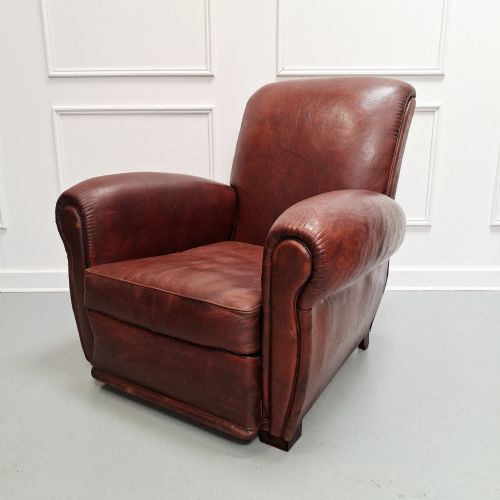
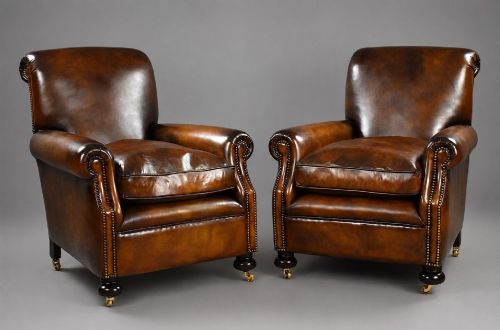
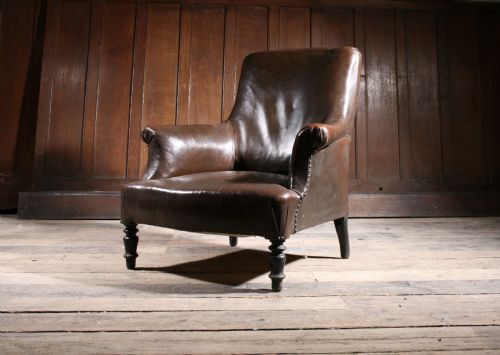
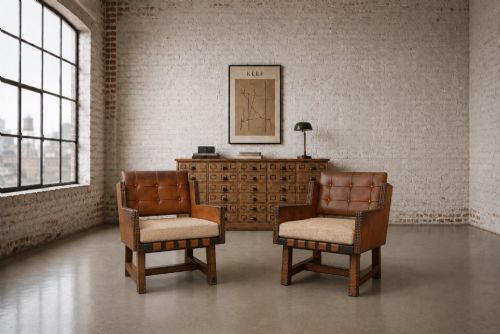
A french leather armchair spans distinct eras, ranging from nineteenth century library and desk chairs to robust twentieth century club chairs. Buyers searching for a french leather armchair often encounter low slung club chairs from the nineteen thirties alongside earlier Empire and Louis Philippe models.
The selection includes individual statement pieces, pairs, and full lounge suites upholstered in supple hide. These items reflect traditional seating forms adapted for libraries, studies, and reception rooms across various historical periods.
Assessing quality and character
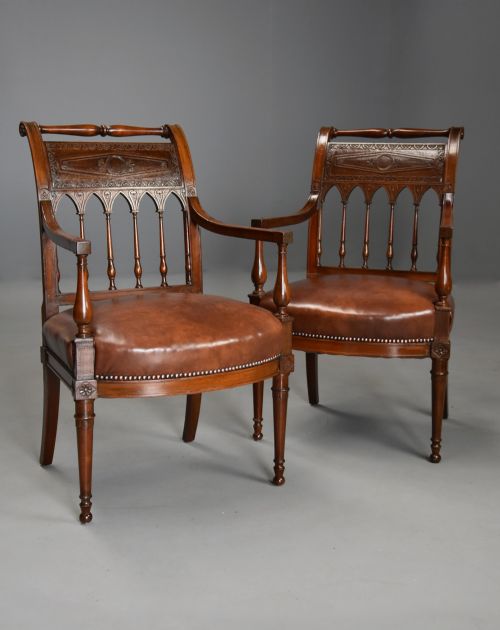
The distinction between tiers of a french leather armchair lies in the depth of the timber grain and the integrity of the joinery. Superior examples exhibit finely carved walnut or mahogany frames with harmonious proportions.
Leather quality dictates the tactile appeal, where thick hides display a rich patina developed through age and regular conditioning. Finer pieces retain original upholstery details and secure brass tack work that withstands long term use.
Certain twentieth century club chairs arrive wrapped in sheep's hide, offering an exceptionally woolly texture for devoted loungers.
The French Leather Armchair Glossary
- Club chair
- A deep seated upholstered armchair designed for comfort, commonly found in twentieth century leather finishes. These seats feature low backs and generous armrests.
- Bergère
- An enclosed upholstered armchair with a wooden frame where the sides are frequently caned or upholstered. Eighteenth and nineteenth century variations remain popular among collectors.
- Directoire style
- A transitional design movement bridging Louis XVI and Empire aesthetics, characterised by neoclassical restraint and clean lines. Pieces from this period often utilise fine walnut.
- Moustache back
- A distinctive curved upper backrest shape resembling nineteenth century facial hair. This contour provides ergonomic shoulder support.
French Leather Armchair: Frequently Asked Questions
How do I date a french leather armchair?
Dating relies on stylistic clues like tapered legs, carved wooden motifs, and the stitching methods used on the hide. Twentieth century club chairs often show rounded art deco silhouettes, while nineteenth century examples display formal empire or louis philippe characteristics.
Examining the interior webbing and secondary framing timbers provides further context for the manufacturing decade. Comparing the upholstery techniques helps separate older Victorian library chairs from later twentieth century editions.
What is the difference between a club chair and a library chair?
Club chairs typically offer a lower, deeper lounge profile with padded armrests designed for relaxed seating. Library chairs often maintain a more upright posture suited for reading at a desk or table.
Library variants frequently incorporate exposed mahogany or walnut frameworks with classical carving. Club chairs lean towards heavier upholstered forms wrapped entirely in thick cattle or sheep hide.
How do I care for vintage leather upholstery?
Preserving vintage hide involves applying specialised leather balms to maintain flexibility and prevent cracking. Keeping the material away from direct sunlight and heat sources protects the natural patina.
Routine dusting with a soft dry cloth prevents abrasive particles from settling into the grain. Avoid harsh chemical cleaners that strip the original coloration and finish.
Are these armchairs suitable for daily use?
Robust wooden frames and thick leather upholstery make these chairs well suited for regular seating. Properly maintained vintage hide adapts well to everyday domestic environments.
Checking the internal springs and joints ensures structural stability for daily sitting. High quality craftsmanship from earlier centuries translates into durable furniture fit for modern living spaces.