




French Impressionist Wall Art
French impressionist wall art captures the shifting light and everyday scenes of Parisian streets and rural landscapes across the nineteenth and twentieth centuries.
French Impressionist Wall Art
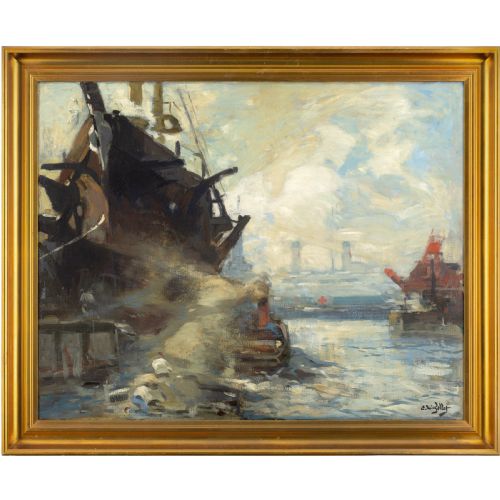
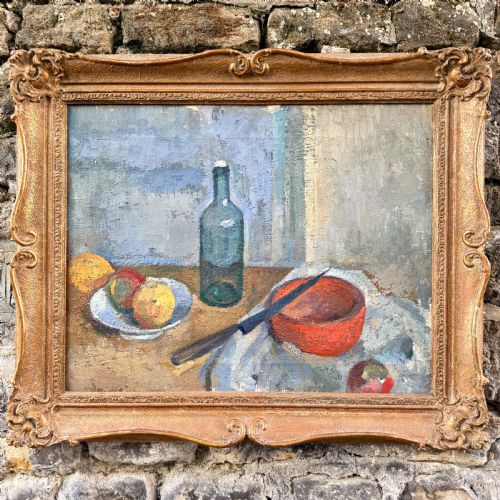
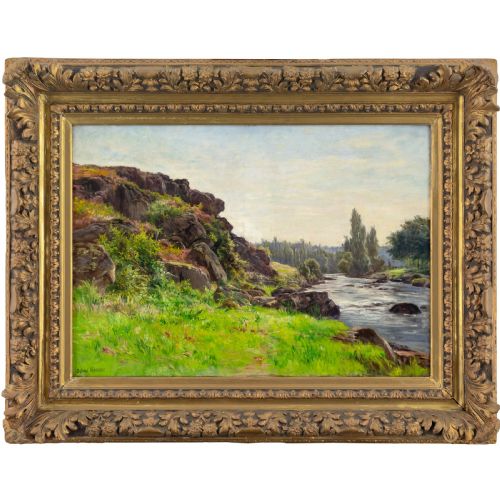
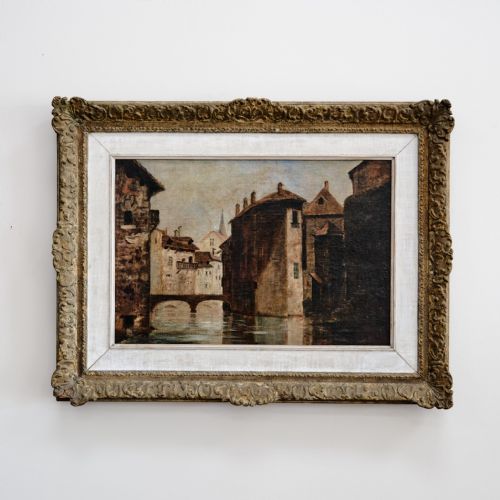
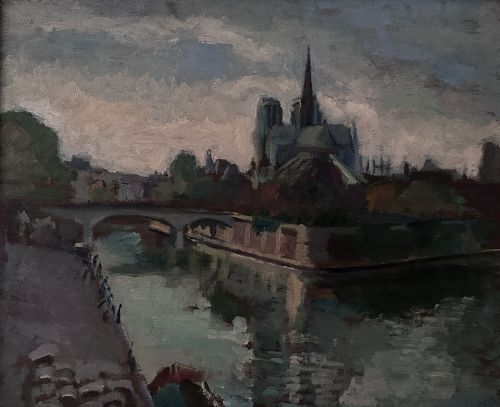
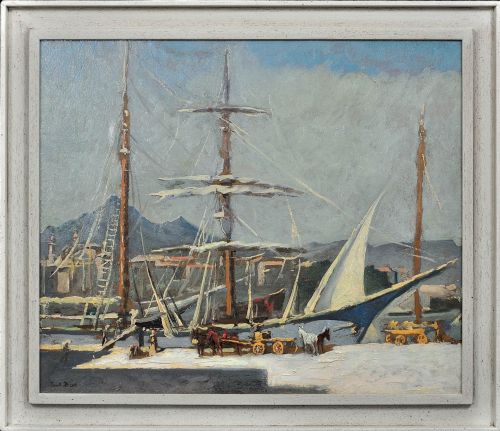
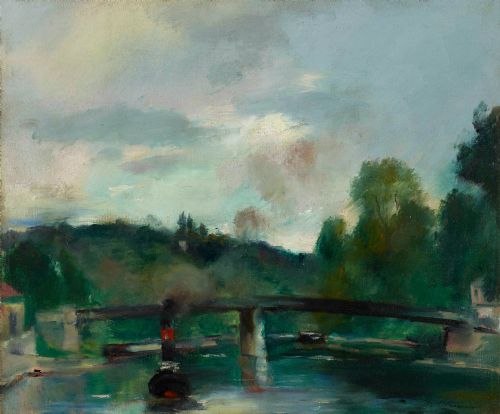
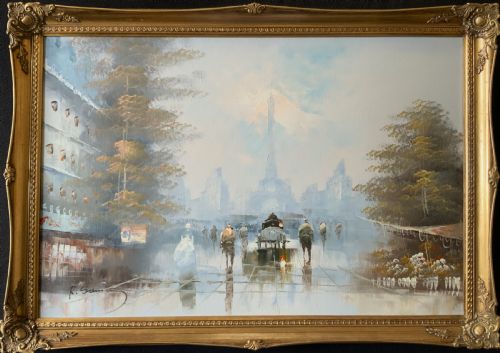
When buyers search for french impressionist wall art, they encounter oil paintings, watercolours, and pastels depicting cityscapes, marine views, and intimate pastoral scenes. These works span from nineteenth century academic origins through to mid-century interpretations of French Impressionism and Post-Impressionism.
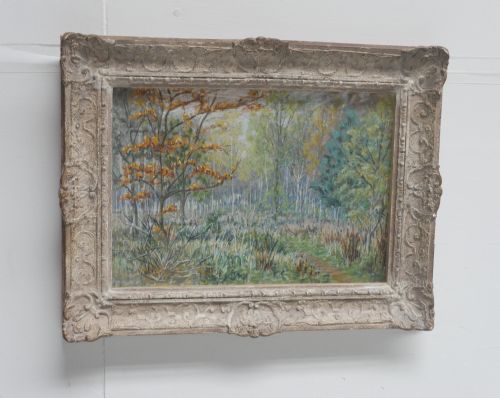
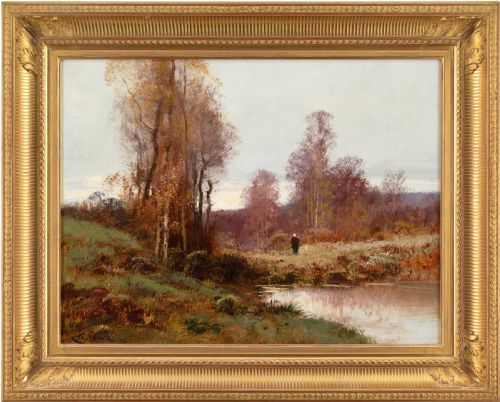
The most common formats on this page are framed oil on canvas compositions showing Parisian landmarks, rivers, and coastal harbours. Canvases often retain period gilt wood or gesso frames that complement the painted surface.
Materials and Techniques
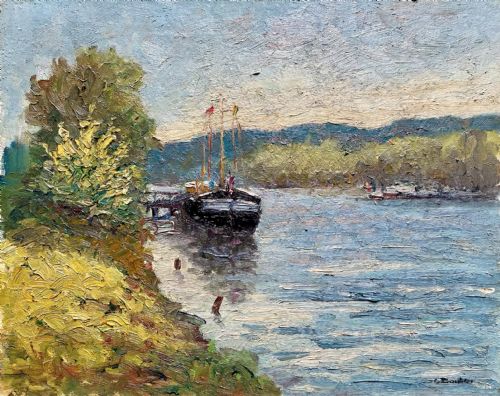
Painters applied oil paint directly to canvas, wood panels, or paper supports, frequently building up textured surfaces using impasto techniques. Gesso and carved wood frames provided structural support and decorative borders for the finished works.
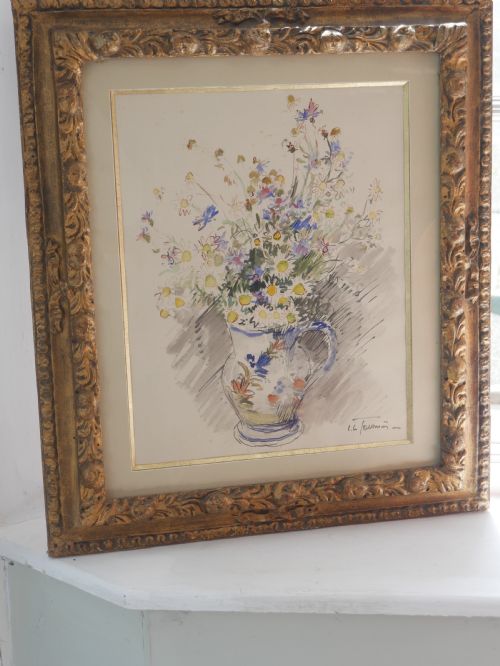
Watercolour and pastel mediums appear on paper supports, capturing translucent light effects and softer tonal gradations. Pigments were blended to record outdoor luminosity and atmospheric conditions in real time.
Several canvases capture artists setting up easels in bustling Parisian squares while horses, carts, and early motorists navigate the streets.
Evaluating Quality and Execution
Quality rests upon the artist's handling of light, brushwork confidence, and compositional balance rather than the subject matter alone. Stronger examples demonstrate deliberate mark-making that defines space and atmosphere without relying on rigid outlines.
The integration of the painting with its period frame contributes to the overall integrity of the piece. Works retaining original gilt wood or gesso surrounds maintain a unified historical presentation.
Eugène-Louis Gillot·Gabriel Mathieu·Paul Bret·Henri Ottmann·Paul-Élie Gernez·Caroline Burnett·Honore Cavaroc·Charles Clair·Edouard Julien·Elisabeth Bardon·Raymond Moritz·Louis Suire·Jean-Baptiste Olive·William Lee Hankey·Raimond Louis Lecourt·André Prévot-Valéri·Gabriel Dauchot·Mario Pinetti·Ron Folland·Merio Ameglio·Majorie Hoare
The French Impressionist Wall Art Glossary
- Impasto
- Paint applied thickly to a canvas or panel, standing out in relief from the surface. This technique adds tactile depth and catches light across the painted strokes.
- Gesso
- A plaster mixture applied as a smooth base on wood panels or used to form moulded details on frames. It prepares the surface before gilding or painting.
- Post-Impressionism
- An artistic movement extending impressionist methods into more expressive uses of form and colour. Artists emphasised symbolic content and structural brushwork.
- Gilt Wood
- Timber coated with a thin layer of gold leaf or metallic powder. Frames finished in this manner frequently accompany period paintings.
French Impressionist Wall Art: Frequently Asked Questions
How do I date an impressionist painting?
Dating relies on stylistic evidence, signatures, artist biographical records, and the construction methods of the stretcher and frame. Canvas types and stretcher wedges also offer clues to the period of execution.
Examine the reverse of the canvas or panel for exhibition labels, stamps, or handwritten inscriptions left by previous owners or galleries.
Where should I hang these paintings?
Select walls away from direct sunlight, excessive moisture, and fluctuating heat sources to protect the canvas, paper supports, and delicate paint layers. Proper placement preserves the stability of organic materials over time.
Ensure the artwork is hung at eye level where ambient interior lighting can adequately illuminate the brushwork and surface texture.
What is the difference between oil and pastel?
Oil paintings utilise pigments suspended in drying oils applied to canvas or wood, creating durable surfaces that accept thick impasto. Pastels consist of powdered pigment bound into stick form, producing a velvety texture on paper.
Pastel works require glass framing to protect the friable pigment layer from disturbance, whereas oil paintings on canvas remain unglazed.