
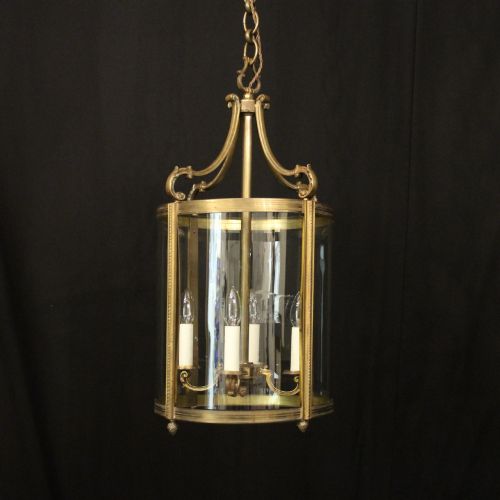
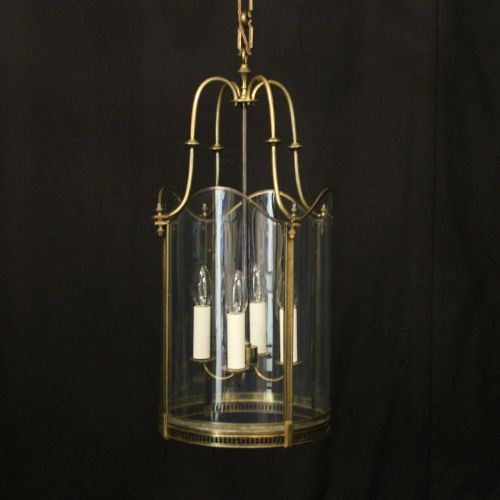
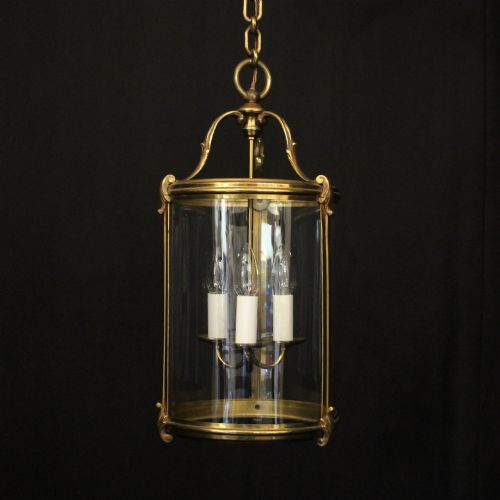
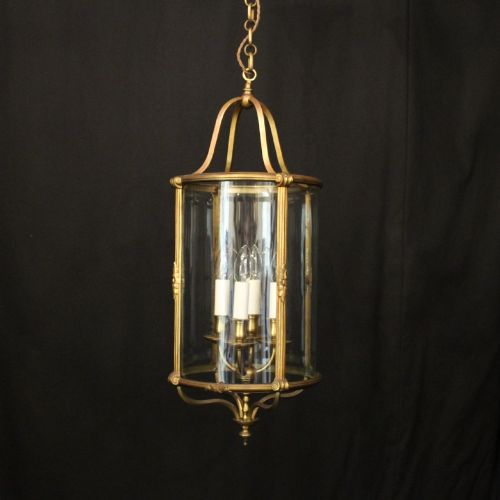
French Hall Pendant
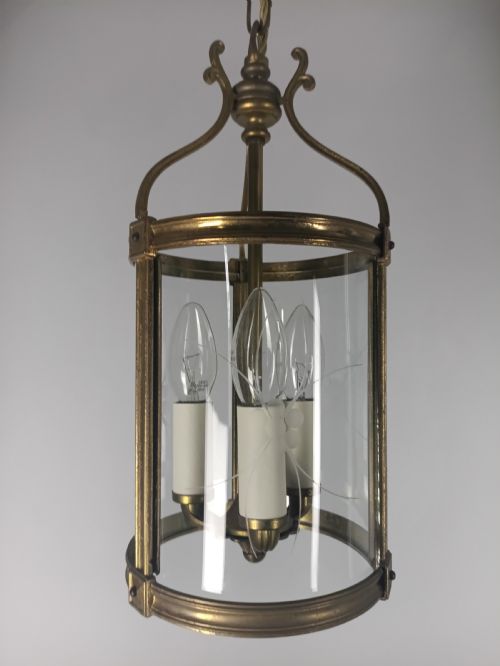
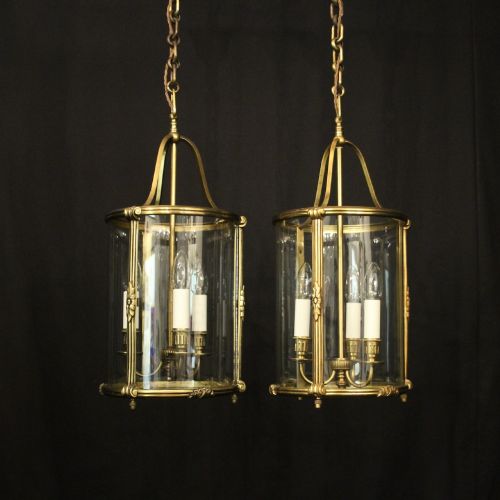
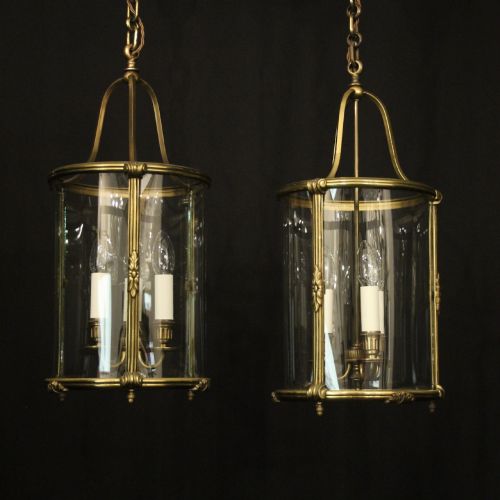
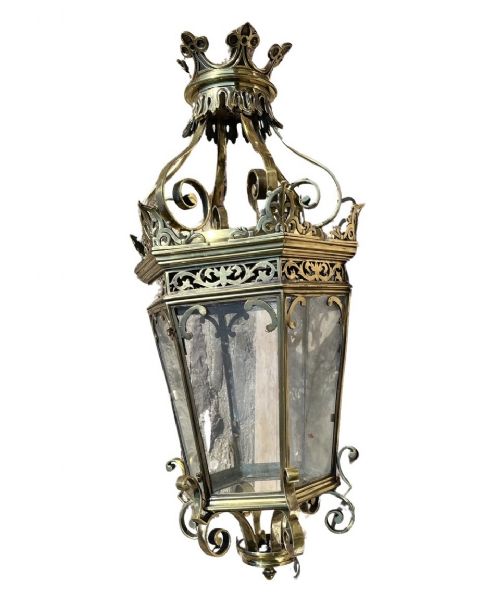
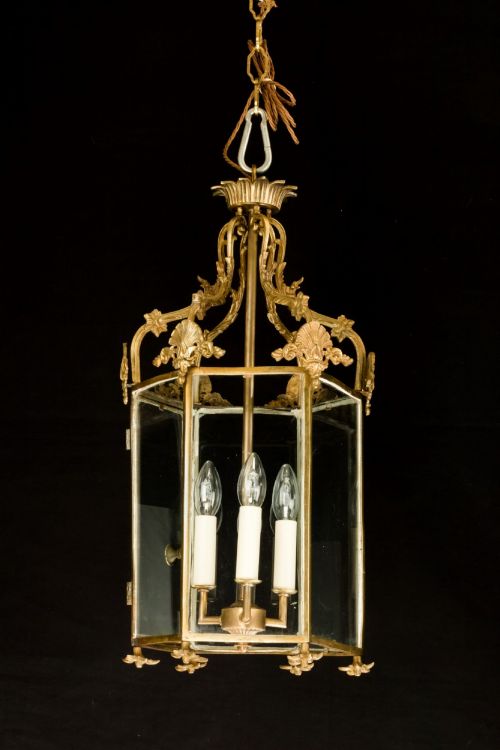
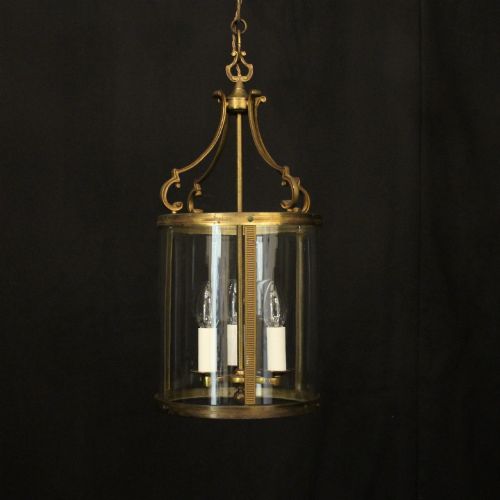
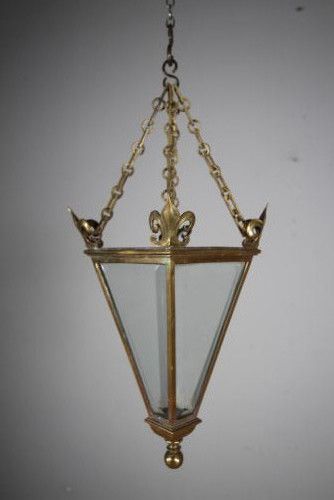
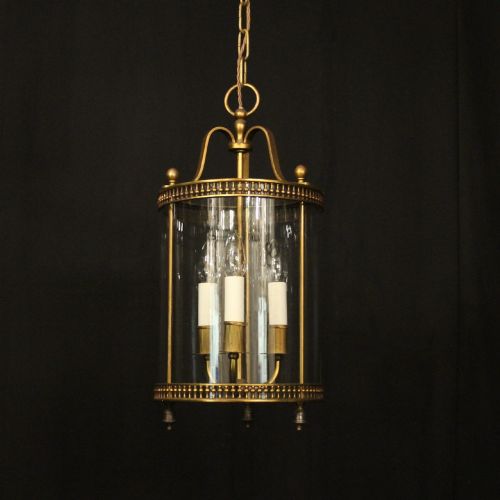
These french hall pendant fixtures bring unmistakable character to a vestibule, combining decorative metalwork and glass to illuminate entryways.
French Hall Pendant
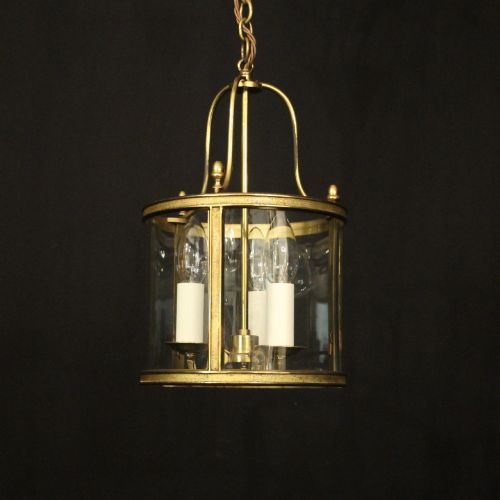
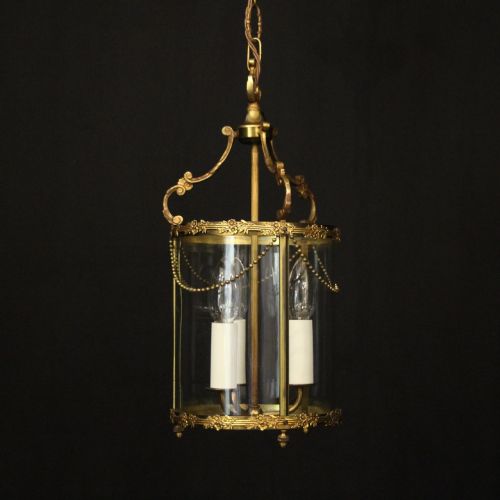
A french hall pendant typically takes the form of a hanging lantern designed to illuminate entrance spaces and narrow corridors. These fixtures suspend from chains or rods, casting light downwards while displaying decorative frames.
The selections on this page span the nineteenth century through the early twentieth century, encompassing periods such as the Victorian era and the nineteen-twenties. Common styles include French neoclassical, rococo, and chateau designs.
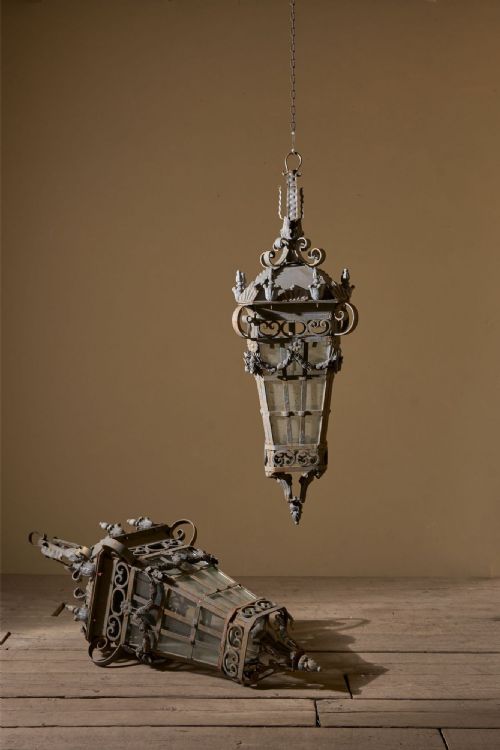
Most examples function as single or multi-light lanterns enclosed in glass panels. Brass, bronze, and wrought iron dominate the structural forms found in these listings.
How they were made
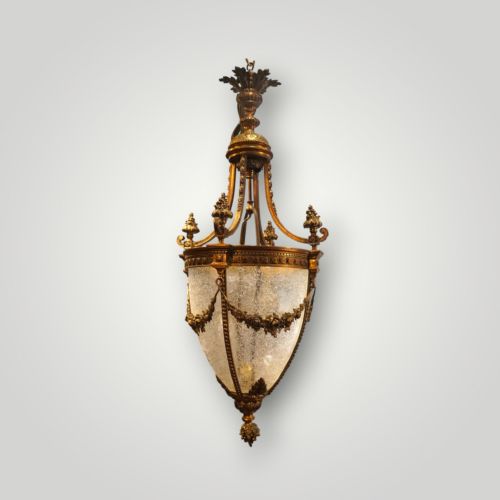
Metalwork forms the backbone of these pieces, utilising cast brass, gilt bronze, and wrought iron shaped by hand. Founders and smiths chased surface details and applied mercury gilding or lacquer to achieve lasting metallic lustre.
Glass panels fitted into the metal frames require precision cutting, ranging from simple flat panes to complex convex and bevelled shapes. Etched or moulded glass details further diffuse the light within the lantern body.
Some lanterns feature opening doors to ease bulb replacement, proving that historic lighting designers understood everyday domestic practicalities.
What varies in quality
The depth and crispness of the bronze or brass casting distinguish superior examples from plain production pieces. Finer lanterns exhibit hand-finished chased ornamentation on the metal mounts rather than flat, machine-stamped surfaces.
Glass quality also dictates the tier of the piece, with thick bevelled or convex panes representing higher craftsmanship than standard thin glass. Original gilding intact on bronze frames elevates the historical integrity of the fixture.
Perry And Co
The French Hall Pendant Glossary
- Convex glass
- Curved glass panels that project outward to soften and magnify internal illumination. This technique adds considerable depth to the profile of a hall lantern.
- Gilt bronze
- Bronze metal treated with a thin layer of gold or gold-coloured alloy to give a rich, reflective finish. It is frequently seen on high-status nineteenth-century French lighting.
- Bevelled glass
- Glass panes with angled edges cut around the perimeter to catch and refract light. This adds a decorative sparkle when the internal bulbs are lit.
- Opaline glass
- A dense, milk-white translucent glass popular in Victorian lighting. It diffuses light into a soft glow without harsh glares.
French Hall Pendant: Frequently Asked Questions
How do I hang a hall lantern?
Suspension typically relies on a matching ceiling rose, chain, and hook system. Ensure the weight of the metal and glass is properly anchored into ceiling joists.
Professional electrical installation is recommended to safely secure antique wiring and heavy bronze frames.
How do I clean antique brass?
Dust gently with a dry, soft cloth to preserve any patination or original lacquer. Avoid harsh chemical polishes that strip historical surface finishes.
Glass panels can be removed carefully and cleaned with standard glass cleaner.
Are these lights wired for modern use?
Most antique lanterns are adapted for modern electrical standards over time. It remains wise to have an electrician inspect the internal lamp holders.
Rewiring ensures compliance with current safety regulations while keeping the exterior aesthetic intact.