

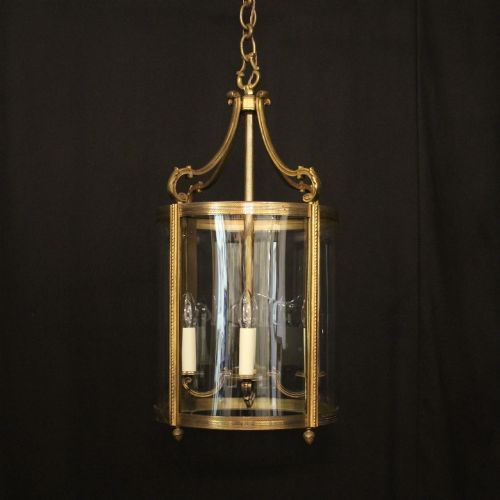
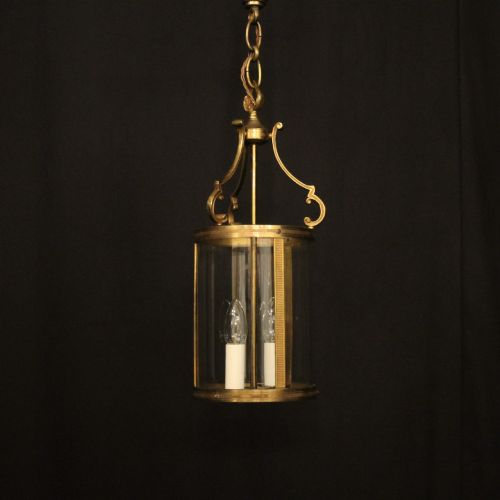
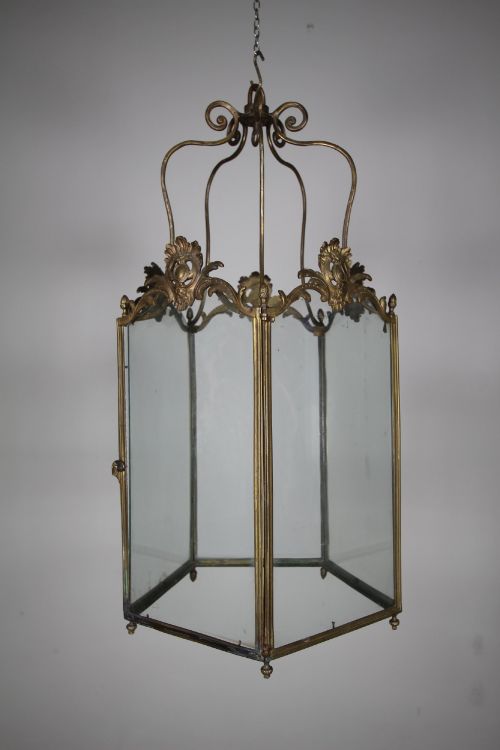
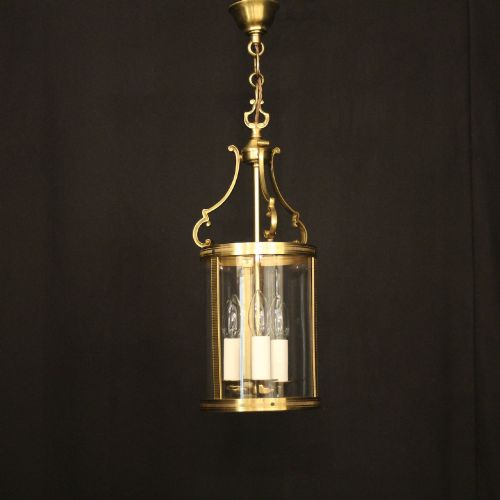
French Hall Lantern Light
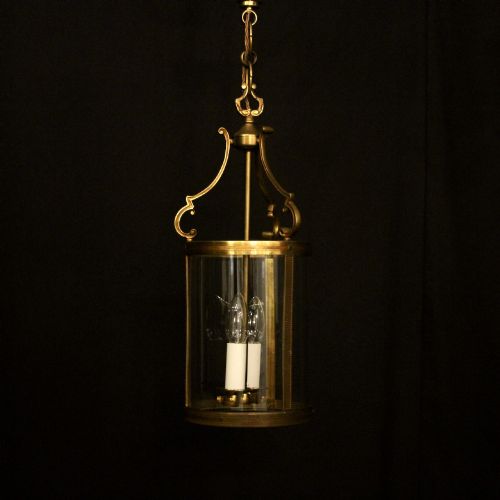
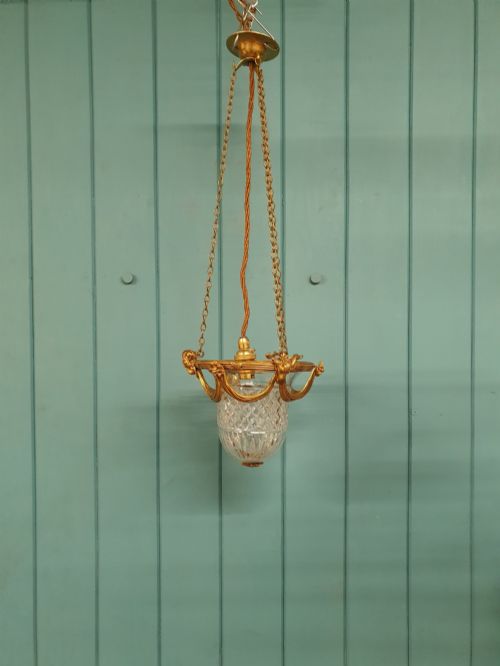
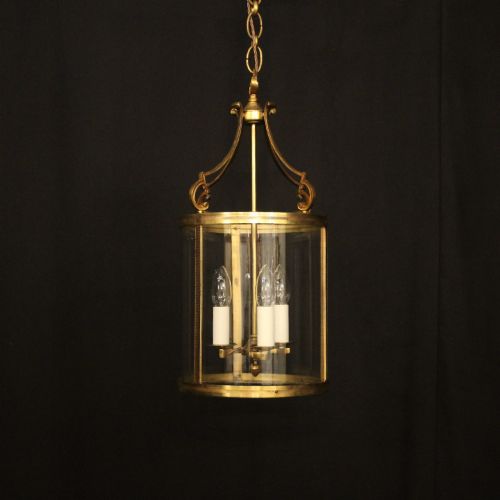
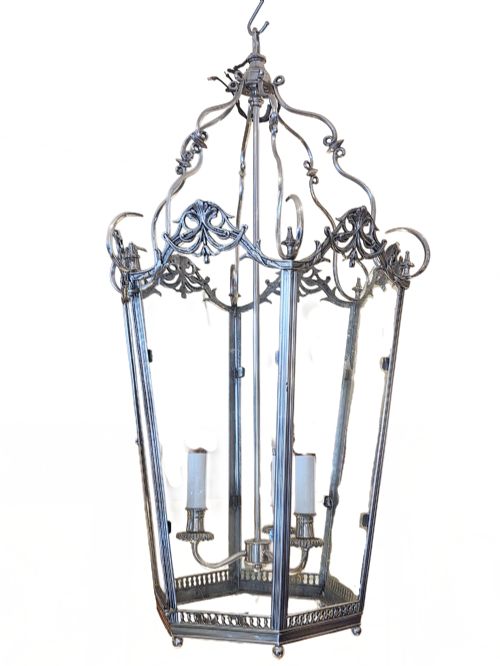
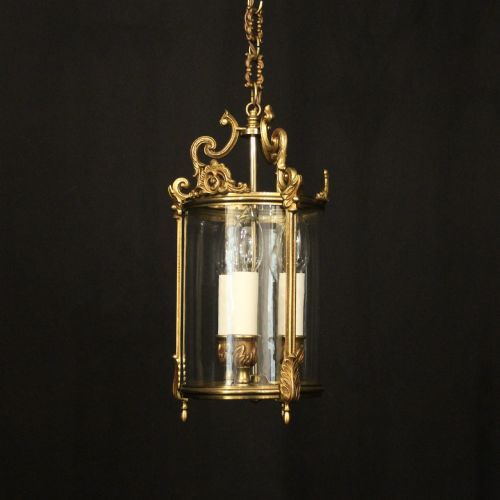
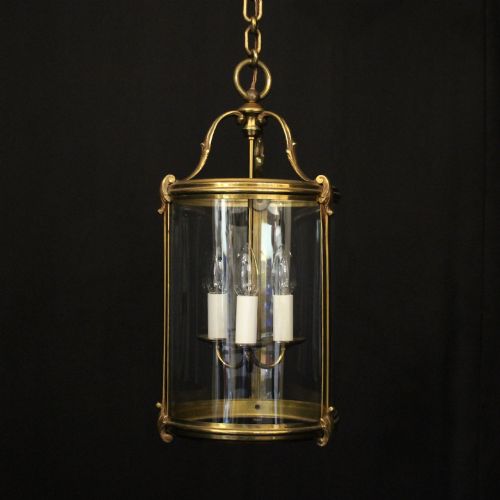
A french hall lantern light brings character and illumination to an entryway, combining metal frames with glass panels.
French Hall Lantern Light
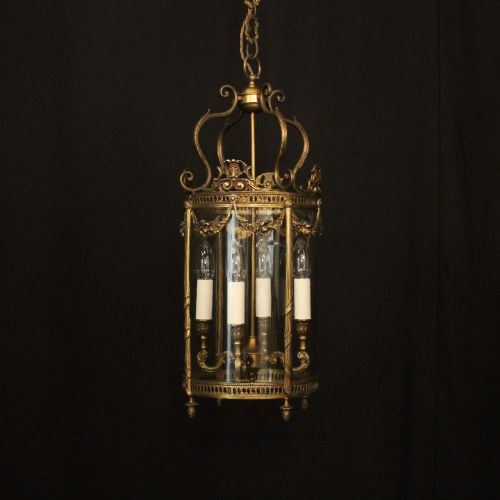
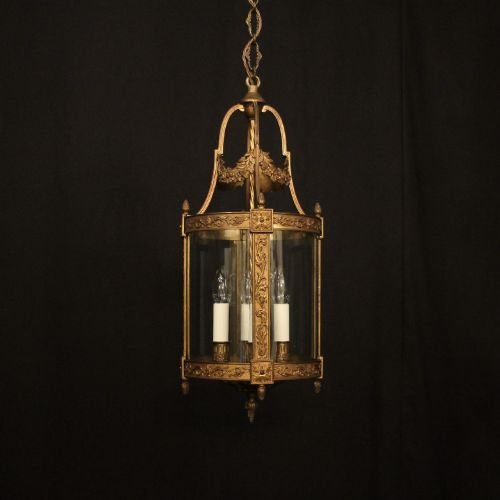
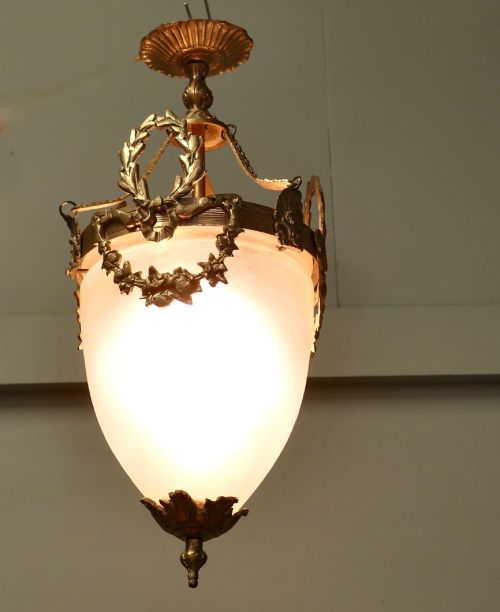
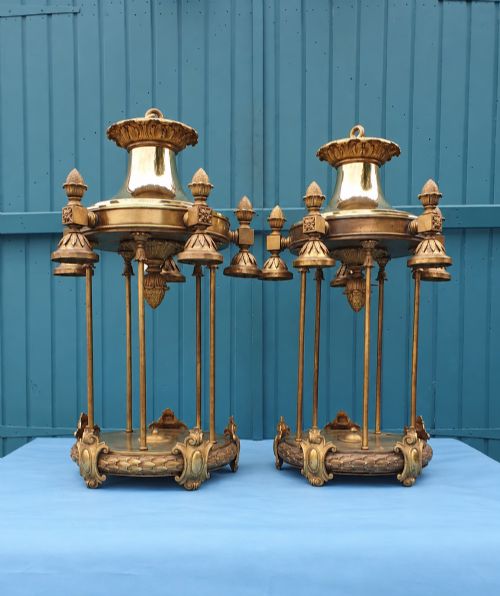
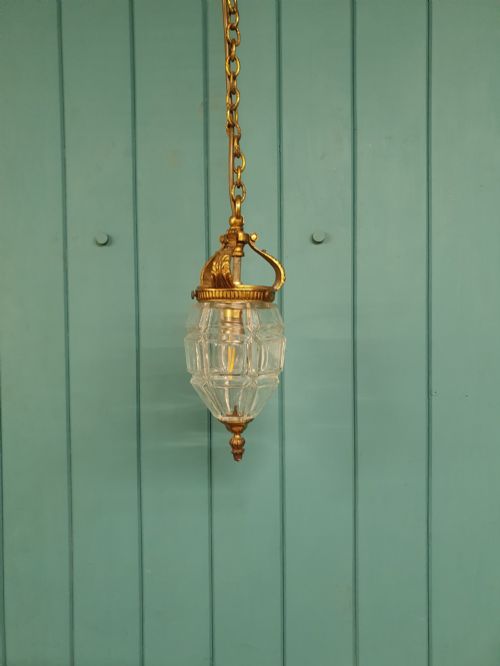
A french hall lantern light serves as an overhead hanging fixture designed primarily for corridors, vestibules, and entrance spaces. These pieces appear in forms ranging from compact hanging cylinders to oversized architectural statements.
The selection on this page draws heavily from the nineteenth century through the early decades of the twentieth century. Examples span styles such as French Louis XVI, Neoclassical, and Rococo Revival, alongside Edwardian interpretations.
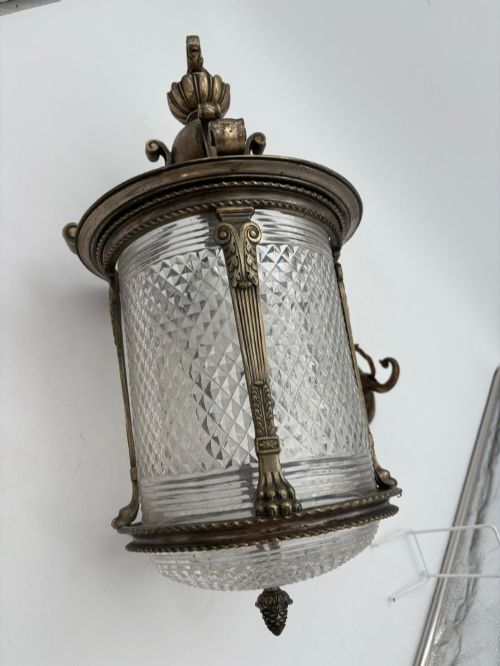
Buyers frequently encounter brass, gilt bronze, and silvered bronze frameworks fitted with convex, moulded, or cut glass panels. Many designs incorporate multiple internal lights to cast bright illumination across narrow reception areas.
Materials and Construction
Metalworking forms the structural backbone of these fixtures, utilising cast brass, bronze, gilt bronze, and occasionally iron or zinc. Metal components are shaped into frames, decorative mounts, and hinged doors that secure the internal glass.
Glass elements are central to the design, appearing as heavy convex panels, moulded panes, or cut glass that diffuses the internal bulb light. Metal finishes range from polished brass to parcel gilt and silvered bronze treatments.
French Hall Lantern Light Retail Price Guide 2026
Typical asking prices for french hall lantern light among the pieces listed under this phrase on Sellingantiques today, from the lower quarter to the upper quarter. They describe what is for sale here now, not the wider market.
Current listings feature pieces spanning the nineteenth century through the Edwardian era, constructed from brass, bronze, and glass.
Judging Quality
The calibre of casting determines much of the distinction in these lanterns, where sharp detail in the bronze or brass ornamentation separates finer pieces from simpler commercial output. Heavier gauge metals and crisp relief work indicate superior workshop standards.
Glass selection also marks the grade of a fixture, with thick convex or heavily bevelled panels representing higher craftsmanship than thin, flat panes. The integrity of the original framing, including hinges and joinery, dictates the overall refinement.
The French Hall Lantern Light Glossary
- Convex glass
- Curved glass panels that project outward to diffuse light across a wider angle. They require specialist manufacturing techniques to achieve the desired rounded profile.
- Gilt bronze
- Bronze metal treated with a thin layer of gold or gold-coloured alloy to produce a bright, enduring surface finish. It is often referred to in historical pieces asormolu.
- Silvered bronze
- Bronze that has been coated with a silver finish to provide a reflective, cooler metallic tone. This treatment was favoured in certain nineteenth-century decorative schemes.
- Tole peinte
- Painted sheet metal used for decorative components and shades. This technique allows for colourful ornamentation on light fixtures.
- Hall lantern
- An enclosed hanging light fixture designed specifically for passageways and entrance halls. They protect the light source from drafts while directing illumination downward.
French Hall Lantern Light: Frequently Asked Questions
Where should I hang a hall lantern?
These fixtures suit entryways, corridors, and high-ceilinged landings where an overhead light point anchors the space. Their enclosed design directs light downward while protecting the bulbs.
Ensure you measure the vertical clearance from the floor to guarantee adequate headroom beneath the hanging drop.
How do I know the period of a lantern?
Dating relies on examining the metal casting techniques, the style of ornamentation, and the type of glass used. Neo-classical and rococo revival motifs point to nineteenth-century origins, while simpler brass frames often date to the early twentieth century.
Component construction, such as hand-threaded screws and heavy gauge brass, provides further clues to age.
Are these lanterns wired for modern electricity?
Most surviving examples have been adapted for contemporary electrical standards during their lifetime. Rewiring allows them to function safely with standard household circuits.
A qualified electrician should inspect any historical wiring before installation to ensure compliance with current regulations.
Can these lights be used outdoors?
The vast majority of these pieces are designed strictly for interior use in hallways and protected reception rooms. Their delicate metal finishes and unsealed glass panels are vulnerable to weather exposure.
Wall lanterns included in some collections may offer more robust construction, but interior placement remains standard.