




French Grand Tour Souvenir
A french grand tour souvenir brings the classical world home, capturing antiquity in miniature bronze and marble for the desk or cabinet.
French Grand Tour Souvenir
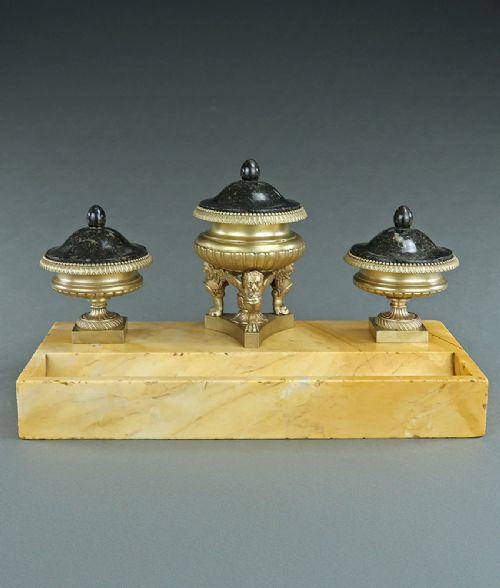
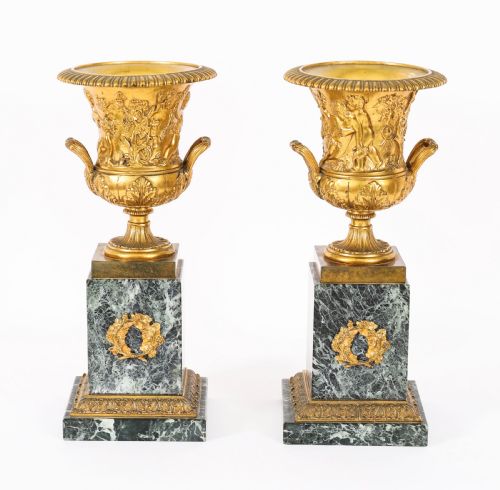
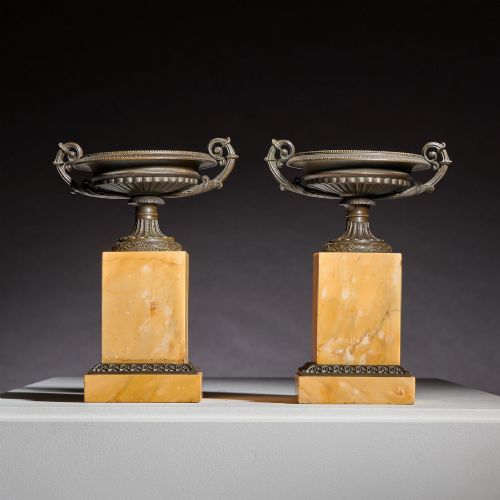
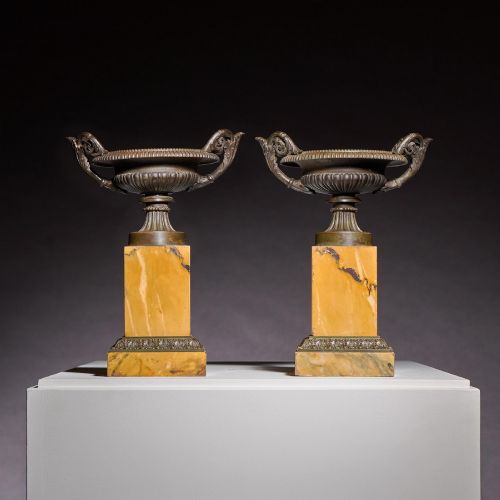
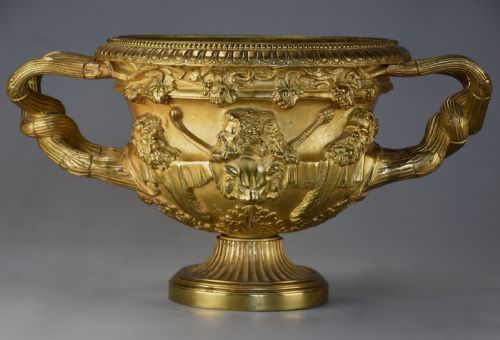
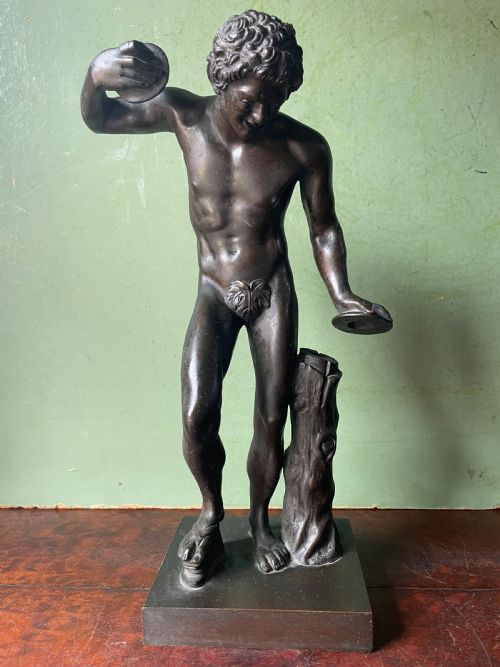
A french grand tour souvenir represents classical sculpture, architecture, and ornamental vases scaled down for travellers returning from Italy. These objects take the form of bronze reductions, inkstands, candelsticks, and pedestal urns.
The most common examples on this page are nineteenth-century bronze sculptures after antique originals, paired with marble plinths or bases. Collectors also encounter desk accessories and decorative urns reflecting neoclassical and french empire tastes.
Materials and manufacture
Foundries cast these bronzes using traditional methods, applying patination or gilt finishes to mimic ancient metalwork. Silvered bronze and ormolu also appear on select pieces.
Workers combined cast bronze with turned marble bases, utilising siena, green, and red varieties alongside white marble. Miniature architectural models and sculptural reductions required precise chasing and finishing.
Listings feature nineteen-century works in bronze, gilt bronze, ormolu, and siena marble, covering forms from candlesticks to architectural columns.
Assessing quality and execution
Quality rests in the crispness of the casting and the depth of the chasing, which separates a spirited reduction from a softer, commercial copy. Details in drapery, hair, and facial expression reveal the skill of the reduction.
The choice and execution of the base matter greatly. Dense, finely figured siena or green marble paired with well-cast ormolu mounts elevates a piece far above simpler mountings.
Mercié·Clodion·Ferdinand Barbedienne foundry
The French Grand Tour Souvenir Glossary
- Reduction
- A scale copy of a larger monument, building, or statue, typically cast in bronze for travellers. These smaller studies allowed collectors to display famous antiquities at home.
- Encrier
- A desk inkstand or inkwell, often fitted with compartments for pens and sanders. In grand tour pieces, these combine bronze work with marble bases.
- Ormolu
- Gilt bronze produced by applying a mercury-gilding mixture to cast bronze. This finish gives a rich, golden lustre to mounts and decorative details.
- Cassolette
- A decorative vase with a removable or reversible lid, often designed to serve as a burner for perfumes or simply as an ornamental urn. They frequently feature in pairs on marble plinths.
- Patination
- The surface coloration of bronze achieved through chemical treatment or natural ageing. Variations range from deep brown patinas to bright gilt and silvered surfaces.
French Grand Tour Souvenir: Frequently Asked Questions
What is a grand tour souvenir?
A french grand tour souvenir is a miniature bronze or marble reproduction of a famous classical sculpture or monument, purchased by travellers in the nineteenth century.
These pieces served as physical memories of educational journeys through Italy and France, designed for display in private libraries and studies.
How were these objects used?
Many grand tour objects served a dual purpose as decorative sculptures and functional desk accessories like inkstands and candlesticks.
Larger reductions of vases and statues stood on mantelpieces or pedestals, while smaller models sat upon writing tables alongside architectural columns.
How do I identify the subject?
Subjects typically derive from ancient mythology, classical statues, or Roman architecture, such as the Venus de Milo, the Warwick Vase, or the Vendome Column.
Inscribed titles or distinct foundry marks often help identify the specific monument or sculpture being represented.
Are all pieces made of bronze?
While bronze is the primary metal used for the figural studies and vases, materials vary across different components.
Foundries frequently combined bronze with ormolu, silvered bronze, and various coloured marbles including siena, green, and red.