




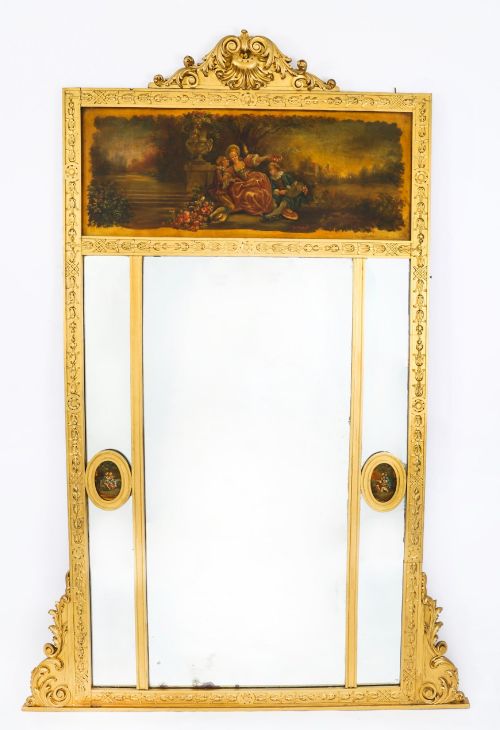
French Gold Frame
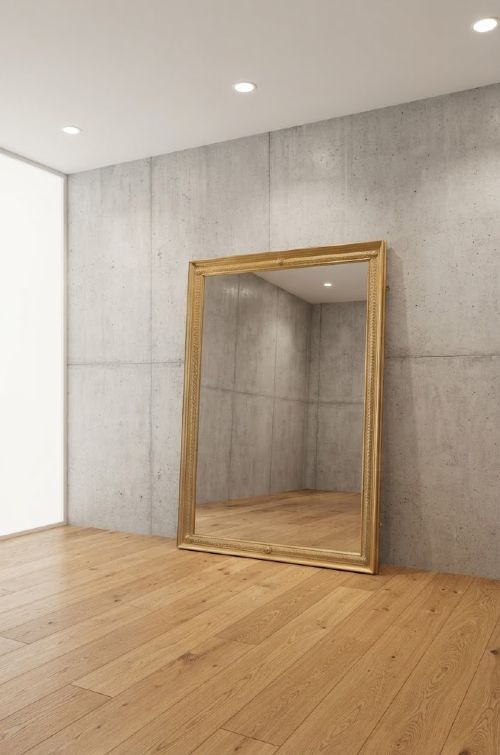
A french gold frame brings warmth and reflective depth to a room through carved wood, gesso, and burnished metal leaf.
French Gold Frame
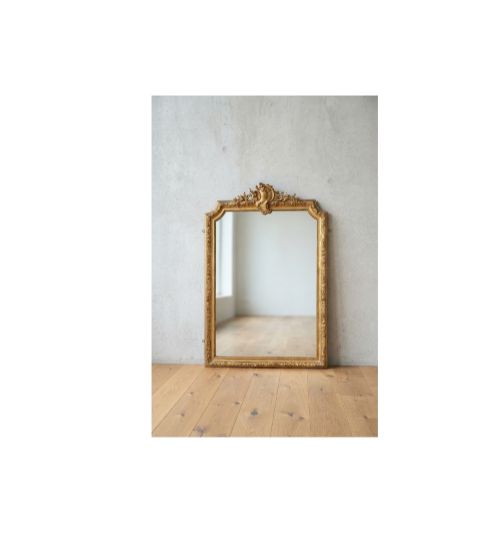
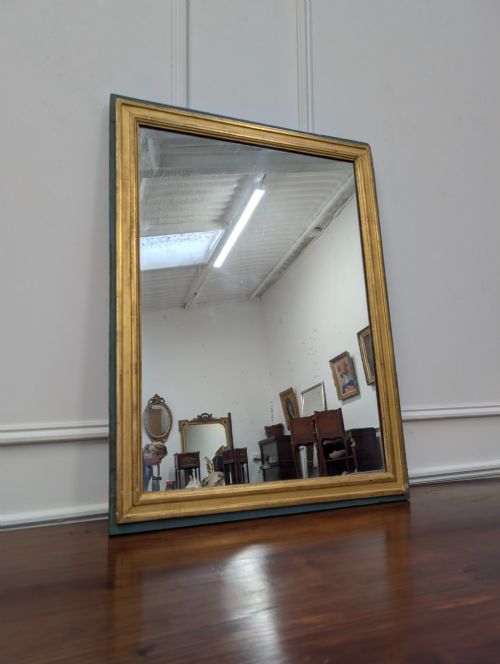
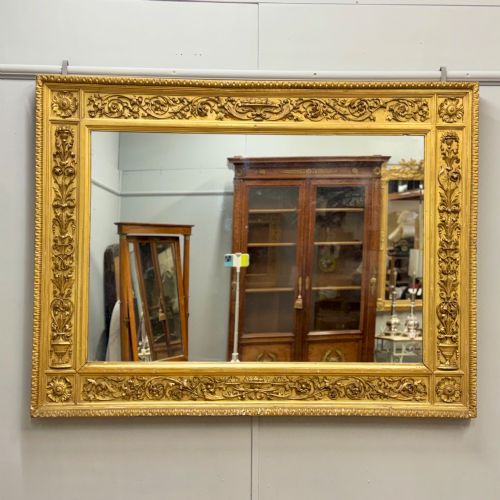
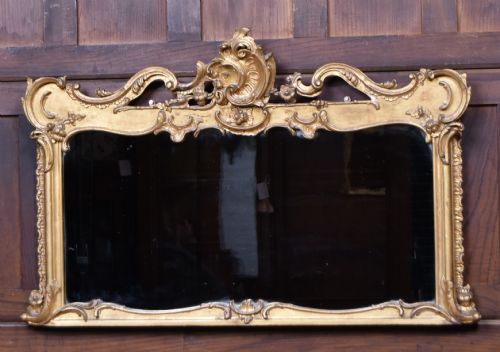
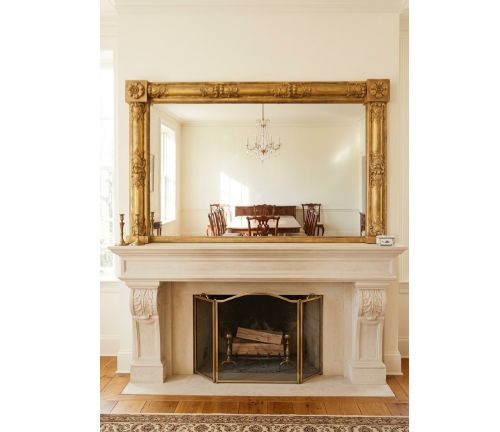
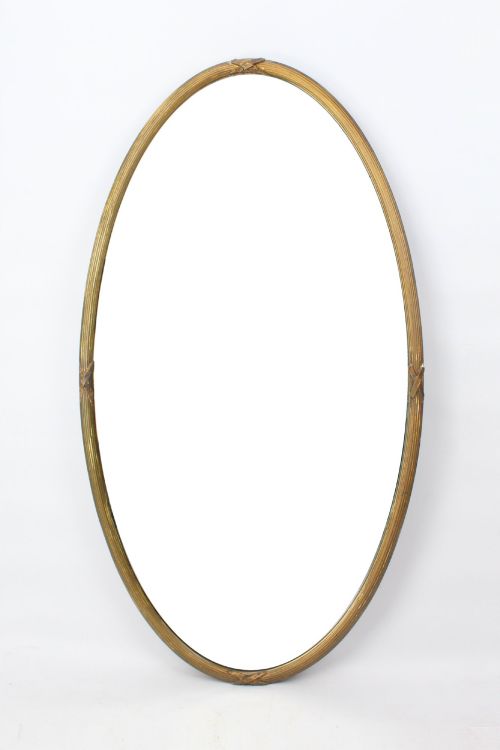
A french gold frame encompasses large overmantel mirrors, tall wall glasses, oil paintings, and open armchairs spanning the eighteenth and nineteenth centuries. The listings show a heavy concentration of nineteenth-century wall and overmantel mirrors alongside period portraits on canvas.
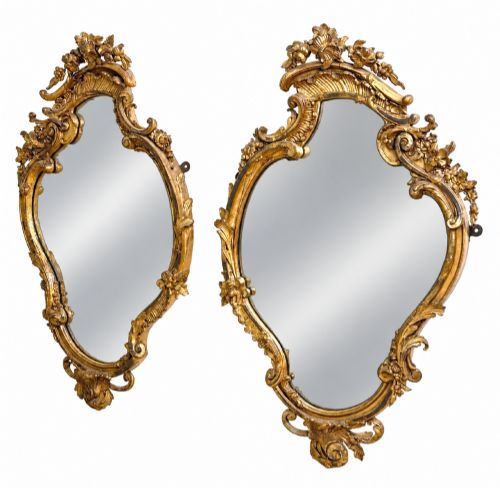
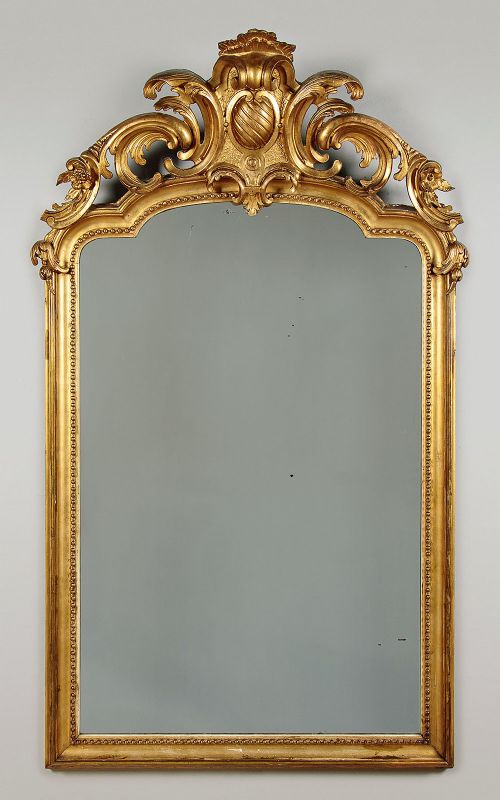
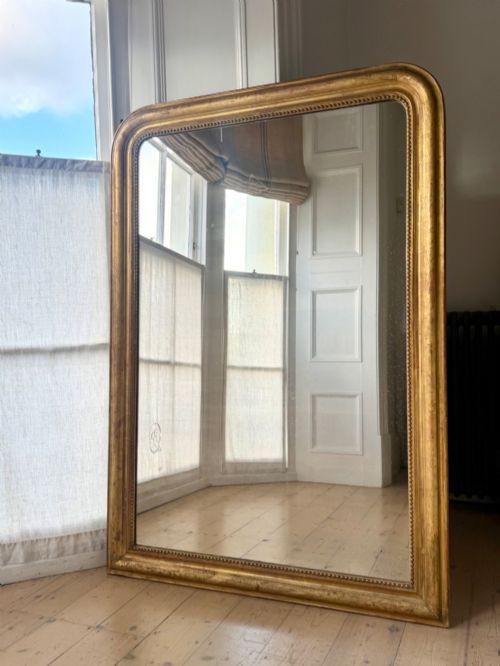
Makers and workshops adopt classical idioms including Louis Philippe, Rococo, Baroque, and Louis XVI styles. Buyers encounter ornate arched crests, rectangular shapes, and carved wooden armchairs finished in bright or softened metal leaf.
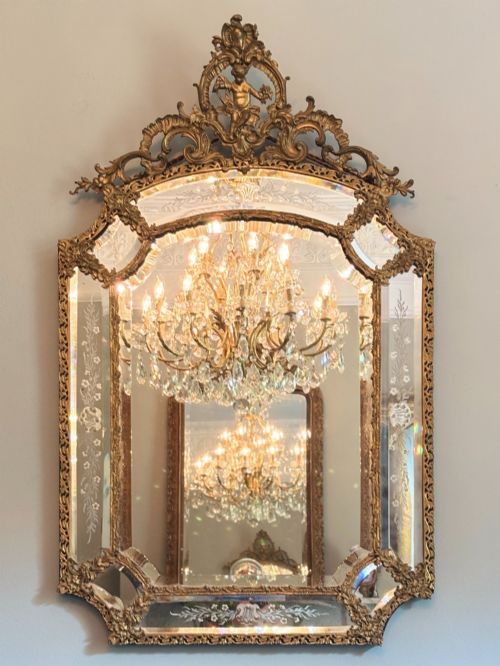
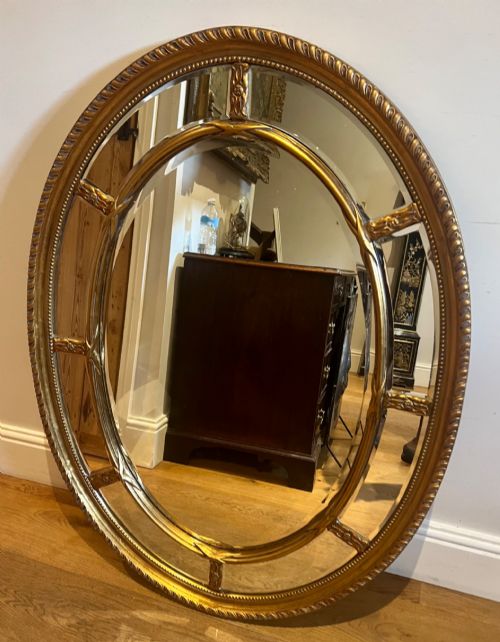
Mirrors dominate the selection, appearing with bevelled plates, foxed mercury glass, or eglomise panels. Alongside these glass pieces, oil paintings set in deep fluted hollow frames provide alternative examples of the craft.
How they were made
Carpenters carve structural frames from wood, building up decorative motifs using layers of gesso applied over the timber base. Artisans then lay gold leaf or apply water gilding techniques to the prepared surfaces.
Makers finish the metallic leaf by burnishing to achieve varied sheens, while some pieces retain bare gesso or etched glass details. Canvas works employ oil paint set within deep giltwood and gesso hollow picture frames.
French Gold Frame Retail Price Guide 2026
Typical asking prices for french gold frame among the pieces listed under this phrase on Sellingantiques today, from the lower quarter to the upper quarter. They describe what is for sale here now, not the wider market.
Listings feature items from the eighteenth, nineteenth, and early twentieth centuries, including Victorian and Regency eras.
What varies in quality
Depth and crispness of the wood carving separate standard items from superior examples. Skilled hands produce deeply undercut foliage, scrolls, and elaborate crests that retain sharp definition beneath the gilding.
The refinement of the surface preparation dictates how well the gold leaf catches light. Superior pieces employ careful water gilding and burnishing on smooth gesso grounds, whereas lesser items show coarser application.
Arsène Rochette of Versailles
The French Gold Frame Glossary
- Giltwood
- Wood that has been coated with gold leaf. This material forms the primary structure for many ornate mirrors and picture surrounds.
- Gesso
- A plaster mixture applied to wood frames to create a smooth surface for gilding. Artisans carve fine details directly into this dried preparation.
- Overmantel mirror
- A large glass designed to hang above a fireplace mantel. These pieces frequently feature arched tops and elaborate crests.
- Louis Philippe
- A mid-nineteenth-century French style characterised by restrained curves and simple rectangular proportions. It marks a transition away from heavier Baroque excesses.
- Eglomise
- Glass decorated by applying gold or silver leaf to the reverse side before engraving designs. This technique adds ornamental borders to mirrors.
French Gold Frame: Frequently Asked Questions
How do I clean a gilt frame?
Dust surfaces gently with a soft dry brush to remove particles without disturbing the fragile metallic leaf.
Avoid liquid cleaners, water, and chemical sprays, which strip historic gilding from the gesso and wood beneath.
What is mercury glass?
Mercury glass refers to historic mirror plates manufactured using a silver and mercury amalgam behind the glass.
Over time, this material develops dark spots and foxing, creating the characteristic mottled reflection seen on nineteenth-century pieces.
Where should I hang an overmantel mirror?
These large glasses hang traditionally above a fireplace mantel to reflect light and anchor the room's proportions.
Secure heavy wooden frames directly into wall studs using appropriate fixings to support the substantial weight.
How do I identify a Louis Philippe frame?
Louis Philippe mirrors display simple rectangular shapes, often with gently rounded top corners and minimal carved ornament.
This style relies on clean architectural lines rather than the exuberant scrolls found in Rococo pieces.