




French Gold Charm
When gathering a french gold charm, you acquire a miniature work of gold and enamel that carries devotional imagery, personal sentiment, or astrological signs from the late nineteenth and early twentieth centuries.
French Gold Charm
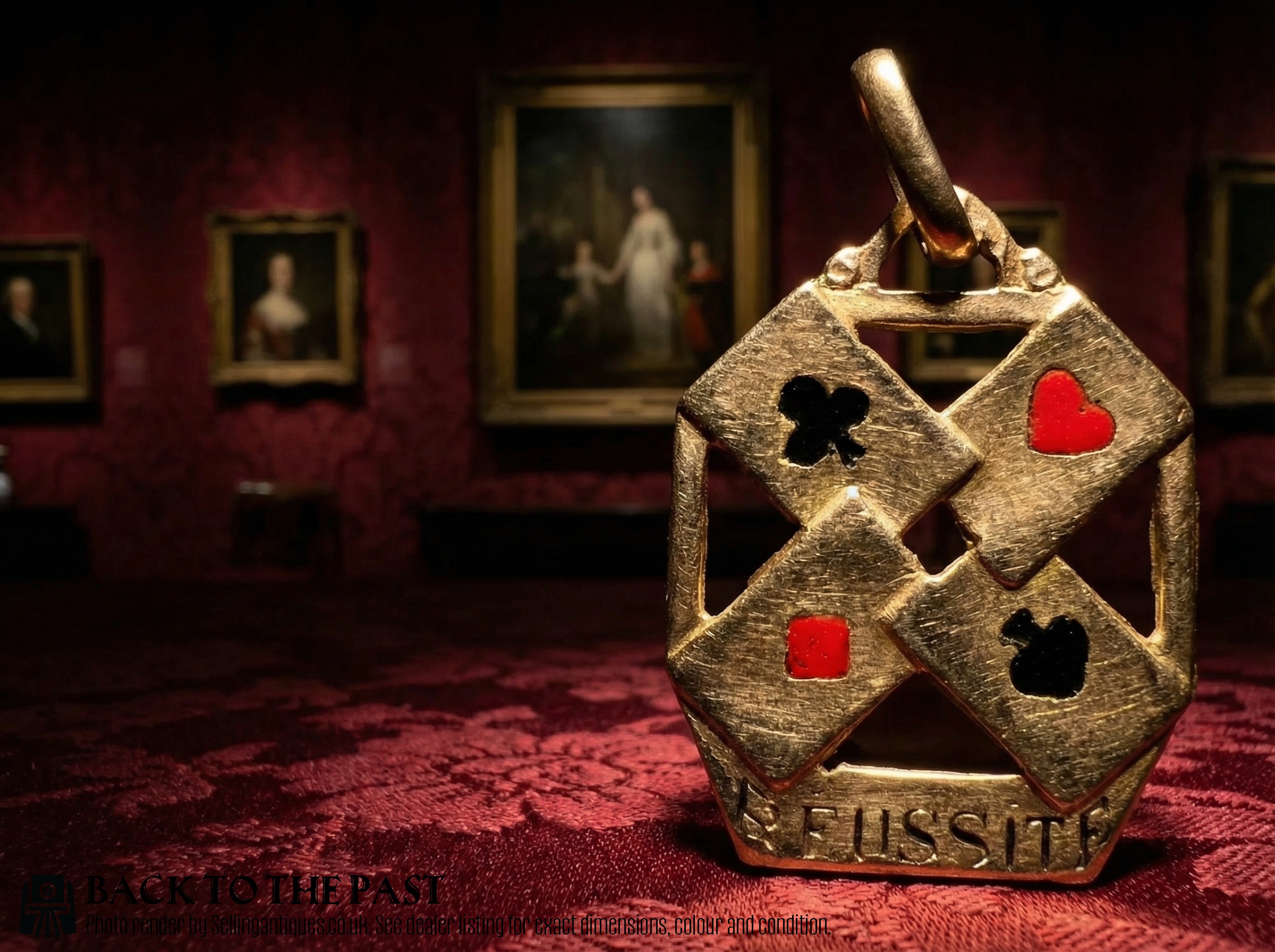
A french gold charm typically takes the form of a small pendant, devotional medal, or miniature mechanical token designed to suspend from a bracelet or chain. These pieces often originate from the Belle Epoque, Art Nouveau, and Art Deco periods, capturing the intricate metalwork and cultural motifs of those eras.
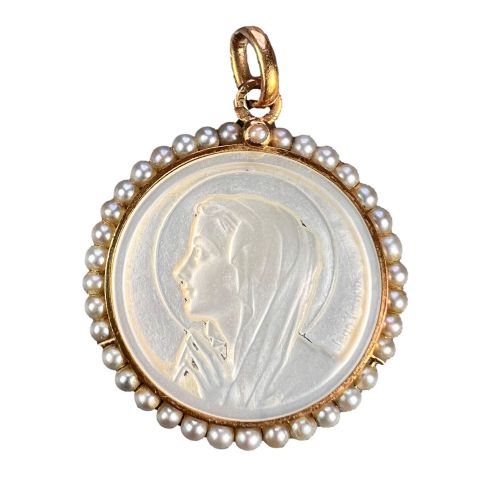
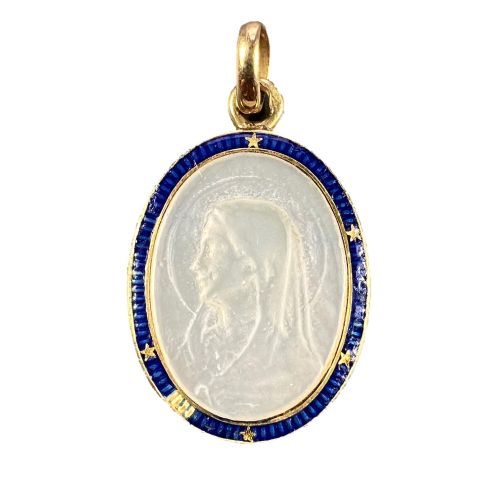
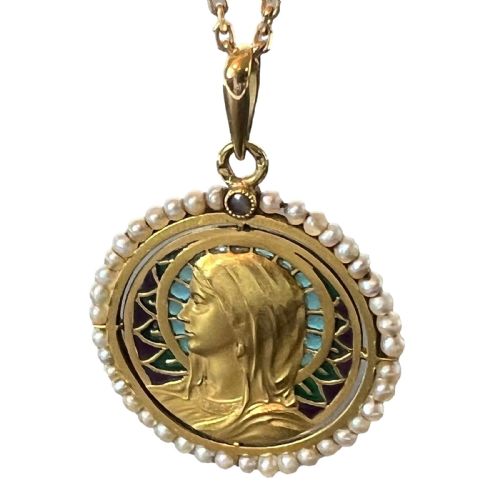
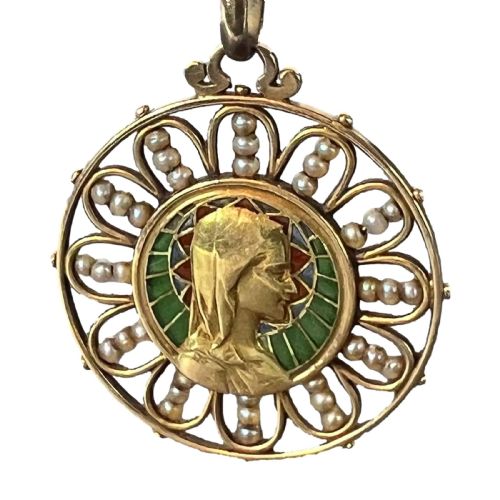
The most common examples encountered in collections are religious medals depicting the Virgin Mary, Madonna and Child, or patron saints, alongside sentimental love tokens and zodiac star signs. Many bear the hallmarks and signatures of notable Parisian medallists and workshops from the late nineteenth and early twentieth centuries.
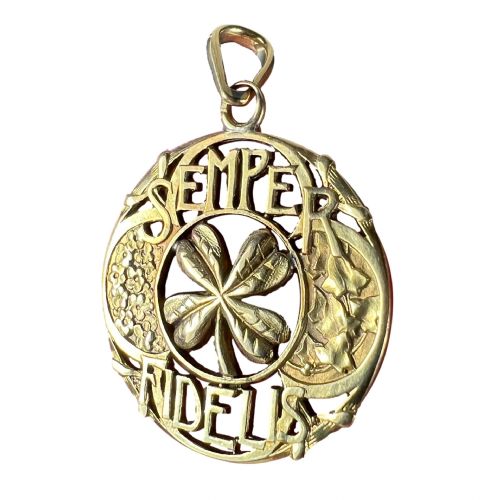
Beyond religious iconography, the category encompasses whimsical mechanical charms, lucky clover motifs, and floral wreaths executed in warm yellow or rose gold. These objects served as personal talismans, commemorative gifts, or expressions of romantic devotion.
How They Were Made
The foundation of these pieces rests on high-purity yellow and rose gold, predominantly eighteen carat, shaped through casting, stamping, and delicate wirework. Goldsmiths frequently employed twisted wire frames and filigree borders to edge the central medallions.
Colour is introduced through vitreous enamel techniques, including translucent plique-a-jour that lets light pass through the design like stained glass, alongside opaque red or blue infills. Artisans also integrated mother of pearl plaques, glass elements, and occasional small gemstones such as rubies or diamonds to accent the gold relief.
French Gold Charm Retail Price Guide 2026
Typical asking prices for french gold charm among the pieces listed under this phrase on Sellingantiques today, from the lower quarter to the upper quarter. They describe what is for sale here now, not the wider market.
The archival pieces and current selections span the Georgian, Victorian, Edwardian, and Art Deco periods.
What Varies in Quality
Quality in these miniature works depends heavily on the crispness of the medallist's strike and the depth of the sculptural relief. Superior pieces display finely rendered facial expressions and legible lettering signed by recognised artists, whereas lesser examples show softer details and shallower stamping.
The integrity of the enamel work dictates the upper tier of the range, with intact plique-a-jour or layered polychrome fields commanding greater interest. Furthermore, the presence of legible French eagle head hallmarks provides assurance of the gold standard and adds historical context to the piece.
Emile Monier·Paul Brandt·Perroud·Mazzoni·Guilbert·Vernon·Sellier·Rasumny·Augis·Tricard·Becker·Oscar Roty·Pageli Perriat·Dropsy
The French Gold Charm Glossary
- Plique-a-jour
- An enamelling technique where the enamel is applied without a backing metal, creating a translucent, stained-glass effect. Light passes directly through the coloured vitreous areas.
- Medal
- A flat or slightly domed metallic token bearing a stamped image or inscription, often pierced with a suspension loop for wear as a pendant. These were issued for religious, civic, or commemorative purposes.
- Hallmark
- An official stamp applied to precious metals to indicate purity and origin. French pieces commonly use the eagle head mark for eighteen carat gold.
- Chatelaine
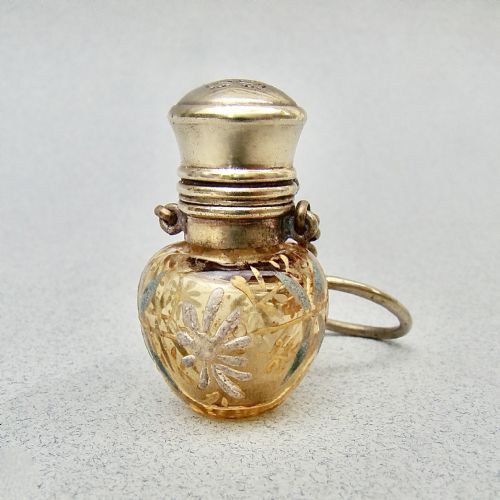
- A decorative belt hook worn with suspended utilitarian items such as scent bottles, keys, or sewing tools. They served both ornamental and practical functions in historical dress.
- Witch's heart
- A pendant shaped with an asymmetrical, twisted heart curve, historically associated with romantic love and protection against malevolent forces. They frequently appear set with gemstones or engraved gold.
French Gold Charm: Frequently Asked Questions
What is a french gold charm?
A french gold charm is a small pendant or medal fashioned from high-purity gold, often featuring detailed relief work, enamel, or sentimental inscriptions. They were produced in large numbers during the nineteenth and early twentieth centuries.
These pieces were designed to be worn on charm bracelets, chatelaines, or necklaces as personal expressions of faith, luck, or affection.
How can I date my charm?
Dating relies on stylistic markers such as Art Nouveau curves or Art Deco geometric forms, alongside stamped assay marks. French gold typically carries small guarantee marks that identify the purity and sometimes the workshop.
Comparing the signature of the medallist to known active periods provides a narrower timeframe, usually placing pieces within the late nineteenth or early twentieth centuries.
What do the religious medals signify?
Religious medals depict figures like the Virgin Mary, Saint Christopher, or the Madonna and Child to offer protection, invoke a patron saint, or commemorate a sacrament. They served as daily devotional objects for the wearer.
Inscriptions such as Semper Fidelis or specific Marian prayers reinforce the spiritual purpose of the pendant.
Are these charms solid gold?
The vast majority of these pieces are fabricated from eighteen carat yellow or rose gold, though occasional examples use higher purities. French manufacturing standards of the period required strict adherence to gold content.
Assay marks stamped directly onto the suspension ring or edge of the medal confirm the metal standard used by the maker.
How do I care for antique enamel charms?
Enamel requires gentle handling because sudden impacts or harsh cleaning agents can crack or chip the glass paste. Store them individually to prevent scratching against other jewellery.
Clean them only with a soft, dry cloth rather than chemical dips or ultrasonic machines, which can damage softer stones or enamel infill.