
French Glass Jewellery
When you collect french glass jewellery, you hold small works of wearable art and decorative caskets spanning the nineteenth and twentieth centuries.
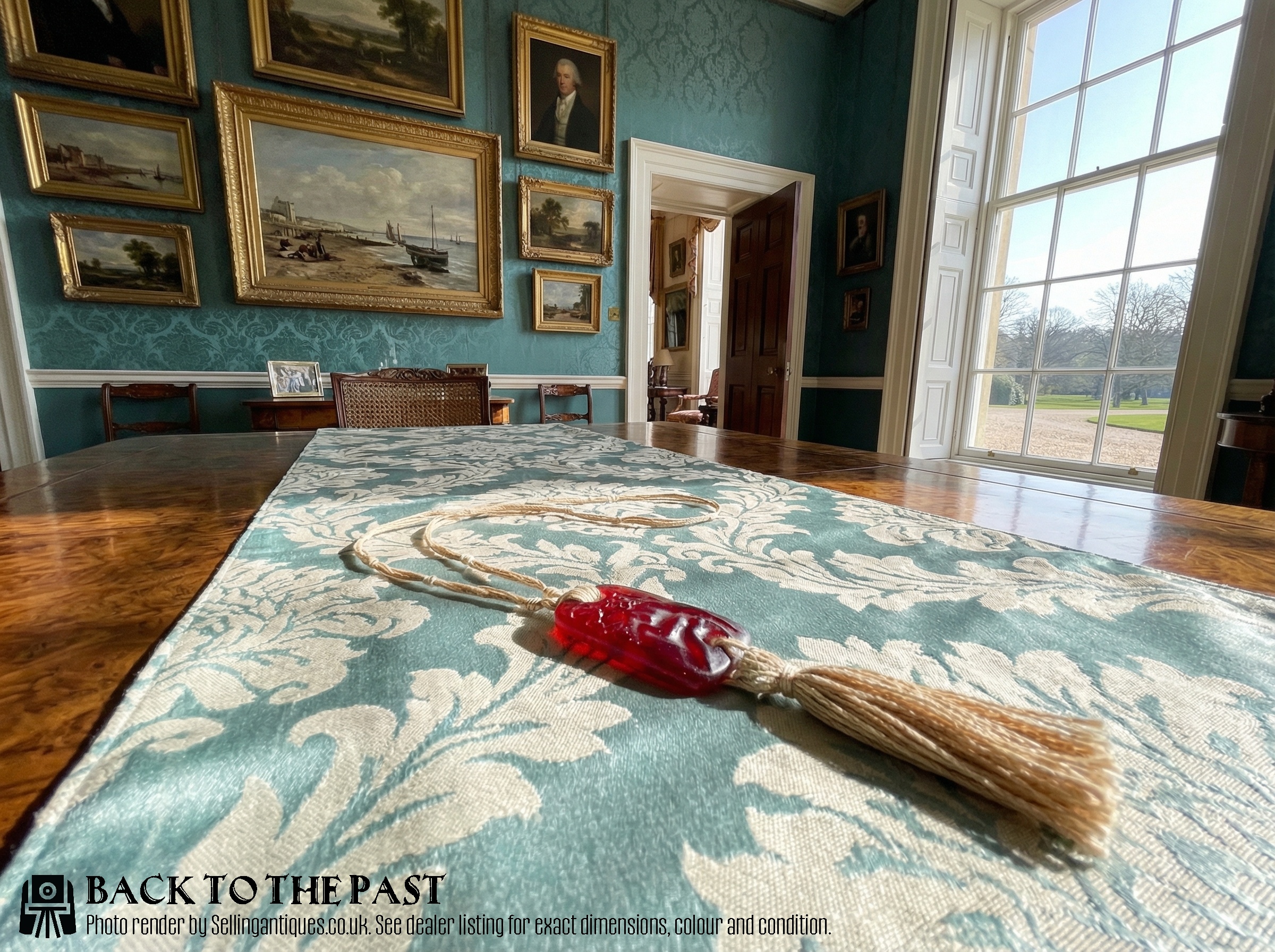
French Glass Jewellery
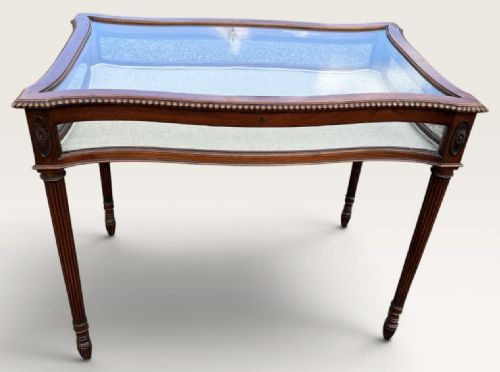
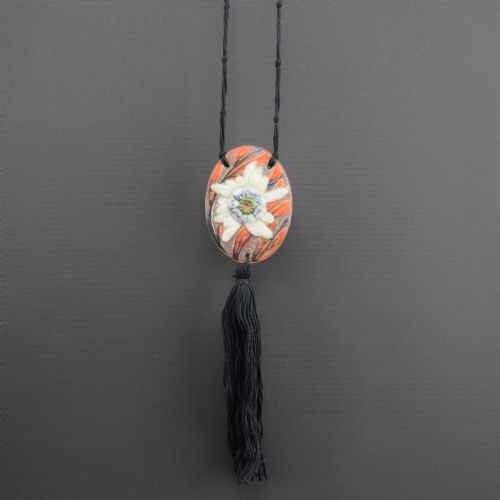
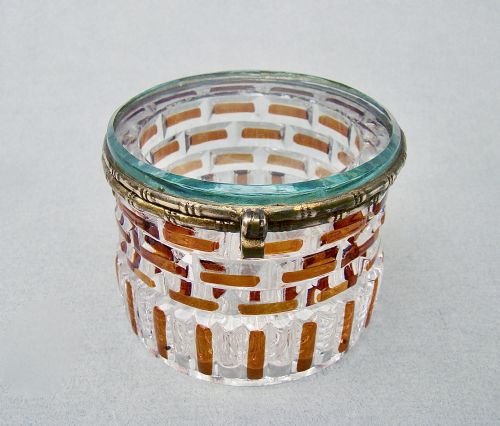
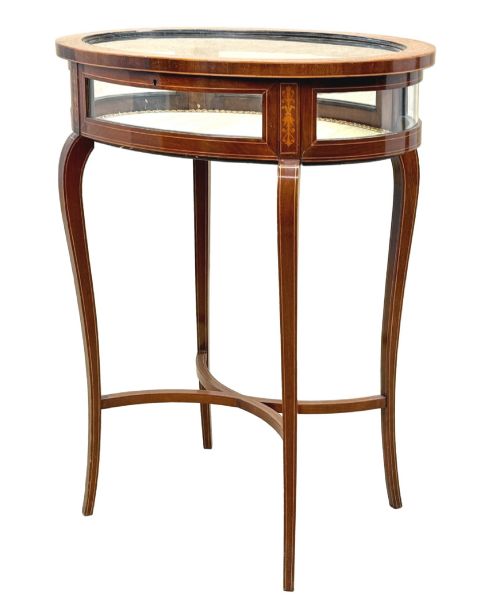
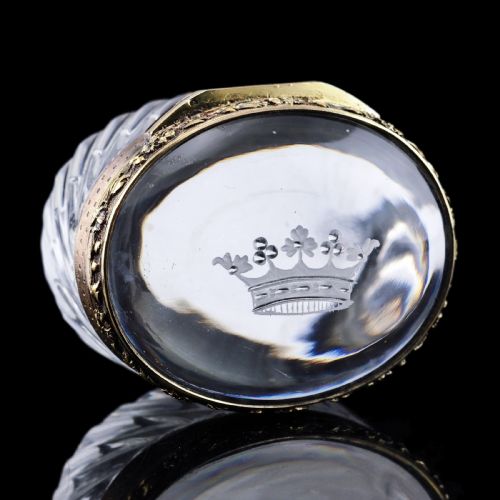
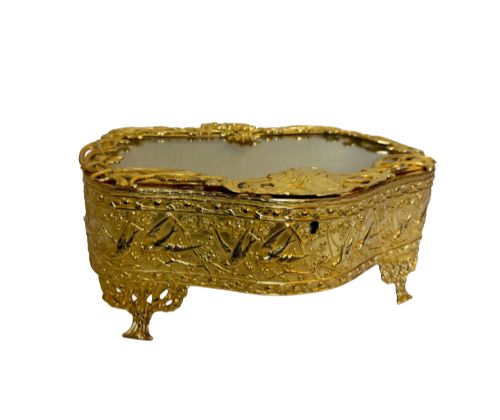
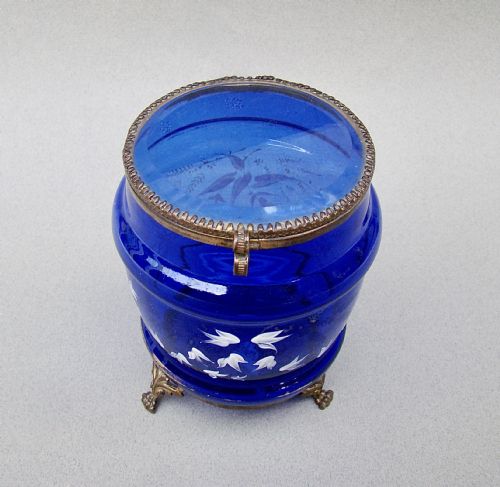
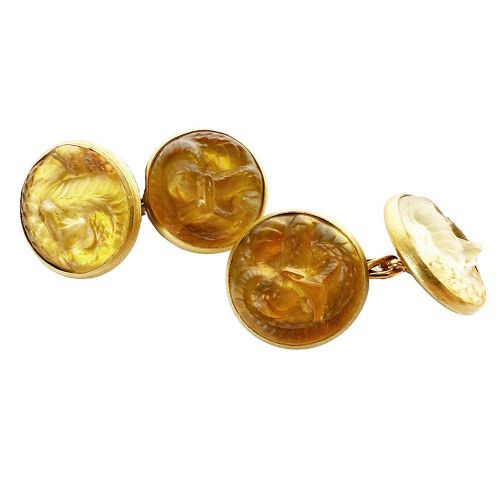
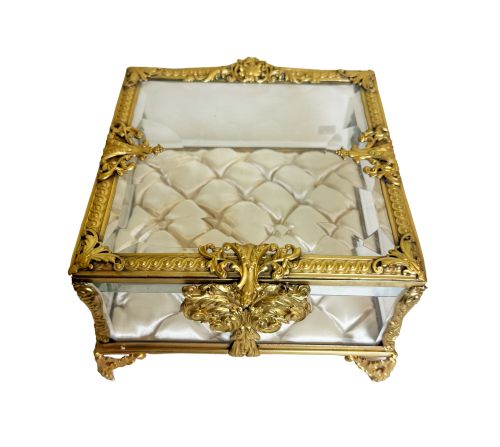
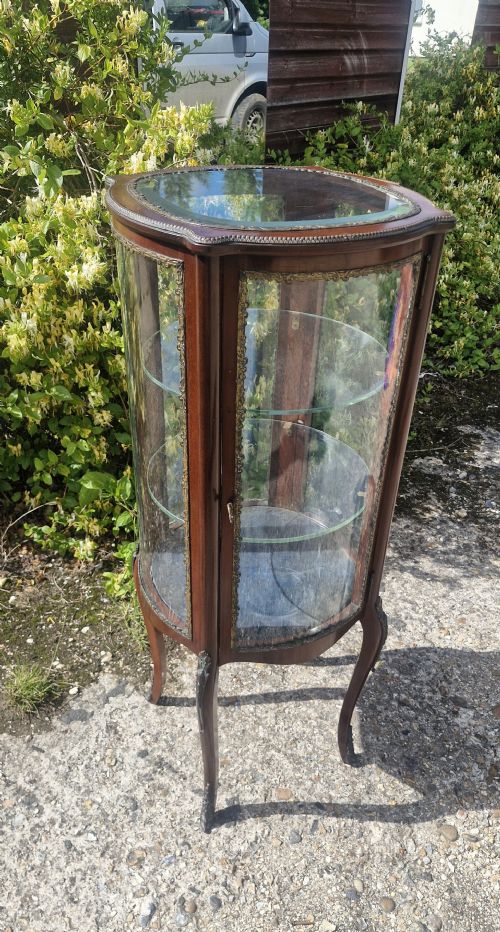
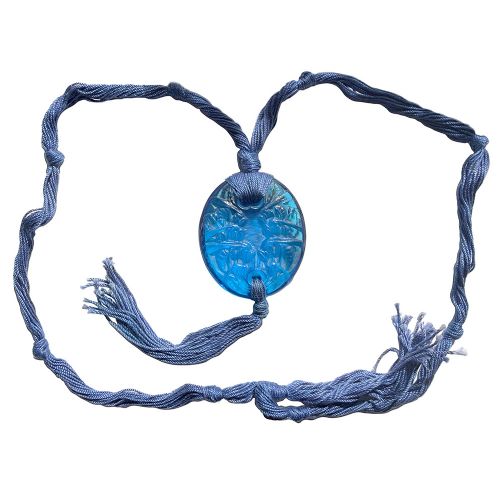
When exploring french glass jewellery, you encounter a distinct blend of wearable ornaments and tabletop display items. The selection spans delicate pendants featuring moulded glass alongside substantial vitrines, bijouterie tables, and trinket boxes designed to house precious items.
The aesthetic vocabulary encompasses periods from the Victorian era through Art Nouveau and Art Deco. Pieces often combine transparent or coloured glass with precious metals and inlaid woods.
Materials and Technique
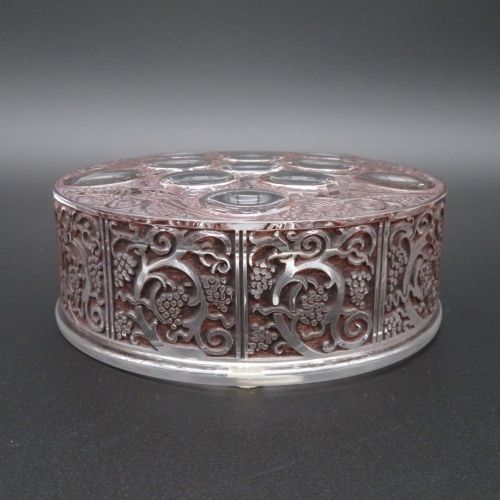
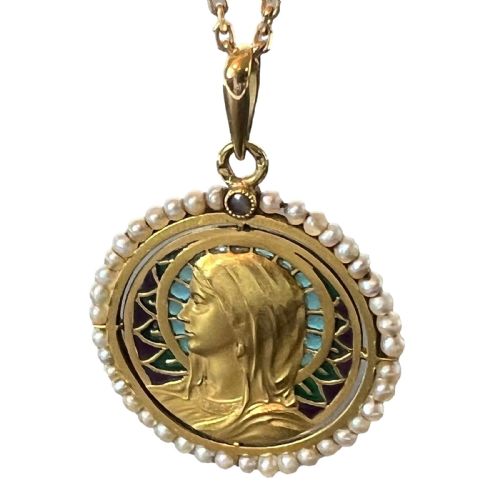
Makers utilised specialised glass techniques such as pate de verre and plique-a-jour enamel to achieve rich colour saturation and translucency. Molten glass was shaped, pressed, or moulded into intricate floral and animal motifs, then set into metallic frames.
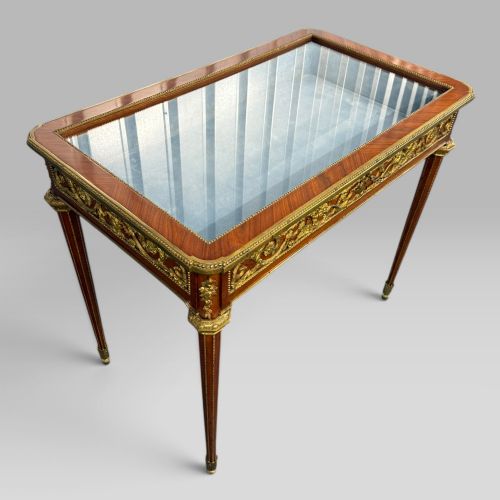
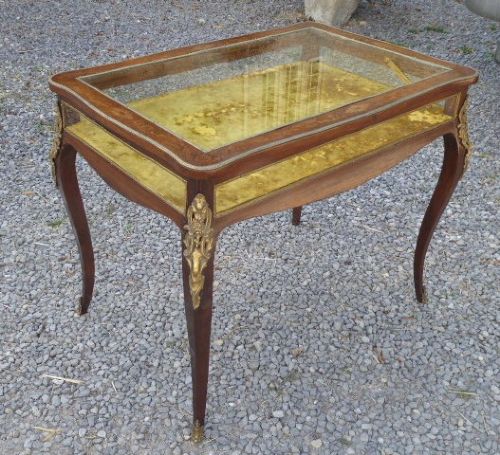
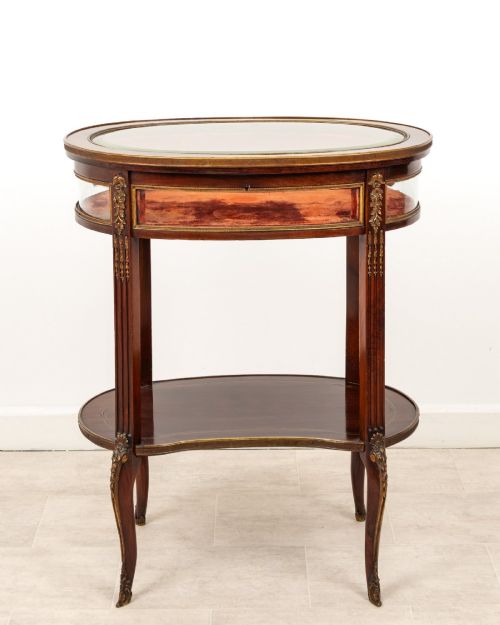
Structural elements rely on hardwoods like mahogany, kingwood, and walnut, often enhanced with marquetry or brass inlay. Ormolu and gilt-bronze mounts provide structural support and ornamental detailing around bevelled glass panels.
Interior surfaces frequently feature velvet or fabric linings designed to cushion delicate contents. Metalwork components are cast, chased, and gilded to complement the luminous qualities of the glass elements.
Listings feature items spanning the Victorian era through the Art Deco movement, utilising mahogany, ormolu, and pate de verre.
Distinguishing Quality
The upper tier of pieces is distinguished by the clarity of the glasswork and the crispness of the bronze or ormolu casting. Master glassmakers achieved subtle gradient shading and precise relief details that lesser workshops failed to replicate.
Structural integrity and the quality of cabinetmaking separate standard examples from exceptional ones. Finely fitted bevelled glass panels, tight joinery in the wooden frames, and heavy, well-chased gilt mounts indicate superior craftsmanship.
Attribution to documented artists or workshops elevates an object's standing. Signed glass components and high-purity metal stamps provide clear markers of origin and execution.
R Lalique·Gabriel Argy Rousseau·Amalric Walter
The French Glass Jewellery Glossary
- Pate de verre
- A glass-making method where finely crushed glass is packed into a mould and fused in a kiln. This technique produces dense, softly textured colours with distinctive matte finishes.
- Bijouterie table
- A glass-topped display table specifically designed for showing small decorative objects and jewels. These tables usually feature hinged lids and velvet-lined interiors.
- Ormolu
- Gilded bronze applied as a decorative mount on furniture and boxes. The term derives from the French for milled gold.
- Plique-a-jour
- An enamelling technique where enamel is applied in cells without a backing, allowing light to shine through like stained glass. It is frequently seen in pendant frames.
- Vitrine
- A glass-sided cabinet or display case used for viewing collectibles. They appear in both tabletop and freestanding formats.
French Glass Jewellery: Frequently Asked Questions
What is french glass jewellery?
French glass jewellery encompasses moulded glass pendants, lockets, and small wearable ornaments produced primarily during the late nineteenth and early twentieth centuries. Many pieces incorporate specialised glass techniques like plique-a-jour enamel and coloured crystal.
Collectors also group decorative desktop caskets and display pieces under this broad heading due to their shared reliance on glass and gilt mounts.
How were bijouterie tables used?
Bijouterie tables served as specialised furniture for displaying personal collections of small valuables, medals, and trinkets beneath glass panels. Ladies used them in drawing rooms to exhibit items acquired during travels or gifted by family.
The glazed tops and velvet-lined interiors protected sensitive items from dust while keeping them visible for guests.
How do I date art nouveau pieces?
Art Nouveau pieces typically date from the late Victorian period up to the First World War, spanning roughly the 1880s to the early 1910s. Look for asymmetrical botanical motifs, insect designs like wasps and dragonflies, and flowing organic lines.
The presence of specific glass methods such as early pate de verre or naturalistic gilt-bronze mounts also points toward this decorative movement.
How do I care for glass caskets?
Keep glass caskets and vitrines out of direct sunlight to prevent fading in fabric linings and potential thermal stress on older glass. Dust wooden frames and glass panels gently with a dry, soft cloth without spraying liquids directly onto metal mounts.
Check the hinges and velvet interiors periodically to ensure the delicate structures remain stable during handling.