

French Glass Crystal Lights
French glass crystal lights bring sparkle to a room through cut prisms and gilt metal frames.
French Glass Crystal Lights
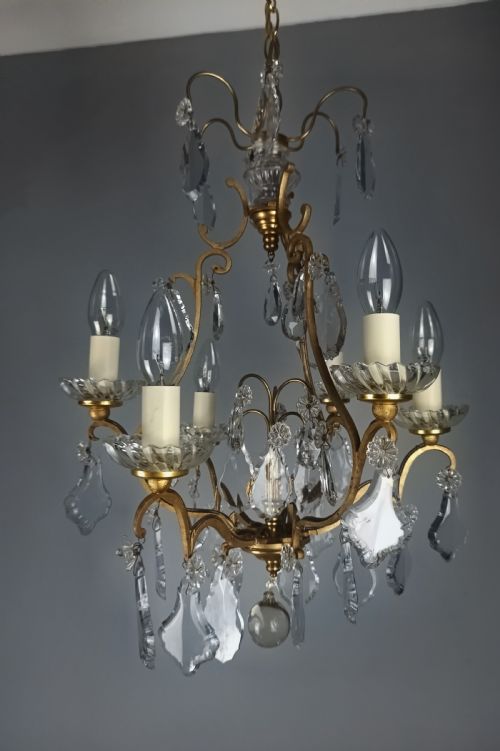
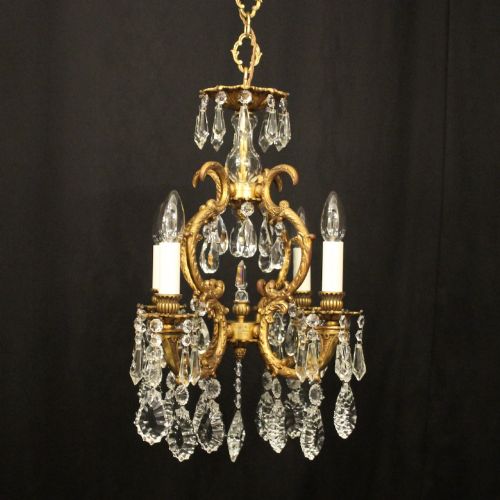
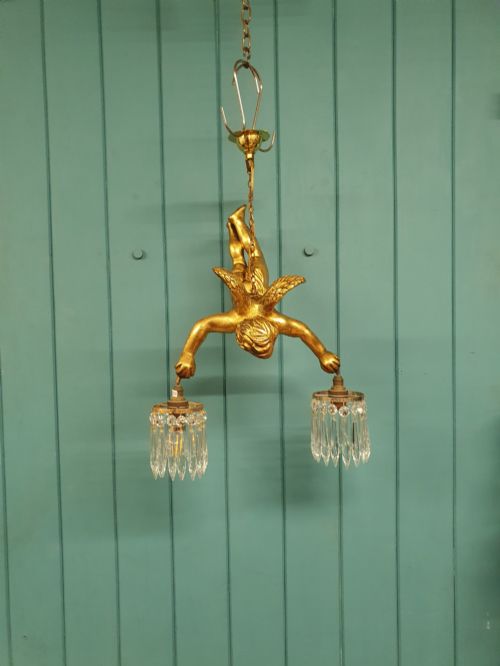
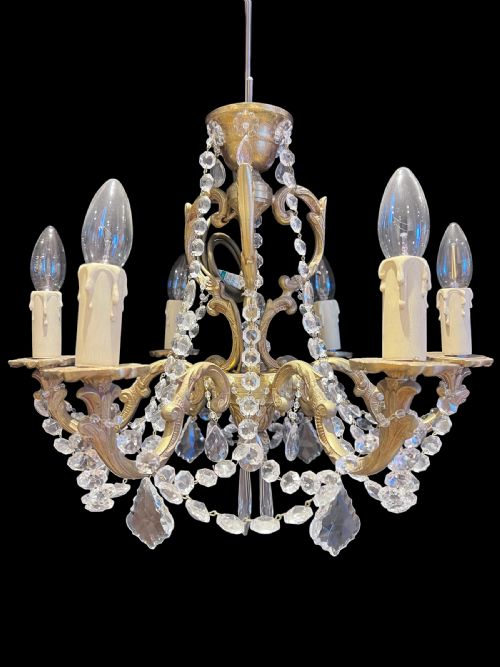
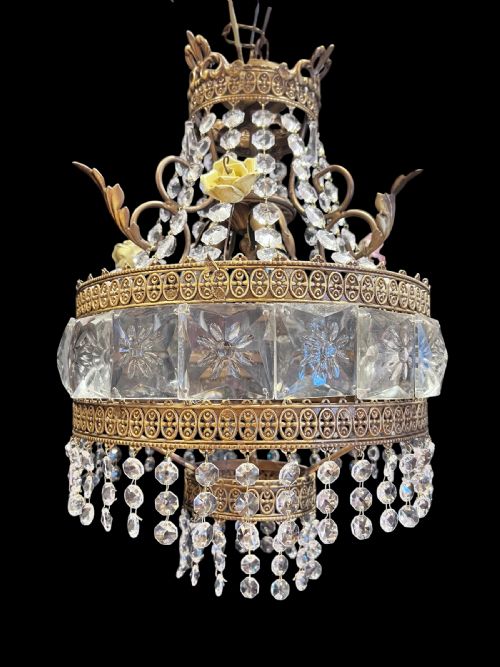
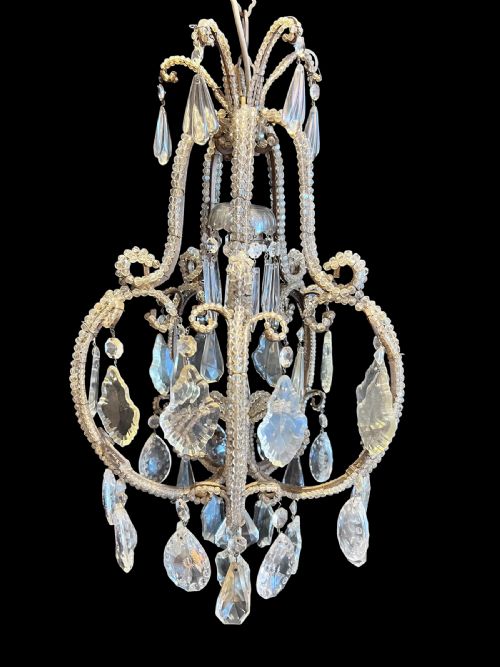
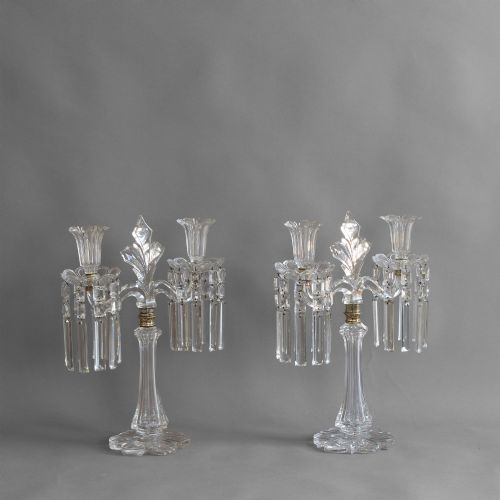
When you search for french glass crystal lights, you encounter a selection of hanging fixtures, wall sconces and table lamps dating from the nineteenth century into the nineteen-thirties. These pieces utilise brass, gilt bronze and cut glass elements to refract light across a space.
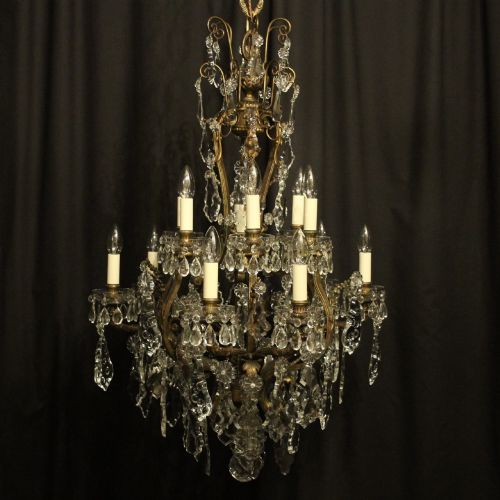
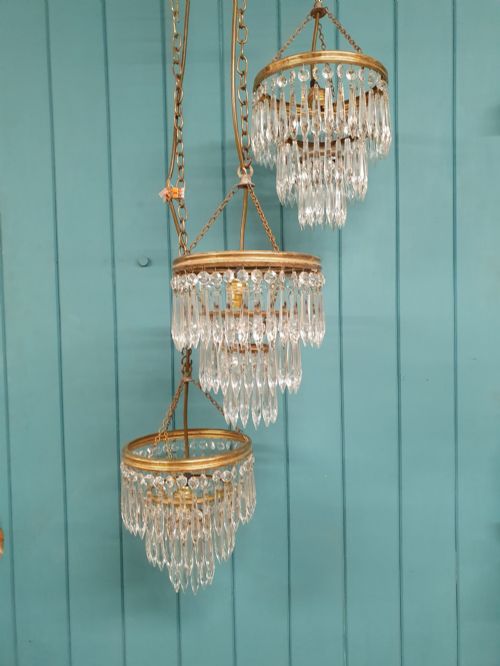
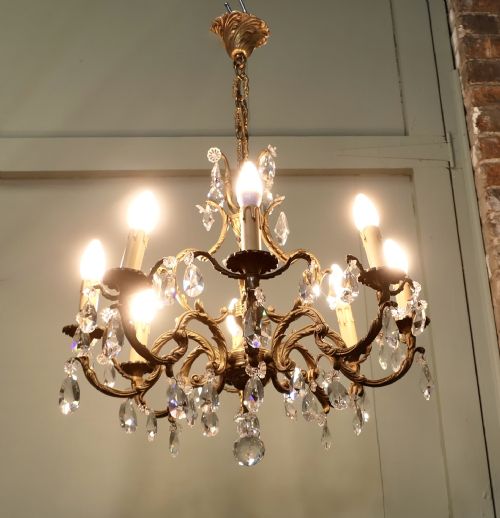
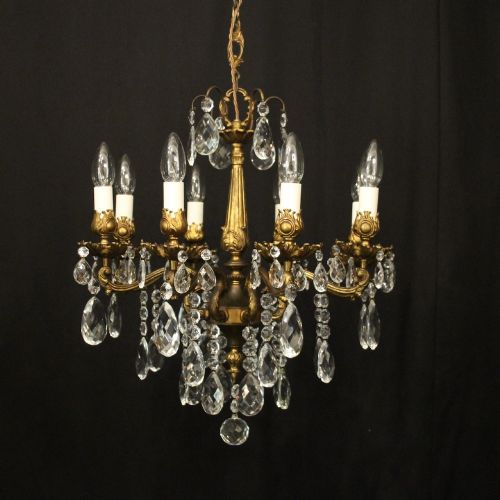
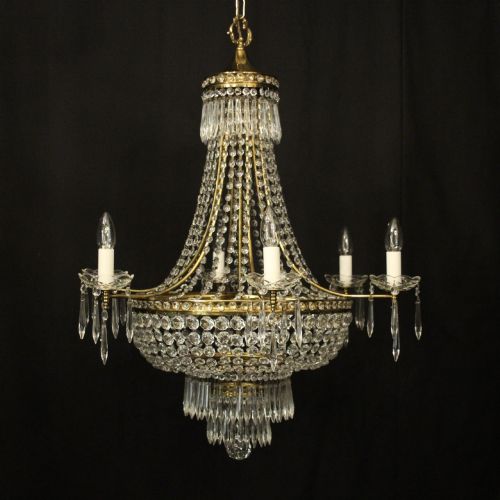
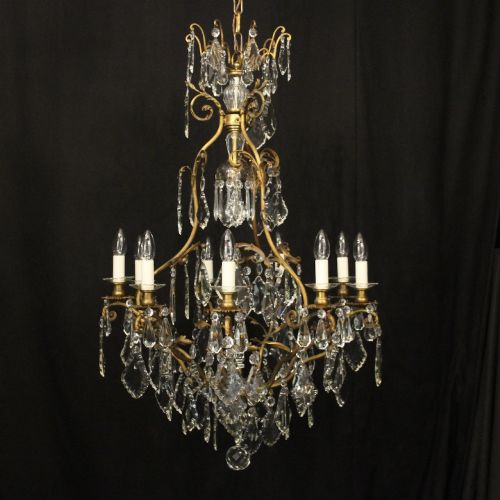
You are most likely to meet multi-light chandeliers featuring brass or gilt metal structures hung with crystal lustres and drops. Styles span from French Empire and Louis Revival to Edwardian designs and early twentieth century spike chandeliers.
How they were made
The construction of these fixtures relies on metal frames cast in brass, bronze or gilt metal to support the weight of the glass components. Workers assembled arms and tiers to hold multiple light sources, incorporating gilt bronze and spelter decorative elements.
Glass and crystal elements underwent cutting and moulding to create prisms, beads, spikes and teardrop lustres. These pieces are wired together and attached to the central frame using metal pins and wire loops.
Listings feature brass, gilt bronze and metal frames decorated with cut glass and crystal lustres across Edwardian and 1930s periods.
What varies in quality
The standard of the metal casting determines the definition in mounts and floral motifs, where finer examples display crisper chasing and heavier gauge brass or gilt bronze. Substantial metalwork supports larger arrays of arms without flexing.
The clarity and depth of cut in the glass components dictate how the fixture refracts light. Better examples use higher lead crystal with sharp facets rather than moulded glass with softer edges.
Maison Baguès
The French Glass Crystal Lights Glossary
- Tent and waterfall chandelier
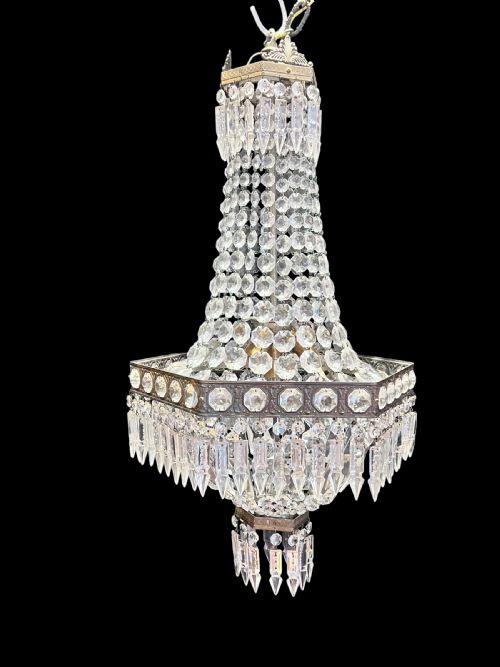
- A form featuring an upper conical section of strings of beads above a cascading arrangement of crystal drops. This design creates a layered silhouette that directs illumination outwards.
- Spike chandelier
- A compact hanging light characterised by upward-pointing glass spikes surrounding the central stem. These fixtures suit rooms with lower ceiling heights.
- Lustre
- A cut glass or crystal pendant hung from the arms or frame of a light fixture. They catch and disperse light from the bulbs or candles.
- Plafonier
- A ceiling-mounted light fixture that sits flush or close to the ceiling surface. They offer illumination in spaces where a hanging drop fixture is impractical.
- Gilt bronze
- Metal cast in bronze and treated with a gold wash or mercury gilding. This material provides a durable foundation for decorative mounts on chandeliers and wall lights.
French Glass Crystal Lights: Frequently Asked Questions
How do I hang a heavy chandelier?
Hanging a heavy fixture requires securing the ceiling bracket directly to a joist or structural noggin using appropriate fixings. The weight of larger brass and crystal assemblies demands professional electrical and structural installation.
Ensure the hanging chain and wiring are rated to support the total weight of the metal frame and glass components safely.
What periods do these lights cover?
The available lighting spans from the nineteenth century through the Edwardian era and into the nineteen-thirties. Earlier examples often show French Empire or Louis Revival influences with heavy gilt bronze.
Later pieces from the early twentieth century include basket designs, dome top fixtures and smaller spike chandeliers constructed from brass and cut glass.
How do I clean crystal lustres?
Cleaning crystal involves removing detachable drops and washing them in warm water with a mild detergent. Dry each piece with a lint-free cloth before reattaching it to the metal frame.
Leave fixed elements in place and wipe them gently with a damp cloth to avoid straining the delicate wire fixings.
Where do wall sconces work best?
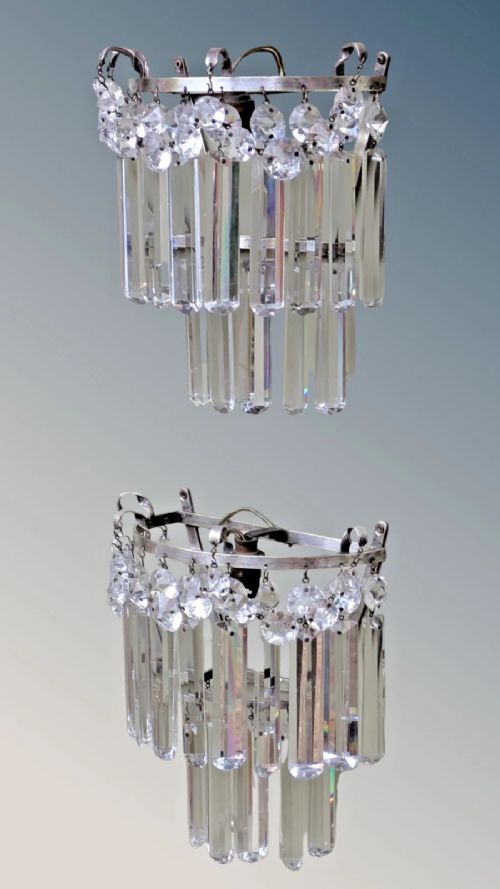
Wall lights and sconces provide ambient illumination in hallways, beside fireplaces or flanking mirrors. Pairs of crystal sconces add balanced lighting to architectural focal points in a room.
Position them at eye level to ensure the light reflects effectively off the glass drops without creating harsh glare.