


French Giltwood Wall Bracket
A french giltwood wall bracket brings ornate French character and gilded warmth to an interior.
French Giltwood Wall Bracket
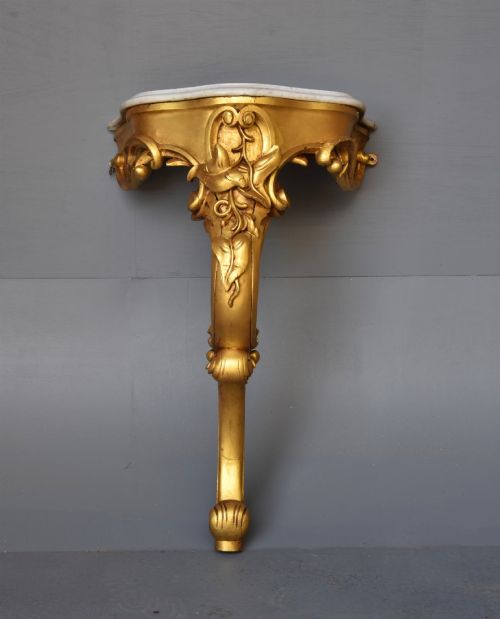
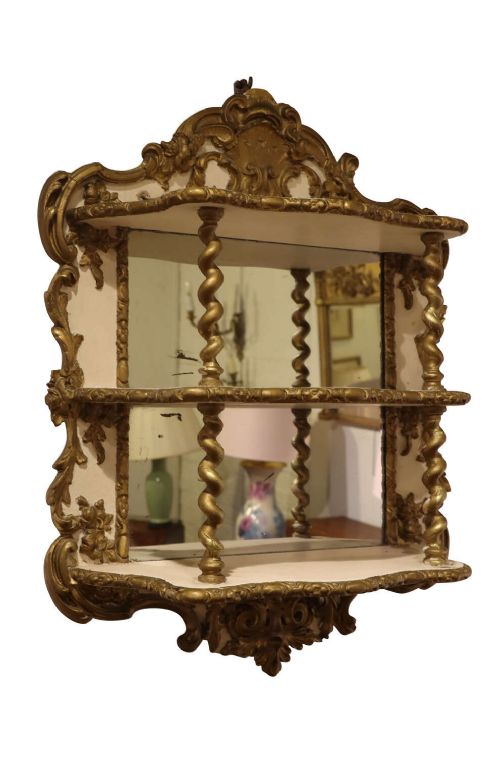
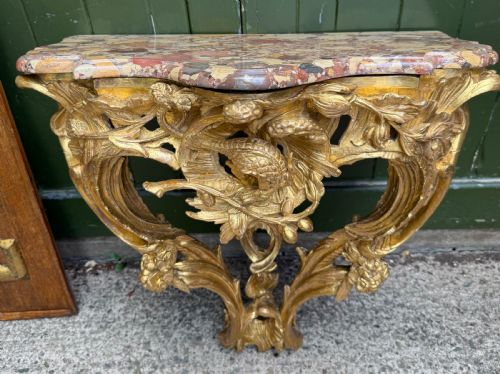
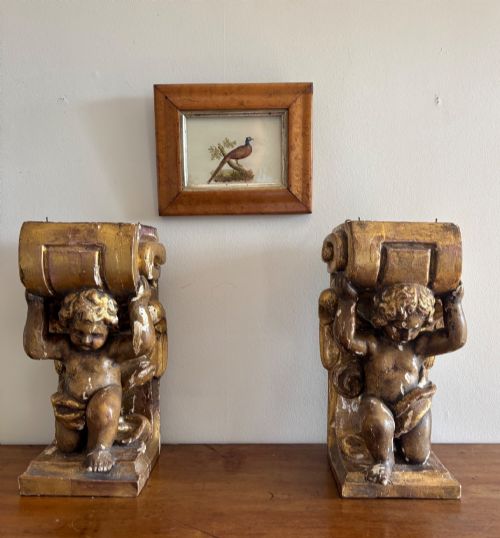
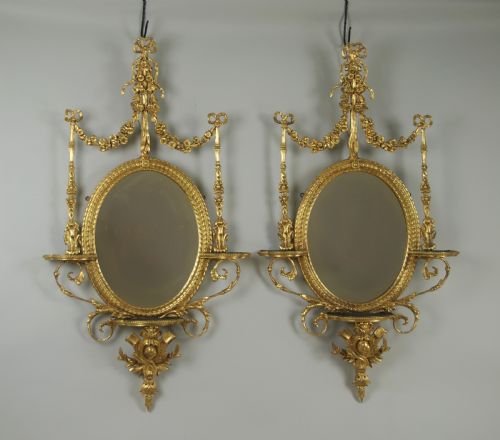
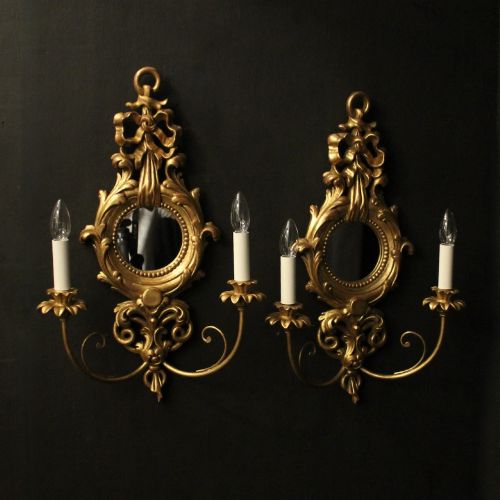
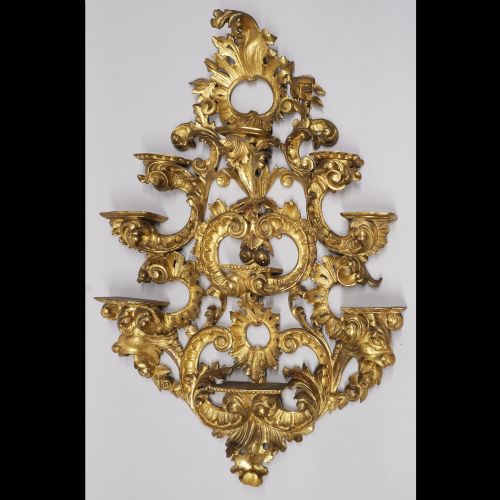
A french giltwood wall bracket is a decorative architectural support designed to display objects or simply to punctuate a wall space with carved ornamentation. These pieces emerge in various forms within the listings, spanning from dedicated wall shelves to console tables and paired sconces.
The selections span multiple centuries, touching upon the eighteenth, nineteenth, and early twentieth periods. Buyers encounter items reflecting specific historical revivals, including Rococo and Neoclassical vocabularies.
How they were made
Carved wood provides the primary structural foundation for these brackets, shaped into intricate scrolls, foliage, and architectural motifs. Artisans frequently applied gesso over the timber base to create a smooth, responsive ground for subsequent gilding.
Gold leaf or applied gilding covers the surfaces, imparting a luminous metallic sheen that catches interior light. Certain examples incorporate complementary materials such as marble tops, mirrored glass, or painted accents.
Listings feature periods spanning from the eighteenth century through to the 1930s, utilising carved wood, gesso, marble, and giltwood.
What varies in quality
The crispness and depth of the wood carving distinguish finer examples from simpler production. Skilled hands achieve fluid asymmetry in Rococo scrolls and precise geometric balance in Neoclassical designs.
The condition and application of the original gesso and gold leaf dictate the visual integrity of the surface. Rich patination and intact gilding reflect superior craftsmanship and careful preservation over centuries.
The French Giltwood Wall Bracket Glossary
- Giltwood
- Timber that has been coated with gold leaf or powder over a prepared gesso ground. This technique creates a durable, luminous finish characteristic of formal European furniture.
- Gesso
- A plaster-like mixture applied to wood surfaces to create a smooth base for carving and gilding. It allows craftsmen to execute sharp relief details before applying gold leaf.
- Rococo
- An artistic style characterised by elaborate ornamentation, asymmetrical scrollwork, and naturalistic motifs such as shells and foliage. It heavily influences French eighteenth-century design and later revival pieces.
- Neoclassical
- A style drawing inspiration from the classical art and architecture of ancient Greece and Rome. It relies on symmetry, straight lines, and classical motifs like urns and swags.
- Console table
- A table supported by wall brackets or console legs, designed to stand flush against a wall. Many historical examples pair directly with matching wall mirrors or brackets above.
French Giltwood Wall Bracket: Frequently Asked Questions
What is a french giltwood wall bracket?
A french giltwood wall bracket is a decorative wall-mounted shelf or support made from carved wood and coated in gold leaf. These pieces serve to display ornaments or function as sculptural wall elements.
Originating largely from French decorative traditions, they incorporate historical design movements like Rococo and Neoclassical styles. Their gilded surfaces reflect light and add architectural interest to domestic interiors.
How were wall brackets used historically?
Historically, these brackets supported porcelain figures, clocks, urns, or small candelabra. They elevated prized decorative objects to eye level, allowing them to catch the ambient light of a room.
Placed above console tables or flanking mirrors, they helped create a balanced and formal decorative scheme. Wealthy interiors utilised them to demonstrate taste and display costly collector items.
How do I live with a wall bracket?
Mounting a wall bracket securely into structural wall studs is essential due to the combined weight of the carved wood and any displayed object. Positioning them away from direct moisture preserves the delicate gesso and gold leaf.
They function effectively in hallways, living rooms, or dining spaces as standalone wall art or functional display ledges. Pairing them with complementary mirrors or sconces unifies the surrounding interior decor.
How do I tell periods apart?
Eighteenth-century examples display hand-carved depth and organic asymmetry characteristic of authentic period craftsmanship. Nineteenth-century and later pieces often adopt specific revival vocabularies, such as French Rococo or Victorian interpretations.
Examining the wood species beneath, the composition of the gesso layer, and the wear patterns in the gilding helps indicate the age of the piece. Subtle shifts in decorative motifs trace the evolution from Louis XIV grandeur to later revival styles.