
French Gilt Table Clock
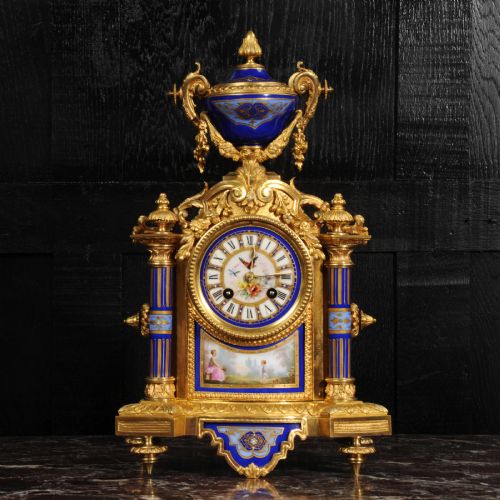
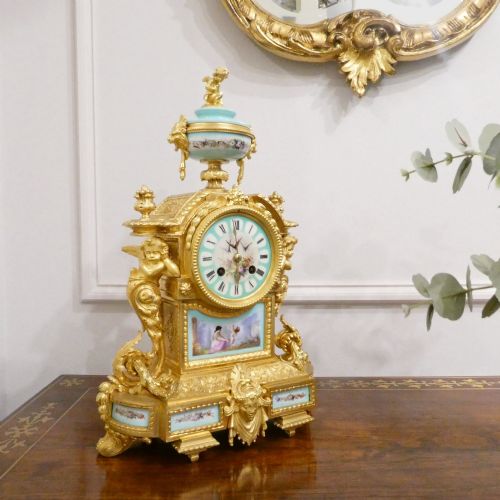
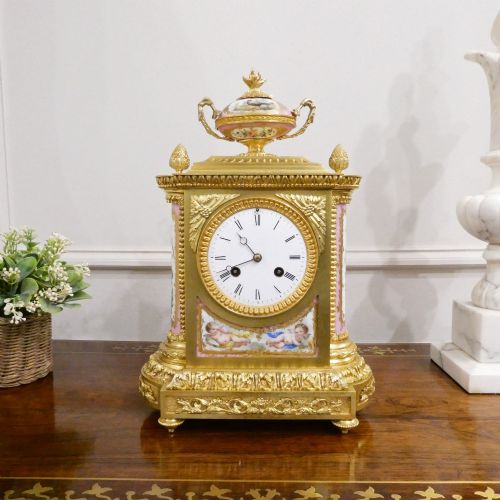
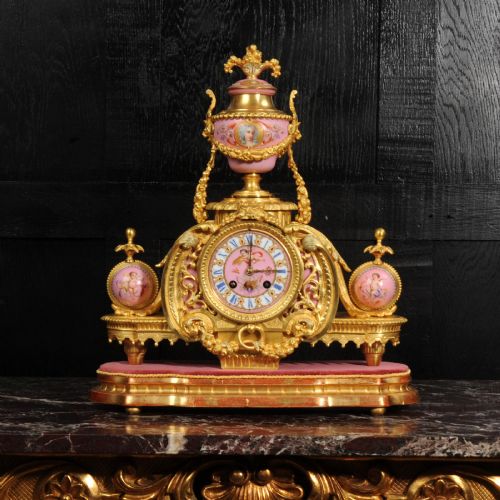
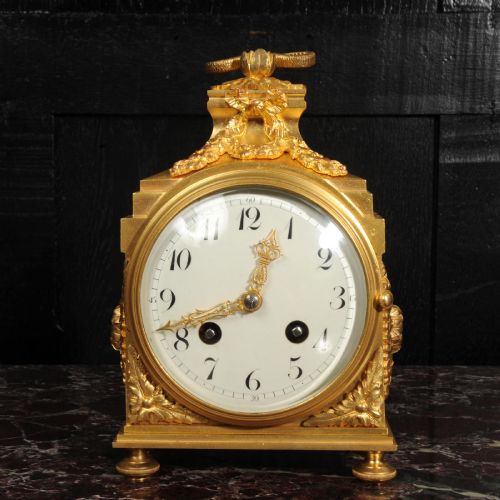
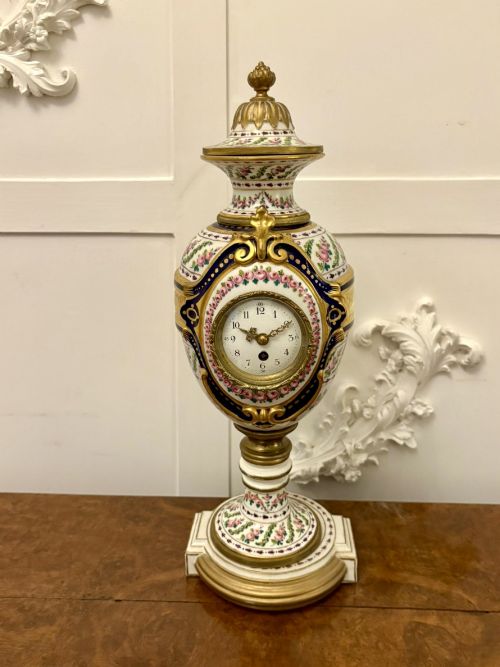
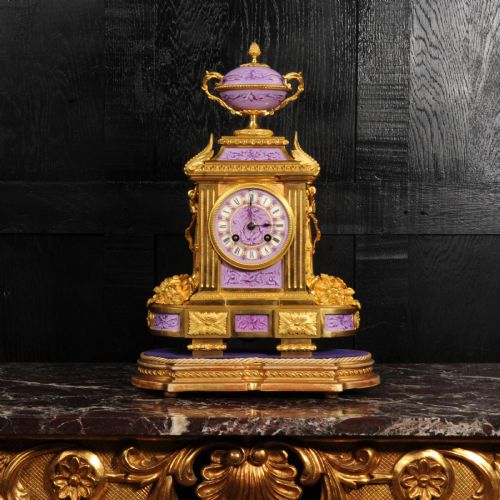
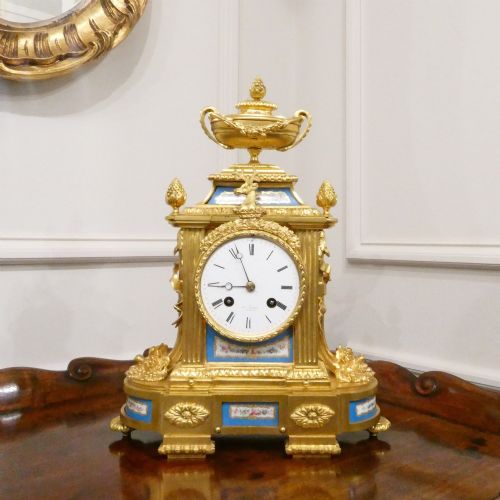
These pieces are a french gilt table clock, ornate timepieces designed to command attention on a mantel or surface.
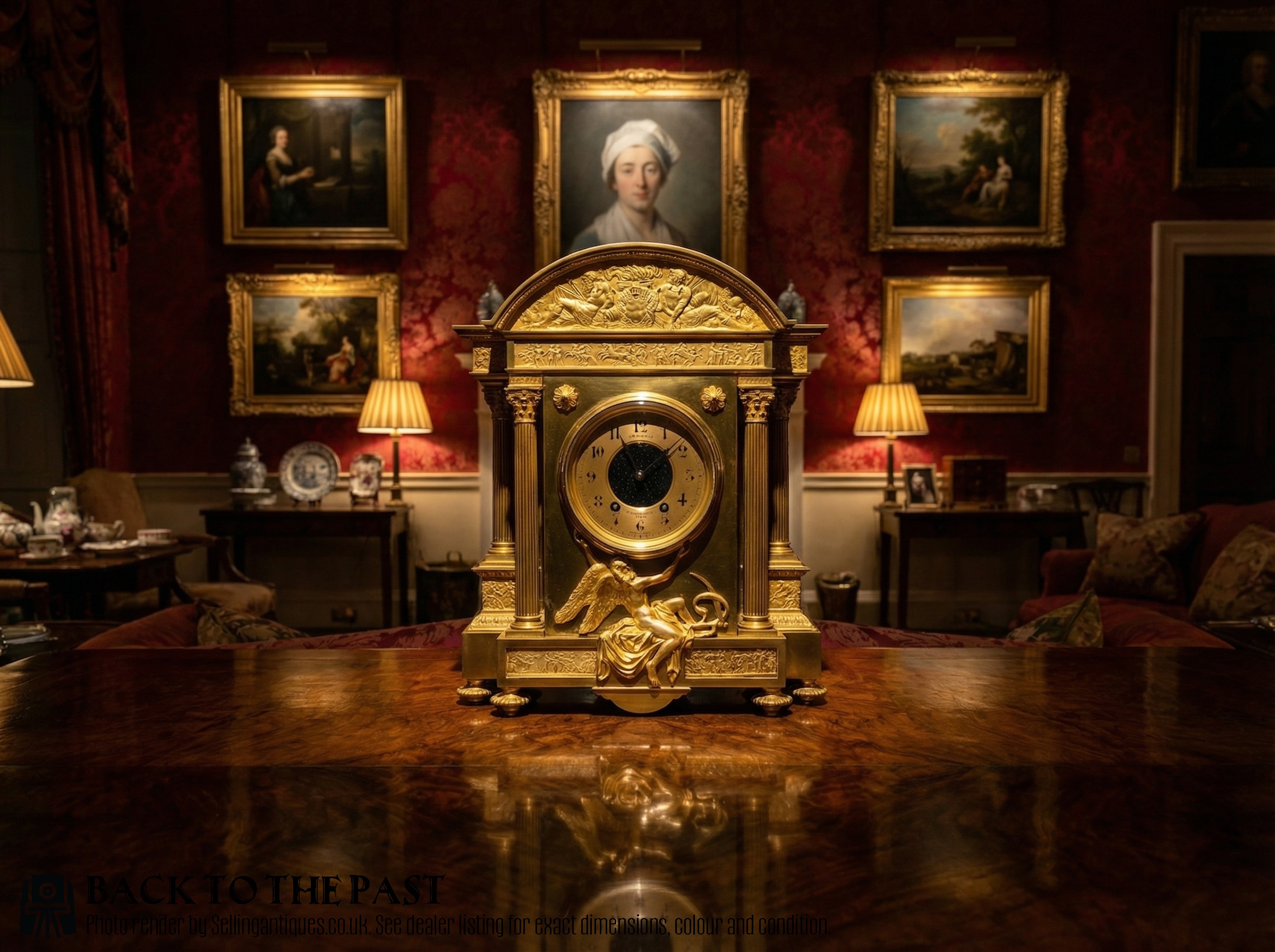
French Gilt Table Clock
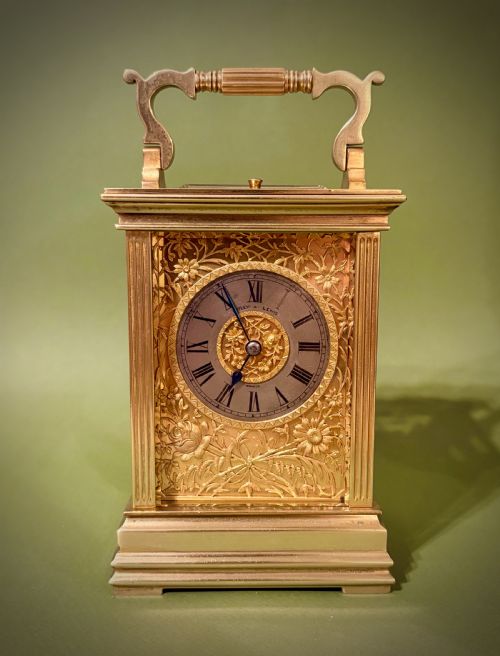
When you search for a french gilt table clock, you find domestic horology created across the nineteenth century, spanning periods from the Victorian era to the Second Empire and encompassing Louis XVI styles. The forms include mantel clocks, carriage clocks, clock garniture sets, and architectural designs in marble or wood.
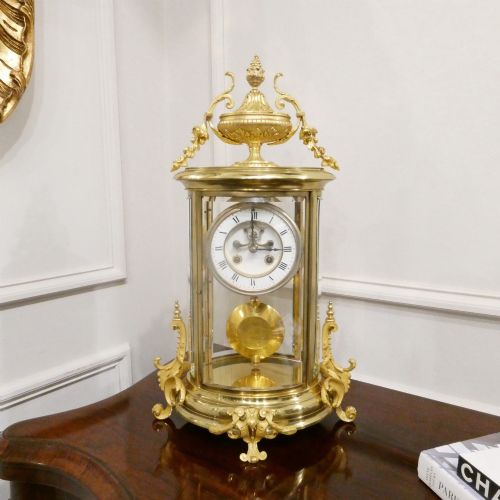
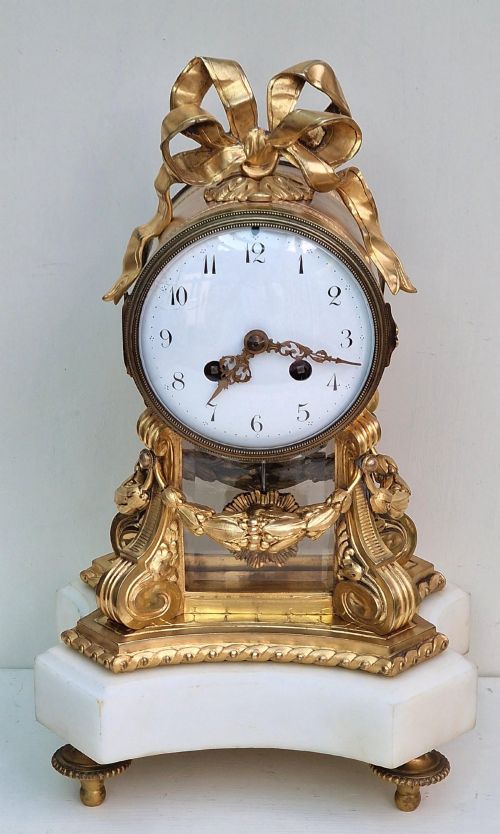
Most pieces you meet on this page date from the mid to late nineteenth century, housed in gilt bronze, ormolu, brass, or porcelain. They range from architectural and figural mantel clocks to delicate boudoir pieces and four glass clock designs.
How They Were Made
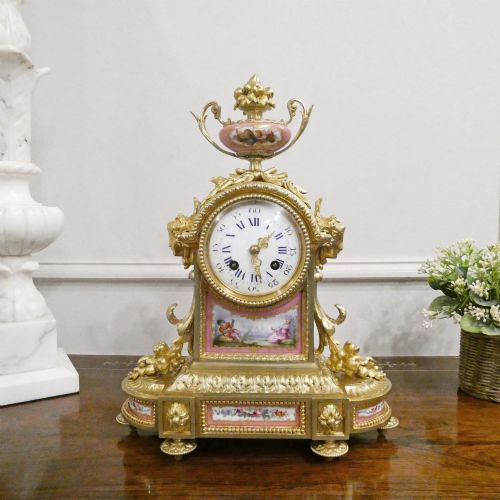
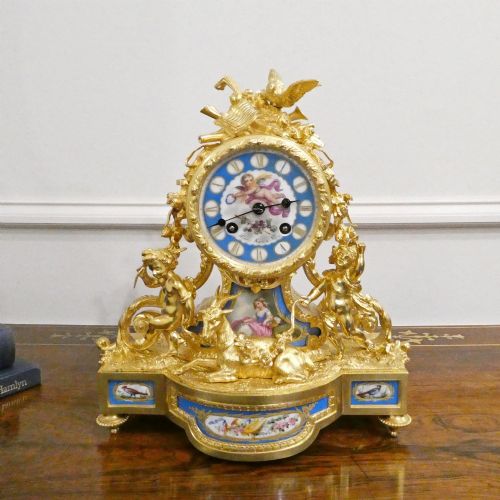
These timepieces rely on metalworking techniques such as fire gilding or brass casting to create ormolu and gilt bronze mounts, often combined with hand-painted Sèvres porcelain panels and champleve enamel.
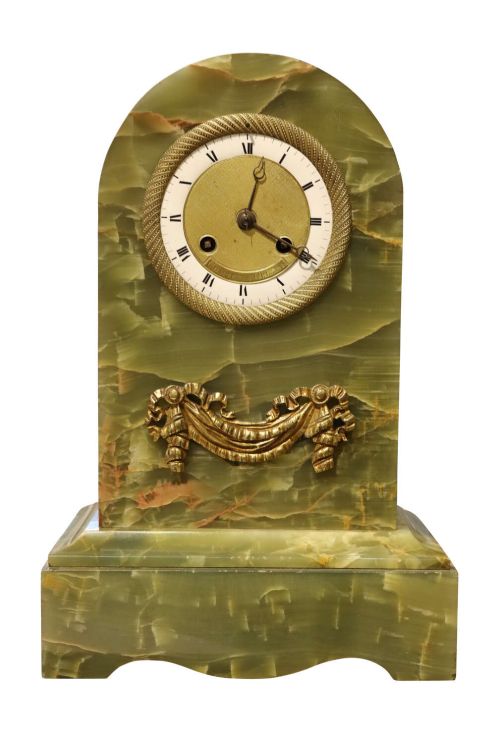
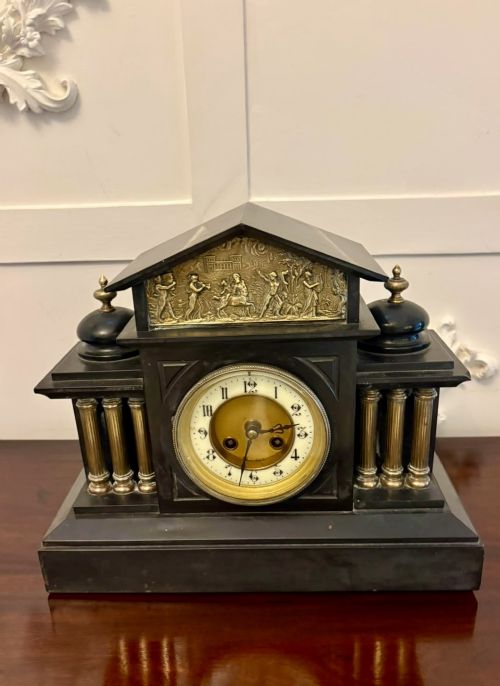
Structural cases incorporate contrasting materials including white marble, green onyx, and black marble, paired with glass panels for four glass clocks and intricate dial engravings.
Several clocks feature marching elephants and vigilant eagles guarding the dial.
What Varies in Quality
The standard of modeling in the figural mounts and the crispness of the bronze chasing separate standard production from finer workshop outputs. Signed movements by notable makers command greater attention than unsigned alternatives.
The integration of hand-painted porcelain panels, decorative enamel work, and the preservation of original gilding dictate the overall tier of the piece.
Achille Brocot·Henry Marc·Charles à Orléans·Japy Freres·Samuel Marti·Paul Sormani·Vincenti·Siffel and Cartier·Henry Dasson·Canaillor of Paris·Fritz Marti·Japy Fils
The French Gilt Table Clock Glossary
- Ormolu
- Gilded bronze, where a mercury amalgam is applied to a bronze base and heated to leave a thin gold layer. This technique produces a deep, lasting metallic lustre seen on nineteenth-century French clock cases.
- Clock Garniture
- A set comprising a central clock flanked by matching decorative objects such as urns or candelabra. These matched sets were designed to sit symmetrically on a mantelpiece.
- Champlevé Enamel
- A technique where troughs are dug into a metal surface and filled with vitreous enamel powder before firing. The resulting coloured patterns decorate the dial or case borders.
- Four Glass Clock
- A mantel clock housed in a brass or gilt frame with glass panels on all four sides, allowing the movement and pendulum to remain visible from multiple angles.
- Pendule d'Officier
- A type of portable military-style clock produced in France, typically fitted with a carrying handle and an exposed escapement.
French Gilt Table Clock: Frequently Asked Questions
What is a french gilt table clock?
A french gilt table clock is a domestic timepiece featuring a metallic gilt finish, produced in France during the nineteenth century. These items were designed as decorative centrepieces for reception rooms and mantelpieces.
They combine horological mechanics with sculptural metalwork, porcelain panels, and marble cases, reflecting historical revival styles such as Louis XVI and French Empire.
How do I wind my clock?
Winding requires a dedicated key inserted into the winding arbours on the dial face or movement backplate. Care must be taken not to overwind the mainspring.
Most nineteenth-century French movements operate on an eight-day cycle, requiring weekly attention to maintain accurate timekeeping.
What is a clock garniture?
A clock garniture is a matched decorative set consisting of a central mantel clock accompanied by two matching side pieces, usually urns or vases. These sets were manufactured to create a unified display on a fireplace mantle.
Materials used for garnitures mirror the clock itself, incorporating ormolu, marble, and hand-painted porcelain.
How do I identify the period?
Period identification relies on stylistic cues, materials, and maker signatures stamped on the movement backplate. Stylistic indicators include the symmetry of Louis XVI designs or the military motifs of the French Empire.
Recorded examples span from the early nineteenth century through to the late Victorian era, with specific dates often verified by maker marks.