


French Gilt Overmantel Mirror
Choosing a french gilt overmantel mirror brings grand nineteenth-century proportions and reflecting light into a room.
French Gilt Overmantel Mirror
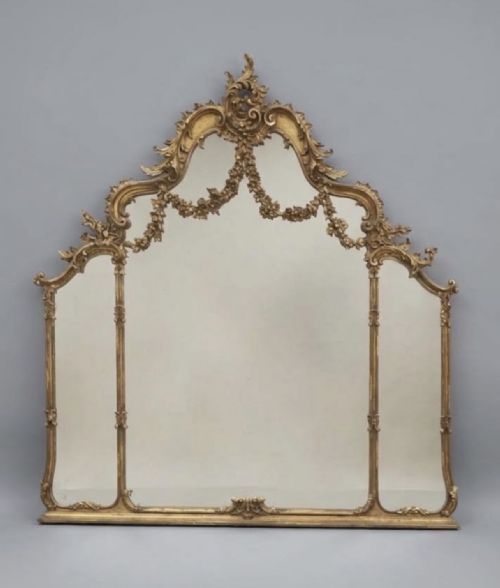
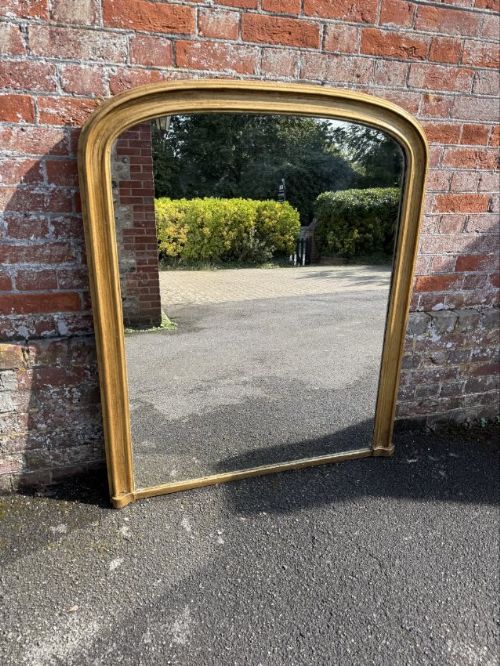
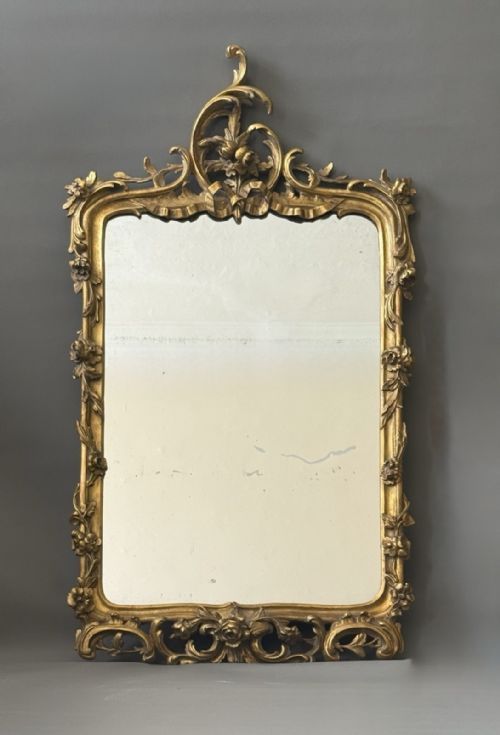
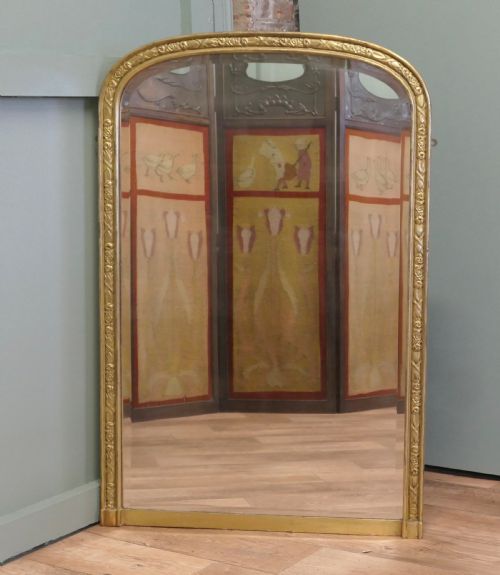
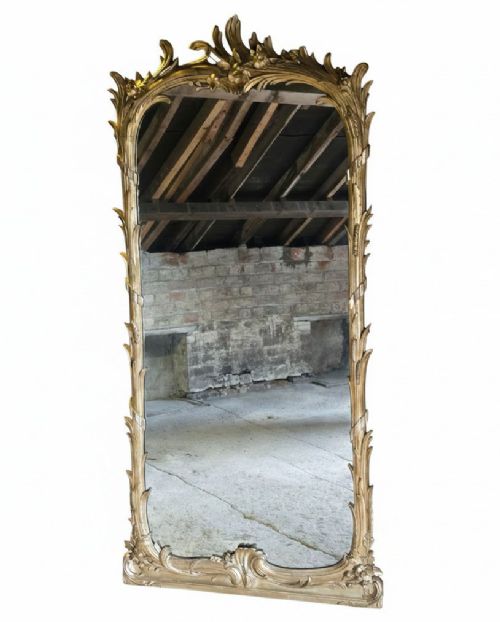
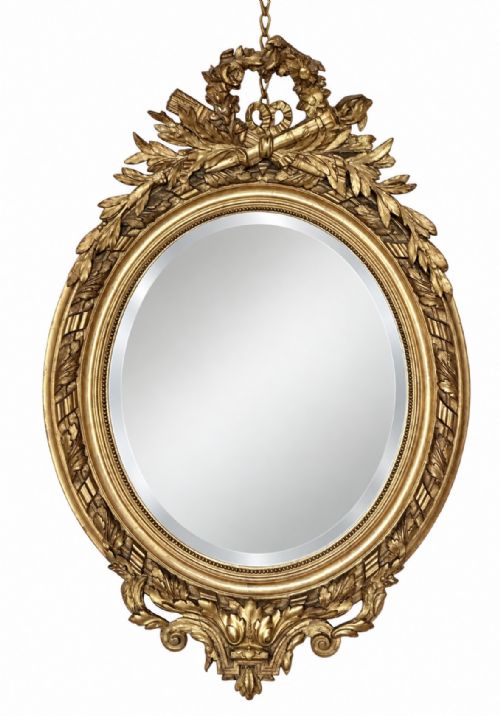
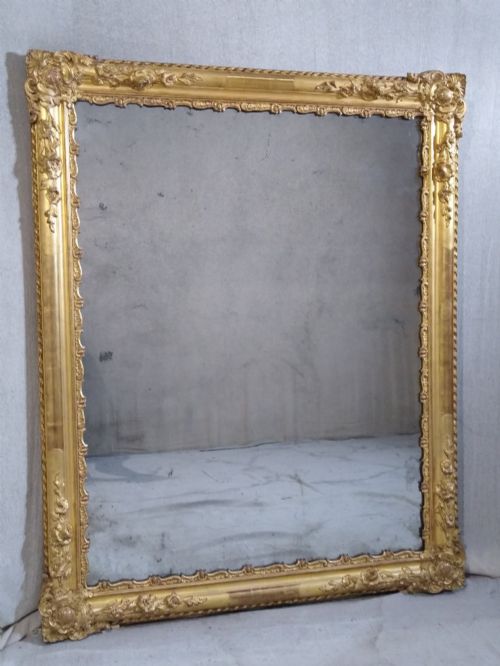
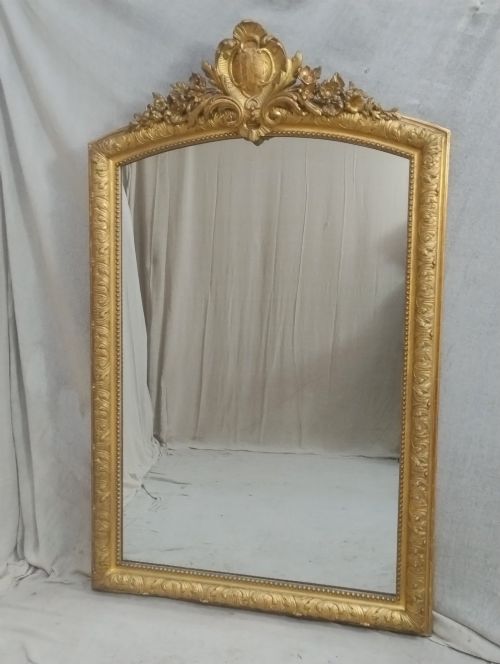
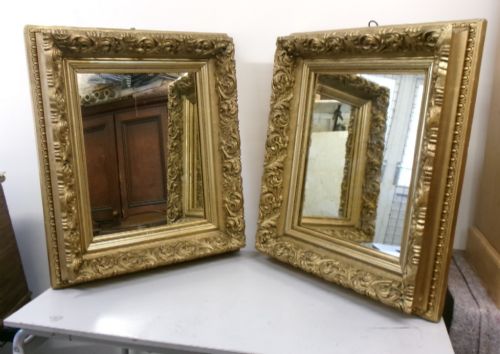
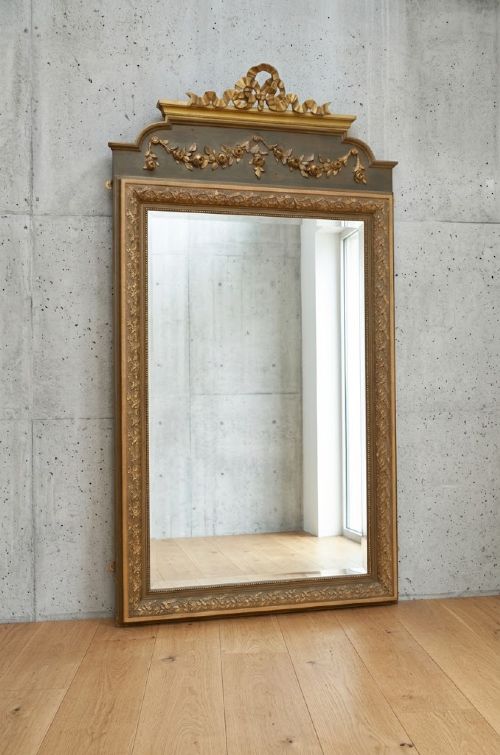
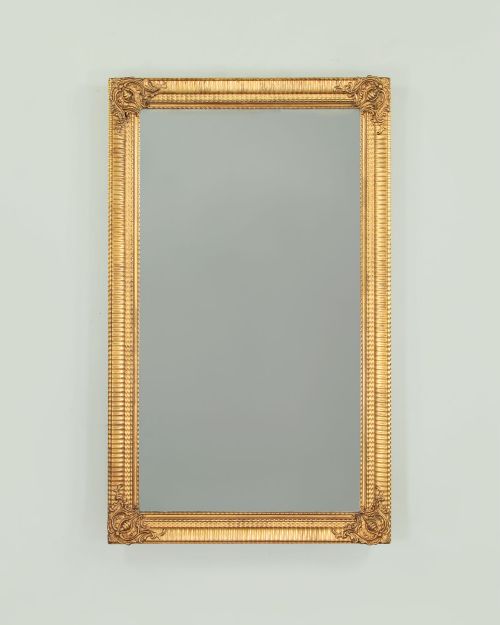
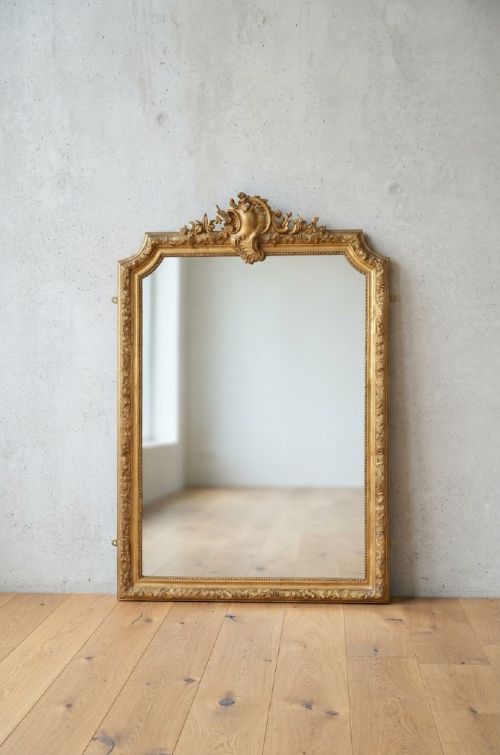
A french gilt overmantel mirror is a large, decorative looking glass traditionally designed to hang above a fireplace mantelpiece. The pieces seen here span the eighteenth, nineteenth, and early twentieth centuries, encompassing styles such as Louis Philippe, Rococo Revival, and Victorian.
Most examples found on this page date from the nineteenth century, particularly around eighteen seventy, and display characteristic arched, shaped, or rectangular wooden frames. Makers constructed these mirrors to sit low on a mantel or lean directly against a wall, dominating the chimney breast with presence.
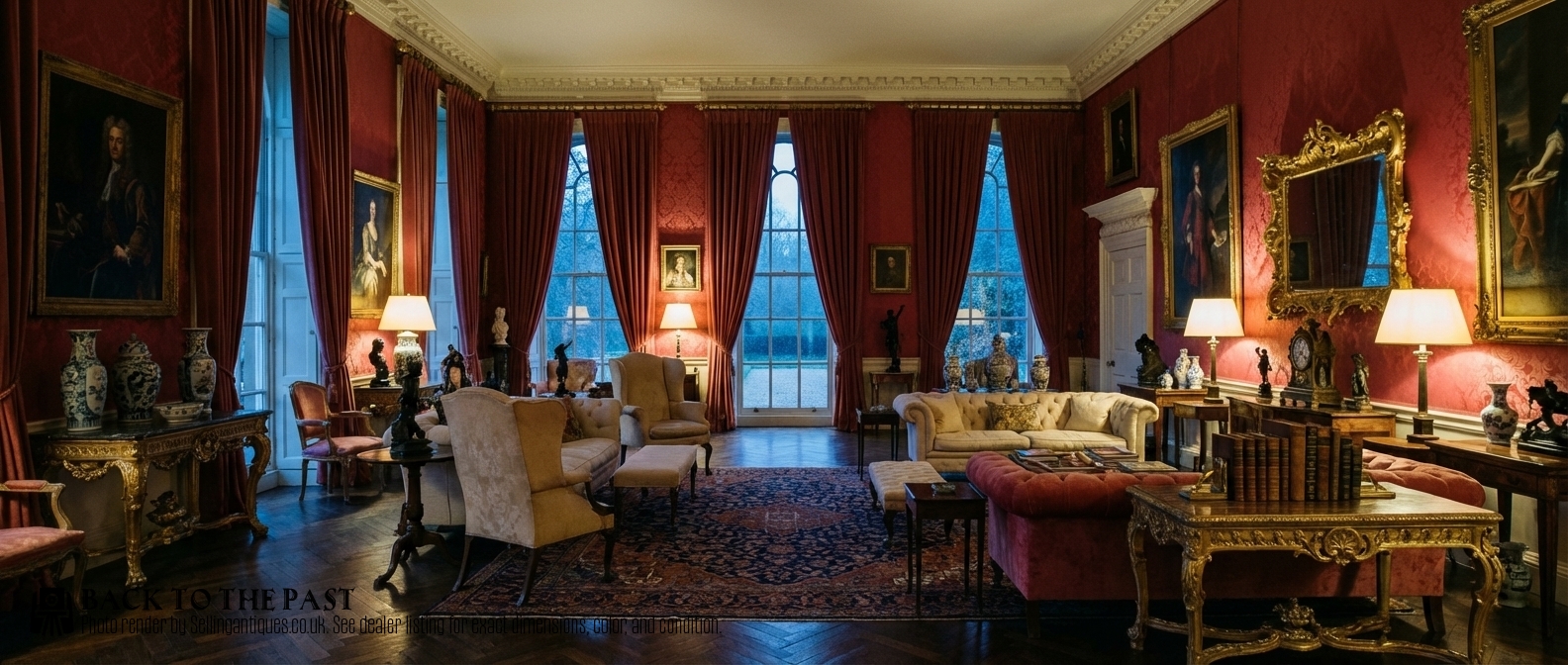
The form developed to bounce natural daylight around dimly lit period rooms while serving as a central decorative focal point. Collectors encounter variations featuring ribbon crests, pastoral oil paintings, and classical mythological or floral carvings.
How They Were Made
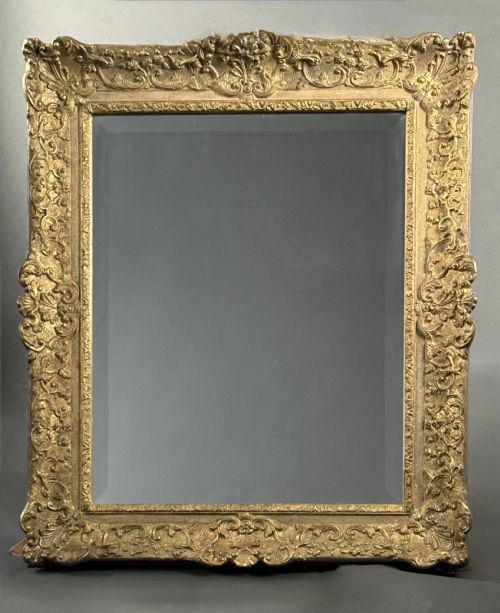
Craftsmen built the heavy structural frames using timber, applying layers of gesso to carve intricate scrollwork, floral motifs, and architectural mouldings. Guilders then coated these prepared surfaces with gold leaf or metallic paint to achieve the characteristic reflective finish.
The mirror plates themselves consist of traditional float glass or antique mercury glass, which frequently exhibits charming foxing and age spots. Heavy wooden backs and iron strapwork secure the fragile plate within the composite frame.
French Gilt Overmantel Mirror Retail Price Guide 2026
Typical asking prices for french gilt overmantel mirror among the pieces listed under this phrase on Sellingantiques today, from the lower quarter to the upper quarter. They describe what is for sale here now, not the wider market.
The archive records styles ranging from strict Georgian and Victorian periods to decorative French Chateau and Rococo Revival forms.
What Varies In Quality
Quality depends heavily on the depth and crispness of the hand-carved wood and gesso ornamentation rather than moulded composition substitutes. Finer examples retain their original gilding and undamaged mercury glass plates with minimal clouding.
The structural integrity of the heavy wooden joinery and the originality of the backboards distinguish superior pieces from later restorations. Proportion, balance, and the subtlety of the decorative crest dictate desirability among collectors.
The French Gilt Overmantel Mirror Glossary
- Overmantel mirror
- A large wall glass specifically proportioned to hang on the wall above a fireplace mantel. These pieces often feature wide horizontal or vertical formats designed to reflect interior light.
- Gesso
- A plaster-like mixture applied to wooden frame foundations to provide a smooth surface for carving and gilding. Artisans model intricate relief decorations directly into this material.
- Mercury glass
- A type of silvered glass produced by pouring a liquid mercury amalgam between double-walled blown glass or backing flat plates. It creates a dark, mottled reflection known as foxing.
- Louis Philippe
- A nineteenth-century French architectural style characterised by simple, elegant lines, rounded top corners, and restrained ornamentation. These frames offer a more subdued alternative to elaborate rococo carvings.
- Trumeau
- A decorative wall panel incorporating a mirror plate alongside an oil painting or carved wooden motif. They frequently appear in nineteenth-century French domestic interiors.
French Gilt Overmantel Mirror: Frequently Asked Questions
How do I hang a heavy overmantel mirror?
These large pieces require substantial wall fixings screwed directly into structural studs or masonry to support the considerable weight of wood and glass. Professional installation using mirror plates or heavy-duty french cleats ensures the frame remains secure against the chimney breast.
Many owners choose to let the mirror rest safely on the mantel shelf itself while securing the upper frame to the wall with discreet safety brackets. This dual support method prevents tipping while reducing strain on the hanging wire.
What is foxing on antique mirror glass?
Foxing refers to the small dark spots, blemishes, and cloudiness that develop within antique glass plates as the silvering backing degrades over decades of exposure to air and moisture. This chemical ageing process creates a distinctive mottled appearance highly prized by collectors for authenticity.
While modern glass offers a clear, uninterrupted reflection, original mercury plates with heavy foxing provide a softer, atmospheric aesthetic. This natural weathering proves the high age of the mirror rather than representing a functional defect.
Can I place an overmantel mirror on the floor?
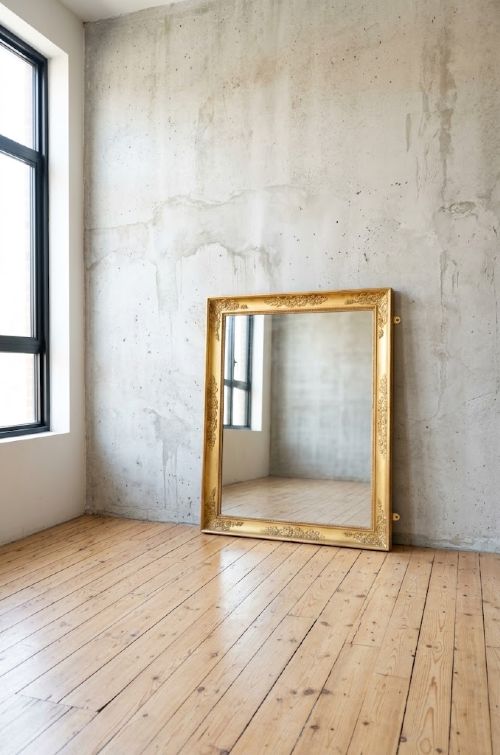
Large nineteenth-century mirrors function effectively as leaner mirrors when placed directly on the floor against a wall, a practice documented in period interiors. This arrangement creates a relaxed, grand sense of scale without requiring permanent wall mounting.
When positioning a heavy frame on the floor, placing felt pads beneath the base protects both the flooring and the bottom moulding. Ensuring the top is anchored securely to the wall prevents accidental tipping in busy rooms.
How do I tell Louis Philippe from Rococo mirrors?
Louis Philippe mirrors feature understated architectural restraint, typically displaying smooth wooden frames with gentle ogee profiles and rounded upper corners. Decoration remains minimal, relying on simple beaded lines or modest crests rather than heavy carving.
By contrast, Rococo Revival pieces showcase exuberant, asymmetrical scrollwork, C-scrolls, and deep floral reliefs moulded in gesso. These ornate nineteenth-century interpretations of eighteenth-century French design present much busier, more dramatic silhouettes.