




French Gilt Metal Box
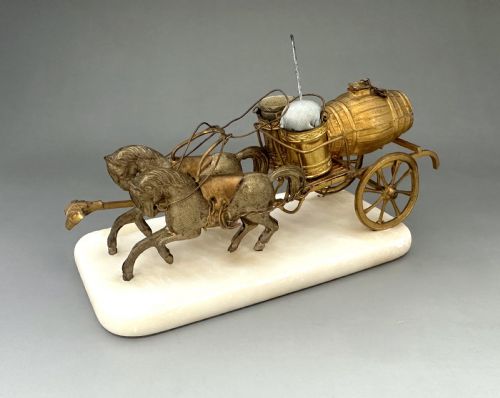
A french gilt metal box holds small treasures on a dressing table, bringing nineteenth-century ornament and heavy cast metalwork into a modern room.
French Gilt Metal Box
A french gilt metal box combines decorative cast metalwork with functional compartments designed for jewellery, trinkets, or sewing accessories. These pieces span the nineteenth century, including specific decades like the eighteen-sixties, seventies, eighties, and nineties, alongside Napoleon III and Art Nouveau interpretations.
The most common formats on this page are jewellery caskets and trinket boxes, frequently featuring hinged lids and glazed panels. Smaller companions and snuff boxes also appear, reflecting the domestic uses of the period.
Makers and origins connect these objects to nineteenth-century French workshops, utilising styles from Rococo and Neoclassical revivals to Palais Royal novelties. Buyers encounter everything from simple gilded copper to elaborate cast bronze frames.
Materials and construction
Construction relies on cast metals such as ormolu, gilt bronze, brass, and gilded copper, often shaped through electro-forming or traditional foundry work. These metal mounts provide structural housing for inset bevelled glass panels and ceramic elements.
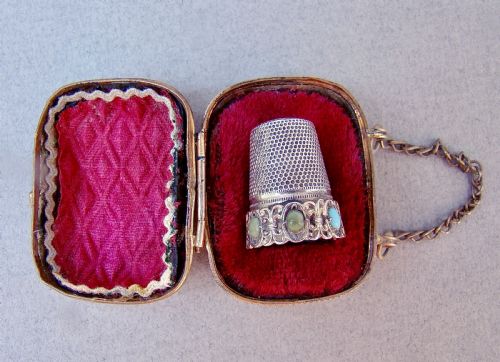
Interiors frequently feature velvet linings to cushion delicate contents like jewellery, thimbles, or small accessories. Additional decorative details include applied enamel work, inset stones, and hand-painted miniature porcelain plaques.
French Gilt Metal Box Retail Price Guide 2026
Typical asking prices for french gilt metal box among the pieces listed under this phrase on Sellingantiques today, from the lower quarter to the upper quarter. They describe what is for sale here now, not the wider market.
Listings feature nineteenth-century French metalwork including ormolu, gilt bronze, and brass, paired with bevelled glass and velvet.
Assessing quality and execution
Quality rests primarily on the crispness of the metal casting and the depth of the original gilding. Finer boxes display sharply defined chased ornament and substantial weight in the bronze or ormolu mounts.
The integration of secondary materials defines the upper tier of pieces. Thick bevelled glass, hand-painted Limoges porcelain inserts, and intact velvet interiors separate standard trinket containers from more ambitious caskets.
Edme Samson Of Paris
The French Gilt Metal Box Glossary
- Ormolu
- Gilded bronze produced by applying a mercury-gilding amalgam to cast bronze, creating a rich golden surface common in nineteenth-century French metalwork.
- Bevelled glass
- Glass panes with angled edges cut and polished to fit tightly into metal frames, adding depth and reflection to display boxes.
- Electro-form
- A manufacturing process using electroplating to deposit metal onto a form, employed for producing thin-walled gilded copper vessels and caskets.
- Chatelaine
- A decorative belt hook worn with suspended chains carrying everyday household tools such as sewing implements, keys, or small boxes.
French Gilt Metal Box: Frequently Asked Questions
What were french gilt metal boxes used for?
These boxes served as desktop or dressing table receptacles for valuable personal items such as rings, brooches, and pins. They also held specialised accessories for sewing and snuff.
Wealthy nineteenth-century owners kept them out on display in salons and boudoirs to store small keepsakes and daily necessities within easy reach.
How do I date a nineteenth-century box?
Dating relies on stylistic clues, manufacturing techniques, and material combinations recorded across the period. Rococo Revival and Neoclassical styles often point toward the mid-nineteenth century.
Later decades introduce flowing Art Nouveau organic lines or electro-forming methods. Makers' marks and stamped initials on the metal frame also help narrow the decade of production.
Are the glass panels original to the caskets?
Original panels typically feature thick glass with distinct bevelled edges designed to seat precisely within the cast metal channels. They show age-appropriate surface wear consistent with the metal mountings.
Replacements often lack the characteristic thickness and bevel angle of nineteenth-century production. Inspecting the fit inside the frame reveals how the glass was secured originally.
How do I care for antique gilt metal?
Maintenance requires dry dusting with a soft, clean brush to remove particles from crevices in the cast ornament. Avoid liquid polishes and abrasive cloths, which strip away the thin layer of gold.
Keep the boxes away from direct sunlight and high humidity to protect internal velvet linings and delicate enamel or porcelain components.