



French Gilt Girandole
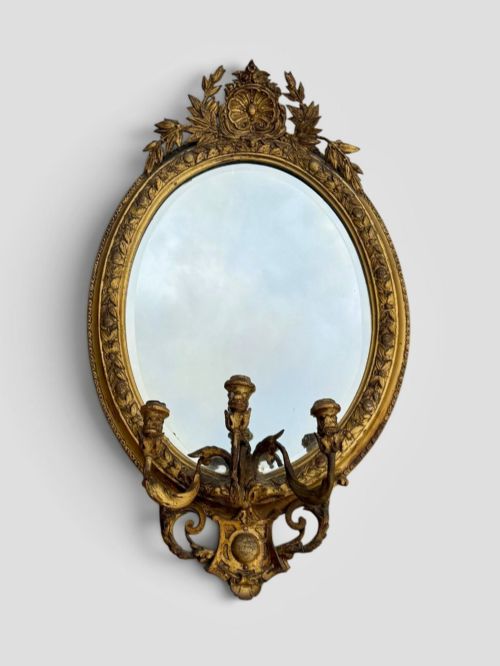
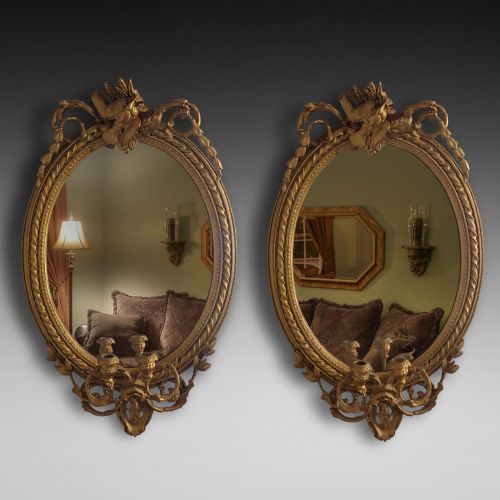
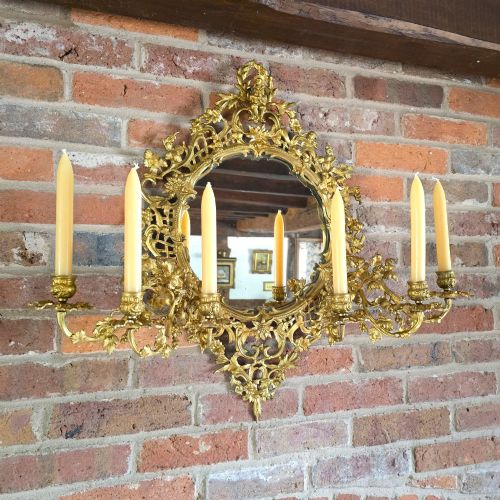
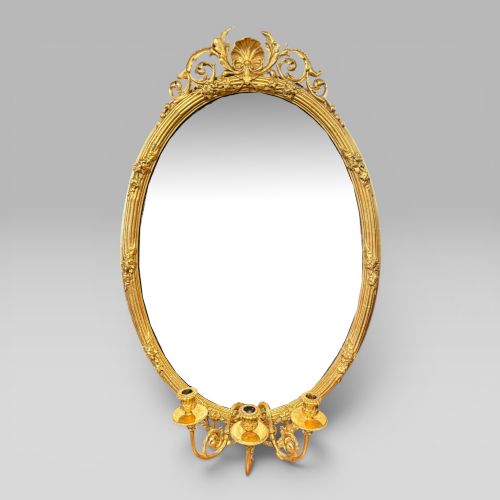
A french gilt girandole combines a reflective glass surface with candle arms, bringing decorative warmth and functional illumination to a wall.
French Gilt Girandole
A french gilt girandole unites a wall mirror with attached candle branches, creating a piece designed to multiply candlelight across a room. The items span the nineteenth century and the early decades of the twentieth century, with Victorian and French periods represented frequently.
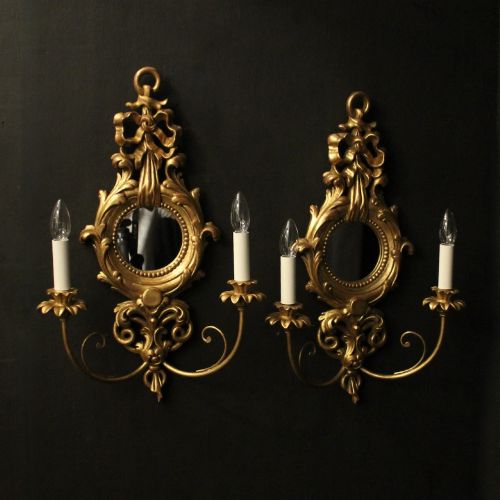
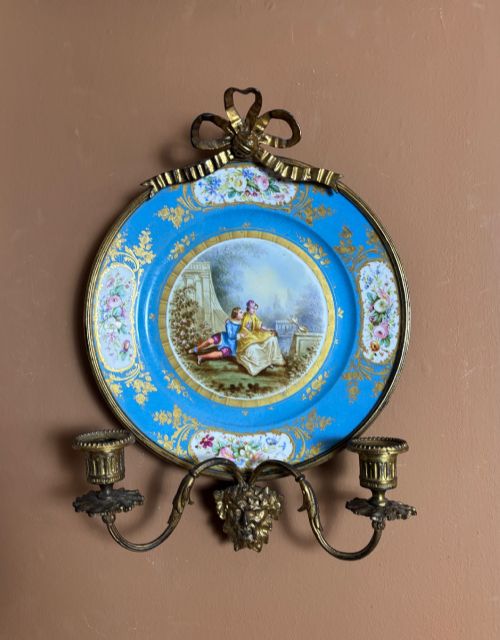
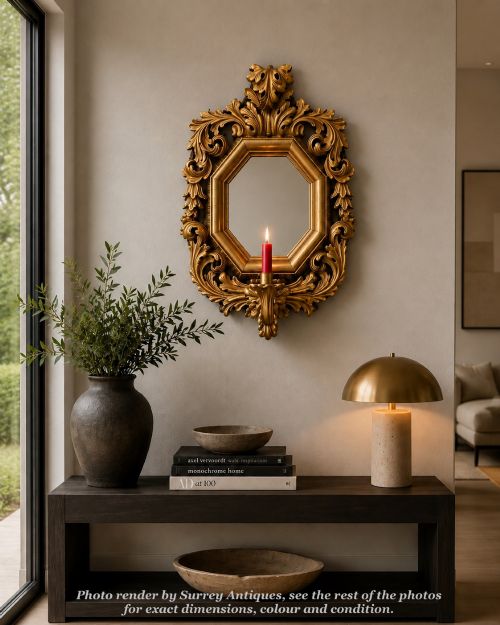
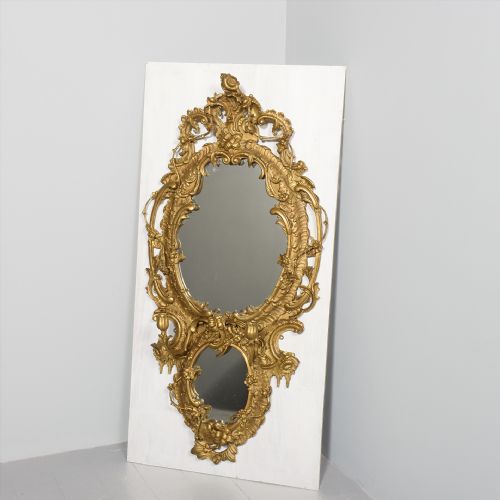
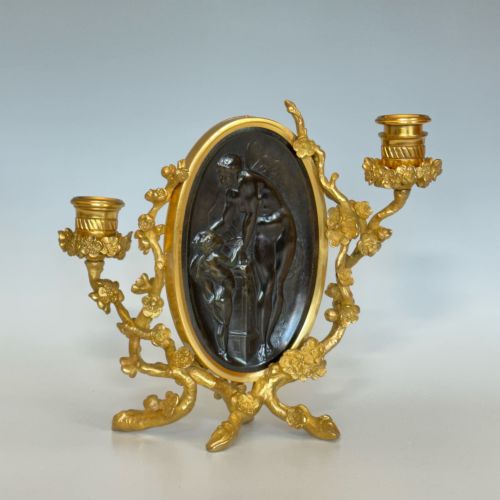
Most examples take the form of wall mirrors fitted with twin or triple candle arms, though single sconces and table mirrors also appear. Carved giltwood frames, gesso compositions, and cast bronze or ormolu mountings form the primary bodies of these wall fixtures.
How They Were Made
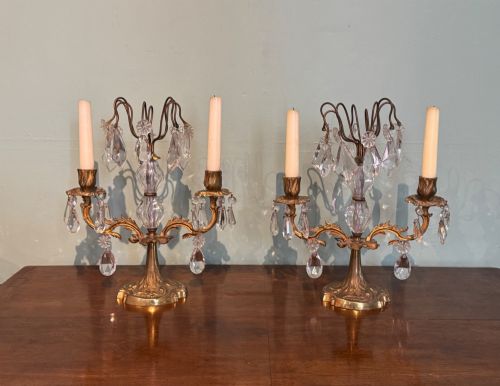
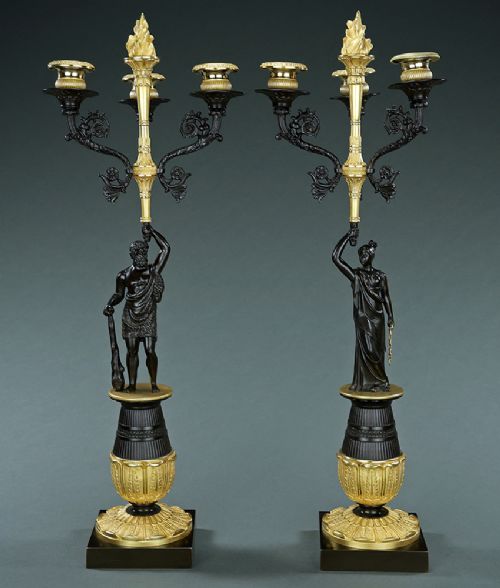
Carvers shaped wooden frames from timber before applying layers of gesso to build up intricate relief ornaments, which were then gilded with gold leaf. Metal components utilised cast bronze, brass, or ormolu, often combined with cut glass drops and crystal components.
Mirrors employed flat or convex glass plates secured within decorated surrounds, while metal arms were screwed or pinned directly into the structural frame to support the weight of candles.
Listings feature eighteenth- and nineteenth-century design revivals including Rococo, Neoclassical, and Second Empire styles.
What Varies in Quality
The crispness of the carved detail on giltwood and gesso frames dictates visual depth, where hand-carved elements display sharper definition than cast plaster mouldings. The weight and finish of the bronze or ormolu mounts similarly separate standard production from finer artisan work.
Originality of the gilding and the retention of period cut glass drops determine the integrity of a piece, while structural soundness in the joints holding the candle arms indicates careful historic construction.
Thiebaut Freres
The French Gilt Girandole Glossary
- Girandole
- A branched candleholder or candelabrum combined with a wall mirror. The reflective glass serves to amplify the light cast by the candles.
- Gesso
- A plaster-like mixture applied to wood frames to create a smooth surface for carving and gilding. It allows artisans to achieve deep, ornate relief decoration.
- Ormolu
- Finely ground high-carat gold applied to a bronze base using a mercury amalgamation process. This technique gives metal mounts a rich, durable golden finish.
- Convex mirror
- A curved glass plate that provides a wide-angle reflection of an interior space. These curved plates are often integrated into circular girandole frames.
French Gilt Girandole: Frequently Asked Questions
How do I hang a heavy giltwood girandole safely?
Wall fixtures carrying heavy carved wood and glass require secure mounting directly into wall studs or through appropriate heavy-duty wall anchors. The weight of the protruding candle arms places forward leverage on the hanging brackets.
Positioning the fixture at eye level ensures the mirror functions effectively while distributing the load evenly across the supporting hardware.
Can I burn real candles on antique girandoles?
While the candle arms are built to hold taper candles, burning real wax produces heat and drips that can damage historic gilding and glass drops. Many owners choose to use non-drip candles or electronic alternatives to protect the finish.
If lighting actual candles, monitoring the flame prevents wax accumulation on delicate ormolu and gesso surfaces.
How should I clean antique gilt surfaces?
Dusting gently with a dry, soft brush prevents particle buildup without disturbing fragile gold leaf or gesso relief work. Liquid cleaners and commercial polishes should be avoided entirely, as they strip historic finishes.
Glass plates can be wiped with a slightly damp cloth while taking care not to let moisture touch the surrounding frame.
What distinguishes Rococo Revival from Neoclassical styles?
Rococo Revival pieces feature asymmetrical scrolls, C-scrolls, floral motifs, and naturalistic curves that create an ornate, fluid appearance. Neoclassical designs rely on symmetry, straight lines, urns, and classical architectural details.
Examining the frame ornamentation reveals whether the maker followed the flowing organic lines of the mid-nineteenth century or the restrained geometry of earlier classical revivals.