

French Gilt Bronze Timepiece
A french gilt bronze timepiece brings nineteenth-century domestic theatre onto the mantelpiece through cast metal and precise mechanical work.
French Gilt Bronze Timepiece
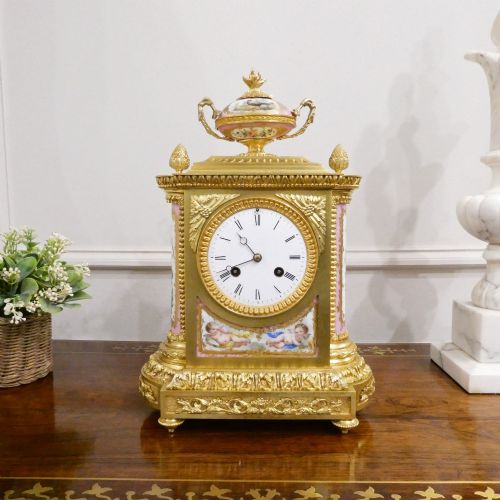
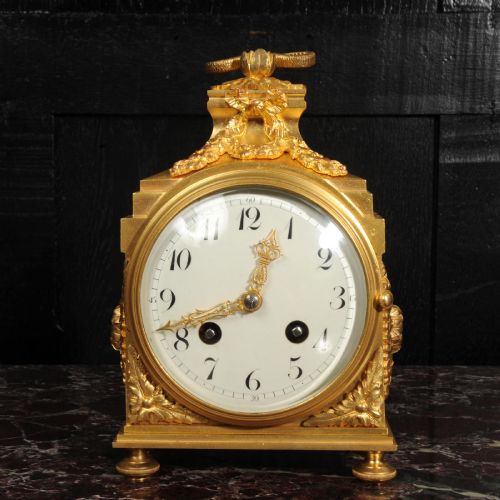
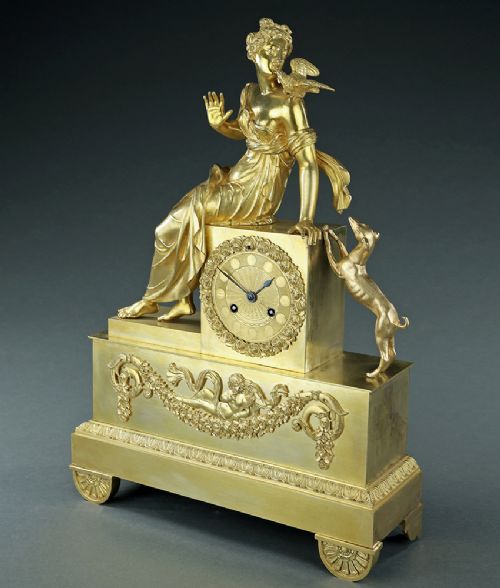
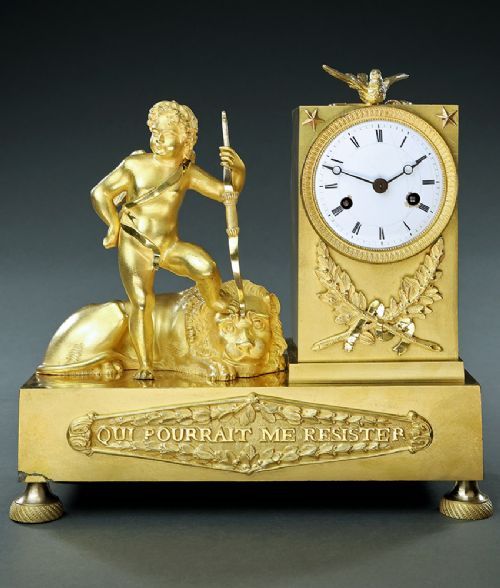
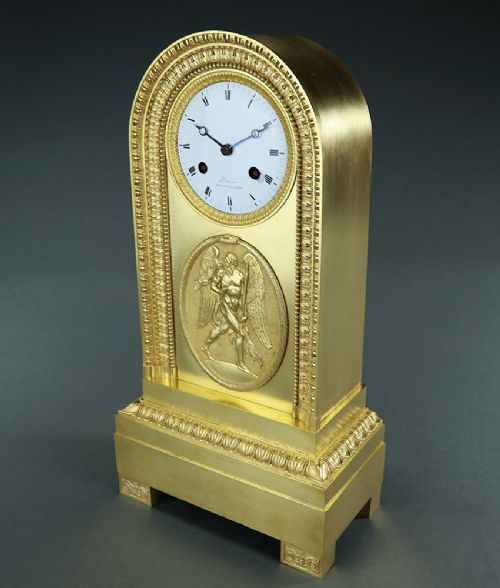
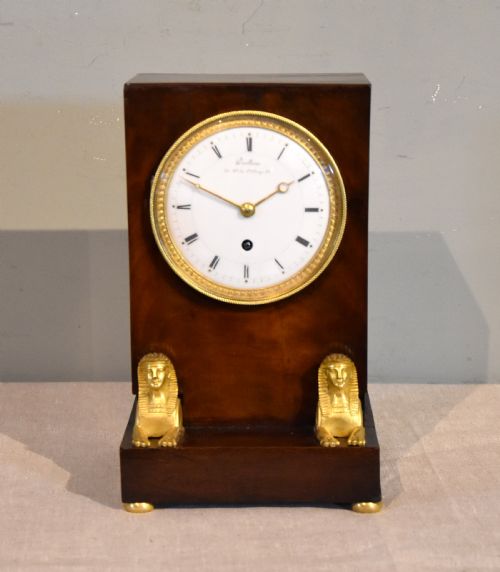
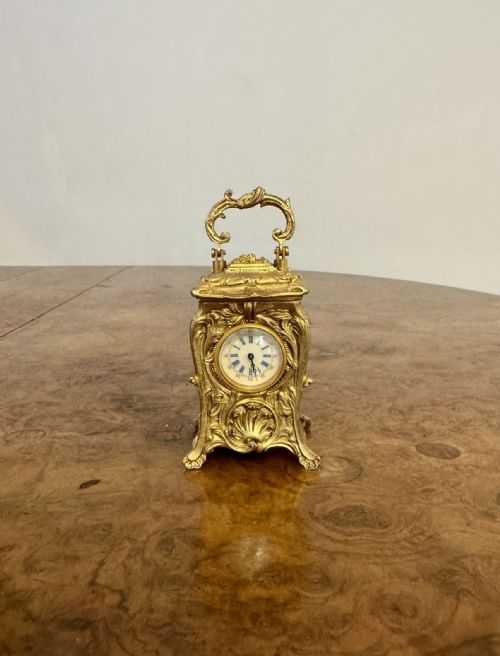
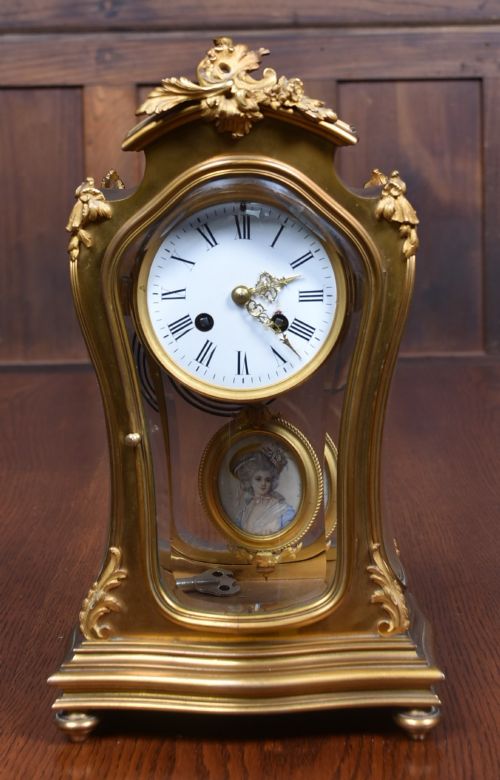
When you search for a french gilt bronze timepiece, you encounter heavy mantel clocks and small table pieces rooted in nineteenth-century workshops and drawing rooms. The most common versions on this page date from the Victorian era and the mid-to-late nineteenth century, adopting styles from French Empire to Rococo Revival.
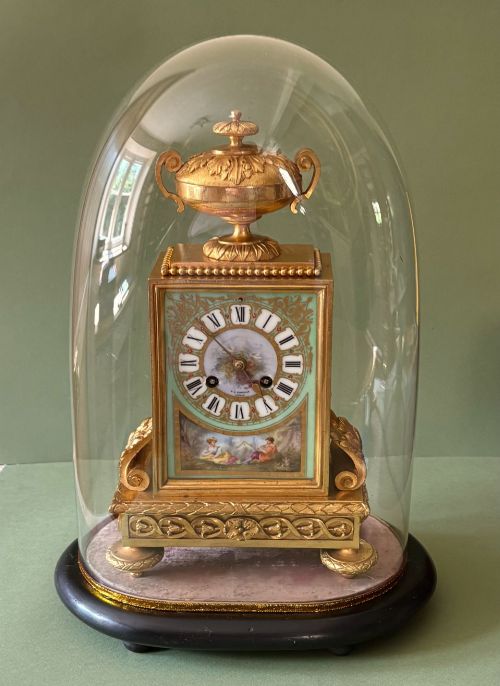
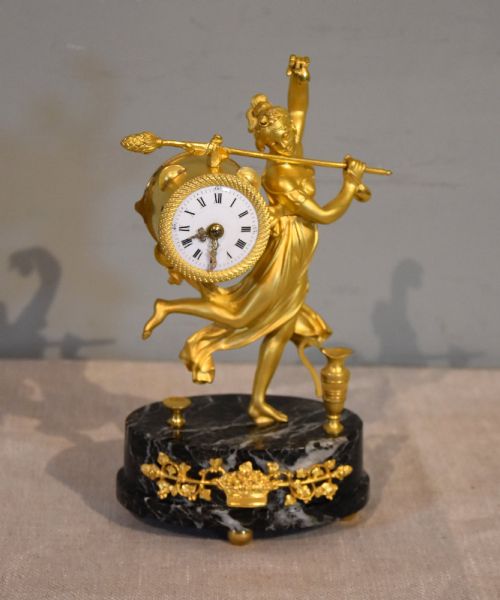
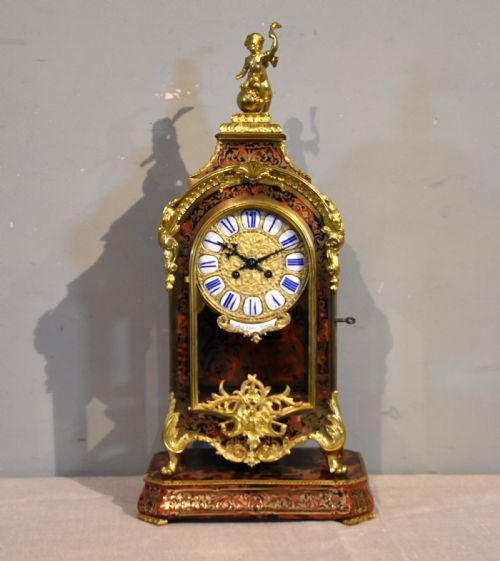
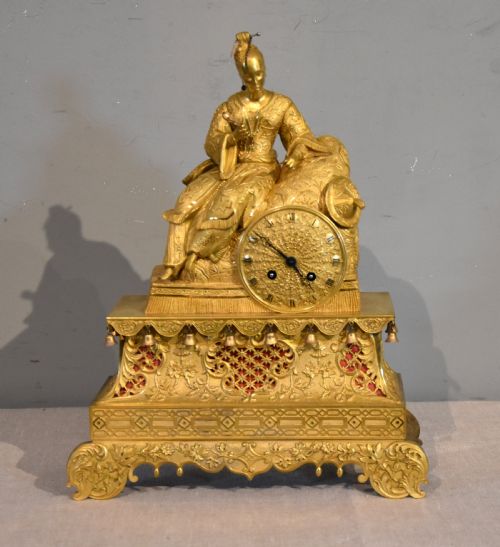
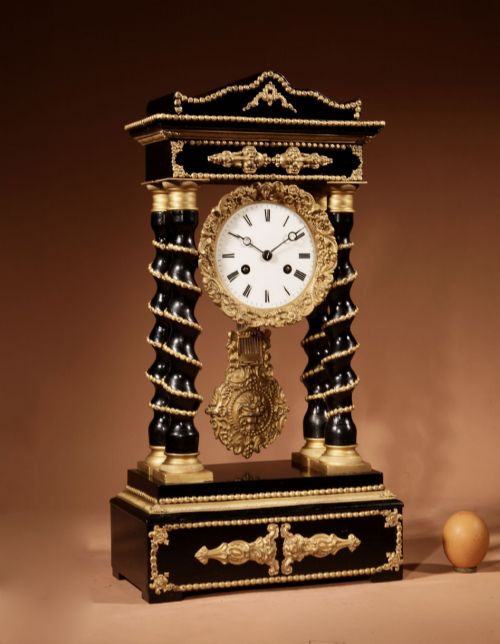
These objects served primarily as functional status symbols in grand reception rooms, telling the time while displaying allegorical figures, mythological scenes or architectural porticos. Cases take the form of lyres, borne plinths, animal subjects and elaborate rococo scrolls, often housing enamel or hand-painted dials behind glass panels.
Materials and Construction
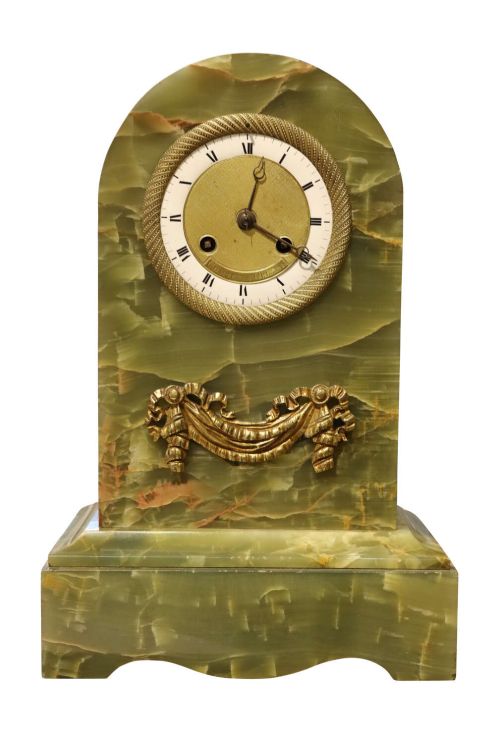
The body of a french gilt bronze timepiece relies on metalcasting, combining gilt bronze and ormolu with patinated bronze, brass or marble bases in green, red and black. Artisans applied mercury gilding or modern electroplating to cast brass and bronze components to achieve a lasting golden sheen.
Movements were engineered by specialist horologists, sometimes incorporating porcelain panels, champlevé enamel or tortoiseshell veneers into the housing. Dials frequently feature delicate enamel work or miniature paintings signed by makers, protected by thick bevelled glass.
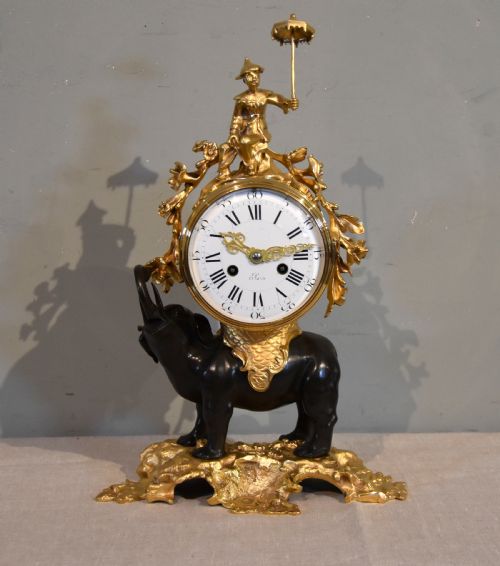
Cases range from monumental architectural portico structures down to miniature carriage clocks and animal forms depicting elephants and lions.
Determining Quality
The integration of the movement with the case also separates standard items from the finest works. Original signed movements by known Paris makers paired with matching numbered pendulum components indicate a higher tier of original manufacture.
Jean-Baptiste Delettrez·Charles à Orléans·Le Roy Paris·Leon Message·Jollet et Cie·Samuel Marti·Japy Frers·Cleret
The French Gilt Bronze Timepiece Glossary
- Ormolu
- Finely ground high-carat gold applied to a bronze base using a mercury amalgamation technique. This historic process creates a warm, deep yellow lustre distinct from modern electroplate.
- Pendule d'Officier
- A portable military-style officer's clock fitted with a handle, often housed in a leather travel case. These compact timepieces gained popularity during the French Empire and Restauration periods.
- Champlevé
- An enamelling technique where troughs are dug into the metal surface and filled with vitreous paste before firing. The resulting coloured patterns ornament the clock bezel or case.
- Portico Clock
- A clock design featuring a rectilinear architectural frame supported by four columns. This neoclassical form often incorporates a suspended pendulum swinging within the open central space.
- Fusee
- A conical pulley used in clock movements to maintain even driving force as the mainspring unwinds. This mechanism improves the timekeeping accuracy of the clock.
French Gilt Bronze Timepiece: Frequently Asked Questions
How do I wind my timepiece?
Most nineteenth-century clocks use a key inserted into winding holes on the enamel dial to tension the mainspring barrels. Turn the key gently until you feel firm resistance, avoiding over-winding to protect the historical springs.
Ensure you match the correct winding direction for each arbour, as striking trains and time trains often operate independently and require separate attention.
Why is my clock losing time?
Mechanical clocks are sensitive to out-of-level surfaces, temperature shifts and the accumulation of old lubricants within the gear train. Adjusting the small regulation square on the pendulum bob usually corrects minor speed variations.
If the timepiece consistently stops or gains erratically, the movement likely requires professional cleaning and servicing by a horologist familiar with antique French escapements.
How do I identify the period?
Examine the stylistic cues of the bronze case, such as the martial trophies of the Empire period or the asymmetrical scrolling leaves of Rococo Revival pieces. Maker signatures stamped on the backplate of the movement provide a reliable production window when cross-referenced with trade records.
Materials also offer clues, as heavy green and red marble bases frequently point to mid-to-late nineteenth-century Victorian manufacturing trends.
Where should I place the clock?
Position the timepiece on a stable mantelpiece, heavy sideboard or bracket fixed securely to a wall away from direct sunlight and damp draughts. Wooden furniture must be level to ensure the pendulum swings with an even, symmetrical beat.
Keep mechanical clocks away from exterior walls where temperature fluctuations can cause the metal components and wooden cases to expand and contract.