


French Gilt Bronze Sculpture
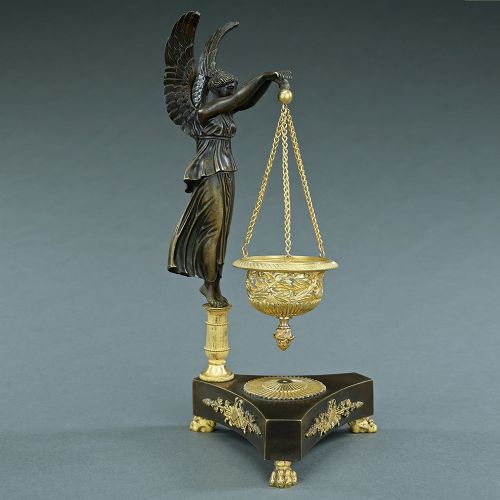
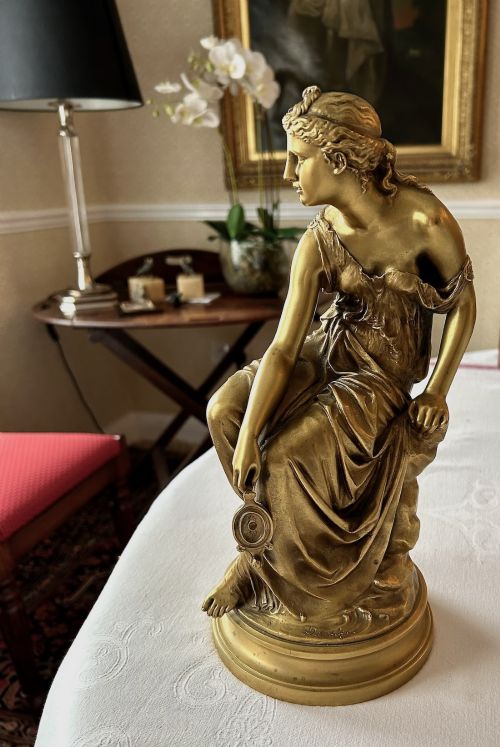
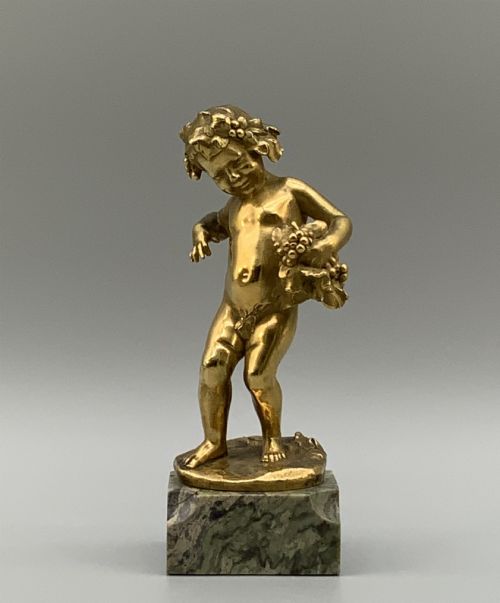
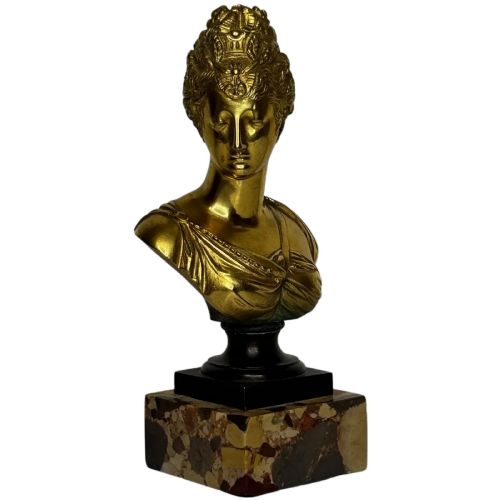
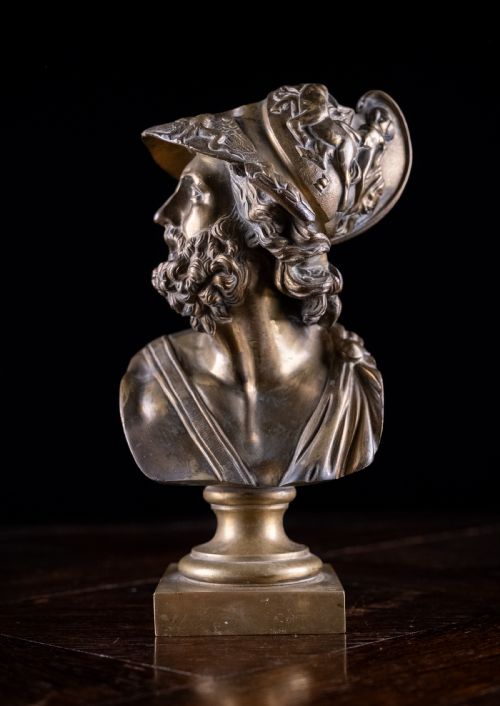
French gilt bronze sculpture brings together classical figures, animals and architectural mounts cast in bronze and finished in gold.
French Gilt Bronze Sculpture
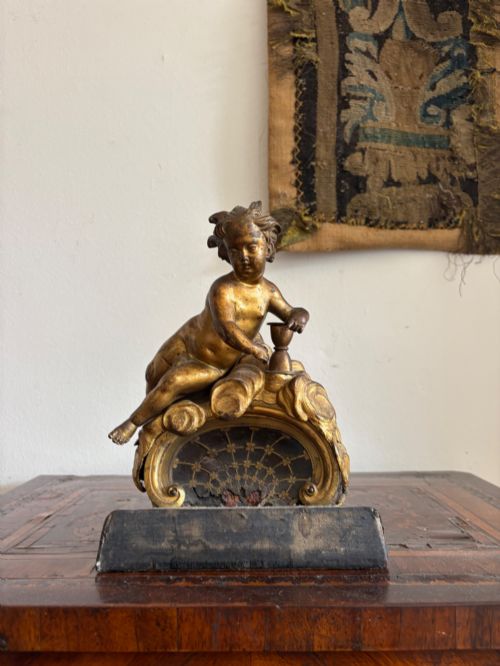
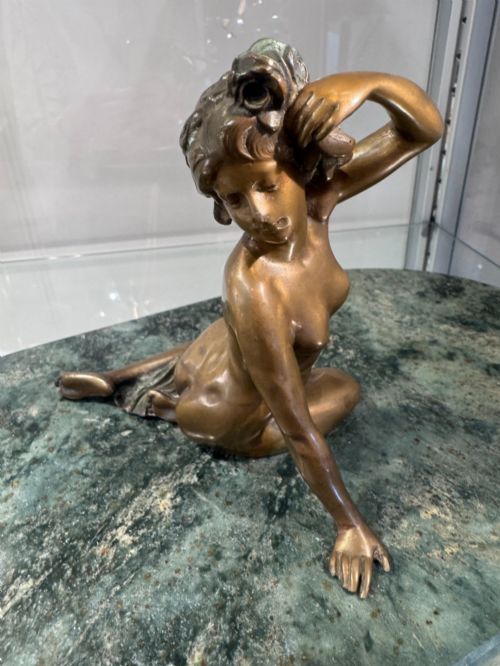
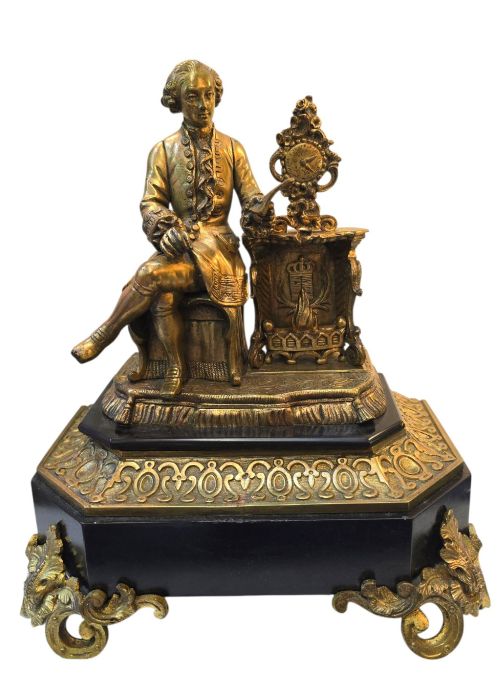
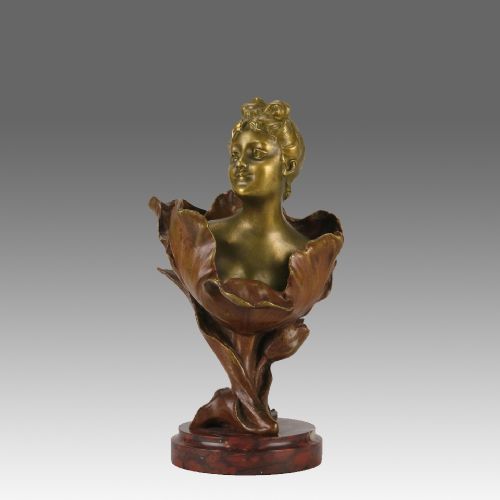
French gilt bronze sculpture encompasses decorative figures, inkstands, clock mounts and architectural ornaments created across the eighteenth, nineteenth and early twentieth centuries. Buyers seeking these works will encounter Neoclassical deities, Art Nouveau dancers and animal studies cast in metal and enriched with mercury gilt or ormolu finishes.
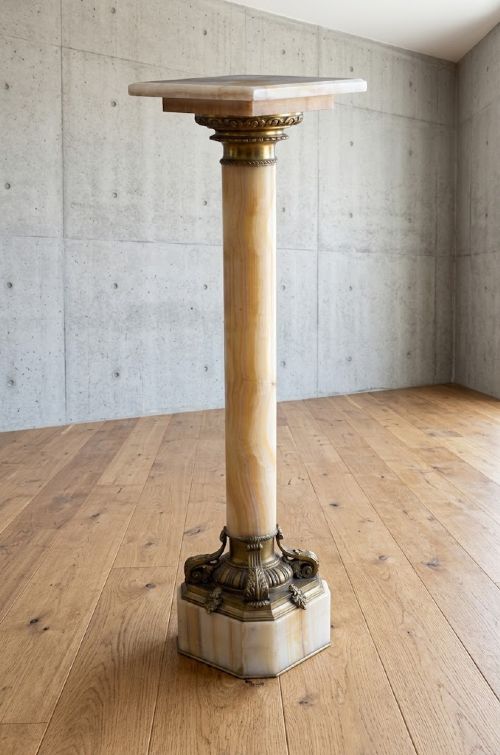
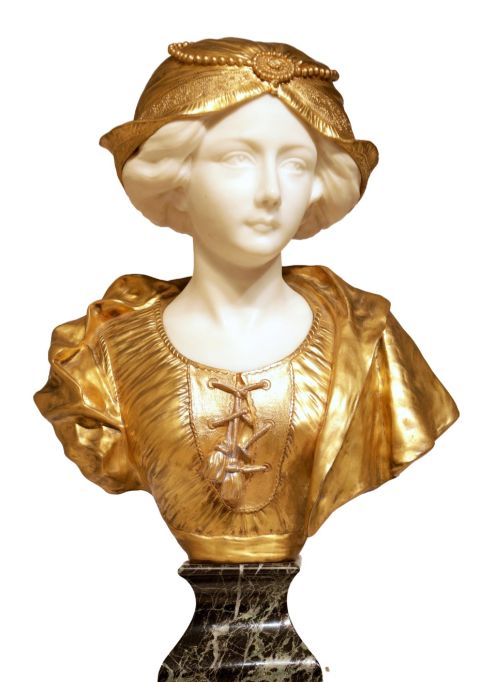
The objects appearing most frequently on this page range from nineteenth century figural groups and portrait busts to small desk accessories and furniture mounts. Many incorporate contrasting materials such as marble plinths, onyx columns and carved ivory details to elevate the overall composition.
Originating largely from Parisian workshops and foundries, these pieces reflect changing aesthetic movements from French Rococo and Second Empire grandeur to the clean lines of Art Deco. Each category demonstrates the versatility of bronze as a medium for both monumental human forms and intricate decorative hardware.
How they were made
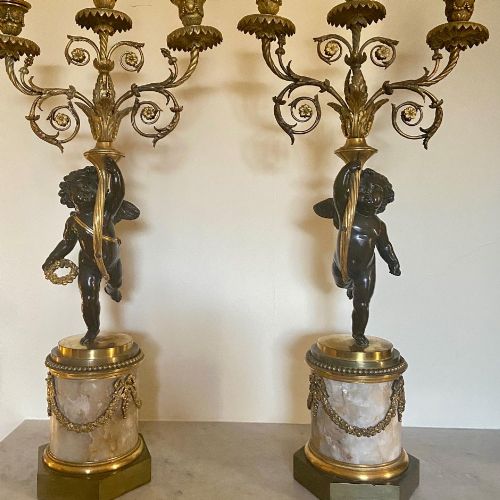
Guilders applied gold leaf or an amalgam of gold and mercury to the bronze surface, heating the piece to bond the precious metal before burnishing select areas to a mirror shine while leaving others matte for contrast. Many sculptures incorporate marble, onyx or fluorspar bases fitted with ormolu collars and mounts.
What varies in quality
Quality in these sculptures rests upon the crispness of the initial casting and the depth of the subsequent hand-chasing work. Superior pieces retain sharp linear definition and subtle textural variations rather than smooth, indistinct surfaces resulting from worn production moulds.
The durability and richness of the gilt or ormolu surface also distinguish finer examples from standard commercial productions. Uniformity of the gold application, combined with secure mounting to quality marble or onyx bases, marks the boundary between workshop output and master foundry work.
Poix Blin·Etienne-Henri Dumaige·Susse Freres·Francois Redmond·Pierre-Augustin Caron de Beaumarchais·Affortunato Gory·Demetre Chiparus·Henri Godet·Carrier-Belleuse·Leon Message·Jollet et Cie·Louis Riche·Paul Philippe·Ernst Barrias·Eurotrope Bouret·Christophe Fratin·Antoine Louis Barye
The French Gilt Bronze Sculpture Glossary
- Ormolu
- A term denoting finely ground gold-mercury amalgam applied to bronze objects. This historic technique produces a rich, warm yellow surface finish seen on nineteenth-century mounts and clock cases.
- Patinated bronze
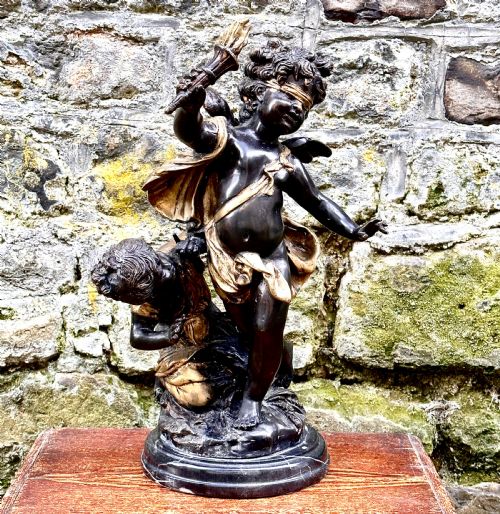
- Bronze treated with chemical solutions to alter its surface colour to brown, green or near-black. This dark finish contrasts sharply with bright gilt highlights on figural sculptures.
- Chryselephantine
- A sculpture combining bronze with carved ivory elements. This technique gained particular popularity during the Art Nouveau and Art Deco periods for depicting dancers and figures.
- Applique
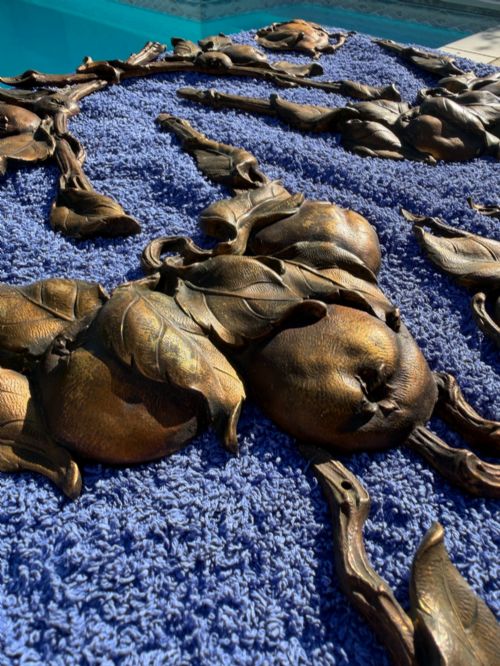
- An ornamental metal mount designed to be fixed onto furniture, wood panels or walls. These decorative pieces often take the form of scrolling foliage, putti or classical trophies.
- Casting
- The primary manufacturing process where molten metal is poured into a mould. The accuracy of this initial step determines the complexity of detail visible in the finished sculpture.
French Gilt Bronze Sculpture: Frequently Asked Questions
How do I clean gilt bronze?
Dust the surface gently with a soft, dry brush to prevent accumulation in recessed chased areas. Avoid using commercial metal polishes, abrasive cloths or water, as these can strip the delicate gold layer.
Professional conservation is recommended for pieces showing tarnish or structural grime. Proper handling ensures the original ormolu surface remains intact and stable for years.
Where were these sculptures made?
The vast majority originate from workshops and foundries located in Paris. These Parisian makers employed specialised modellers, founders and guilders to produce decorative bronzes for domestic interiors.
Many pieces bear foundry stamps or artist signatures on the bronze base. These marks help identify the specific workshop responsible for the casting and finishing.
How do I display these sculptures?
Place sculptures on stable, level surfaces away from direct sunlight and excessive humidity. Marble pedestals, wooden mantelpieces and dedicated display cabinets provide adequate physical support.
Ensure heavy marble or bronze pieces rest on furniture capable of bearing their weight safely. Adequate spacing allows the fine chased details to be appreciated from multiple angles.