


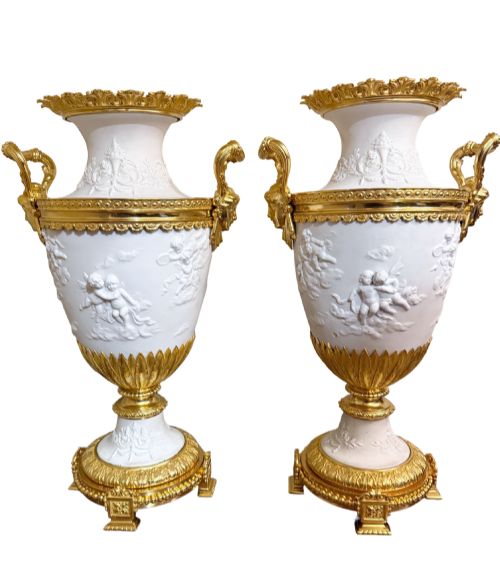

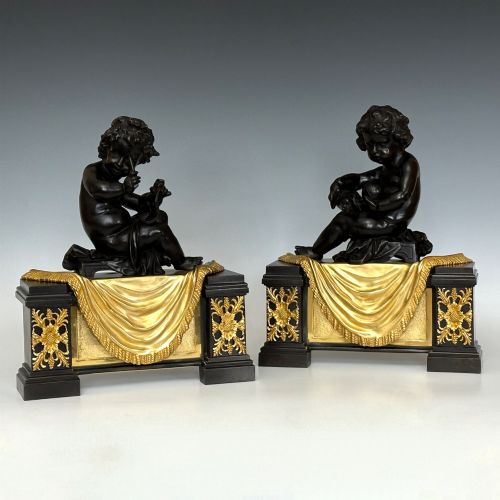
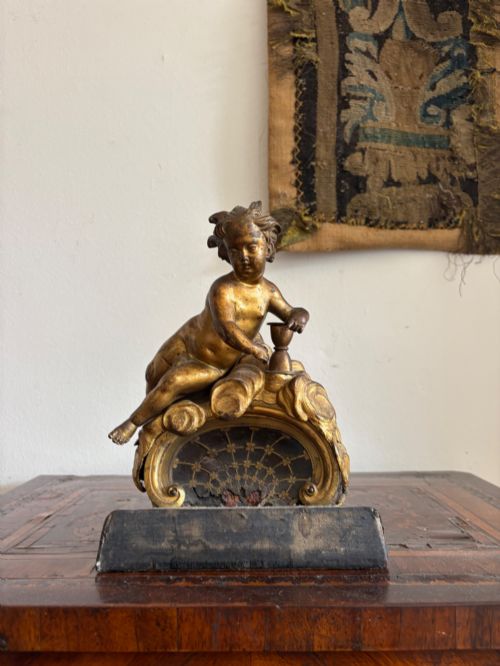
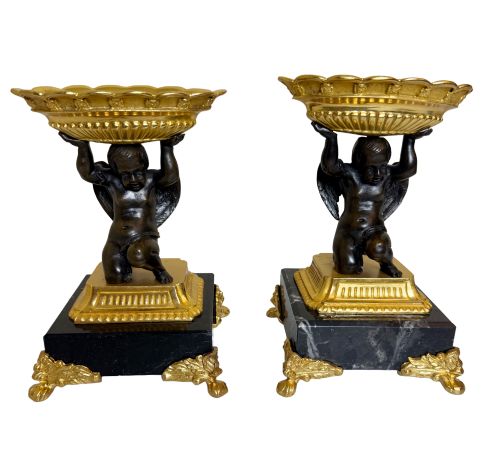
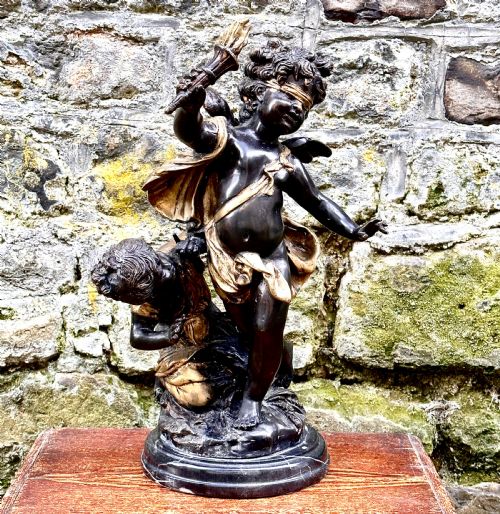
French Gilt Bronze Putto
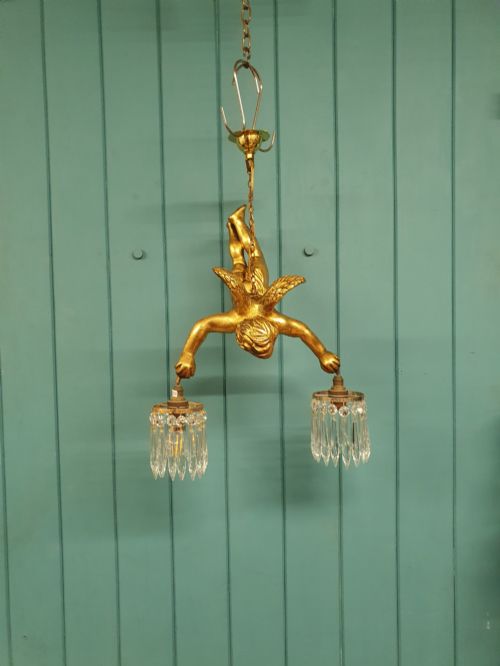
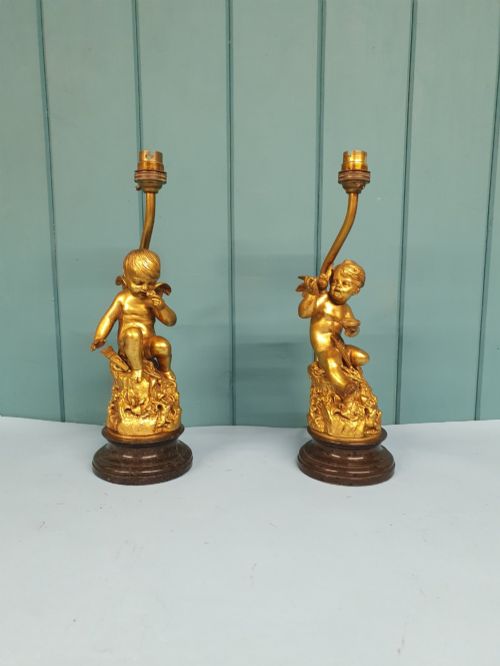
A french gilt bronze putto brings exuberant classical sculpture into domestic interiors through animated figures of winged infants.
French Gilt Bronze Putto
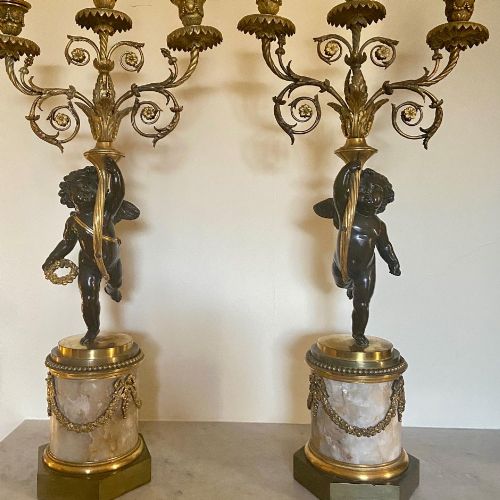
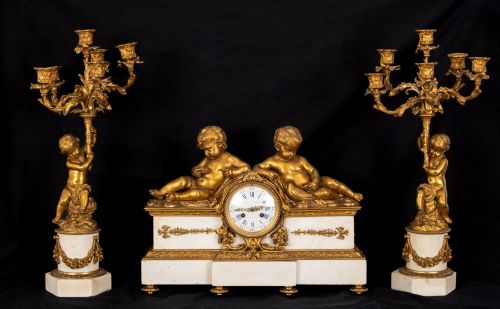
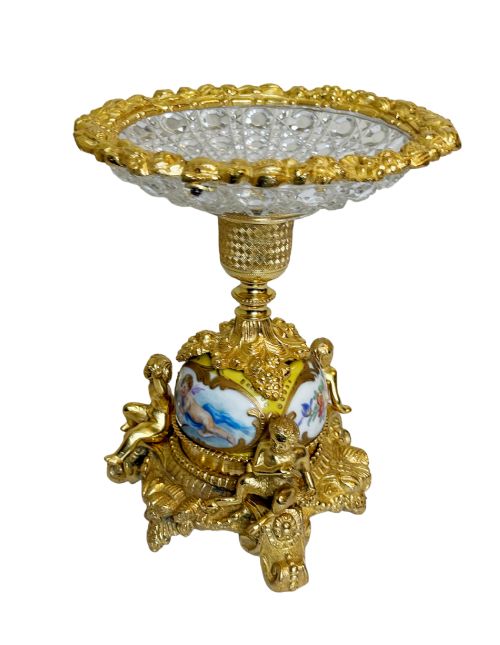
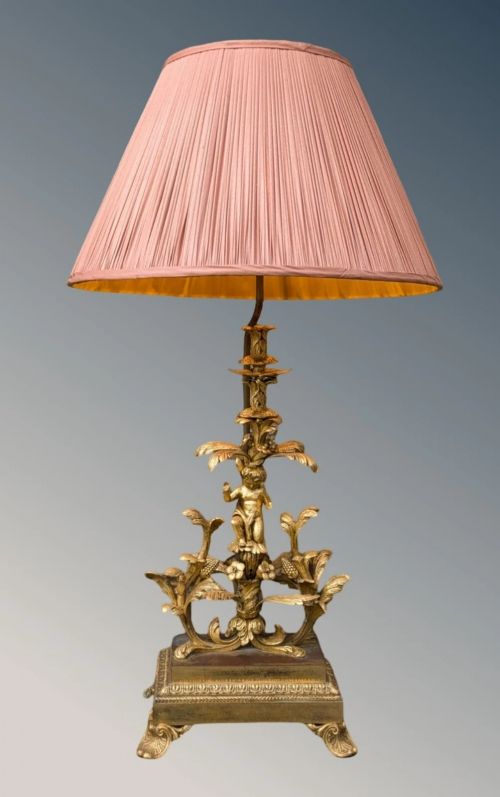
When searching for a french gilt bronze putto, collectors encounter decorative objects and functional furnishings populated by winged infant figures. These pieces range from monumental mantel clocks and candelabra to smaller tabletop ornaments, tazzas, and wall sconces.
The selections appearing here draw heavily from nineteenth-century revivals of earlier court styles, particularly Rococo, Empire, and Louis XVI aesthetics. Such items frequently integrate multiple materials, pairing cast metal figures with marble bases, porcelain bodies, or cut crystal glass.
How They Were Made
Maker workshops produced these figural works using traditional metal casting techniques, followed by careful chasing and mercury gilding or the application of ormolu. This chemical or fire-gilding process yielded a durable, deep golden surface that required minimal polishing.
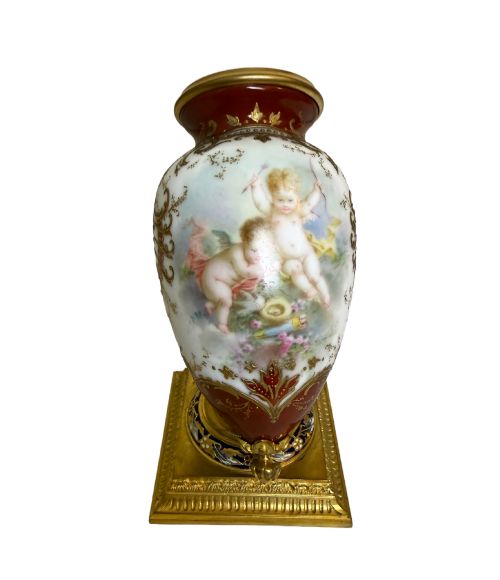
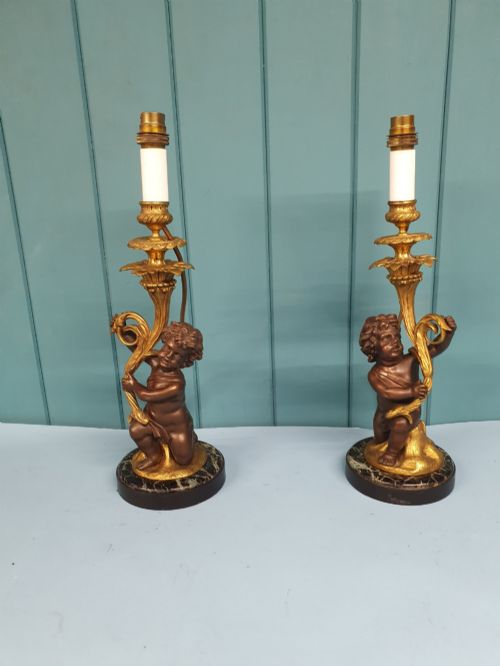
Artisans combined the gilt metal components with contrasting elements such as white marble plinths, patinated bronze, hand-painted porcelain from manufactories like Sevres, and cast crystal. Assemblage relied on threaded rods and pins to join the heavy metallic and mineral parts securely.
Materials appearing across the inventory include gilt bronze, ormolu, marble, enamel, patinated bronze, porcelain, and glass.
What Varies in Quality
The definition and depth of the metal chasing separate standard decorative items from superior productions. Skilled artisans spent considerable time refining hair, feather, and facial details by hand after the piece emerged from the sand or lost-wax mould.
The weight and selection of supporting materials also indicate distinction. Dense marbles, substantial bronze gauges, and integration with high-grade porcelain or cut crystal distinguish the more ambitious commissions from lighter, mass-produced commercial outputs.
Charles Louis Malric·Susse Freres·Francois Redmond·Le Roy·Leon Message·Jollet et Cie
The French Gilt Bronze Putto Glossary
- Putto
- A representation of a chubby male child, often winged, derived from classical art and frequently seen in Renaissance and revival decorative pieces.
- Ormolu
- Finely ground high-carat gold applied to a bronze base using a mercury amalgamation technique, yielding a rich golden finish.
- Chenet
- A decorative metal fire dog or andiron placed at the hearth, often cast with figural mounts and putti.
- Garniture
- A coordinated set of decorative objects, typically comprising a central mantel clock flanked by matching candelabra or vases.
- Patinated bronze
- Metal treated with chemical solutions to produce a deliberate surface colour, ranging from dark brown to deep green.
French Gilt Bronze Putto: Frequently Asked Questions
What is a french gilt bronze putto?
A french gilt bronze putto is a cast metal sculptural depiction of a winged infant, produced primarily in nineteenth-century France as a decorative art motif. These figures animate functional household objects such as clocks, lighting fixtures, and hearth accessories.
Craftsmen integrated these cherubic figures into diverse domestic items, reflecting sustained European fascination with classical mythology and Baroque revival design. The resulting pieces served as both status symbols and decorative focal points for affluent interiors.
How were these metal figures used?
These pieces functioned primarily as ornamental hardware and lighting devices within formal nineteenth-century drawing rooms and parlours. They illuminated spaces as candelabra and wall sconces, or measured time when mounted onto mantel clock garnitures.
Smaller examples served as desk accessories, finials, or standalone cabinet sculptures. Their presence added warmth, narrative detail, and opulent material texture to domestic architecture.
How do I clean gilt bronze?
Maintenance requires only gentle dusting with a soft, dry cloth to prevent the accumulation of abrasive particles. Avoid commercial metal polishes, abrasive pads, and chemical cleaners, which strip away the delicate original mercury gilding.
Professional conservation is recommended for pieces requiring deeper intervention or structural repair. Preserving the integrity of the surface finish maintains both historical character and visual depth.
How are different periods identified?
Dating relies on stylistic clues, casting techniques, and the integration of secondary materials such as marble or porcelain. Earlier eighteenth-century and restoration pieces display crisp hand-chasing and heavier foundational casting, while later nineteenth-century revival items adopt mechanised production methods.
Maker signatures, foundry stamps, and dial inscriptions provide definitive chronological markers. Comparing decorative motifs against documented court styles further clarifies the era of manufacture.