

French Gesso Wall Mirror
A french gesso wall mirror brings reflective depth and sculpted ornamentation to a room, drawing the eye with period craftsmanship.
French Gesso Wall Mirror
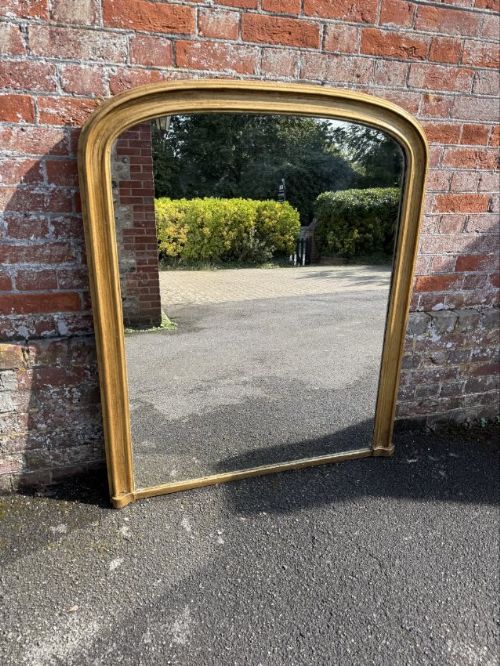
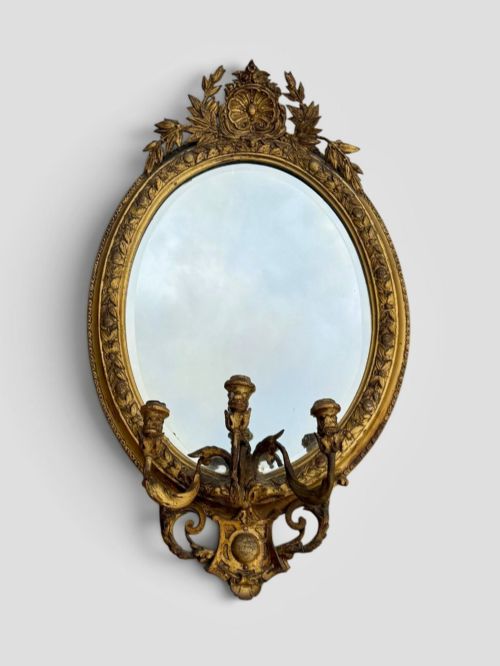
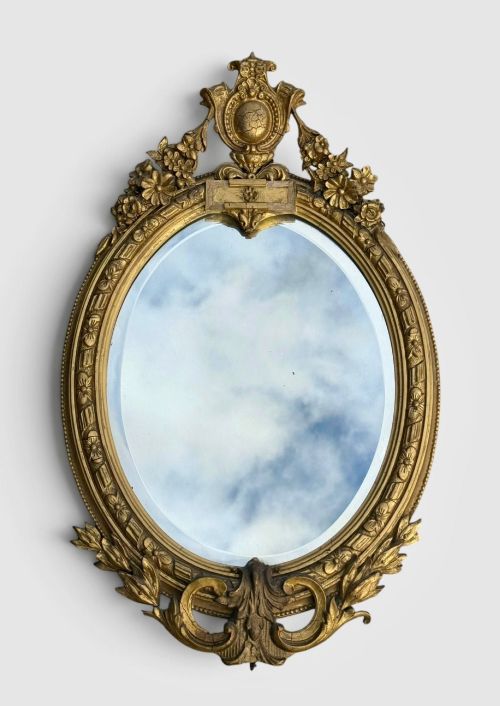
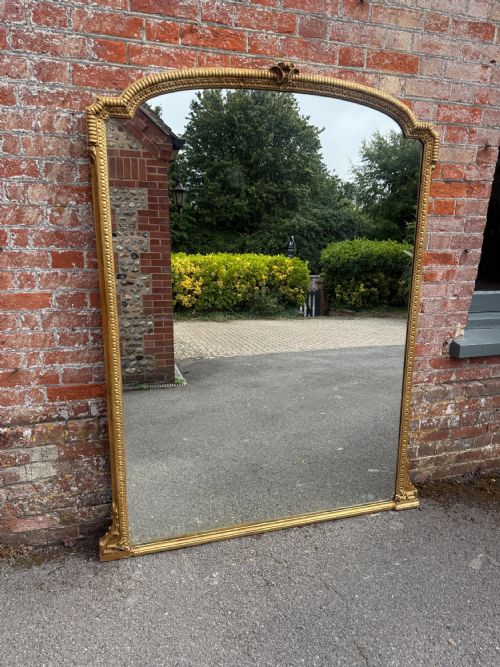
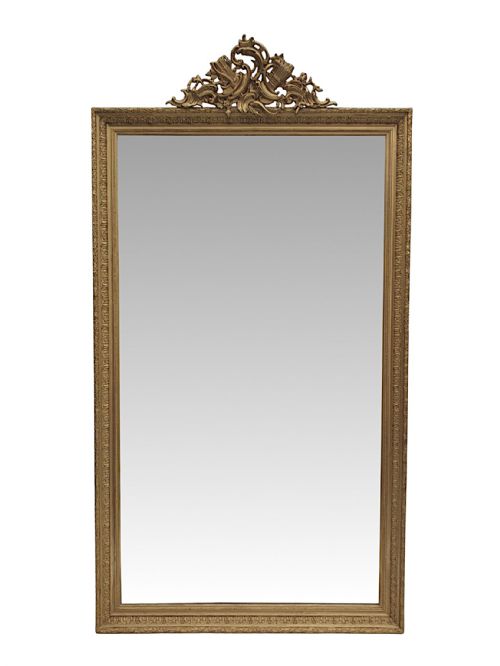
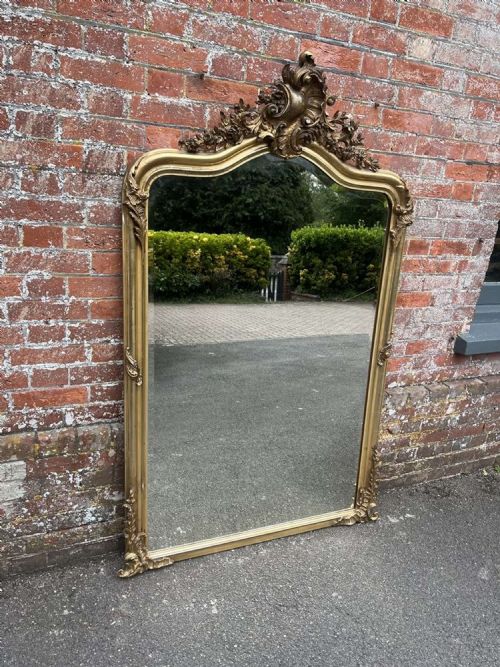
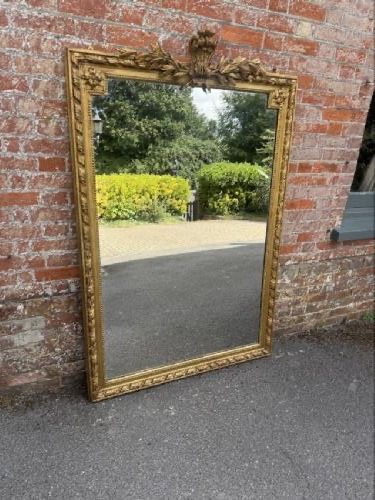
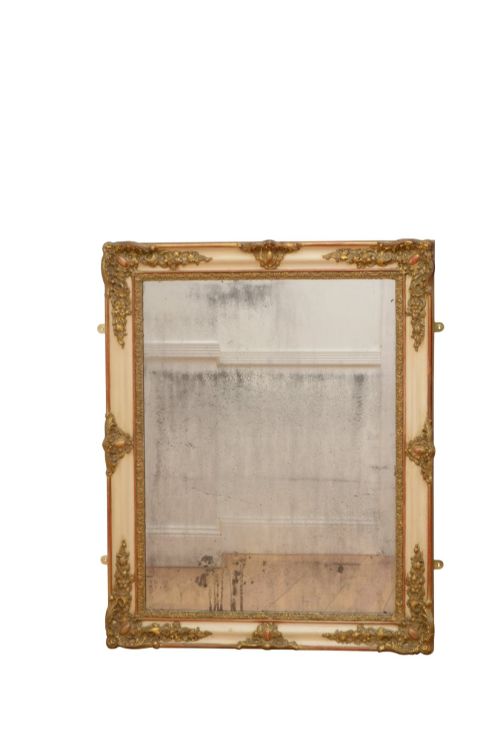
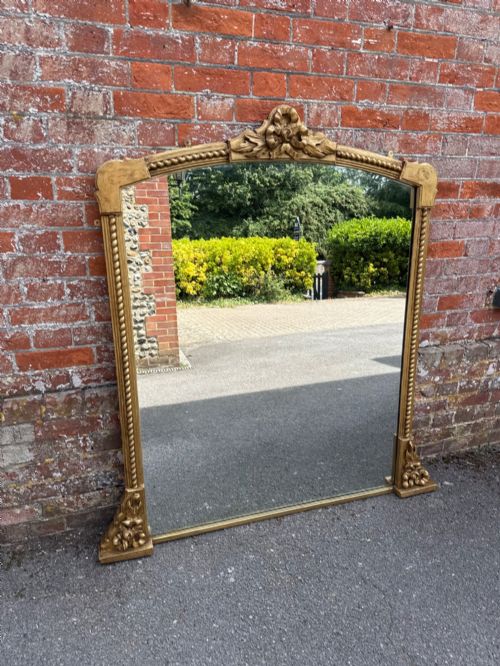
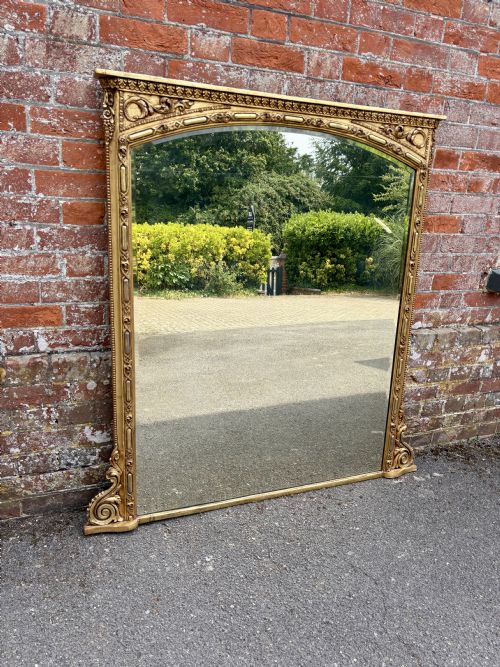
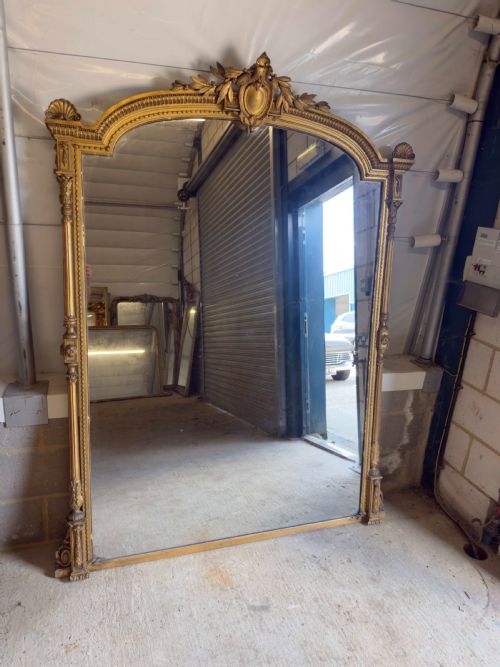
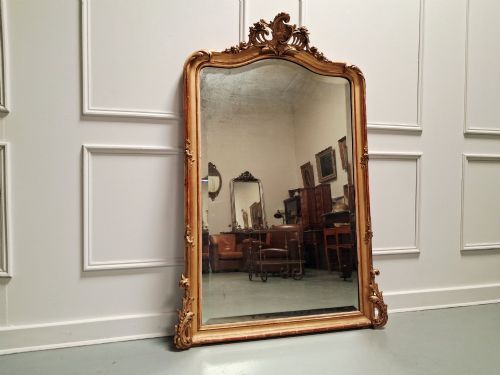
A french gesso wall mirror encompasses decorative looking glasses produced across the nineteenth and eighteenth centuries, shaped into rectangular, arched, and oval formats. These pieces often serve as principal focal points above mantelpieces or along principal reception room walls.
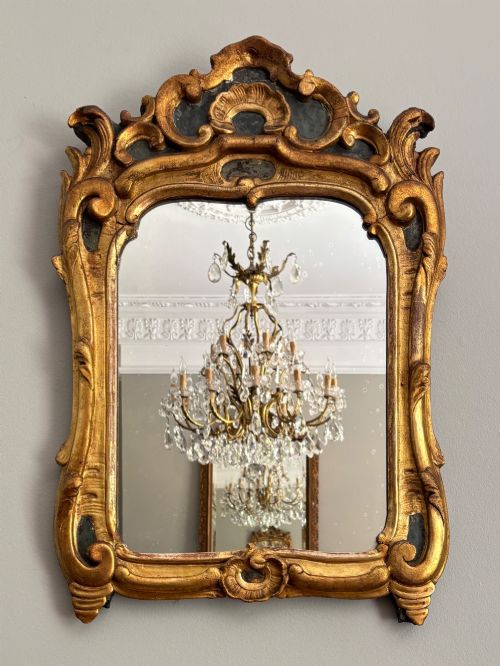
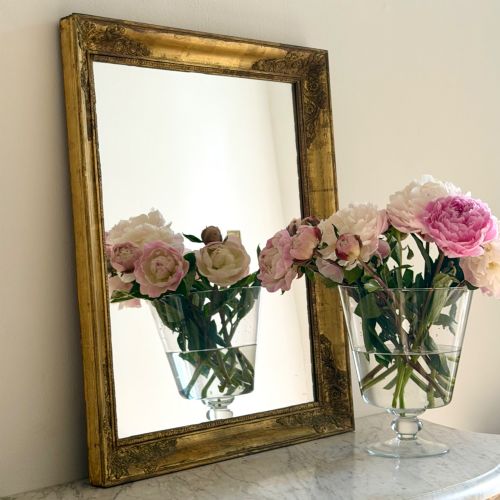
The selection frequently includes French Rococo and Napoleon III styles, alongside examples featuring Louis Philippe frames. Buyers encounter both generous overmantel scales and smaller wall-hanging formats in domestic interiors.
Materials and construction
Makers built the foundational framework using carved wood, applying layers of gesso to create a smooth, pliable surface for intricate moulding and relief work. Artisans then finished these prepared grounds with gold leaf, giltwood, or paint.
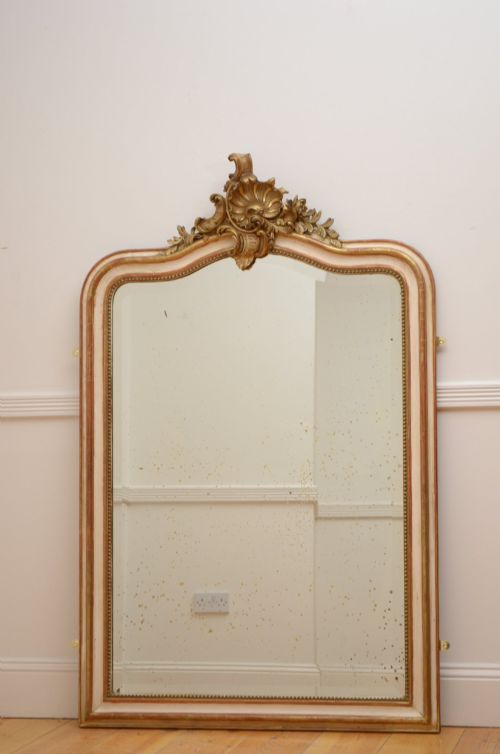
Reflective surfaces consist of mirror glass fitted into rebated frames, sometimes retaining early mercury plates. Surface treatments frequently combine gilt highlights with cream, red, or silver painted sections.
Several mirrors include playful cherub motifs peering out from the gesso scrolls.
Distinctions in standard
Quality reveals itself in the crispness of the carved wood and the depth of the gesso mouldings, where floral motifs, scrolls, and cherub details retain sharp definition. Superior examples display harmonious proportions and original surface treatments.
The integrity of the underlying wooden frame and the preservation of the original gilding or layered paint finishes separate standard decorative items from exceptional historical survivals.
The French Gesso Wall Mirror Glossary
- Gesso
- A plaster-based mixture applied to wooden frames to provide a smooth ground for gilding and relief carving. It allows intricate decorative details to be moulded directly onto the structure.
- Giltwood
- Timber that has been coated with gold leaf or metal leaf over a prepared base. This technique creates a bright, reflective metallic finish across the carved elements.
- Overmantel Mirror
- A large mirror specifically designed to hang above a fireplace mantel. These pieces frequently feature arched or shaped tops suited to architectural proportions.
- Louis Philippe
- A mid-nineteenth-century French style characterised by restrained classical lines, often featuring rounded upper corners. It balances decorative moulding with simpler rectangular formats.
- Rococo Revival
- A nineteenth-century design movement inspired by eighteenth-century French aesthetics, marked by asymmetrical scrolls, floral garlands, and naturalistic ornamentation.
French Gesso Wall Mirror: Frequently Asked Questions
Where should I hang an overmantel mirror?
These large mirrors traditionally occupy the wall space directly above a fireplace mantel, anchoring the room's vertical proportions. They also function effectively above sideboards or low console tables in principal living areas.
Ensure the wall fixings securely support the substantial weight of the carved wood and glass construction. Positioning the glass opposite a window maximises natural light distribution.
How do I identify a nineteenth-century frame?
Examine the construction joints at the back of the timber frame and inspect the composition of the gesso layers under magnification. Nineteenth-century pieces often display characteristic tool marks and aged preparation grounds.
Stylistic indicators such as Napoleon III or Rococo Revival motifs provide further chronological context when matched with period manufacturing techniques.
How do I clean a painted gesso surface?
Dust the carved ornament gently with a soft, dry brush to prevent particulate accumulation within the relief details. Avoid applying liquid cleaners directly to the gesso or painted finishes.
Moisture can soften the historic plaster mixture, so any necessary conservation work requires specialist knowledge and careful handling.
What defines a Louis Philippe mirror?
A Louis Philippe mirror typically presents a clean rectangular format with distinctive rounded upper corners. The frames rely on subtle moulding rather than heavy sculptural ornamentation.
These pieces often feature cream or painted gesso finishes combined with gilt highlights, reflecting mid-nineteenth-century French domestic tastes.