

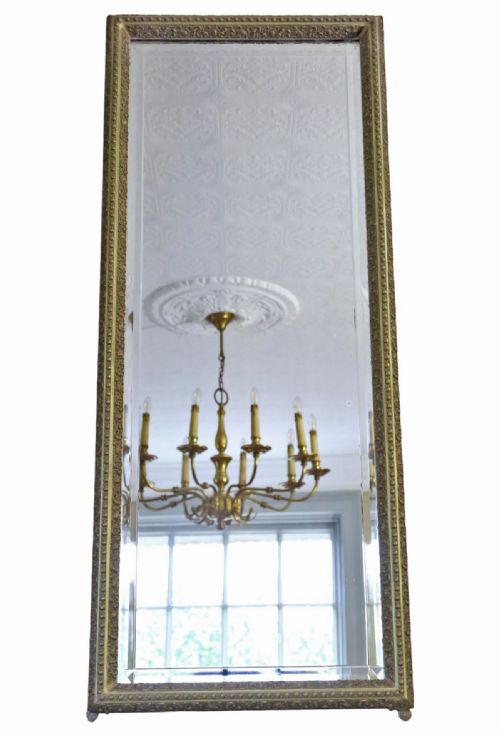


Tall Dressing Mirror
A tall dressing mirror brings vertical scale and full-length reflection to a room, drawing the eye upwards while serving a daily domestic purpose.
Tall Dressing Mirror
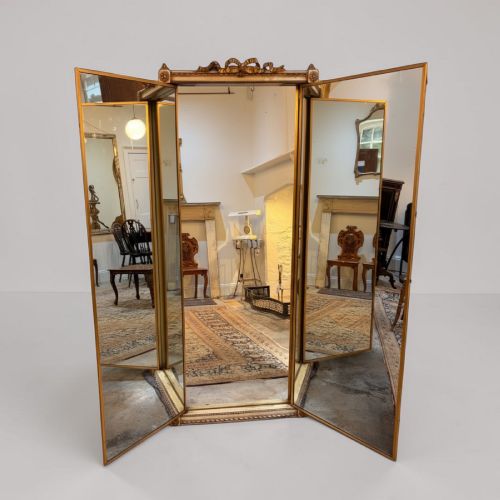
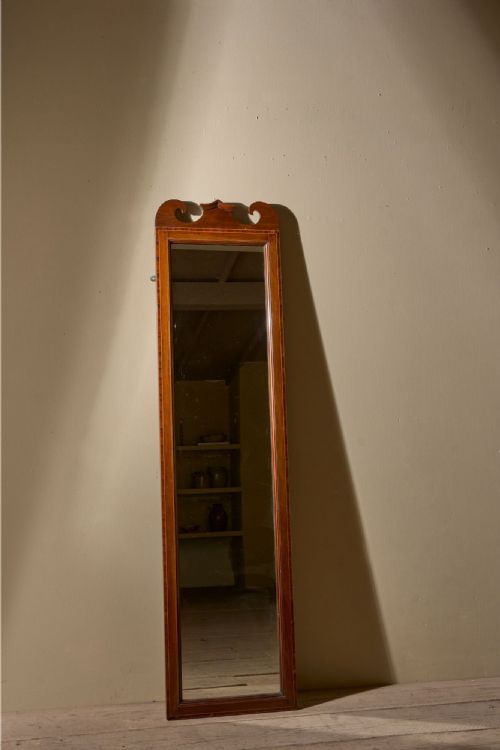
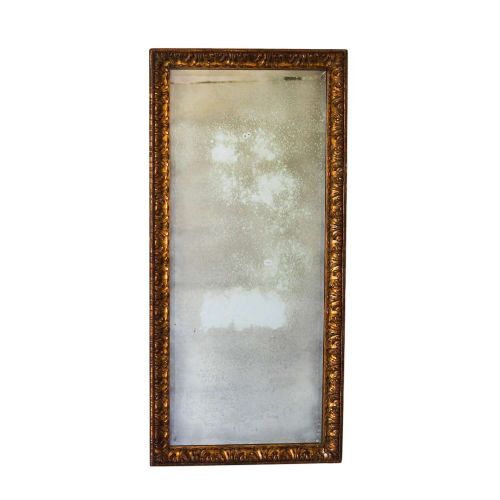
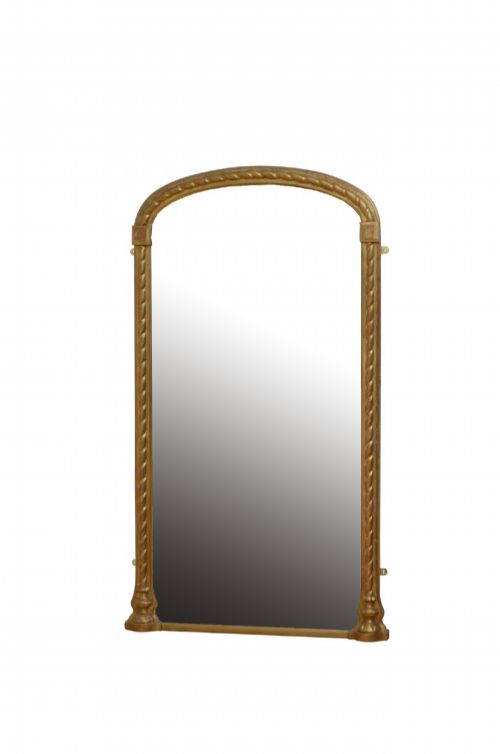
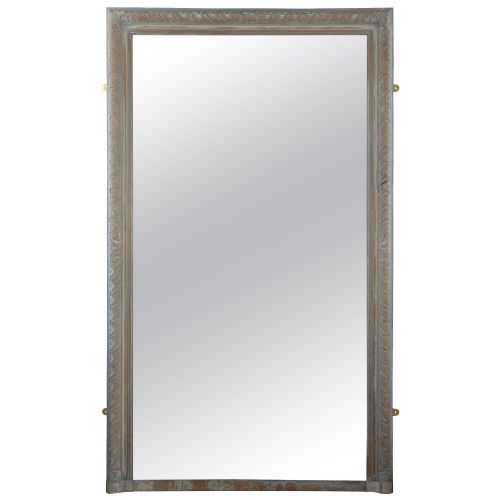
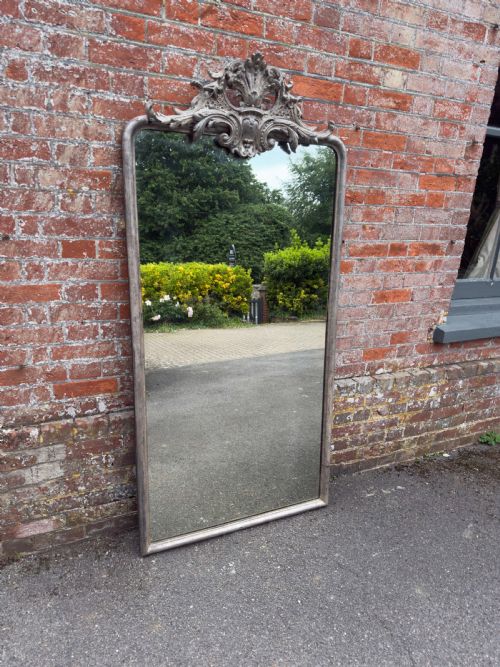
A tall dressing mirror provides a full-length view, standing on the floor or hanging on the wall within domestic interiors. These vertical looking glasses appear across the nineteenth and early twentieth centuries in forms such as cheval mirrors, pier mirrors, and leaner mirrors.
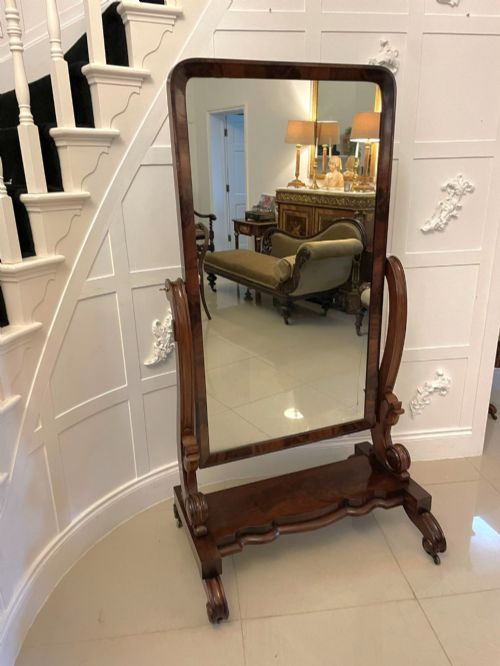
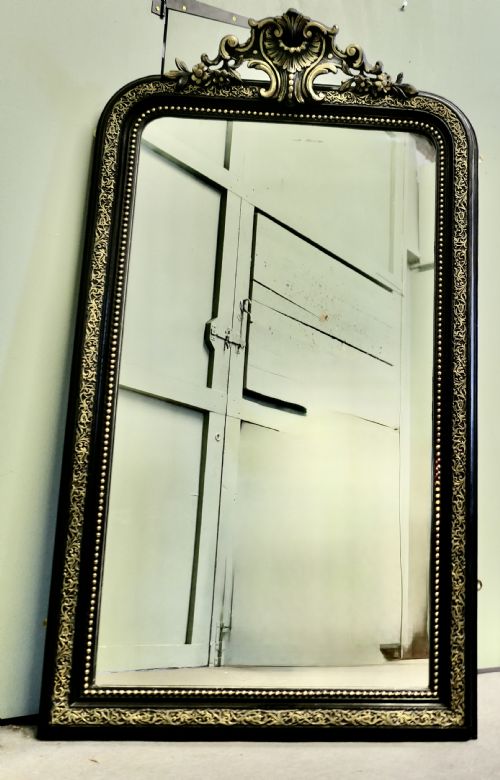
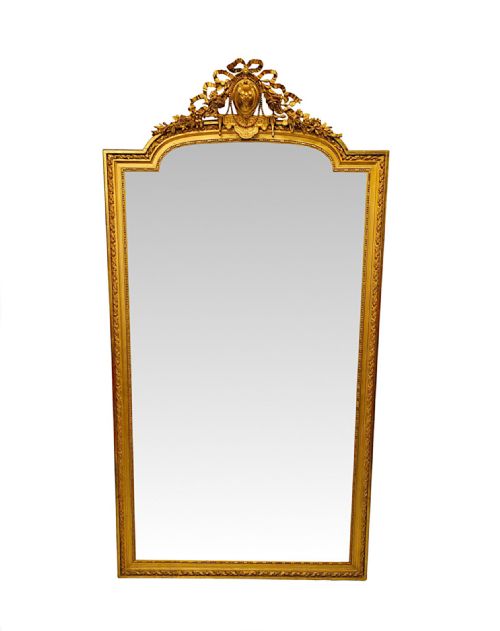
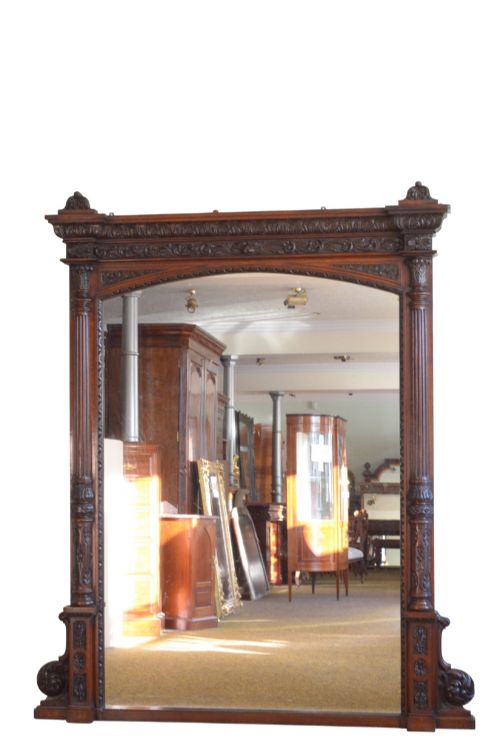
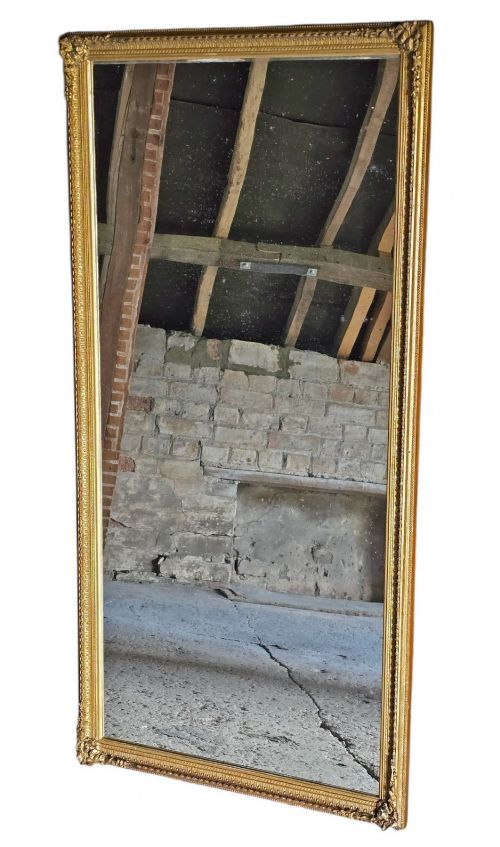
The versions met most frequently on this page combine substantial timber frames or ornate gilt surrounds with substantial glass plates. Examples range from freestanding mahogany cheval frames supported by sabre legs to carved giltwood wall mirrors designed for halls or dressing rooms.
Originating from French, English, and Italian workshops, these pieces reflect the stylistic shifts of the Victorian, Edwardian, and Regency periods. Makers utilised walnut, oak, and gilded gesso to construct vertical frames that anchored dressing rooms and grand halls.
Materials and construction
Makers constructed frames from solid timbers including mahogany, walnut, and oak, often applying carved detail or ebonised finishes directly to the wood. Alternatively, carpenters shaped pine or softwoods to receive layers of gesso before applying gold leaf or paint.
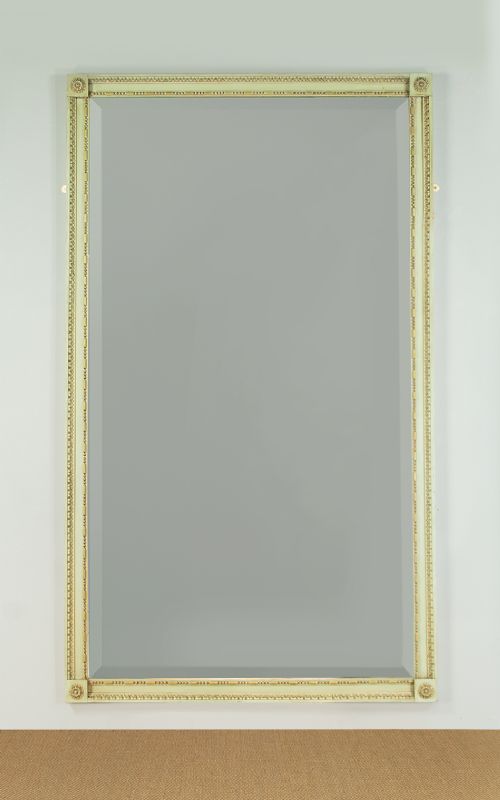
Glass plates were silvered and fitted into rebated frames, sometimes featuring bevelled edges that caught the light. Freestanding cheval designs incorporated brass hardware such as sabots and castors to allow the mirror plate to tilt on its axis.
Several mirrors originate from commercial environments including haberdashery shops and gentlemen's outfitters.
Distinctions in craftsmanship
The depth and crispness of the carved ornament separate standard production from finer workshop output. Hand-carved giltwood and gesso show articulate relief work, whereas simpler pieces rely on understated mouldings or flat painted surfaces.
The integrity of the plate glass and the original backing boards indicate the preservation state of the piece. Heavy timber framing with stable joints and original brass castors denotes high structural standard in freestanding cheval forms.
The Tall Dressing Mirror Glossary
- Cheval mirror
- A freestanding full-length mirror suspended on a vertical frame with pivoting pivots. This design allows the glass to tilt at various angles.
- Pier mirror
- A tall narrow mirror designed to hang on the wall between windows or above a pier table. It maximises light reflection in traditional rooms.
- Leaner mirror
- A large floor mirror designed to lean against a wall rather than hang from brackets. These pieces rely on their substantial weight for stability.
- Gesso
- A plaster-like mixture applied to wooden frames as a base for gilding or painting. Artisans carve fine details directly into this layered surface.
- Sabot
- A metal sleeve or cap fitted to the foot of a furniture leg. Brass examples protect the base of nineteenth-century cheval frames.
Tall Dressing Mirror: Frequently Asked Questions
Where should a tall dressing mirror be placed?
These mirrors suit bedrooms, dressing rooms, and hallways where vertical wall space or floor area permits a full-length reflection.
Positioning them opposite a window helps amplify natural daylight throughout the room.
What is the difference between a pier mirror and a cheval mirror?
A pier mirror is fixed to the wall, often designed to occupy the narrow space between two windows.
A cheval mirror is a freestanding piece mounted on a frame that permits the glass to tilt.
How do I identify a nineteenth-century frame?
Nineteenth-century frames typically exhibit dense hardwoods like mahogany and walnut, or hand-applied gesso over carved wooden foundations.
Construction details on the reverse, such as older timber boards and hand-cut fixings, assist in confirming the period.
Are these mirrors heavy to hang?
Many examples utilise solid timber frames and thick glass plates, resulting in considerable weight.
Wall-mounted versions require secure fixings into structural studs or masonry to support the load safely.