
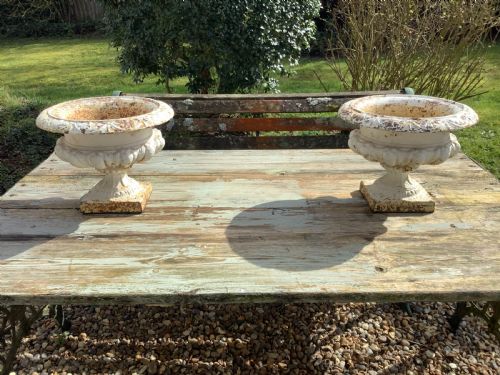


French Garden Urn Planter
These french garden urn planter vessels bring classical form and weathered charm to courtyards and terraces alike.
French Garden Urn Planter
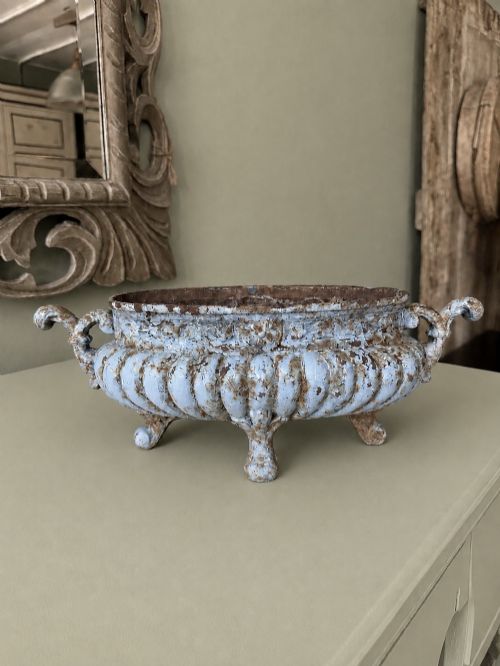
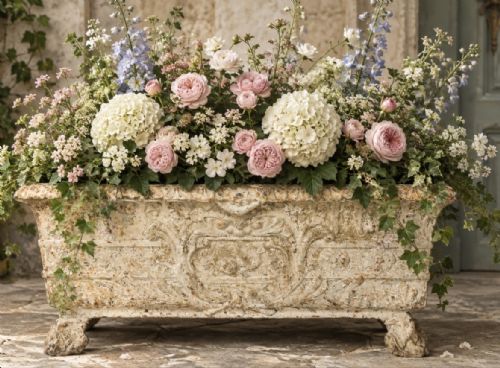
A french garden urn planter brings classic symmetry and outdoor utility together in traditional forms. Buyers searching for a french garden urn planter encounter heavy metal vessels and earthenware pots designed for terrace or garden display.
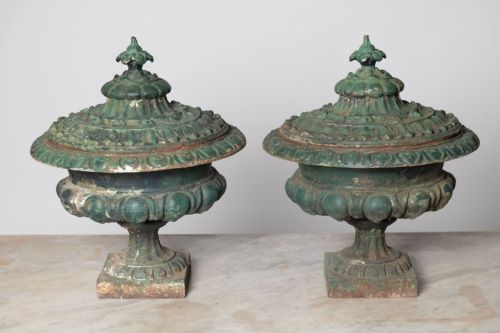
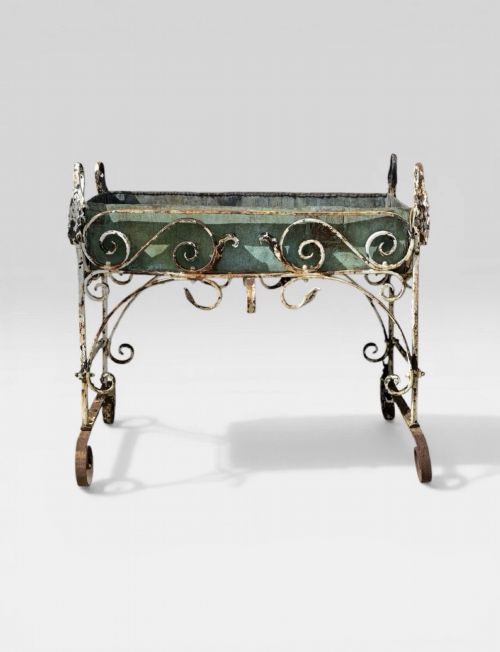
The selections span distinct periods, most frequently featuring nineteenth-century examples alongside early twentieth-century variations. Common configurations include classical cast iron urns, substantial terracotta jars, and decorative wrought iron planters.
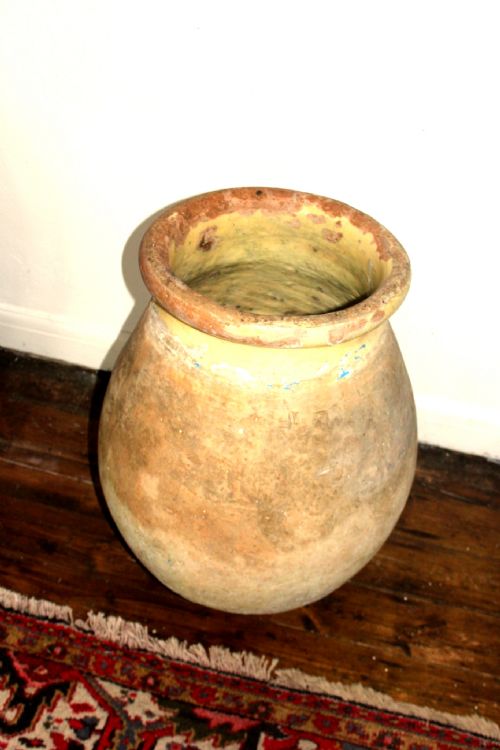
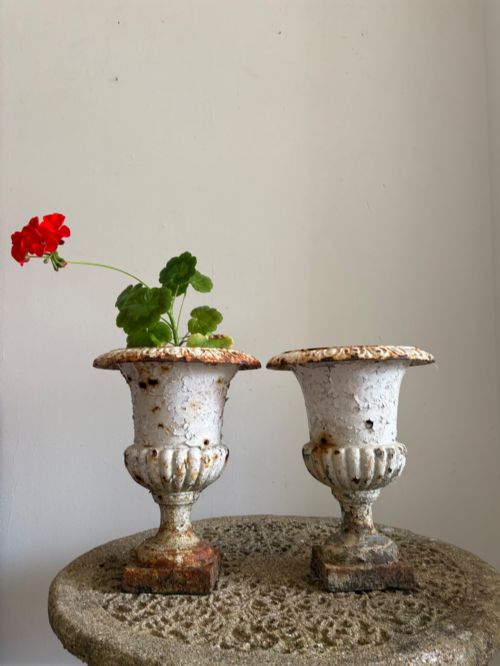
Many pieces show provenance from specific southern regions, including Biot and Castelnaudary. These range from modest table urns to large monumental garden pots resting on plinths.
How they were made
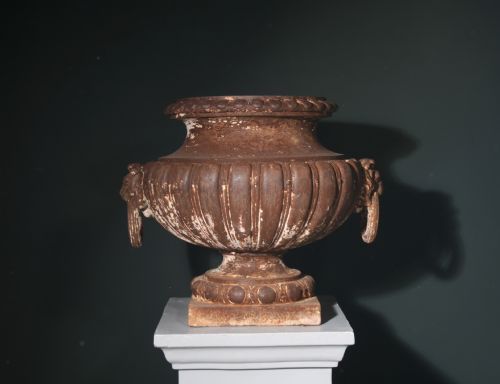
Foundries cast metal pieces in iron, often utilising moulds that produced classical motifs and fluted bodies. Artisans also worked with wrought iron to create decorative stands and structural planters.
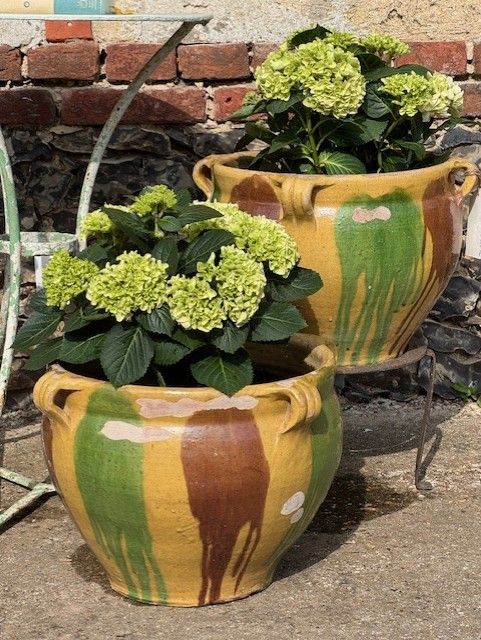
Potters shaped terracotta by hand or wheel, producing porous jars and urns intended for holding plants and olive oil. Surface treatments like drip glaze, paint, and natural ageing give these earthen vessels their distinctive patinas.
Several terracotta pots retain traces of historical olive oil inside their porous walls, smelling faintly of the Mediterranean.
What varies in quality
Casting crispness defines metal pieces, where sharp relief on handles and gadrooned bodies distinguishes superior foundry work. Original surface treatments, such as surviving distressed paint or authentic age patinas, elevate the standing of cast iron and terracotta alike.
Completeness alters value, particularly when pieces retain matching lids, original plinths, or exist as matched pairs rather than single vessels.
Val d'Osne Foundry
The French Garden Urn Planter Glossary
- Jardiniere
- An ornamental pot or stand for holding plants. These vessels often sit on low bases or garden tables.
- Gadrooned
- Decorated with a carved or cast series of convex curves. This classical motif frequently encircles the body of an urn.
- Patina
- The surface appearance grown on materials through age and use. Weathered paint and oxidised iron contribute to this effect.
- Plinth
- A heavy base or slab supporting a statue, urn, or garden pot. These elevate the vessel above ground level.
- Terracotta
- Fired unglazed clay of a brownish-red colour. This porous material is widely used for traditional garden pots and storage jars.
French Garden Urn Planter: Frequently Asked Questions
How do I care for cast iron urns?
Cast iron pieces tolerate outdoor placement well but benefit from winter protection against severe frost expansion. Applying protective coatings helps preserve remaining original paint and slows further oxidation.
Ensure drainage holes remain clear so water does not pool inside the iron bowl during wet weather. Lifting vessels slightly off damp ground prevents moisture absorption from the bottom.
Can terracotta garden pots stay outside in winter?
Porous terracotta absorbs moisture, making traditional jars vulnerable to cracking when freezing temperatures arrive. Move unglazed pots into a sheltered greenhouse or shed before the first hard frost.
Emptying soil from the containers during winter months further reduces the risk of frost damage. Ensure stored pots dry thoroughly before the cold season begins.
What is a Biot jar?
Biot jars are traditional terracotta vessels originating from the French village of Biot, historically used for storing olive oil or water. Their robust earthenware bodies often feature aged patinas developed over decades of outdoor exposure.
These jars frequently display generous proportions and sturdy handles, making them prominent focal points in garden landscapes.
How do I spot a matched pair of urns?
True matched pairs share identical dimensions, casting marks, and weight distribution across both vessels. Subtle variations in hand-finished details confirm their period origins rather than modern reproduction.
Examine the wear patterns and surface patinas to ensure both pieces weathered together over time. Matching lids, where applicable, should fit each urn with equal precision.