


French Frosted Glass Bottle
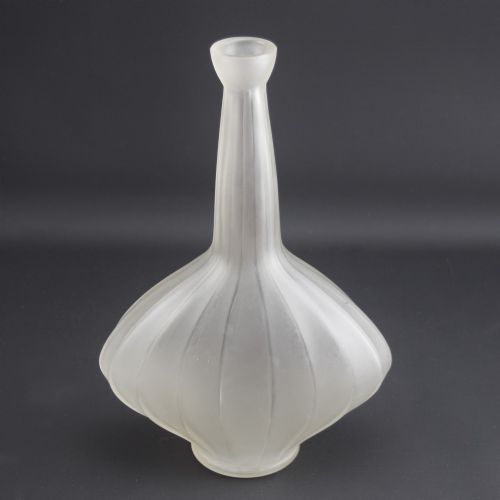
These french frosted glass bottle selections bring tactile elegance to a room, offering tactile surfaces and sculptural forms that catch the light.
French Frosted Glass Bottle
A french frosted glass bottle encompasses various forms from perfume containers and atomisers to decanters. These pieces primarily emerge from the nineteenth and twentieth centuries, spanning periods such as Art Nouveau and Art Deco.
The most common versions encountered here are twentieth-century creations by notable makers, often taking the shape of named scent bottles or atomisers with distinct moulded stoppers. Alongside these, nineteenth-century examples appear with ormolu mounts and enamel detailing.
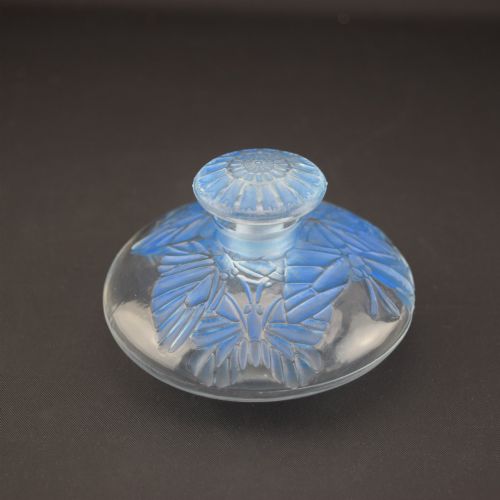
Collectors seek out a french frosted glass bottle for its sculptural presence on a dressing table or display surface. The variety ranges from pale green nineteenth-century pocket pieces to bold Art Deco designs featuring butterflies, birds, or architectural ribs.
What Varies in Quality
The sophistication of the mould design and the crispness of the relief work set superior examples apart from simpler production pieces. Skilled finishing involves precise application of enamel or stain to accentuate the tactile patterns.
The integration of original stoppers with the main vessel body influences desirability, particularly when the stopper shares the sculptural motif of the bottle. The quality of supplementary materials such as ormolu mounts also dictates the standing of an item.
Perfume bottles doubling as tiny sculptural menageries with glass butterflies and swallows perched permanently upon the stopper.
Rene Lalique·Sabino
The French Frosted Glass Bottle Glossary
- Frosted glass
- Glass treated to achieve a scatter-light matte surface rather than transparency. This finish is central to the visual character of the pieces.
- Opalescent glass
- Glass containing ingredients that cause it to milky-blue appear in transmitted light and warm tones in reflected light. It creates a shimmering quality on sculptural forms.
- Ormulu
- Gilded bronze or brass mounts applied to nineteenth-century glass vessels. It provides structural framing and decorative contrast.
- Atomiser
- A perfume bottle fitted with a spray mechanism rather than a traditional stopper. These units represent a specific functional category within twentieth-century vanity items.
- Patinated glass
- Glass treated with surface colourants to darken recesses and highlight relief details. This technique emphasises the depth of moulded motifs.
French Frosted Glass Bottle: Frequently Asked Questions
What periods do these bottles cover?
The selection spans from the nineteenth century through the early decades of the twentieth century. Pieces range from nineteenth-century chatelaine scent bottles to Art Deco designs of the nineteen-twenties and thirties.
Twentieth-century works frequently reflect the aesthetics of Art Nouveau and Art Deco movements, while nineteenth-century items often feature ormolu and enamel ornamentation.
How were these bottles used historically?
These vessels served primarily as vanity items on dressing tables for holding perfumes and scents. Some smaller nineteenth-century examples were designed for travel or suspended from chatelaines.
Atomisers introduced a mechanical spray function, whereas standard bottles relied on fitted stoppers to preserve volatile fragrances.
How do I identify Art Deco styles here?
Art Deco examples typically exhibit stylised motifs, geometric symmetry, and bold sculptural stoppers. Makers of this era utilised opalescent and moulded glass to create striking light effects.
These pieces often bear specific model names and display simplified, streamlined contours distinct from nineteenth-century ornate styles.
Are stoppers original to the bottles?
Many listings feature pieces with matching moulded stoppers designed specifically for the bottle body. Collectors pay close attention to whether the stopper shares the exact decorative scheme of the vessel.
Matching components maintain the integrity of the original artistic vision conceived by the maker.