



French Floral Wall Mirror
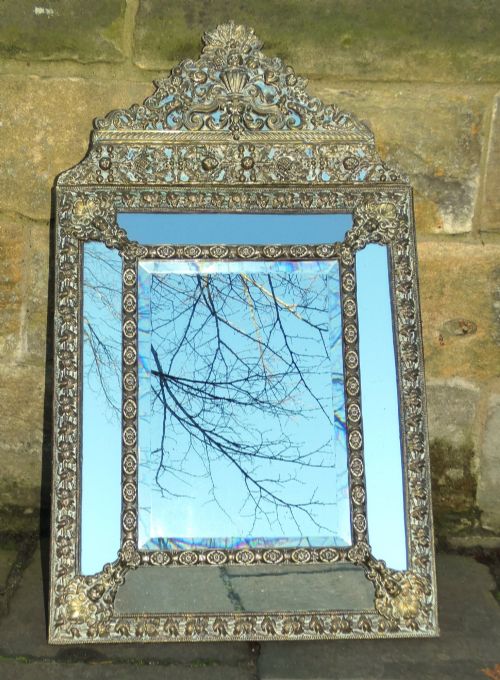
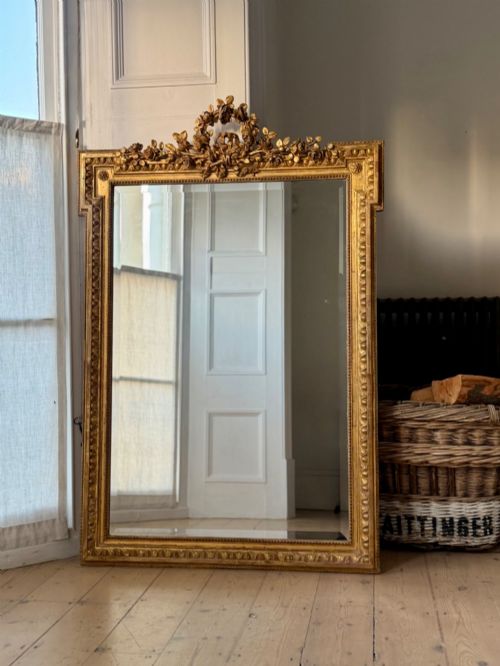
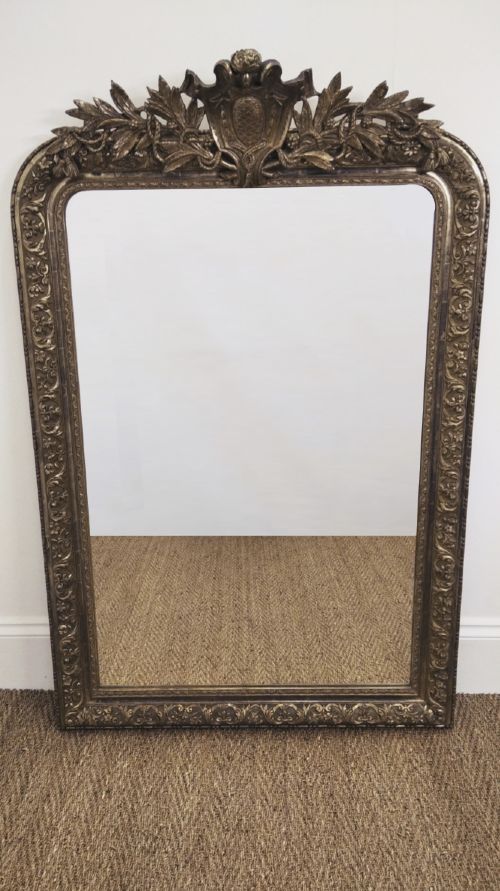
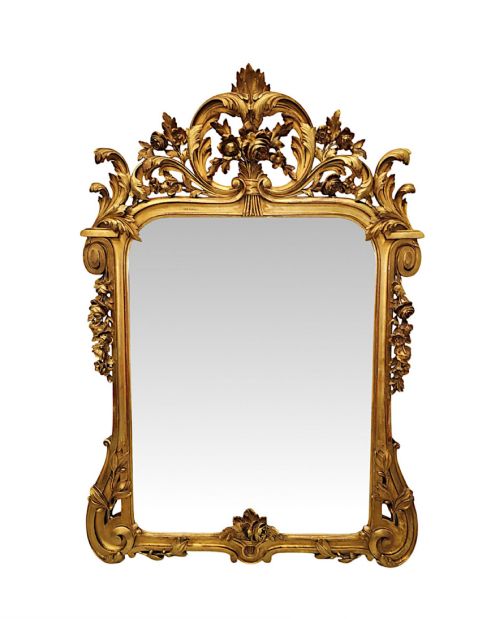
A french floral wall mirror brings organic grace into a room through carved botanical motifs and antique glass.
French Floral Wall Mirror
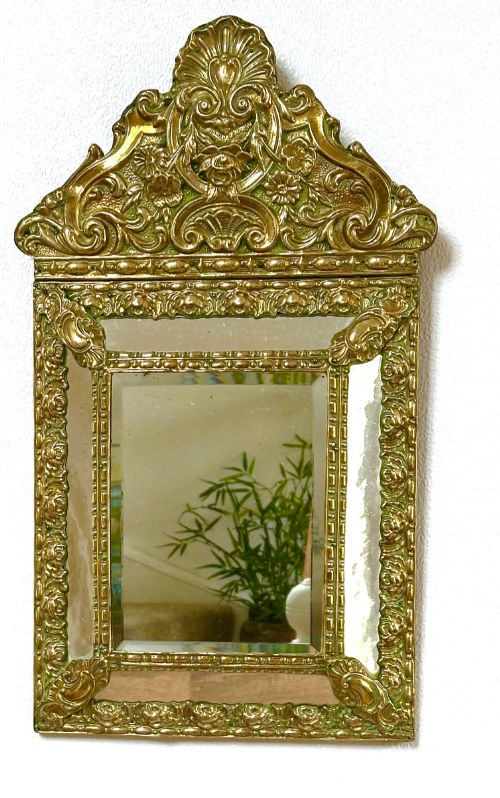
A french floral wall mirror bridges centuries of craftsmanship, ranging from eighteenth-century rococo pieces to nineteen-hundreds art nouveau designs. These wall mirrors appear as grand overmantels, tall trumeaux, and delicate oval or round frames shaped by provincial makers.
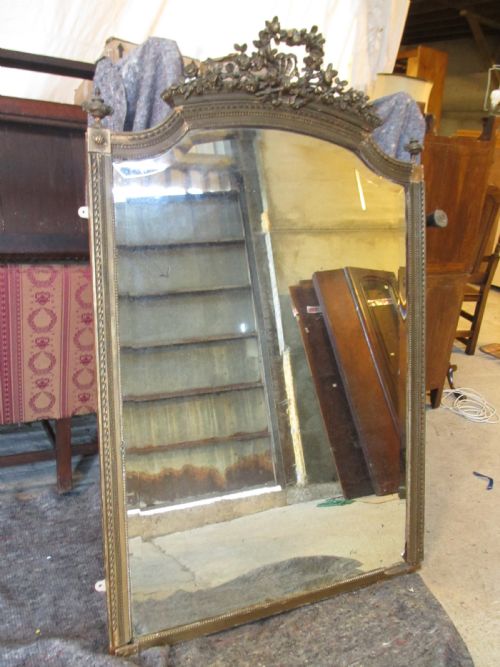
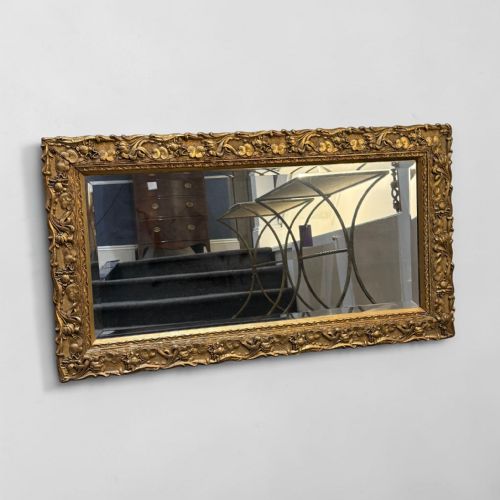
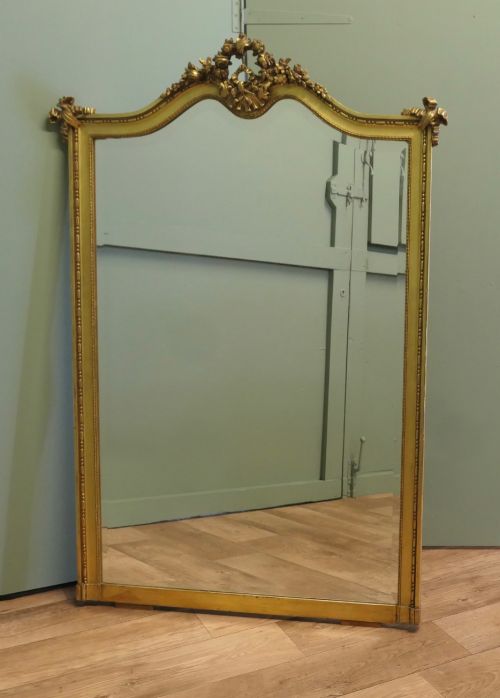
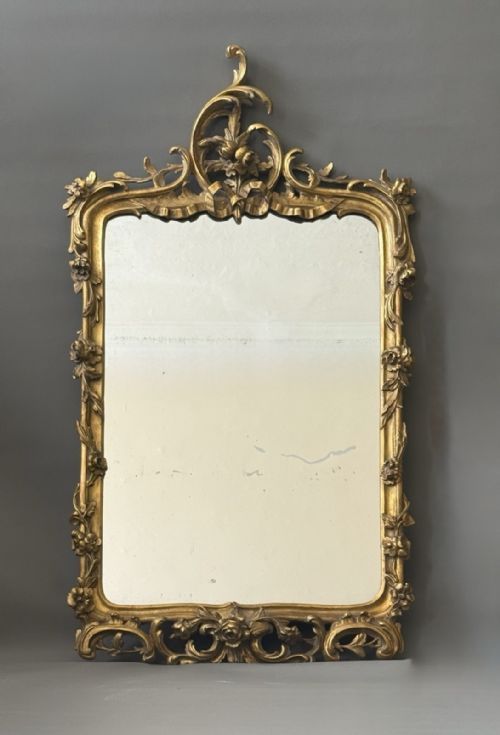
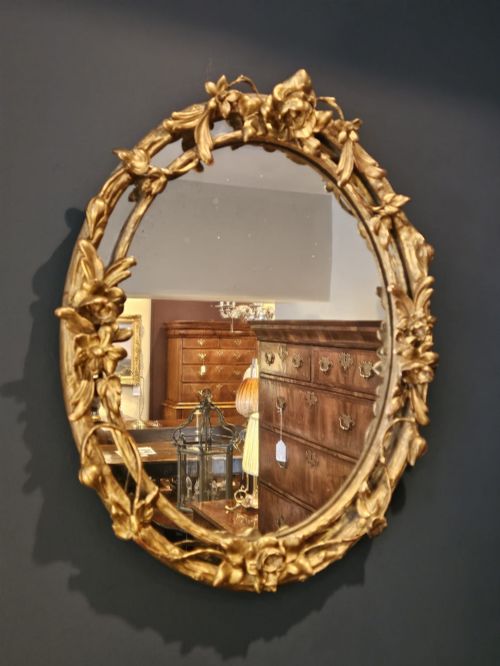
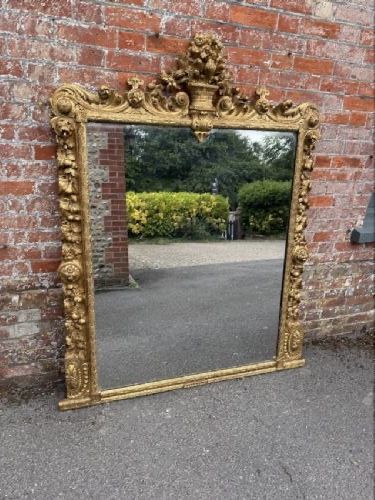
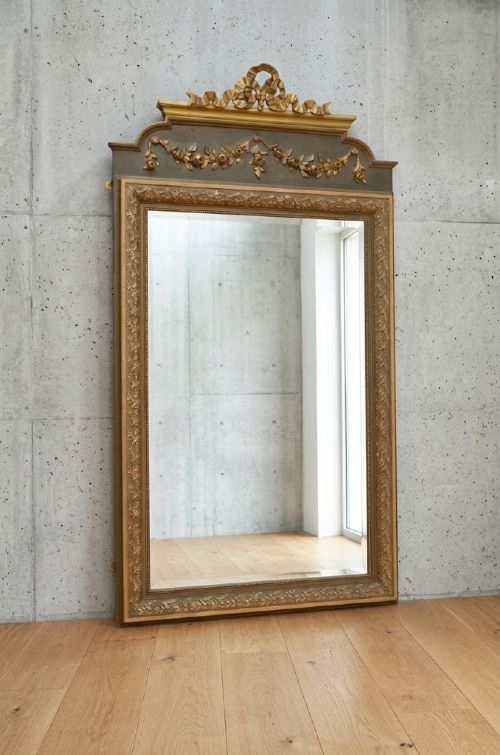
The version most commonly met on this page is the nineteenth-century giltwood or painted wood mirror, featuring embossed floral detail, ribbon crests, and rose vine carvings. Such pieces function equally well above a mantlepiece or as a principal focal point on a reception room wall.
How they were made
Makers shaped these frames from solid woods such as oak and pine, applying layers of gesso to build up intricate relief patterns of flowers, leaves, and ribbons. Artisans then finished the surfaces with gold leaf, giltwood, or subtle paintwork in shades like olive green and white.
Carving required considerable skill, particularly when rendering naturalistic rose vines, mythological elements, and sweeping rococo scrolls by hand. Many plates are antique glass, displaying the characteristic foxing and silvering that mark genuine age.
French Floral Wall Mirror Retail Price Guide 2026
Typical asking prices for french floral wall mirror among the pieces listed under this phrase on Sellingantiques today, from the lower quarter to the upper quarter. They describe what is for sale here now, not the wider market.
Several mirrors include hidden ribbon crests designed to make the heavy timber frame appear as though it is suspended from a delicate bow.
What varies in quality
The depth and crispness of the hand-carving separate standard frames from superior examples, as does the integration of gesso work that remains sharp rather than rounded or filled with paint. Finer pieces demonstrate proportional harmony between the floral crest, the frame mouldings, and the reflective plate.
The presence of original gilding or authentic period paint finishes significantly elevates a piece, whereas heavy modern overpainting obscures the subtle detail of the underlying woodwork. Original antique glass plates add authenticity and depth compared to later replacement mirror glass.
The French Floral Wall Mirror Glossary
- Trumeau mirror
- A decorative wall mirror fitted into a wooden panel or wall, often incorporating painted scenes or carved floral flourishes above the glass. These tall mirrors historically occupied the pier space between windows.
- Giltwood
- Timber coated with a thin layer of gold leaf or gold paint over a prepared gesso base. This technique provides a warm, reflective surface that catches natural light in a room.
- Gesso
- A plaster-like mixture applied to wood frames to create a smooth surface for gilding or to be moulded into intricate relief details. Artisans carved directly into the dried gesso to achieve sharp floral ornamentation.
- Overmantel mirror
- A large horizontal mirror designed specifically to hang on the wall above a fireplace mantel. They frequently feature elaborate crests and extensive floral or mythological carvings.
- Rococo revival
- A nineteenth-century design style that revives the asymmetrical curves, natural forms, and exuberant shell and floral motifs of the eighteenth-century French court.
French Floral Wall Mirror: Frequently Asked Questions
How do I hang a heavy overmantel mirror safely?
Large overmantel and trumeau mirrors require secure fixing directly into wall studs or masonry using heavy-duty brackets suited to the weight of the timber and gesso frame. Professional installation is strongly recommended to support the substantial load safely.
Ensuring the wall structure bears the primary load prevents strain on the original antique frame joints and protects the glass plate from distortion.
What is the difference between a trumeau and a standard wall mirror?
A trumeau mirror incorporates an integrated painted panel or carved wooden section directly above the glass plate, originating as architectural panelling for French interiors. Standard wall mirrors focus entirely on the reflective glass and its surrounding frame.
Trumeau pieces offer greater vertical presence and frequently serve as architectural focal points in grand reception rooms.
Can I place these mirrors in a bathroom?
High humidity and moisture from baths or showers can damage antique gesso, degrade original gilding, and accelerate the deterioration of antique mirror plates. These pieces are best suited to dry living spaces, hallways, and bedrooms.
Keeping them away from direct sources of steam preserves the delicate painted wood surfaces and the integrity of the original backing.
How do I date a carved floral frame?
Dating relies on examining the construction techniques of the wood, the composition of the gesso, and the style of the floral motifs, such as the sinuous lines of art nouveau or the ornate curves of rococo revival. Tool marks on the reverse and the characteristics of the glass plate provide further clues to the era of manufacture.
Comparing the specific carving depth and paint layering against documented period examples helps confirm the approximate decade.