


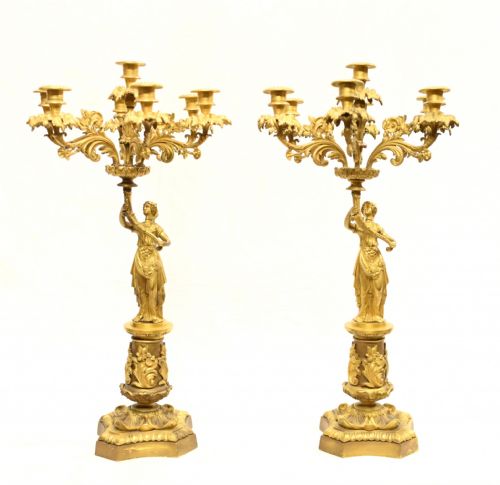


French Figural Lighting
These french figural lighting pieces combine human and mythical forms with functional illumination, bringing sculptural presence to interiors.
French Figural Lighting
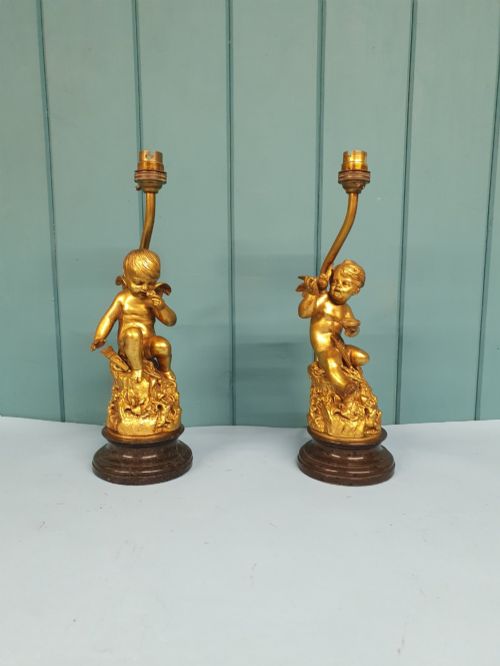
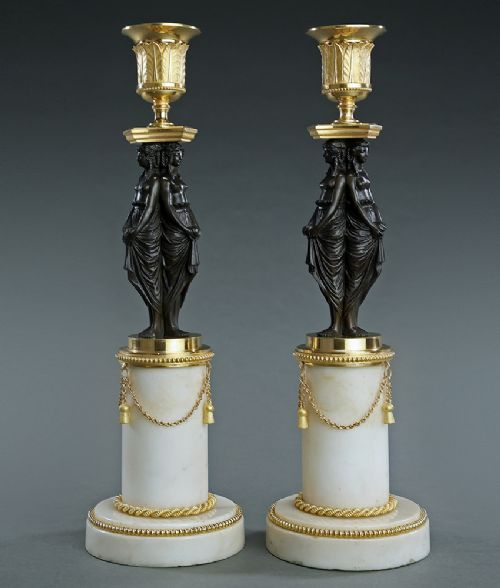
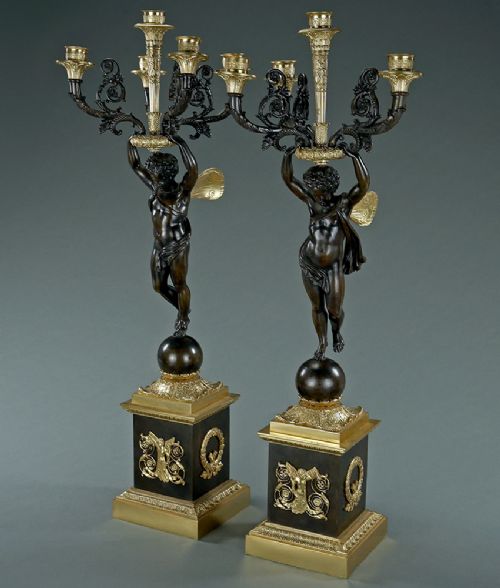
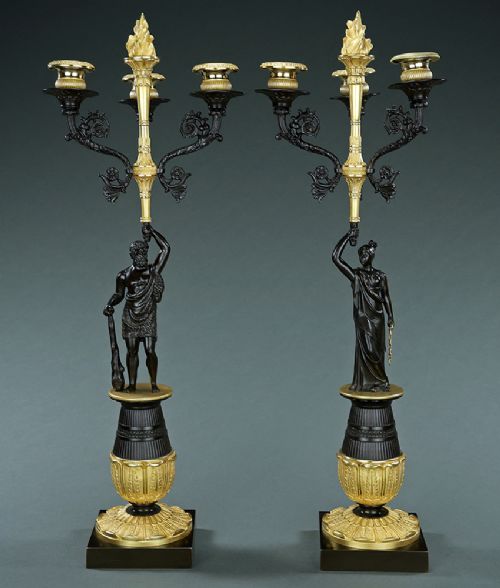
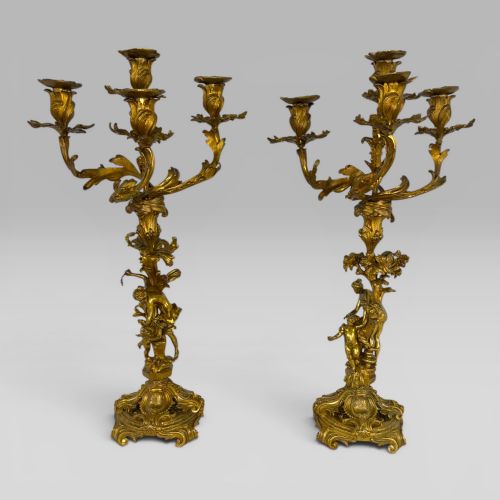
French figural lighting encompasses functional pieces shaped around human figures, cherubs, caryatids, and allegorical subjects. Buyers encounter table lamps, candelabra, candlesticks, and wall sconces drawing from nineteenth-century revivals and twentieth-century modernist movements.
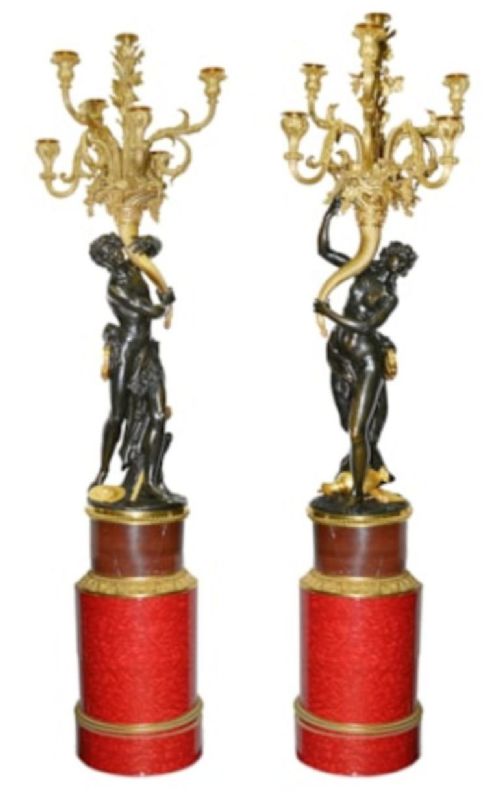
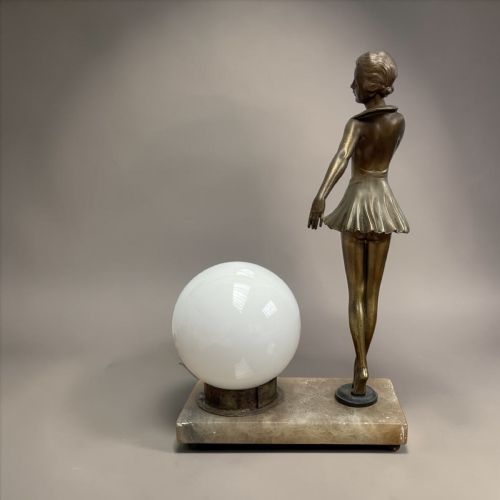
The selection ranges from neoclassical candelabra with patinated bronze details to art deco mood lamps and frosted glass figures. Domestic spaces utilise these items as both secondary light sources and sculptural decorative objects.
Nineteenth-century examples frequently feature cast metal figures mounted on stone bases, whilst later twentieth-century pieces incorporate simplified silhouettes and moulded glass. Pairs dominate the selection, often designed for mantelpieces or side tables.
Quality and Execution
The distinction between tiers rests upon the crispness of the metal casting and the depth of the chasing. Superior pieces display finely articulated fingers, hair, and drapery that retain sharp contours without softening from worn moulds.
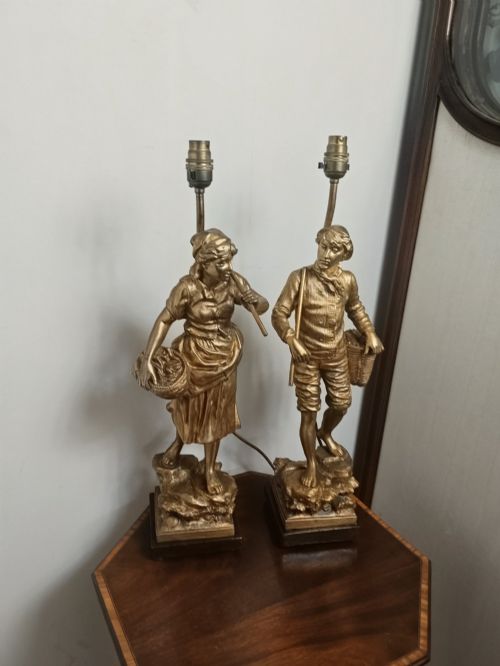
Weight and material selection further separate tiers, with heavy solid bronze and fire-gilded ormolu occupying the upper range compared to lighter spelter alloys. Bases of genuine marble or onyx with integrated mountings indicate careful workshop assembly.
Cherubs appear with surprising frequency across nineteenth-century candelabra, seemingly tasked with holding up candles while looking remarkably unconcerned about the wax.
E Rousseau·L & F Moreau·Emile Picault·Jean-Jules Cambos·H. Moreau·Aug. Moreau
The French Figural Lighting Glossary
- Ormolu
- Gilded bronze produced by applying a mercury-gilding amalgam to cast bronze. This technique creates a durable golden finish seen on nineteenth-century mounts and candelabra.
- Spelter
- A zinc-based alloy utilised as an economical alternative to bronze. It accepts patination and metallic paint finishes readily.
- Caryatid
- A sculpted female figure serving as an architectural support or column. These appear frequently on candlesticks and lamp standards.
- Veilleuse
- A French night light or low-wattage bedside lamp. They often incorporate ceramic or glass figural covers.
- Patination
- The surface coloration developed naturally over time or applied chemically to metal. It enhances the visual depth of bronze and brass castings.
French Figural Lighting: Frequently Asked Questions
What is french figural lighting?
French figural lighting comprises lamps, candelabra, and candlesticks incorporating human, mythical, or allegorical figures into their structural design. These objects merge utilitarian illumination with sculptural art.
Craftsmen across the nineteenth and early twentieth centuries produced these pieces in bronze, spelter, and porcelain, reflecting changing stylistic revivals from neoclassical to art deco.
How were these pieces used historically?
Historically, these items illuminated reception rooms, dining tables, and bedrooms by candlelight or early electric bulbs. They served as status symbols in bourgeois and aristocratic interiors.
Pairs often flanked mantelpieces above fireplaces or sat upon matching console tables alongside decorative mirrors.
How do I distinguish nineteenth-century pieces from later ones?
Nineteenth-century items generally rely on heavier cast bronze, hand-chased surface details, and natural stone bases such as marble or onyx. They frequently reflect neoclassical, rococo, or empire revival motifs.
Later twentieth-century examples, particularly from the art deco period, introduce stylised figures, frosted glass, and simplified metal bases without historical revivalist ornamentation.
Can antique lamps be rewired safely?
Most antique lamps and candelabra designed for electricity can be modernised by a qualified electrician to meet current safety standards. Wiring can be threaded through original channels without altering the outer metalwork.
Preserving original lampholders and switches where possible maintains the historical integrity of the piece whilst ensuring safe domestic operation.