


French Figural Bronze Pair
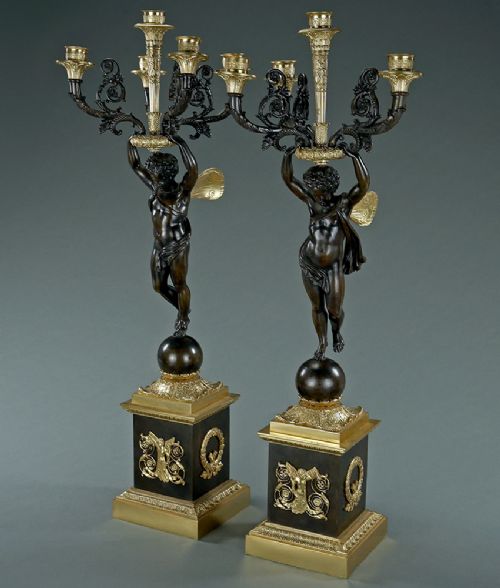
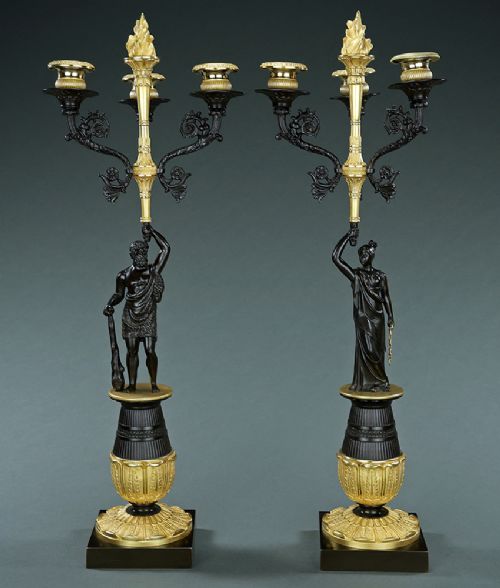
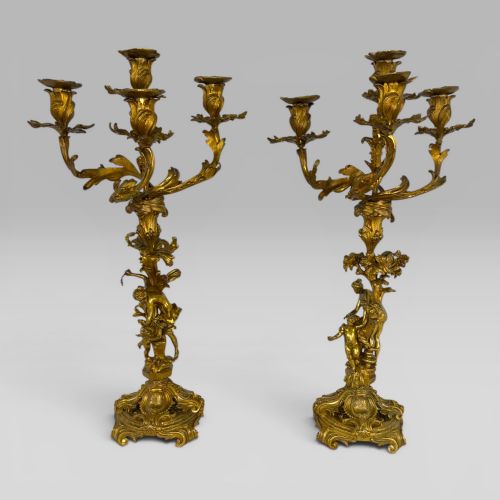
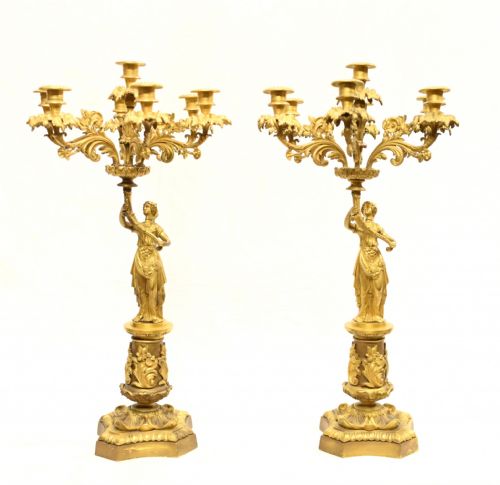
When you look for a french figural bronze pair, you find twin sculptural works depicting human, mythic, or cherubic forms designed to balance a mantelpiece or side table.
French Figural Bronze Pair
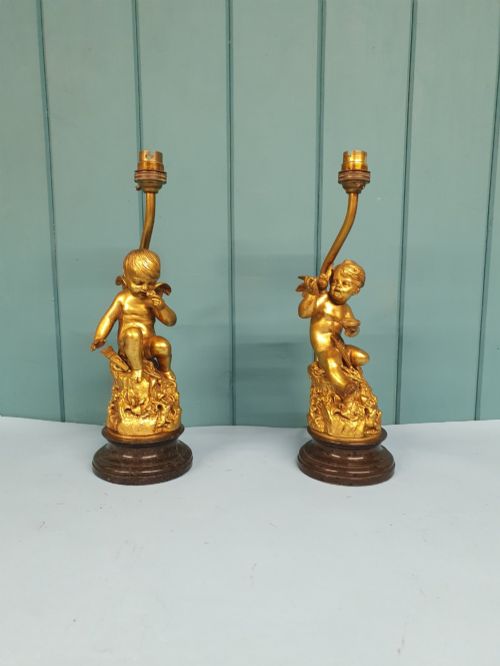
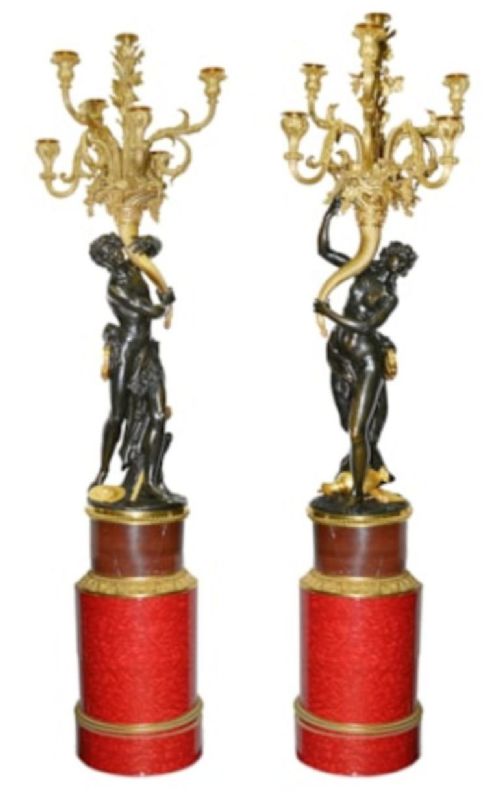
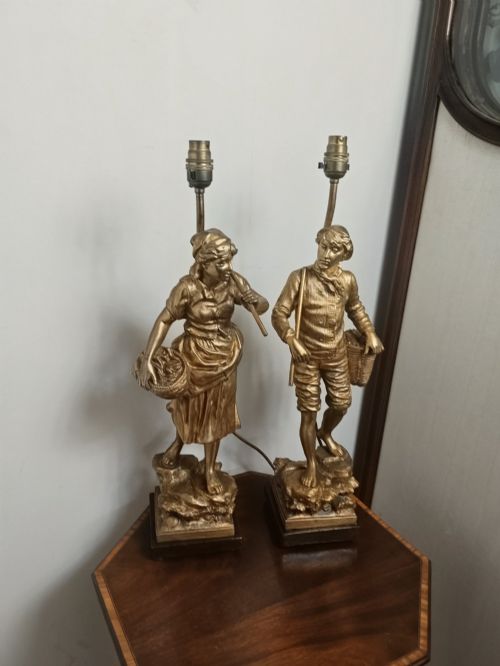
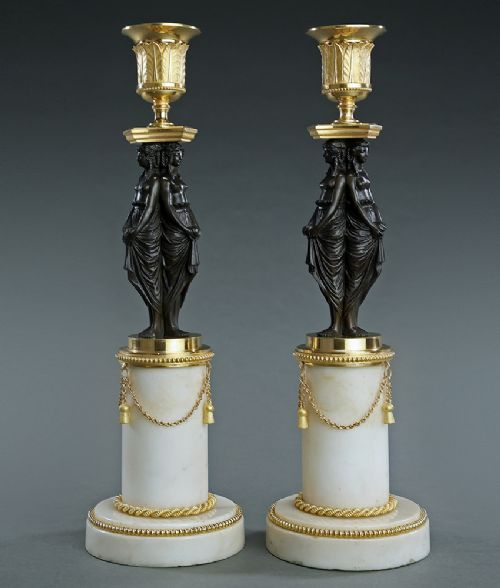
A french figural bronze pair typically takes the form of matched candelabra, candlesticks, or sculptural figures created during the nineteenth century. These objects function as decorative mantel pieces or lighting fixtures, incorporating human figures, putti, or mythological characters into the design.
The aesthetic draws heavily on classical and revivalist movements, spanning Louis XVI style, Neoclassical, and French Rococo designs. Makers integrated figurative subjects such as cherubs, caryatids, and maidens directly into functional metalwork like torcheres and lamps.
Materials and Technique
Foundry work relied on casting bronze, often finished with fire gilding, ormolu, or dark patination to highlight the sculptural contours. Many examples combine cast bronze with secondary materials such as marble bases, onyx, or wood supports.
Some antique bronze dogs keep watch with curious glass eyes fixed firmly on the room.
Assessing the Craftsmanship
Quality rests upon the crispness of the chase work and the depth of the casting, where superior examples retain sharp details in the faces and hands of figures. The integration between the bronze sculpture and its mounting, whether marble or ormolu, dictates the overall coherence of the pair.
The richness of the finish, particularly the contrast between gilt and patinated surfaces, separates finer works from standard production pieces. Matched symmetry across the pair and the presence of artist signatures indicate higher tier output.
E Rousseau·H Moreau·Emile victor BLAVIER·Jean Gautherin
The French Figural Bronze Pair Glossary
- Ormolu
- Gilt bronze produced by applying a finely ground high-carat gold mercury amalgam to a bronze object. This technique creates a durable, warm yellow surface finish seen on many nineteenth-century mounts and candelabra.
- Patination
- The natural or chemical alteration of the metal surface colour over time. Controlled patination on bronze ranges from deep brown to near black and defines the tonal quality of the sculpture.
- Caryatid
- A sculpted female figure serving as an architectural support or decorative standard. These figures often appear on the stems of candlesticks or the uprights of candelabra.
- Chenet
- A decorative iron or bronze fire dog placed at the hearth to support logs. Paired examples frequently incorporate figural motifs matching the broader style of the room.
French Figural Bronze Pair: Frequently Asked Questions
How were these items used originally?
Owners placed them on mantelpieces, dining tables, or sideboards to provide both illumination and formal decoration. Paired objects provided visual balance to architectural focal points like fireplaces.
Many functioned simultaneously as lighting devices and sculptural art pieces for formal reception rooms.
How do I style them today?
They suit placement on a grand mantelpiece, a sideboard, or flanking a central mirror to maintain symmetrical balance. Their metallic surfaces catch natural light, adding warmth and historical texture to a room.
Pairing them with period furniture enhances their aesthetic context within an interior scheme.
How do I tell periods apart?
Earlier pieces from the early nineteenth century often adhere strictly to Neoclassical or Empire proportions, utilising clean lines and classical iconography. Later nineteenth-century examples lean towards elaborate Rococo Revival or Renaissance Revival ornamentation with heavier casting.
Materials also offer clues, as onyx bases and spelter alternatives commonly appear towards the end of the century.