
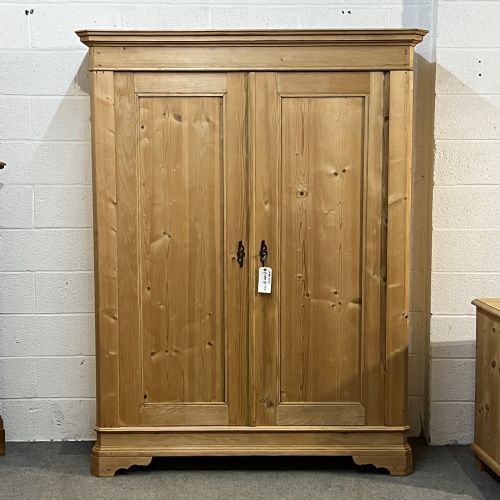
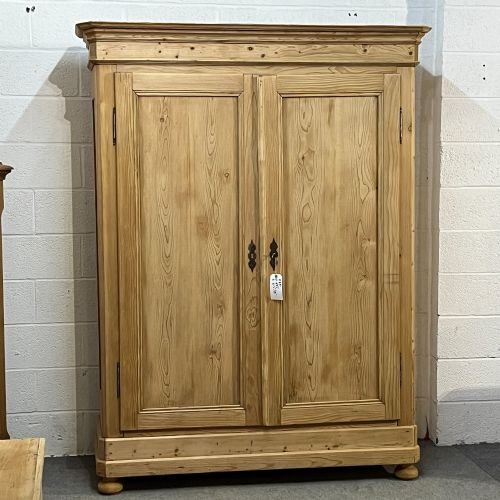
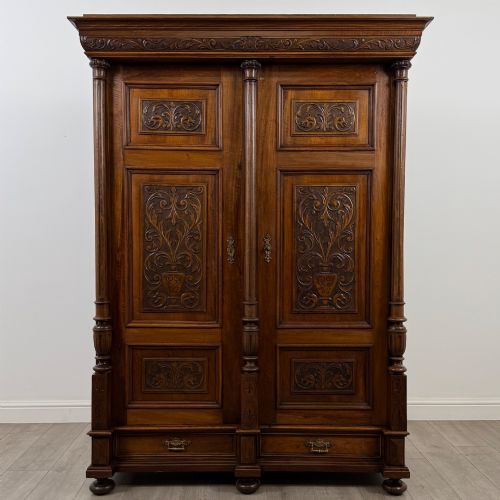
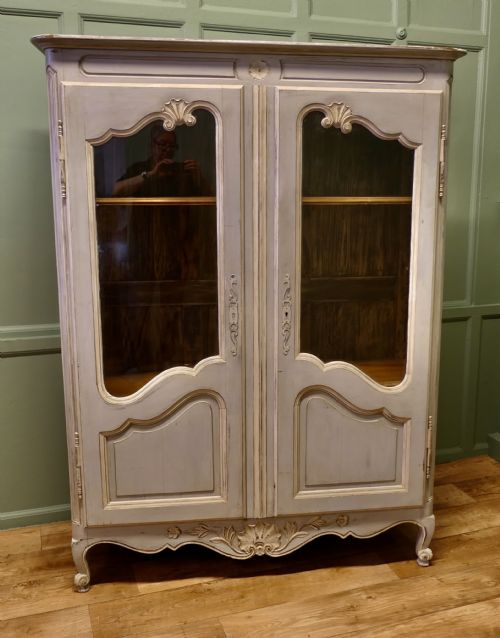
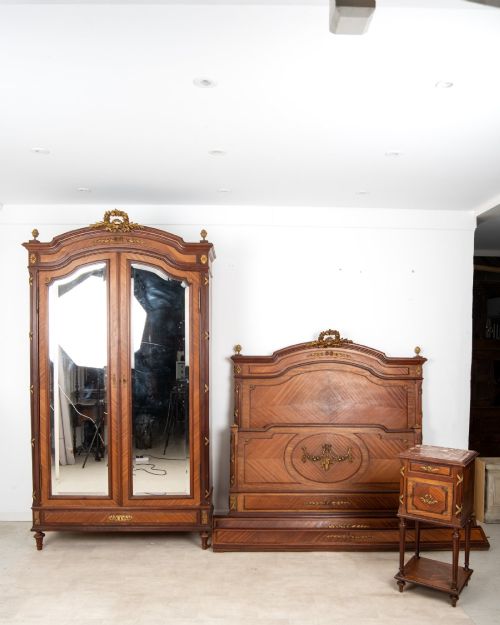
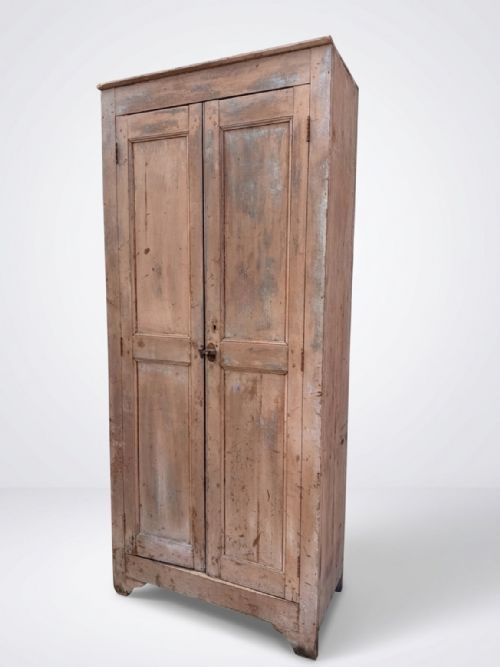
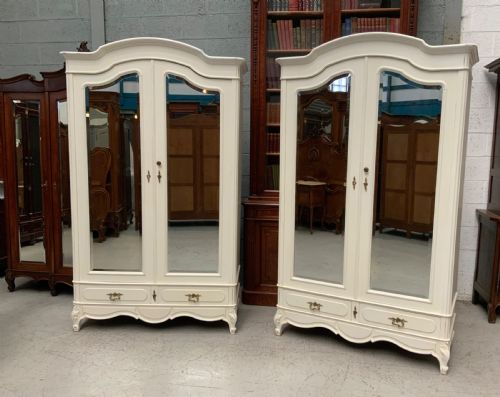
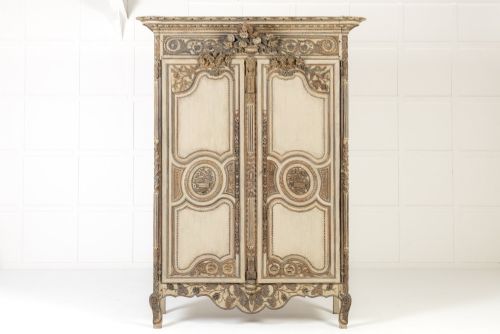
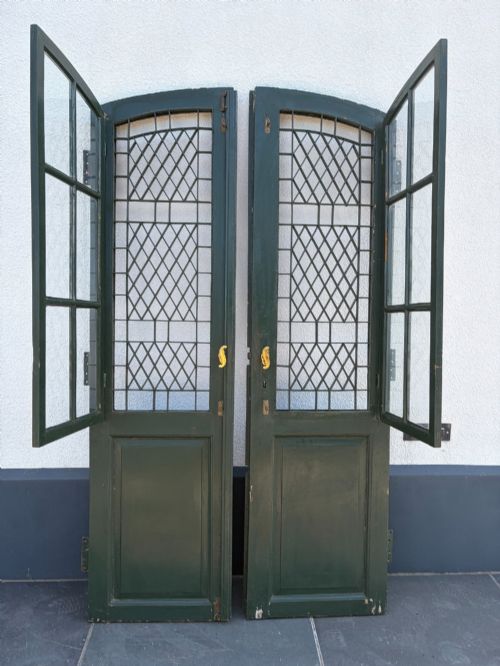


French Double Doors
French double doors offer a grand architectural transition, bringing generous light and period character into contemporary interiors.
French Double Doors
When searching for french double doors, buyers encounter substantial architectural elements designed to divide interior spaces or open onto gardens. The examples on this page span the nineteenth and early twentieth centuries, reflecting diverse regional styles from country farmhouses to urban chateaus.
Originating largely from French provincial and chateau contexts, these pieces showcase period woodworking traditions. They range from rustic painted pine editions to refined hardwood constructions bearing traditional panel arrangements.
Distinctions in quality and execution
Quality reveals itself primarily in the selection of timber and the precision of the joinery. Superior examples demonstrate tight, stable joints and well-seasoned woods that resist warping across wide spans.
The refinement of carved detail and the integrity of original hardware elevate certain pieces above standard utility items. Hand-carved mouldings and authentic period fastenings indicate a higher level of workshop execution.
Some nineteenth-century doors retain the faint scent of old French beeswax, lingering quietly after decades in provincial chateaus.
Melissa White·Mercier
The French Double Doors Glossary
- Mortise and tenon
- A traditional woodworking joint where a projecting tongue fits snugly into a corresponding cavity to lock two pieces of timber together securely.
- Chateau
- A grand country house or castle of French origin, often associated with sophisticated architectural fittings and substantial scale.
- Provincial
- Denoting styles originating from the French regions rather than Paris, typically characterised by robust utility and charming local craftsmanship.
- Patina
- The deep surface sheen and coloration developed by wood and metal over long periods of use and natural ageing.
French Double Doors: Frequently Asked Questions
How do I install antique French double doors?
Installation requires a skilled carpenter to ensure the heavy timber frames hang true within modern door openings. Adjustments to existing walls are frequently necessary to accommodate older, non-standard dimensions.
Hardware placement and threshold alignment must be managed carefully to maintain smooth operation and proper weight distribution.
Can these doors be used externally?
Most antique doors were designed for internal room division or sheltered chateau corridors. Adapting them for exterior use requires careful weatherproofing and treatment of the historic timber.
Consulting a specialist restorer helps preserve the original wood while adding modern seals against moisture and drafts.
How should I clean antique wood and glass?
Maintain timber surfaces using a soft, dry cloth and periodic applications of quality beeswax to nourish the grain. Avoid modern chemical sprays that can strip historic finishes.
Clean glass panels gently with a mild vinegar solution, taking care not to let moisture seep into old putty or wooden frames.
How do I date an older pair of doors?
Dating relies on examining the tool marks left by woodworkers, the style of the mouldings, and the composition of the glass. Hand-sawn boards and forged iron hardware typically point to earlier nineteenth-century production.
Comparing panel configurations against regional architectural standards helps narrow down the specific decade of manufacture.