



French Display Pedestal
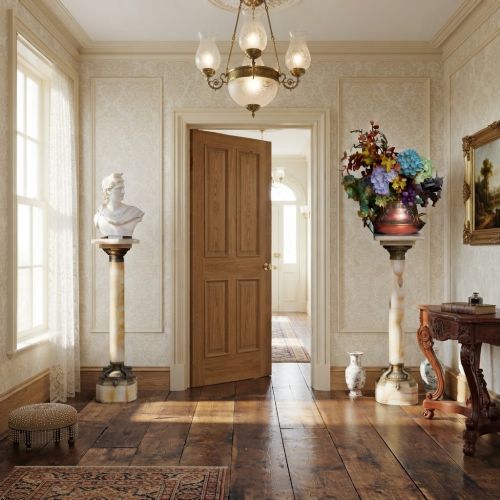
These French display pedestal pieces elevate sculpture and plants, bringing classical proportion and heavy stone into a room.
French Display Pedestal
A french display pedestal takes the form of columns, torcheres, and plant stands designed to elevate objects within a room. You will frequently encounter nineteenth-century examples alongside items from the Edwardian era and the nineteen-thirties.
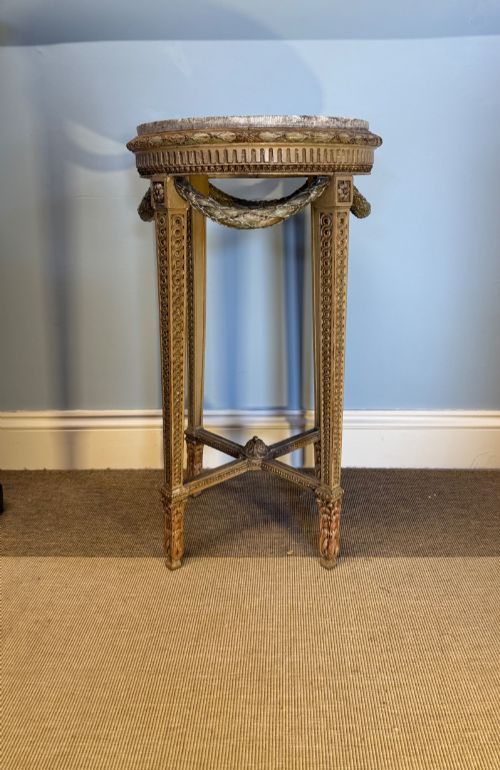
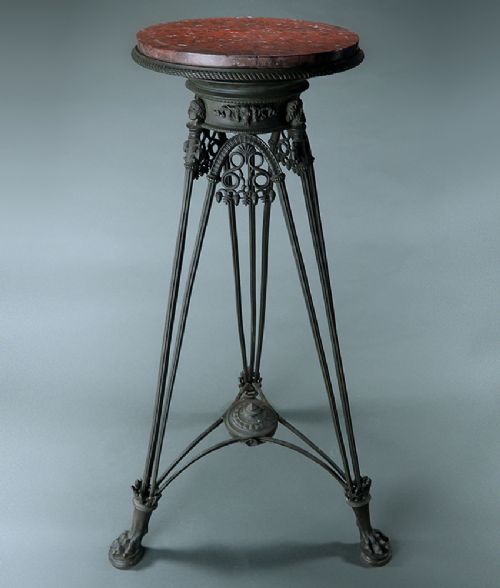
The objects serve as plant stands, urn stands, and sculptor stands, utilising columnar and triform structures. Neoclassical, French Empire, and French Rococo styles dominate the selection, bringing architectural presence to interior spaces.
Makers such as Mercier Frères and Marguerite appear in the record, linking specific furniture suites and painted columns to named ateliers. Pieces range from straightforward mahogany plant stands to grand marble and ormolu columns.
Materials and construction methods
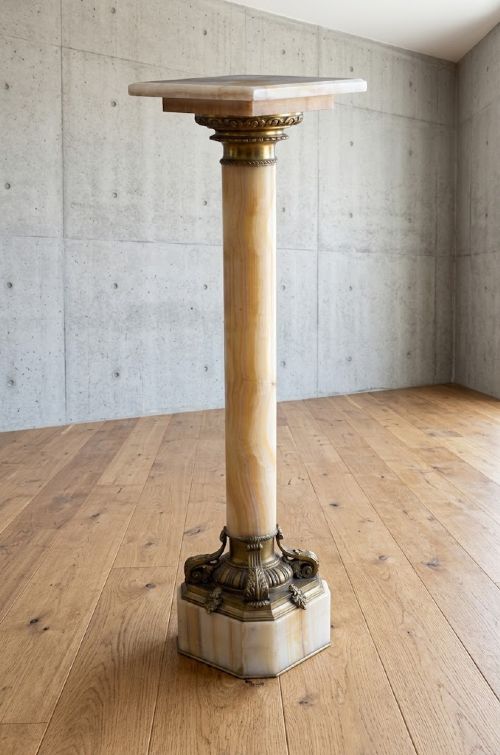
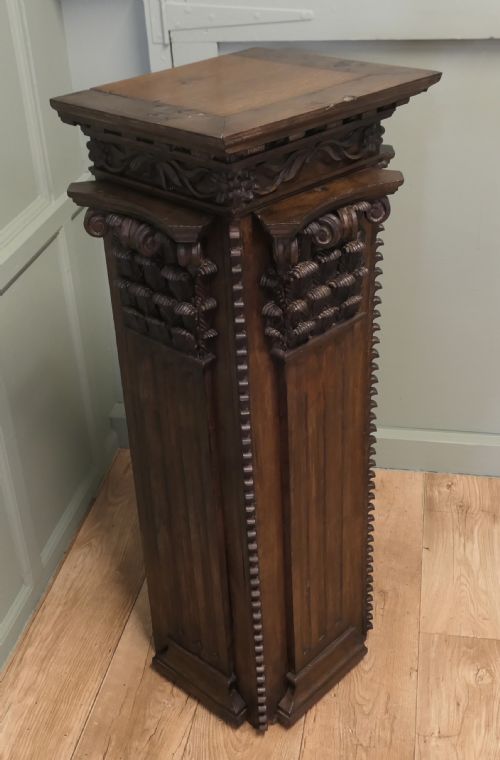
Makers combined stones such as onyx, verde antico, vert de patricia, and rouge marble with structural timbers including oak, walnut, mahogany, and kingwood. Columns frequently feature marble tops supported by wooden or cast cores.
Metal ornamentation played a central role, utilising ormolu collars, chiseled brass mounts, and gilt bronze elements to accent the stone shafts. Gesso and giltwood finishes provided decorative surface detail on torcheres and plant stands.
Joinery techniques united turned wood columns with heavy stone plinths and capitals, balancing substantial weight at the base with decorative metalwork at the collar.
Some nineteenth-century pedestals double as pot cupboard chests, hiding mundane domestic storage beneath grand marble tops.
Assessing quality in construction and material
Quality rests in the selection and matching of the stone, from plain hardwoods to figured onyx and rich serpentine marble. The density of the marble and the weight of the onyx dictate the substance of the column.
Mounts separate standard items from finer work, measured by the crispness of the chiseled brass or ormolu collars and the depth of the giltwood or gesso carving. Solid wood frames with integrated brass detailing outlast simpler painted finishes.
Mercier Freres·Marguerite
The French Display Pedestal Glossary
- Ormolu
- Gilt bronze mounted onto furniture or architectural elements. This technique involves applying a gold-mercury amalgam to bronze.
- Torchere
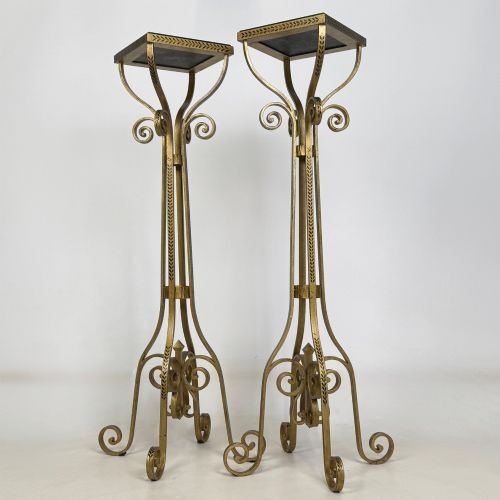
- A tall stand or candlestick designed to hold a light source or an urn. These slender columns elevate decorative objects above floor level.
- Guéridon
- A small French table supported by one or more columns. The form often matches the circular tops of display pedestals.
- Verde Antico
- A dark green serpentine marble heavily utilised in classical architecture and decorative columns. It provides a mottled, deep green surface.
- Gesso
- A plaster mix applied to wood surfaces as a base for painting or gilding. It allows for crisp, raised surface decoration.
French Display Pedestal: Frequently Asked Questions
What is a french display pedestal used for?
These pieces function primarily to elevate sculptures, urns, and heavy plants above floor level to draw the eye. They serve as architectural accents in hallways, drawing rooms, and studies.
Historically, they placed art objects in prominent light or supported heavy floral arrangements in grand interiors.
How do I identify a nineteenth-century column?
Nineteenth-century examples rely on dense natural stones like onyx and rouge marble paired with heavy timber frames. Look for hand-chiseled brass collars and traditional joinery methods beneath the top surface.
Stylistic cues from the French Empire and Neoclassical periods often guide the proportion and decorative motifs of the column.
Where should I place a torchere stand?
Torchere stands suit corners, flanking doorways, or framing large pieces of furniture where vertical height is needed. Their slender profile allows them to occupy minimal floor space while holding a plant or lamp.
Ensure the floor is level, as heavy marble tops can make tall columns sensitive to uneven surfaces.
What is the difference between a plant stand and a pedestal?
Plant stands often feature waterproof liners, tiers, or lower rings designed to catch water and hold pots securely. Pedestals focus on architectural display, featuring flat marble or wood tops meant for sculpture or urns.
Both share columnar forms, but plant stands frequently incorporate lighter woods and brass trays.