

French Display Cupboard
A French display cupboard brings glazed elegance to a room, framing collections behind glass panels.
French Display Cupboard
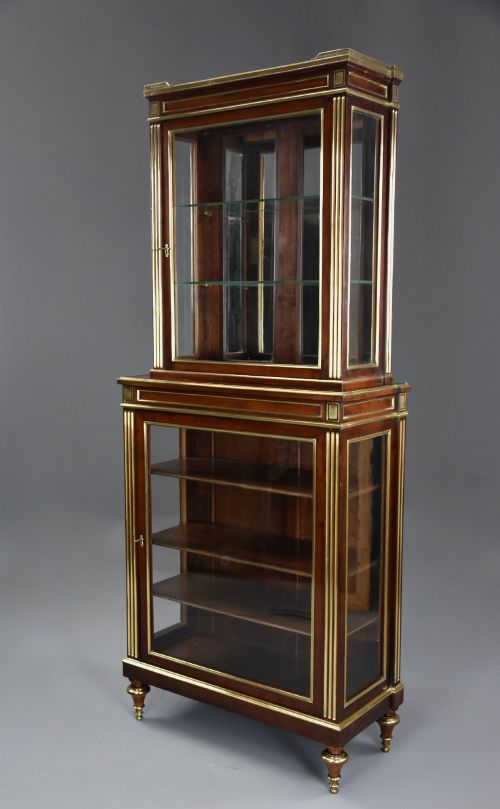
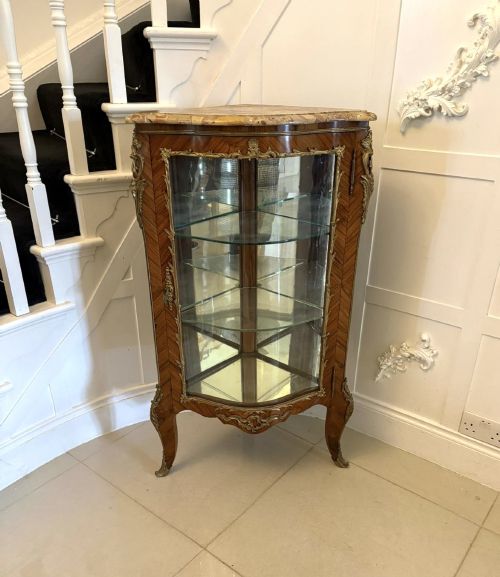
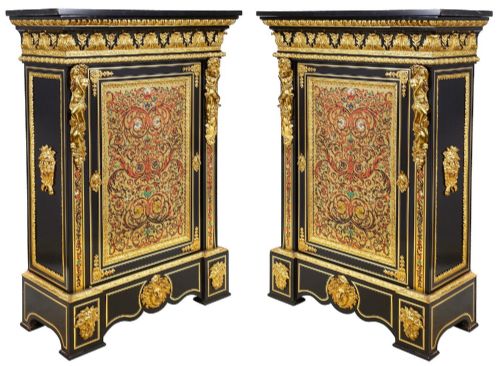
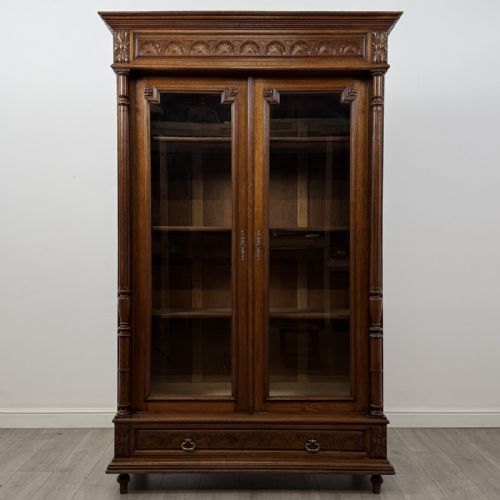
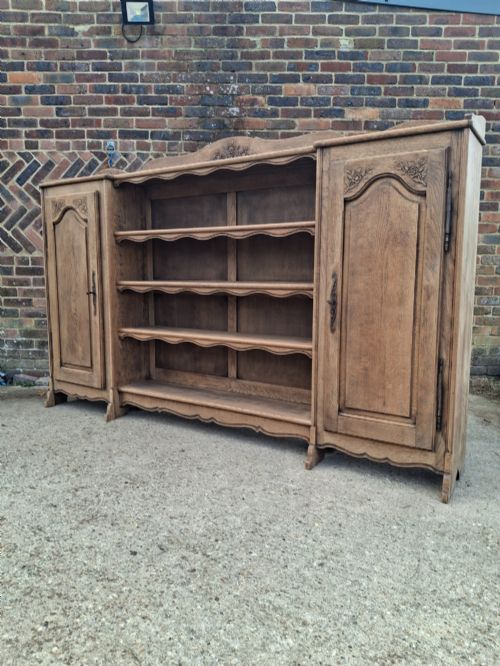
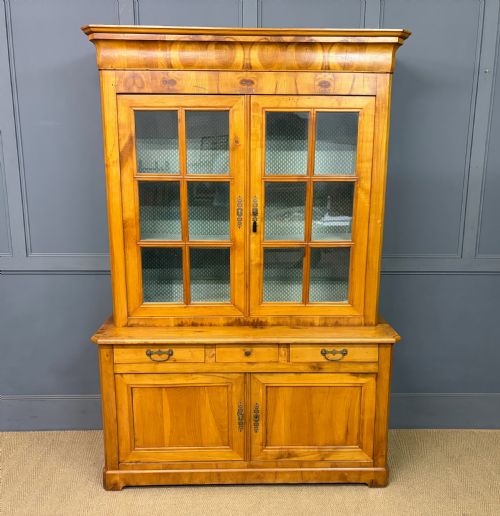
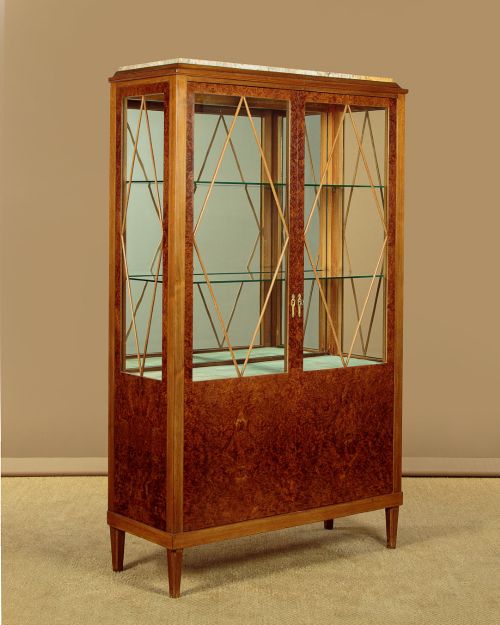
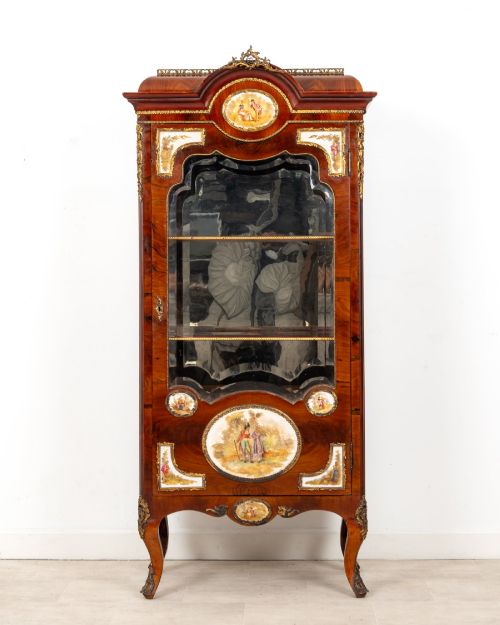
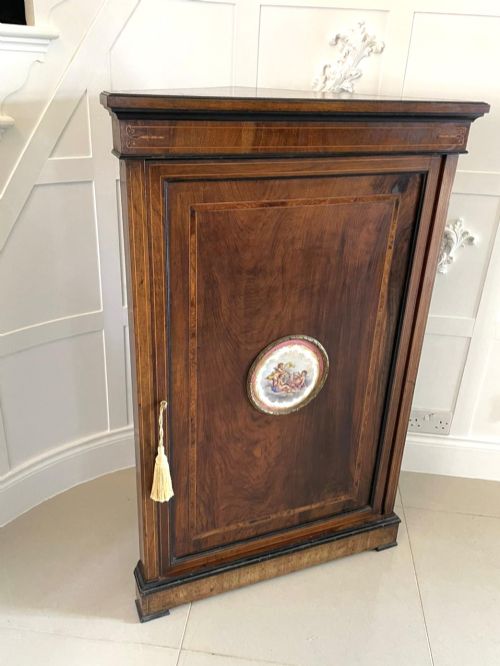
A French display cupboard serves to showcase and protect valued possessions behind glass doors. These items appear in forms such as vitrines, corner cabinets, pier cabinets, and bookcases.
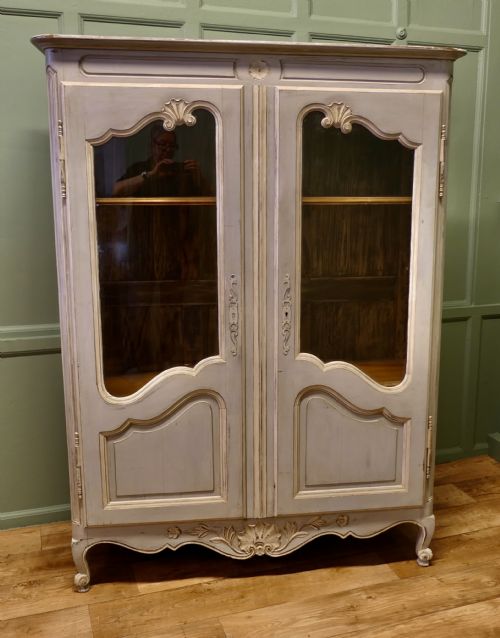
Most examples date from the nineteenth century, including pieces reflecting Louis XV revival and French provincial styles. Walnut, oak, and painted finishes dominate the available selection.
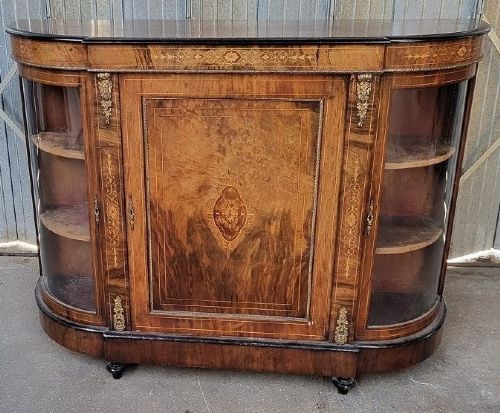
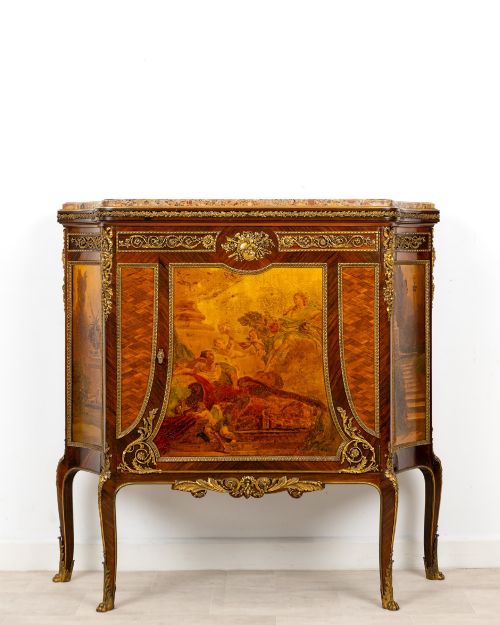
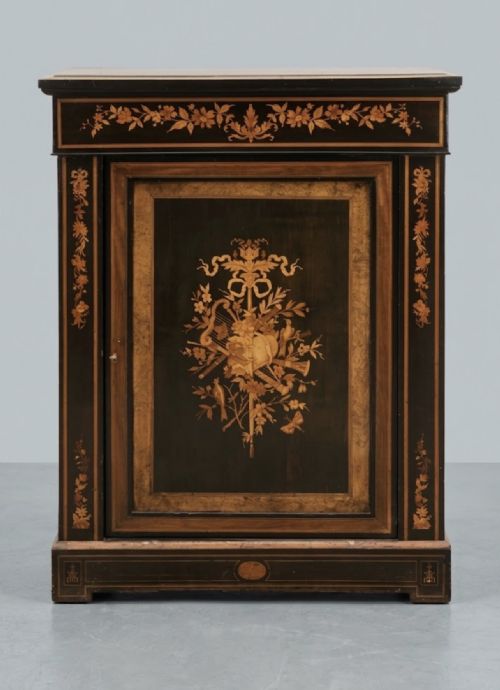
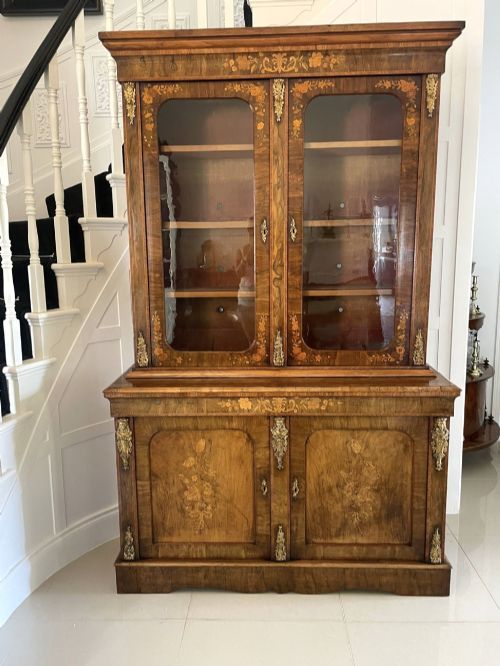
Makers utilised marquetry and parquetry inlay to decorate surfaces, often pairing timber with glass and metal mounts. Buyers encounter both tall wall units and compact corner pieces suited to varied domestic spaces.
How they were made
Cabinet makers constructed frames from hardwoods such as walnut, oak, and mahogany, frequently applying veneers of kingwood, satinwood, and burr walnut. Ormolu mounts in cast brass and porcelain plaques provided ornamental contrast.
Glass panels were fitted into wooden doors to display the interior shelves, while marble slabs often formed the top surface of commodes and smaller cabinets. Brass inlay and ebonised detailing finished the decorative schemes of later nineteenth-century pieces.
French Display Cupboard Retail Price Guide 2026
Typical asking prices for french display cupboard among the pieces listed under this phrase on Sellingantiques today, from the lower quarter to the upper quarter. They describe what is for sale here now, not the wider market.
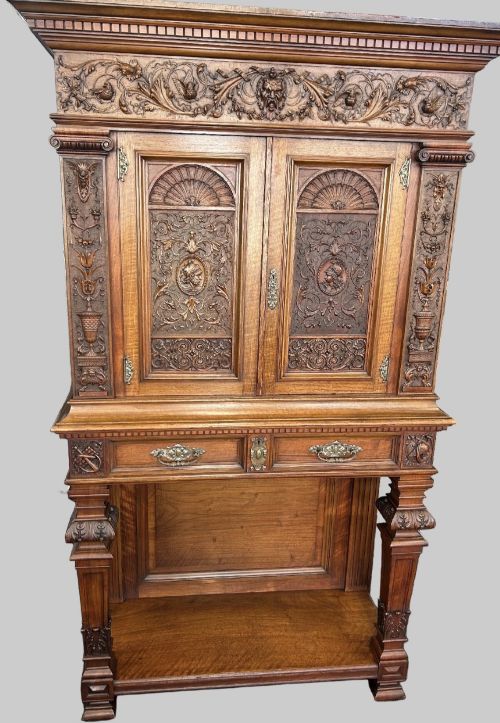
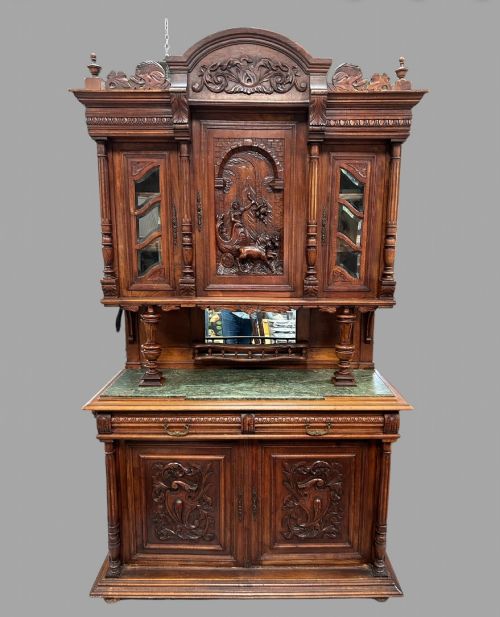
Hunting cabinets occasionally sport carved wooden game birds and woodland foliage.
What varies in quality
The refinement of the ormolu mounts and the precision of the marquetry inlay distinguish finer examples from standard production. Hand-chased bronze details and carefully matched timber veneers indicate superior craftsmanship.
The integration of hand-painted porcelain plaques, such as Sevres style panels, elevates a piece. Structural integrity in the glazing bars and original glass panes also separates standard utility furniture from exceptional showroom items.
Edward Holmes Baldock·Gabriel-Frederic Viardot
The French Display Cupboard Glossary
- Ormolu
- Gilded bronze mounts applied to furniture. This technique added decorative gilt highlights to nineteenth-century cabinet frames.
- Vitrine
- A glass-fronted display cabinet. These pieces were designed specifically for showing porcelain and small curiosities.
- Marquetry
- Inlaid patterns formed from different coloured wood veneers. Craftsmen arranged floral and geometric motifs across the cabinet doors.
- Buffet deux corps
- A large two-tier cabinet consisting of a lower cupboard and an upper section. This form provides substantial storage and display space.
- Pier cabinet
- A low cabinet made to fit narrow wall spaces between windows. They frequently feature marble tops and glass doors.
French Display Cupboard: Frequently Asked Questions
What is a French display cupboard used for?
These cabinets housed porcelain, glassware, and treasured ornaments behind protective glass doors. They kept dust away from delicate collections while allowing guests to view them.
In modern rooms, they serve a similar purpose for displaying ceramics, books, and curated objects of interest.
How do I identify a nineteenth-century piece?
Examine the timber construction, joinery methods, and secondary woods used inside the cabinet. Nineteenth-century examples often feature machine-sawn interior boards combined with hand-cut dovetails.
Stylistic markers such as ormolu mounts, ebonised finishes, and revival designs like Louis XV style also point to this era.
Where should I place a corner display cabinet?
Corner units fit neatly into unused room angles, making them practical for smaller dining spaces or studies. They draw the eye upward and utilise vertical room capacity without crowding the floor.
Position them away from direct sunlight to protect antique timber veneers and interior linings.