




French Display Console
These french display console pieces combine surface display with architectural presence, offering a practical centrepiece for any room.
French Display Console
A french display console brings together the surface utility of a table with the ornamental glasswork of a vitrine or the wall-fixing of a bracket. When you search for a french display console, you encounter forms ranging from glazed bijouterie tables to marble-topped drapers tables and carved wall brackets.
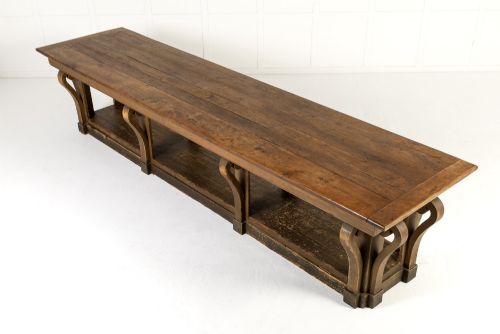
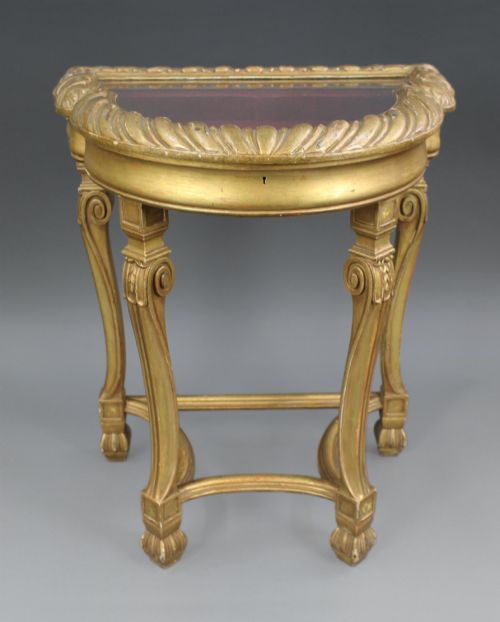
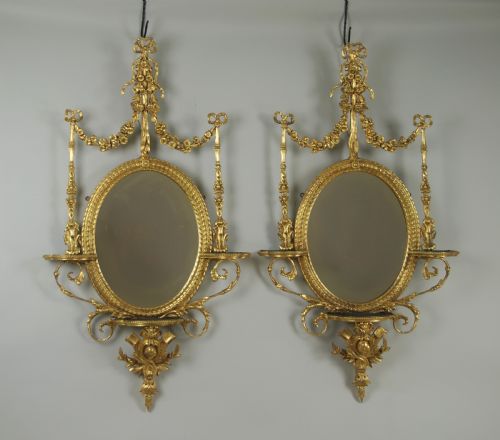
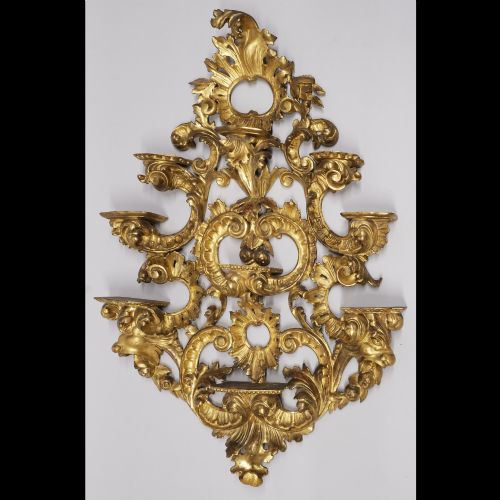
The pieces seen here span the nineteenth century up to mid-century revivals, drawing on French Country, Louis XV, and Louis XVI styles. You will find freestanding tables with glass tops alongside oak shop counters and gilded wall-mounted shelves.
Originating as bespoke pieces for displaying precious objects or serving utilitarian shop functions, these items retain their dual character as functional furniture and decorative display platforms.
Materials and construction
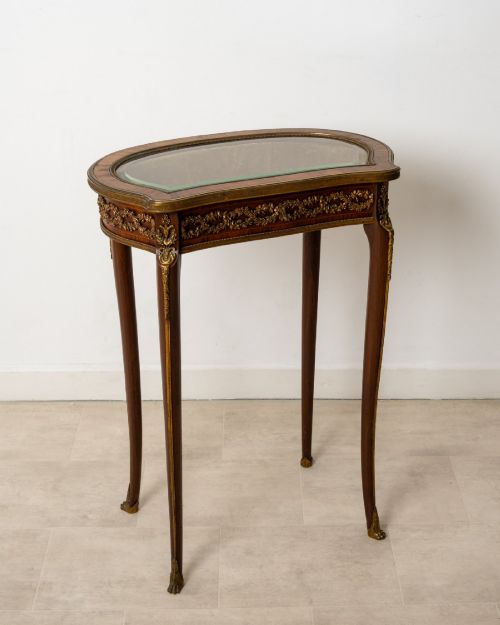
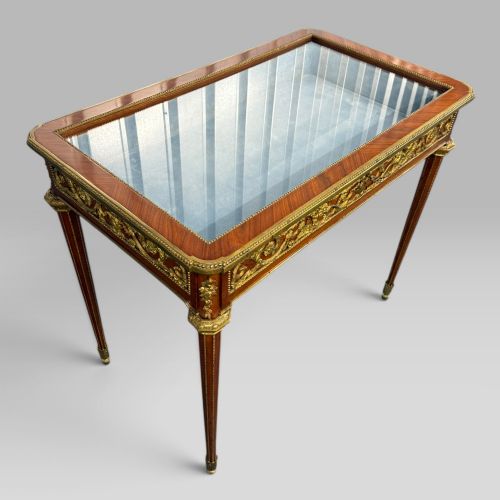
Makers utilised dense timbers such as mahogany, oak, walnut, and kingwood for the primary frames, often applying gesso and giltwood finishes to achieve the characteristic sheen. Ormolu mounts and brass inlays provide ornamental contrast against the dark woods.
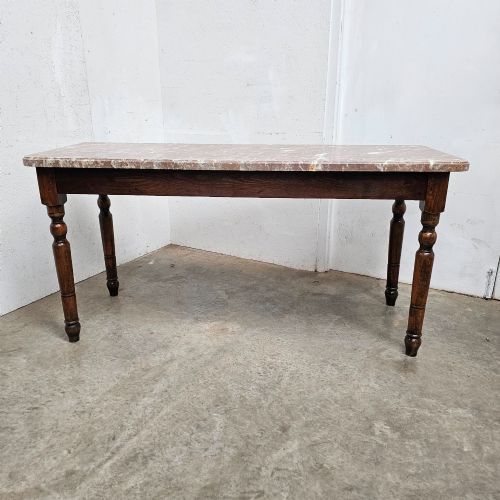
Glass tops and glazed panels enclose the upper display sections on bijouterie tables, while heavy marble slabs form the working surfaces on patisserie and console variants. Carved wooden elements rely on traditional joinery and hand-applied gilding.
French Display Console Retail Price Guide 2026
Typical asking prices for french display console among the pieces listed under this phrase on Sellingantiques today, from the lower quarter to the upper quarter. They describe what is for sale here now, not the wider market.
Listings feature materials including marble, ormolu, giltwood, mahogany, and oak across forms from wall brackets to bijouterie tables.
Judging quality in these consoles
Quality rests in the crispness of the carved giltwood and the integration of bronze or ormolu mounts rather than plain timber surfaces. Superior examples demonstrate deliberate hand-carving and precise joinery across the frame and glazed compartments.
The weight and selection of materials, such as heavy marble tops and figured mahogany or kingwood veneers, separate standard utilitarian shop tables from finer salon display pieces.
François Linke
The French Display Console Glossary
- Bijouterie Table
- A glass-topped display table specifically designed for showing small valuables, jewellery, and curiosities. These pieces often feature velvet-lined interiors beneath hinged glass lids.
- Ormolu
- Gilded bronze ornamentation applied to furniture frames and mounts during the nineteenth century. This technique creates a rich metallic contrast against dark hardwoods.
- Giltwood
- Timber carved and coated with a thin layer of gold leaf or gold paint. It defines the ornate aesthetic of Victorian and revival frames.
- Drapers Table
- A long utilitarian wooden table historically used in textile shops for folding and displaying cloth. They feature sturdy timber frames and unpretentious rectangular tops.
French Display Console: Frequently Asked Questions
What is a french display console used for?
These pieces serve as decorative surfaces for ornaments, lamps, and curated collections of small objects. Many variants include glass compartments designed specifically for delicate curiosities.
They also function as architectural anchors in hallways and living spaces, combining surface utility with sculptural presence.
How do I style a french display console?
Pair a glazed or marble-topped console with a wall mirror or bracket to create a balanced focal point in a room. Keep the arrangement restrained to let the carved wood and ormolu details stand out.
Use the interior glass space of bijouterie variants for smaller collections while keeping the top surface uncluttered.
Are these pieces from the nineteenth century?
The selection includes items originating from the nineteenth century alongside later revival pieces produced in the twentieth century. Dating relies on timber selection, construction methods, and stylistic indicators such as Louis XVI revival motifs.
Each period brings distinct material combinations, from heavy oak shop tables to refined kingwood vitrines.
What is the difference between a console and a drapers table?
Console tables and wall brackets are designed primarily for decorative display and architectural support against a wall. Drapers tables originate from commercial workshops and offer sturdy, utilitarian wooden surfaces.
While consoles often feature giltwood, marble, and ormolu mounts, drapers tables rely on straightforward oak or painted pine construction.