




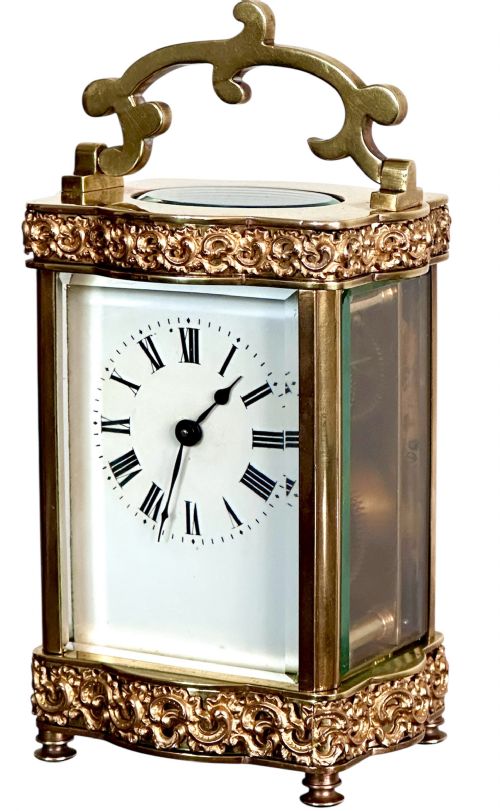


French Decorative Timepiece
A french decorative timepiece brings interior character through brass, ormolu, and porcelain, functioning as a striking focal point on a mantelpiece.
French Decorative Timepiece
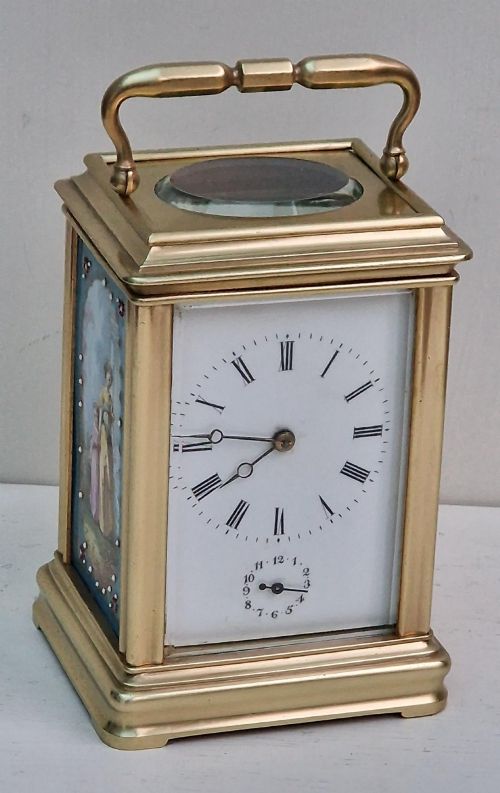
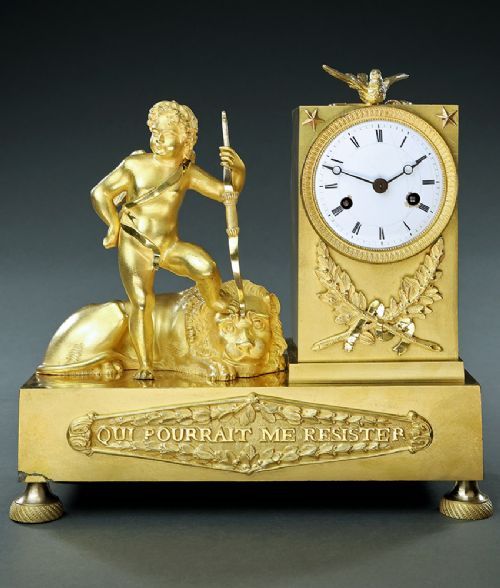
A french decorative timepiece encompasses various mantel clocks, carriage clocks, and pocket watches originating from the nineteenth and early twentieth centuries. These objects reflect period styles such as French Empire, Rococo Revival, Louis XVI, and Victorian iterations.
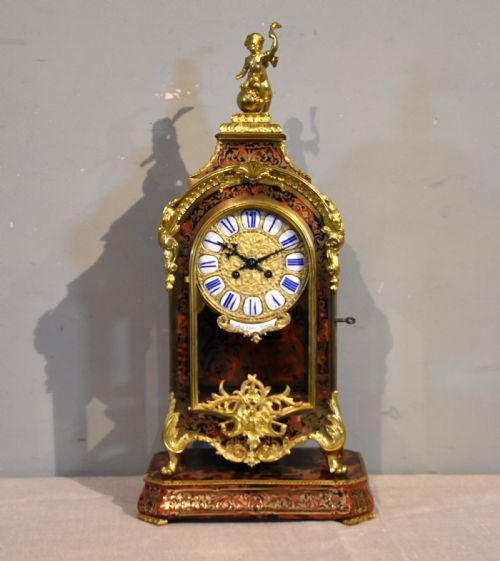
Mantel clocks dominate the selection, frequently featuring architectural marble cases, figural bronze castings, or intricate ormolu mounts. Carriage clocks provide a smaller, portable alternative housed within glass panels and brass frames.
The aesthetic leans heavily towards ornate ornamentation, incorporating motifs like putti, cherubs, and floral enamel panels. Each piece bridges utility with sculptural artistry, serving to register hours while embellishing domestic interiors.
Materials and construction methods
Constructors relied on cast brass, bronze, and ormolu to form elaborate structural cases, frequently applying fire-gilding to achieve rich metallic lustres. Marble and porcelain provided solid foundations and decorative panels respectively, offering contrasting textures against polished metal.
Dials often utilised vitreous enamel painted with Roman or Arabic numerals, sometimes accompanied by hand-painted miniature scenes of flora or figures. Movements combined brass wheels, steel pinions, and glass components to regulate time accurately within ornate housings.
The object forms recorded here range from wall-mounted cartel clocks and pocket watches to architectural mantel clocks and portable carriage clocks.
Distinctions in execution and detail
The refinement of the casting and the depth of the chasing separate standard items from superior examples, with finer pieces displaying crisp relief work on bronze and ormolu surfaces. Hand-painted enamel panels and signed miniatures demonstrate superior artisanal skill compared to mass-produced transfers.
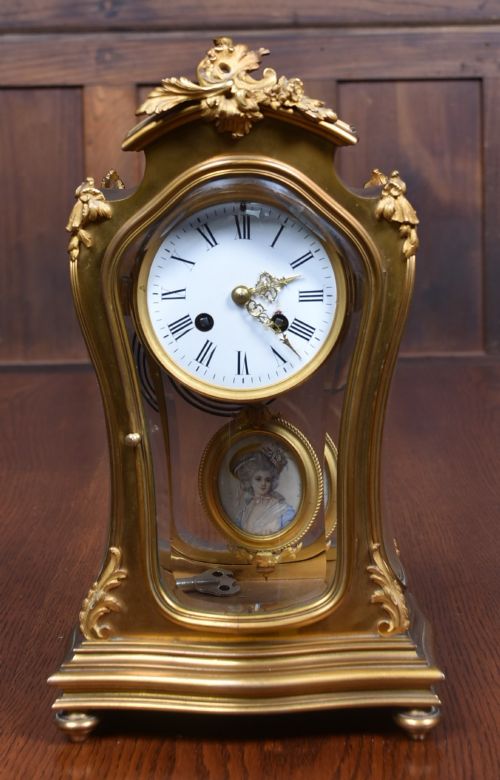
Complexity of the movement also dictates standing, particularly mechanisms featuring repeating functions, complex escapements, or specialised striking trains housed within four-glass cases or heavy marble chassis.
Rodier·Le Roy·Duverdrey and Bloquel·Tiffany·Wetterstrands·Hessen Paris·Henri Jacot·John Bennett·Perivale of England
The French Decorative Timepiece Glossary
- Ormolu
- Gilt bronze produced by applying a mercury-gilding technique to a bronze base. This process creates a durable, luminous metallic finish seen on many nineteenth-century mantel clocks.
- Carriage clock
- A portable spring-driven timepiece designed for travel during the nineteenth century. These clocks typically feature a rectangular brass case fitted with bevelled glass panels.
- Cartel clock
- A wall-mounted clock enclosed in an ornamental frame made of giltwood, bronze, or brass. The style originated in France and relies on wall suspension rather than resting on a mantel.
- Four glass clock
- A mantel clock enclosed entirely in glass panels on all four sides, allowing the movement to remain visible from multiple angles. This design highlights the internal brass gear train and escapement.
French Decorative Timepiece: Frequently Asked Questions
How do I wind a carriage clock?
Winding requires inserting a key into the arbors located on the backplate or underneath the movement, turning gently until resistance is met. Care must be taken not to overwind the mainspring.
Most mechanical movements require weekly attention to maintain accurate timekeeping, depending on the specific gear train configuration.
Where should I place a heavy marble clock?
Heavy marble mantel clocks require a sturdy, level surface such as a fireplace mantel or a strong sideboard. Weight distribution must be balanced to prevent tipping.
Placing the object away from direct sunlight and damp environments protects both the stone case and the internal brass mechanism.
What is a repeater mechanism?
A repeater mechanism strikes the hours and quarters upon command when a lever or button is activated by hand. This function allowed owners to check the time in the dark.
Carriage clocks frequently incorporated this complication alongside standard timekeeping trains.
How can I date a clock from its style?
Stylistic cues such as heavy bronze castings indicate nineteenth-century French Empire influences, while giltwood cartel clocks point toward specific revival periods. Architectural marble cases often correspond to Victorian production.
Signatures on dials or movements provide further documentation regarding the period of creation and the workshop responsible.