
French Decorative Gilded Mirror
A french decorative gilded mirror brings light and grand proportion to a room, drawing the eye through rich surface gilding and carved detail.
French Decorative Gilded Mirror
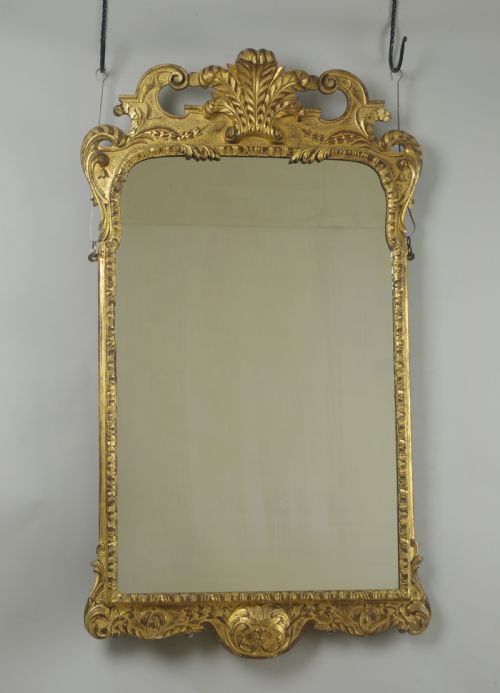
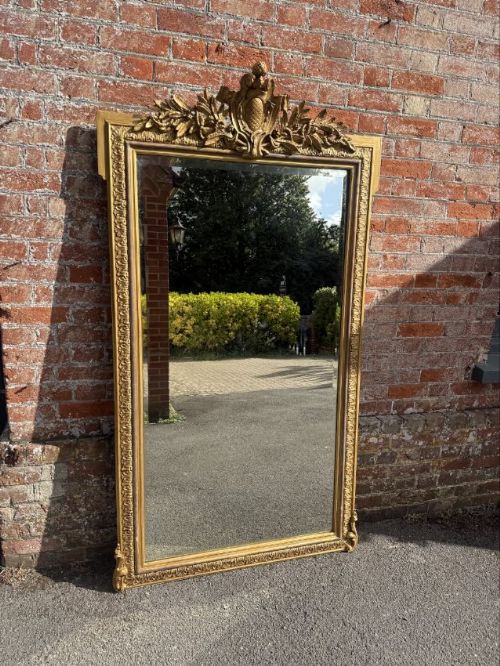
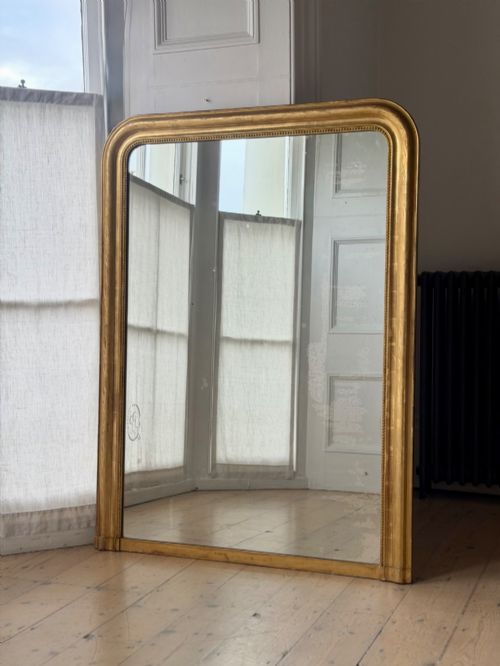
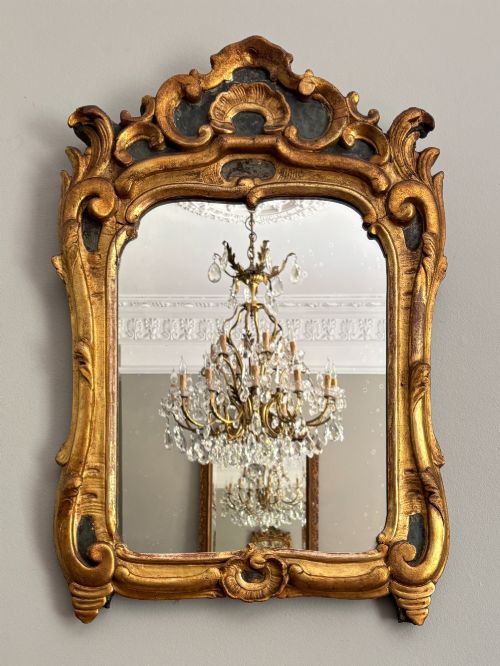
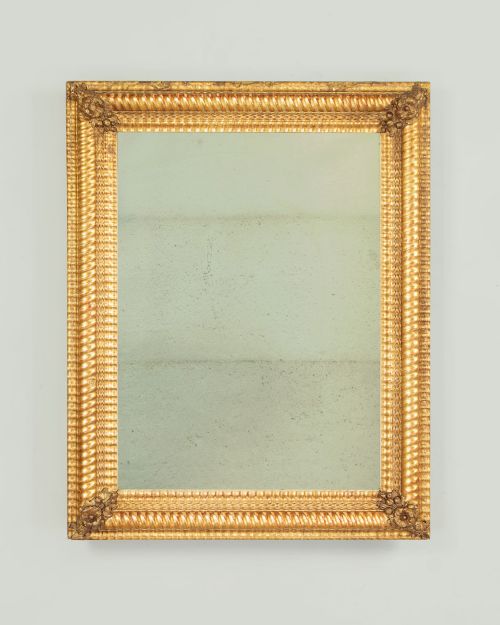
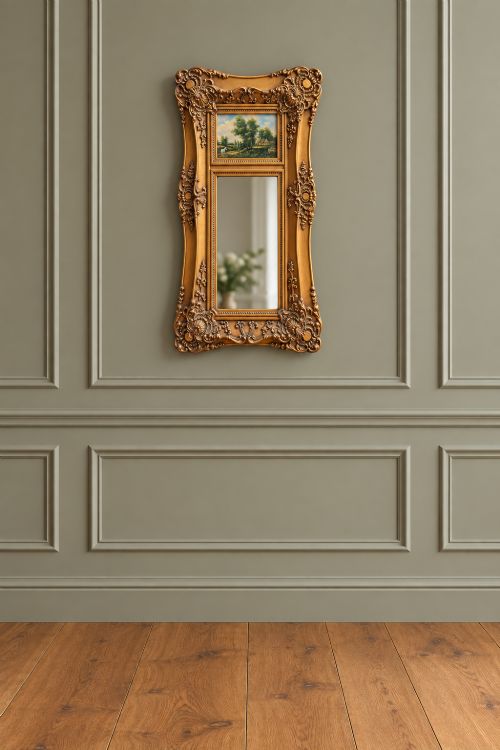
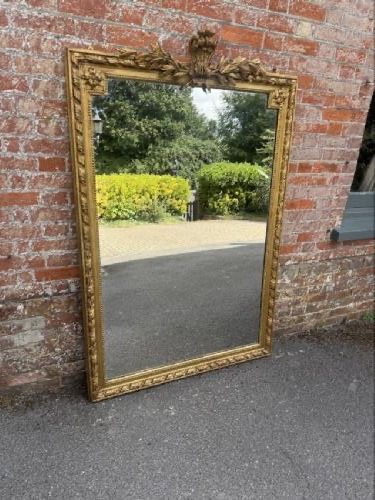
When you search for a french decorative gilded mirror, you encounter wall mirrors, overmantels, and trumeau pieces originating primarily across the nineteenth century alongside eighteenth-century and early twentieth-century examples. The selection spans distinct regional interpretations and revivals, notably Louis XVI style, Rococo, and French chateau aesthetics.
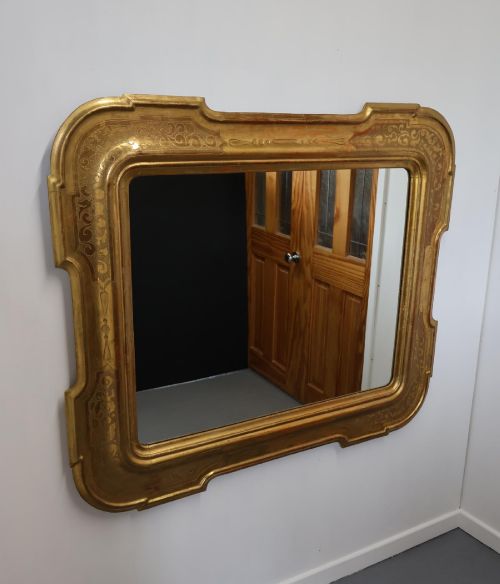
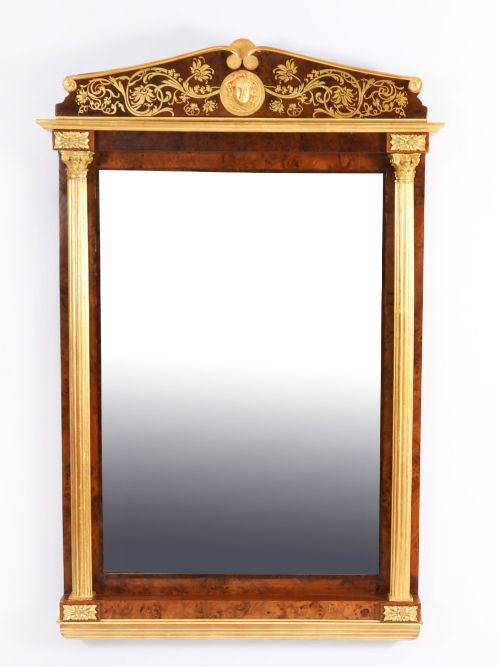
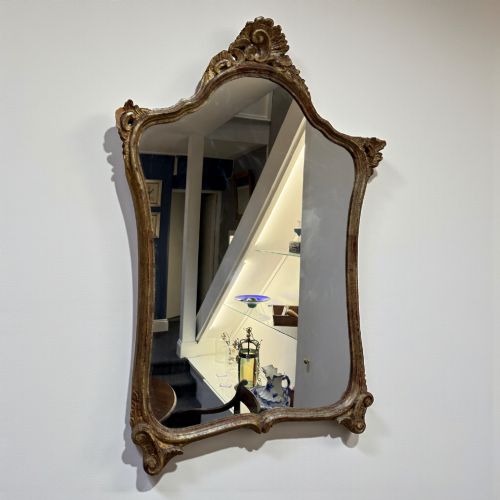
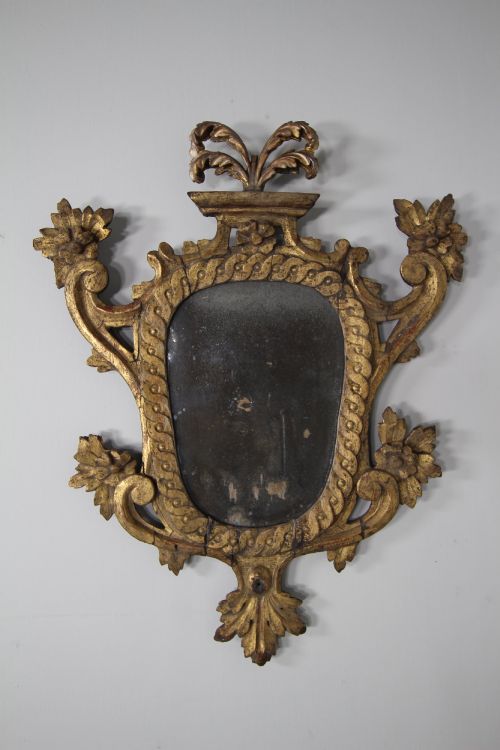
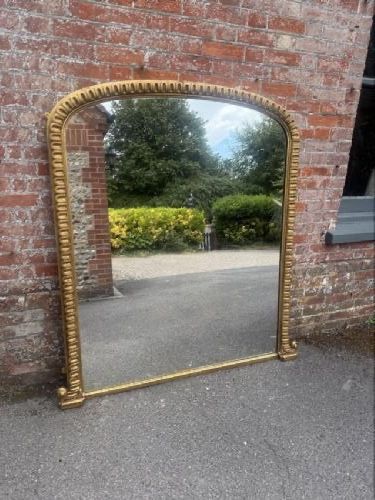
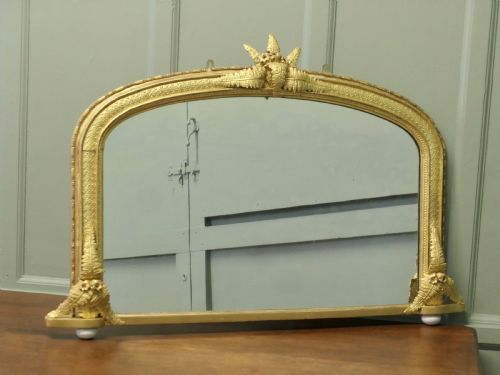
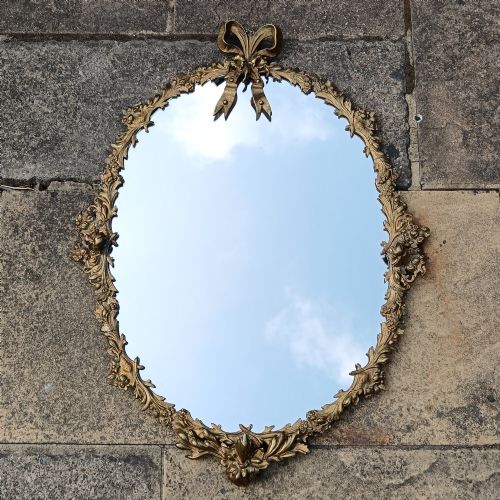
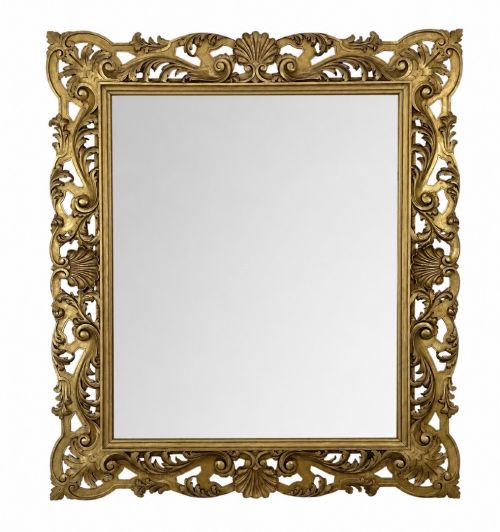
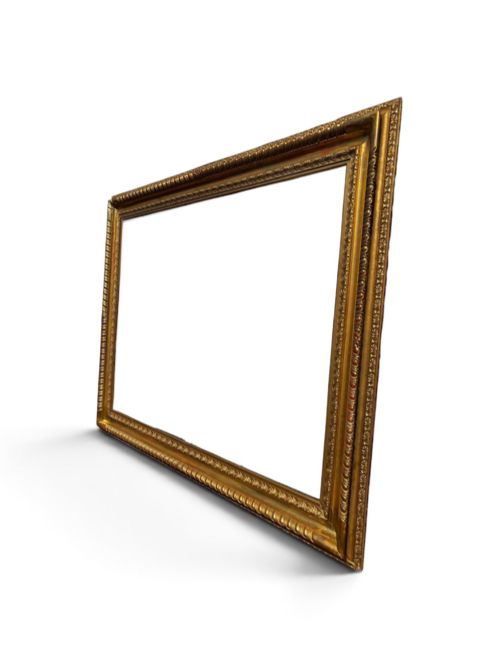
You meet pieces designed for specific architectural functions, including tall overmantel mirrors meant to sit above fireplaces and smaller oval or cartouche wall mirrors. Carved wooden frames dominate the selection, shaped with arched tops, rope twists, or floral motifs.
The most frequent versions on this page are nineteenth-century giltwood and gesso pieces displaying ornate crests or classical framing. These range from substantial wall pier mirrors to delicate marriage mirrors and painted wood designs.
How they were made
Craftsmen shaped these mirrors from timber bases of wood, walnut, or carved wood, applying layers of gesso to build up intricate relief ornaments before gilding. Gold leaf and paint were then applied to the prepared surfaces to achieve a luminous finish.
Vine leaf motifs climb across nineteenth-century frames, bringing permanent autumn foliage indoors without the sweepings.
What varies in quality
The depth and crispness of the carved ornament distinguish finer examples from simpler production, particularly in the hand-chiselled details of foliage, scrolls, and cartouches. Superior pieces maintain integrity in the underlying gesso without extensive cracking or loss beneath the gold leaf.
Proportion and architectural balance set high-tier mirrors apart, where frames retain their original mercury glass plates and structurally sound wooden backing boards.
The French Decorative Gilded Mirror Glossary
- Giltwood
- Wood that has been coated with gold leaf or gold paint. This technique provides the signature reflective warmth seen on antique frames.
- Gesso
- A plaster-like mixture applied to wood frames to create a smooth base for carving and gilding. It allows for sharp relief details such as scrolls and leaves.
- Trumeau
- A decorative wall mirror incorporating a painted panel or carved artwork above the glass plate. These pieces often integrated into eighteenth and nineteenth-century interior wood panelling.
- Overmantel mirror
- A large horizontal mirror specifically scaled to hang above a fireplace mantelpiece. They frequently feature arched tops and substantial gilded frames.
- Cartouche
- An ornamental frame resembling a rolled-up scroll or shield, often forming the central crest of a mirror. This motif defines many Rococo revival designs.
French Decorative Gilded Mirror: Frequently Asked Questions
Where should I hang a french decorative gilded mirror?
These mirrors suit placement above a fireplace mantel, acting as a traditional focal point that reflects natural light across the room. They also function effectively on main reception room walls where their scale anchors surrounding furniture.
Ensure the wall construction supports the considerable weight of carved wood and gesso frames. Secure heavy overmantel pieces using appropriate fixings directly into wall studs or masonry.
How do I clean a gilded mirror frame?
Dust the carved wooden surfaces gently with a soft, dry brush to prevent accumulation in the intricate recesses of the gesso. Avoid liquid cleaners, water, and chemical polishes entirely, as moisture strips delicate gold leaf and historical finishes.
Clean the glass plate separately using a standard glass cleaner applied to a cloth rather than the mirror itself. This prevents liquid from seeping behind the glass edge and damaging the silvering or the wooden rabbet.
How can I tell a nineteenth-century mirror from a later revival?
Examine the construction of the wooden backboards, frame joints, and the composition of the gesso layer for signs of age and hand tooling. Nineteenth-century pieces typically exhibit heavier timber frames with hand-carved detailing rather than cast resin substitutes.
Look closely at the glass plate for signs of foxing, minor age spots, or slight imperfections in the reflection. Original mercury or early silvered glass provides a softer, warmer reflection compared to modern float glass.
What is a marriage mirror?
A marriage mirror is a traditional French wall mirror historically gifted to newlyweds as a symbol of union and prosperity. These pieces often feature specific decorative motifs such as love birds, floral garlands, or intertwined ribbons.
They tend to be more intimate in scale than grand overmantel mirrors and were designed to bring luck and light into a newly established home.