
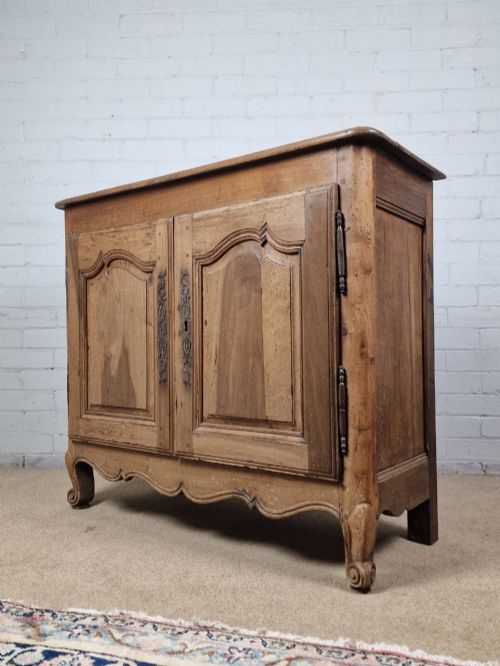
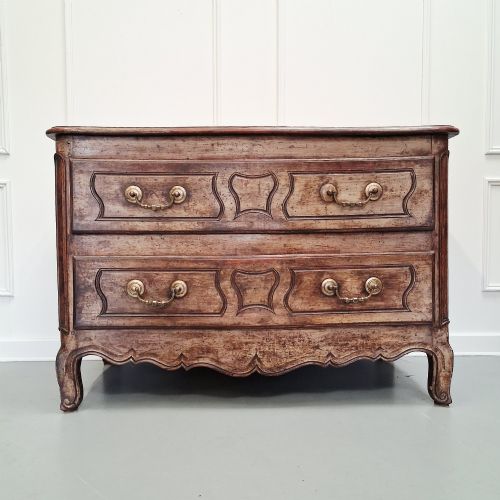
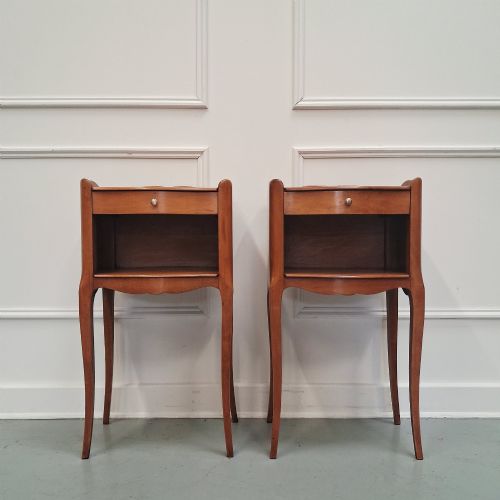


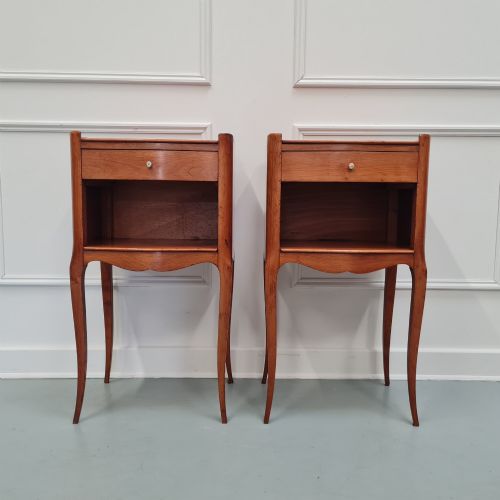
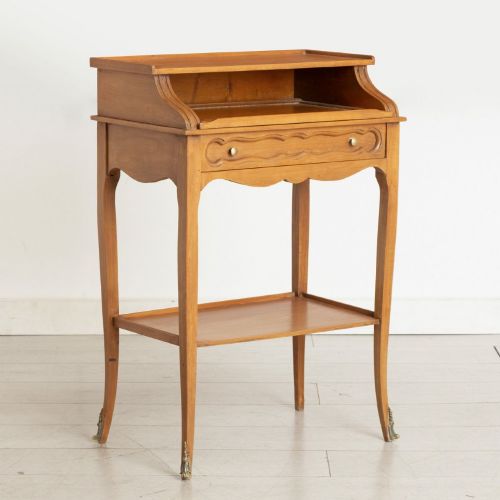
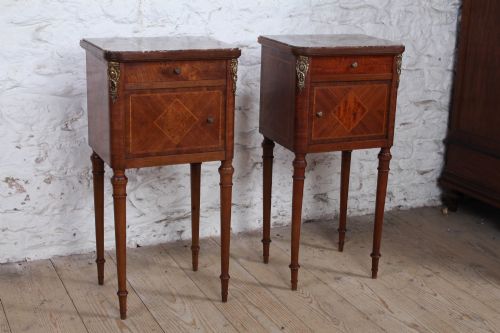


French Country Side Cabinet
A french country side cabinet brings provincial character and practical storage to a room, valued for its regional woods and marble tops.
French Country Side Cabinet
When searching for a french country side cabinet, buyers encounter a variety of forms rooted in provincial daily life. The selection ranges from bedside tables and pot cupboards to commodes and small side cabinets spanning the eighteenth to the twentieth centuries.
The pieces appearing most frequently on this page are bedside tables and compact side cabinets made in the French provincial style. These functional items typically incorporate storage cupboards or drawers suited to domestic use.
Origins stretch from eighteenth-century workshops to early twentieth-century interpretations, showing regional designs shaped by local woodworkers. Oak, walnut, fruitwood and chestnut feature regularly across these domestic forms.
How they were made
Construction relies heavily on regional timbers such as oak, walnut, chestnut and fruitwood, often worked by provincial cabinetmakers. Veneers of burr elm or fruitwood appear on finer decorative surfaces alongside solid structural elements.
Marble tops, frequently added to commodes and bedside cabinets, provide durable and decorative working surfaces. Brass mounts and wrought iron hardware supply functional hinges and pulls while adding contrast to the timber.
Surface treatments range from natural waxed finishes highlighting the grain of the wood to painted surfaces and intricate marquetry details. Carved decorations remain restrained, reflecting local vernacular traditions rather than court excess.
Some eighteenth-century walnut commodes still harbour the subtle scent of aged beeswax after centuries of domestic service.
What varies in quality
The caliber of a french country side cabinet depends on the integrity of its timber and the precision of its joinery. Superior examples retain their original marble slabs, hardware and structural framing without excessive timber shrinkage or later alterations.
Surface finish distinguishes standard regional pieces from finer workshops. Items featuring delicate marquetry, well-matched wood veneers or original painted decoration demonstrate greater initial craftsmanship and better preservation over time.
Camille & Vence
The French Country Side Cabinet Glossary
- Commode
- A low chest of drawers or cabinet designed for domestic storage. These pieces frequently feature marble tops and shaped fronts.
- Pot cupboard
- A small bedside cabinet originally built to enclose a chamber pot. They typically contain a single door and a small interior shelf.
- Marquetry
- Decorative patterns formed by fitting together thin slices of wood veneer. This technique creates geometric or floral designs on cabinet doors and tabletops.
- Lavabo
- A washing apparatus consisting of a cistern and basin mounted on a cabinet or wall. Eighteenth-century examples often incorporate pewter cisterns.
- Panetiere
- A traditional wooden bread safe used in French households to store loaves and protect them from pests. They feature distinctive ventilated spindle galleries.
French Country Side Cabinet: Frequently Asked Questions
What is a french country side cabinet?
A french country side cabinet is a functional wooden storage piece originating from provincial France. These items include bedside tables, small cupboards and commodes built for domestic use.
They reflect regional woodworking traditions, often utilising local timber like oak, walnut and fruitwood. Many pieces incorporate marble tops and simple iron or brass hardware.
How were these cabinets used?
These cabinets served practical storage needs in bedrooms, living spaces and dining rooms across French households. Bedside versions held nighttime necessities and chamber pots.
Larger commodes and side cabinets stored linens, tableware or provisions. Their compact proportions allowed them to fit easily into various rooms of a home.
How do I date a french country cabinet?
Dating relies on examining construction methods, wood types and stylistic indicators such as hardware and leg forms. Eighteenth-century pieces display hand-cut joinery and aged patinas unique to early provincial work.
Later pieces from the nineteenth and twentieth centuries often show more standardised construction while retaining regional styling. Comparing the timber grain and wear patterns helps confirm the period.
How do I live with a french country side cabinet?
These cabinets integrate easily into modern interiors as bedside tables, hallway accents or living room storage. Their modest scale and warm wooden tones complement contemporary and traditional decor alike.
Maintenance involves regular dusting and occasional waxing to preserve the timber finish. Marble tops require simple wiping with a damp cloth to prevent staining.