

French Country Frame
A french country frame grounds a room with rustic warmth, bringing provincial charm through carved timber, giltwood and gesso.
French Country Frame
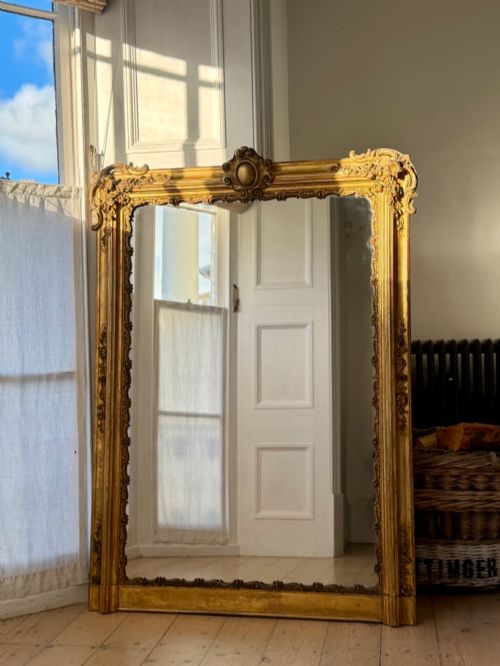
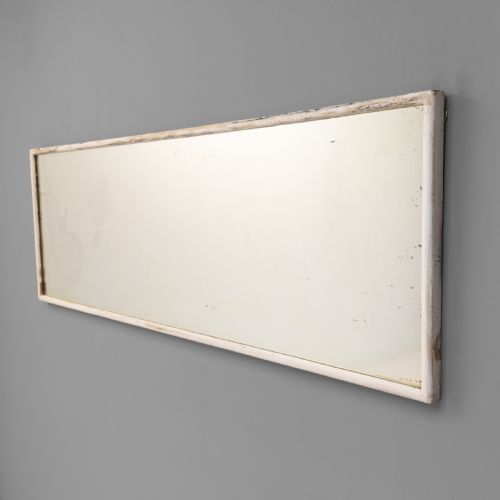
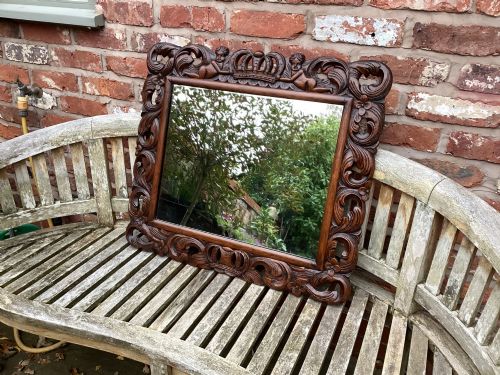
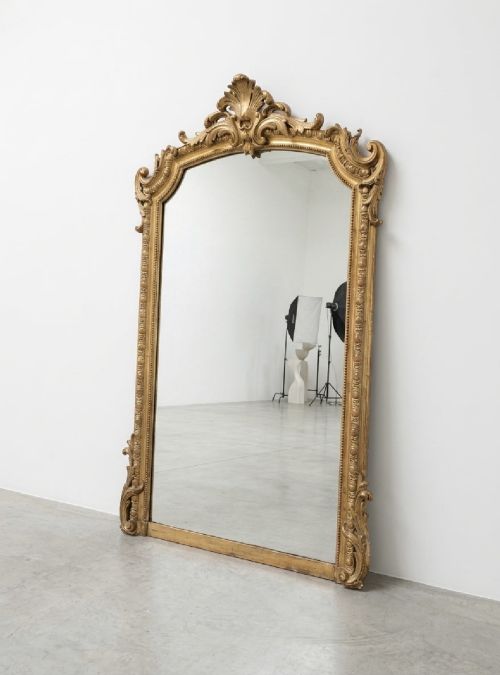
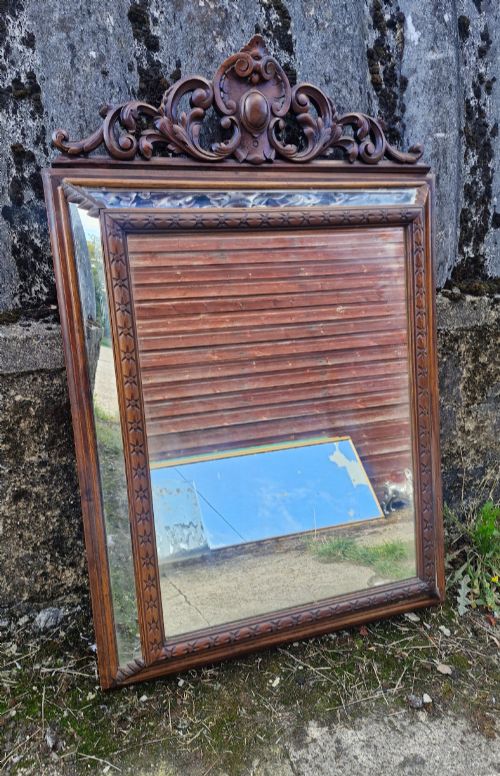
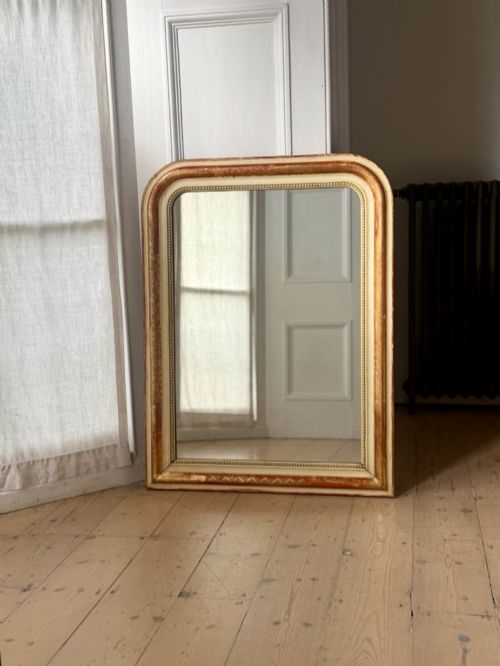
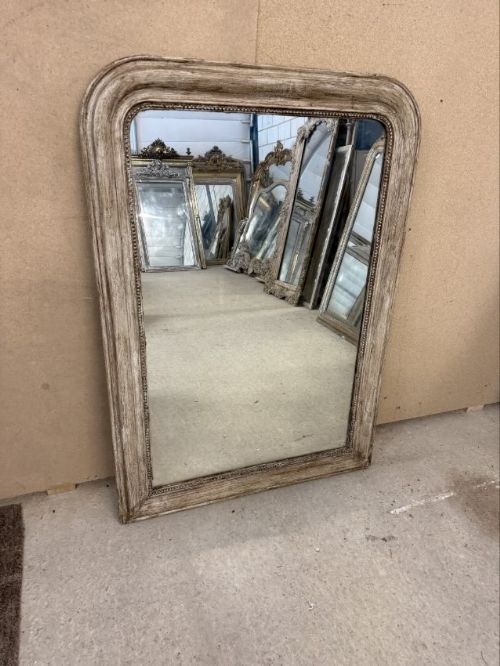
A french country frame gathers various wall mirrors, trumeau mirrors and oil paintings spanning the eighteenth, nineteenth and early twentieth centuries. These pieces reflect regional French aesthetics, ranging from rustic oak and walnut to ornate gilded surfaces.
The most common examples on this page are nineteenth-century wall mirrors and trumeau pier mirrors featuring carved wood, gesso and glass. Alongside these, buyers find oil paintings set within period gilt or wooden surrounds.
Originating across French provinces and chateaux, these items bring domestic history into modern interiors. Their forms include rectangular wall hangings, landscape oil paintings and tall pier mirrors designed for vertical spaces.
What varies in quality
The depth and crispness of the hand-carved ornamentation separate standard utility pieces from finer salon and chateau examples. Wood selection and joinery integrity dictate the structural longevity of the frame.
Surviving original finishes, whether untouched paint, authentic gilding or period mercury glass, hold greater aesthetic integrity than later overpainting or replaced mirror plates.
French Country Frame Retail Price Guide 2026
Typical asking prices for french country frame among the pieces listed under this phrase on Sellingantiques today, from the lower quarter to the upper quarter. They describe what is for sale here now, not the wider market.
Listings span from the 18th century through the Victorian era, utilising glass, walnut, gesso, timber, giltwood and oil on canvas.
Arthur Gué·Rene Levrel·Paul Désiré Trouillebert
The French Country Frame Glossary
- Trumeau
- A decorative wall mirror or panel featuring an oil painting or carving set into the upper section above the glass. These were traditionally built to fit between room windows.
- Gesso
- A plaster-like mixture applied to wood frames as a base for gilding and fine relief carving. Artisans moulded and carved this material to create intricate scrollwork and floral motifs.
- Giltwood
- Timber coated with gold leaf or metallic powder applied over a prepared ground layer. It catches light with a warm, reflective glow.
- Mercury glass
- Silvered glass produced using a mercury amalgam technique during the nineteenth century. It produces a distinctive mottled, speckled reflection.
French Country Frame: Frequently Asked Questions
Where did these frames hang originally?
These frames belonged in provincial French homes, farmhouses and chateaux, often mounted above mantelpieces or between tall windows.
They served both as functional looking glasses and as decorative architectural elements within principal rooms.
How do I hang a heavy trumeau mirror?
Heavy trumeau mirrors require secure fixing directly into wall studs or masonry using appropriate weight-bearing brackets.
Due to the substantial weight of wood, gesso and glass, professional installation ensures structural safety.
Can I place these in a bathroom?
High humidity and moisture can damage historic gesso, exposed wood and original mirror silvering over time.
Dry interior rooms with stable temperatures suit these antique materials much better.
How do I date a nineteenth-century frame?
Dating relies on examining the joinery, the backing boards, the composition of the gesso and the type of glass.
Examining the original paint layers or gilt application also reveals the working methods of the period.