


French Country Bedroom Chest
A french country bedroom chest brings genuine regional warmth and practical storage to an interior through time-honoured provincial cabinet-making.
French Country Bedroom Chest
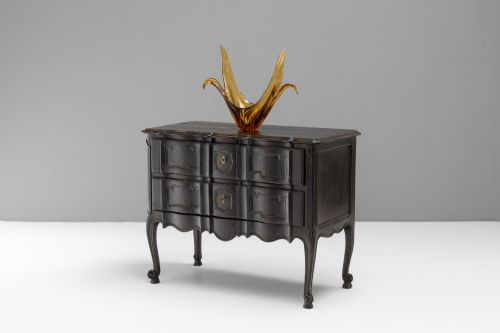
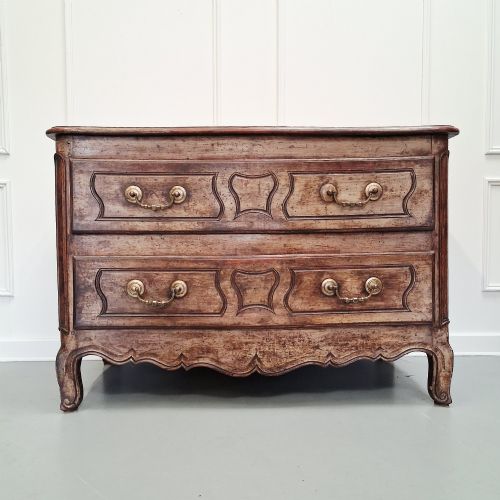
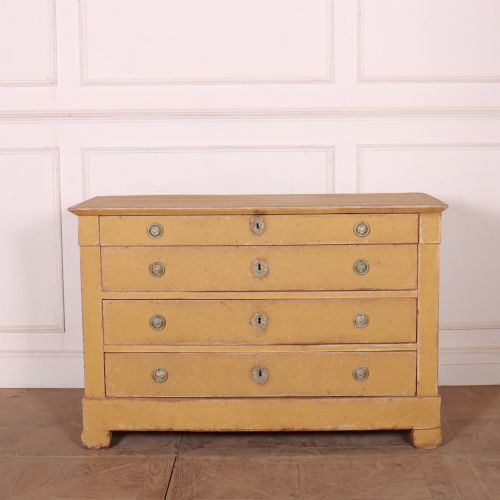
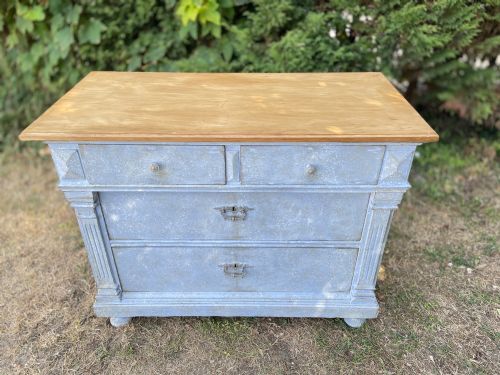
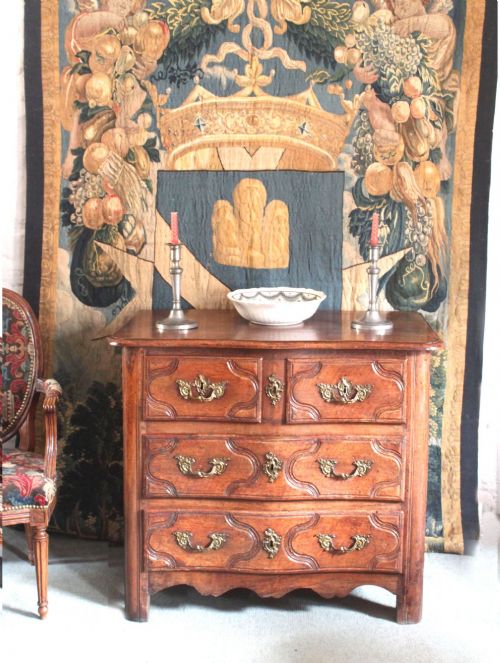
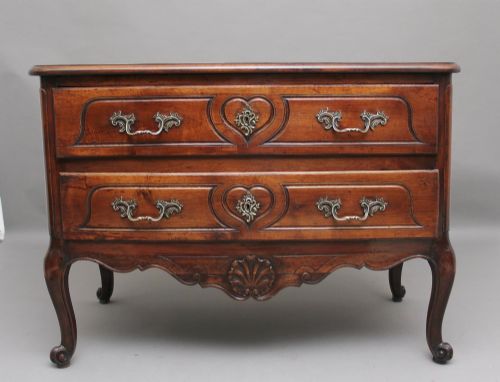
A french country bedroom chest primarily takes the form of a commode, offering deep drawers for domestic storage within a robust, regional framework. Buyers searching for a french country bedroom chest will frequently encounter pieces shaped by provincial traditions, spanning simple country forms to more decorative expressions.
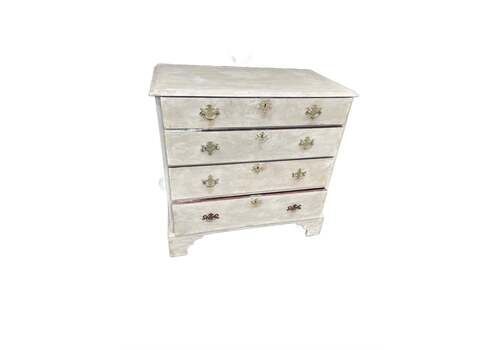
The selection encompasses substantial case pieces originating across multiple centuries, predominantly drawing from eighteenth-century and nineteenth-century traditions. Makers utilised local hardwoods and painted finishes to create functional furniture suited to rural houses and grander provincial homes alike.
Materials and construction methods
Construction relies heavily on regional timbers such as walnut, oak, cherrywood, and burr walnut, joined using traditional cabinet-making techniques suited to structural durability. Many surfaces display painted finishes or natural grain patination developed through decades of domestic use.
Higher-tier examples incorporate polished marble tops and cast brass or ormolu mounts, paired with dovetailed drawer construction and hand-carved decorative motifs. These material combinations reflect both utilitarian needs and the stylistic influences of periods like the Louis Philippe and Rococo Revival.
Some provincial chests retain original interior chalk markings left by itinerant cabinet-makers counting drawer runners in French.
Evaluating quality and execution
The standard of a french country bedroom chest depends on the integrity of its timber selection, the precision of its drawer construction, and the preservation of its original surface finish. Superior examples display carefully matched wood grains, fluid serpentine drawer fronts, and harmonious proportions.
Refinement in carving, the weight and detail of brass hardware, and the inclusion of fitted marble slabs distinguish exceptional provincial workshops from standard utilitarian production. The depth of patination on unpainted wood and the preservation of layered paintwork further separate finer specimens from later alterations.
Edwards and Roberts
The French Country Bedroom Chest Glossary
- Commode
- A low chest of drawers, typically featuring two or more drawers and standing on short legs or feet. In historical contexts, it serves as the primary French term for such case furniture.
- Serpentine
- A furniture front or top shaped with a central convex curve flanked by concave curves. This contour requires skilled carpentry to execute across solid timber drawer fronts.
- Ormolu
- Gilded bronze mounts applied to furniture for decorative effect. It appears on finer nineteenth-century pieces to accentuate corners, handles, and aprons.
- Burr walnut
- Wood veneer taken from the burl growth of a walnut tree, prized for its swirling, highly figured grain pattern. Cabinet makers used it on prominent exterior surfaces to create visual richness.
- Gustavian
- A Swedish neoclassical style inspired by French design during the late eighteenth century. Pieces in this aesthetic often feature pale painted finishes and restrained carving.
French Country Bedroom Chest: Frequently Asked Questions
What is a commode?
A commode is a freestanding chest of drawers designed for domestic storage, functioning traditionally as bedroom furniture.
In French cabinet-making, the term applies specifically to low chests that combine practical drawer space with decorative surface details.
How do I date an old chest?
Dating relies on examining construction methods, timber species, hardware, and surface patination such as layered paint or aged polish.
Earlier eighteenth-century pieces often show hand-cut joinery and native regional timbers, whereas later nineteenth-century examples may incorporate machine-sawn elements and standardised brass mounts.
Are marble tops original?
Marble tops frequently feature on nineteenth-century commodes, providing a durable and decorative surface for washing or display.
Their presence depends on the specific regional style and workshop tier, with many formal provincial pieces utilising fitted stone slabs.
How should I clean wood surfaces?
Maintenance involves dusting with a dry, soft cloth and occasionally applying traditional beeswax to nourish unpainted timbers.
Harsh chemical cleaners and excessive moisture must be avoided to protect the historic patina and delicate painted or polished finishes.