



French Country Art
French country art brings the rustic charm of rural chateaus and provincial landscapes directly into your interior.
French Country Art
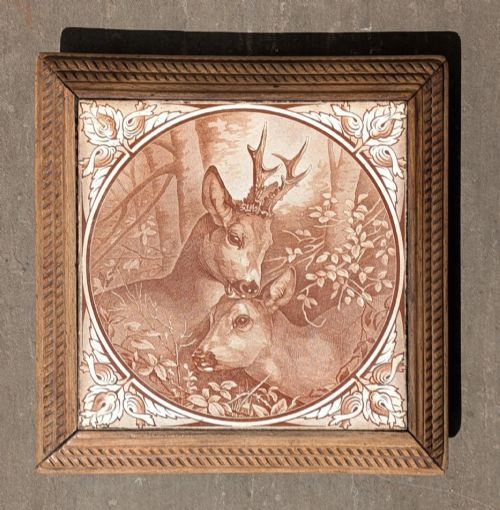
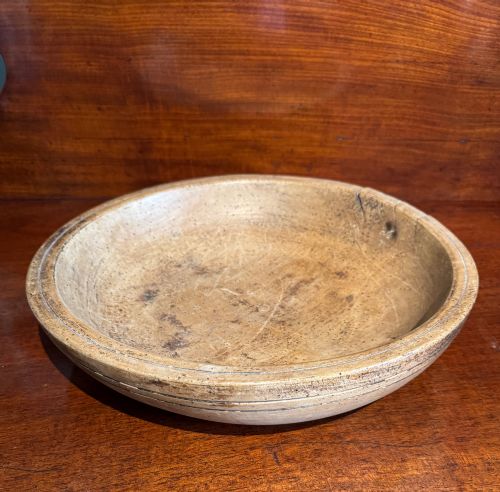
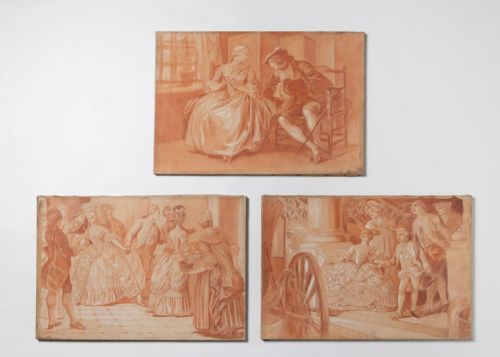
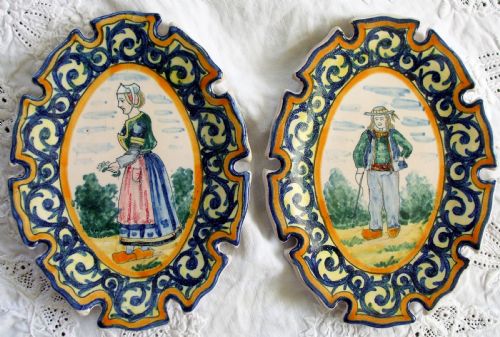
Alongside canvas works, the pieces include large wool wall tapestries from Aubusson, glazed faience dishes from Quimper and Desvres, and wooden dairy bowls. Sculptural items such as cast iron panels, ceramic animal figures, and carved wooden decoys also populate the selection.
Most pieces date from the nineteenth century through the 1930s, capturing provincial aesthetics across post-impressionist, barbizon school, and traditional folk art styles.
How they were made
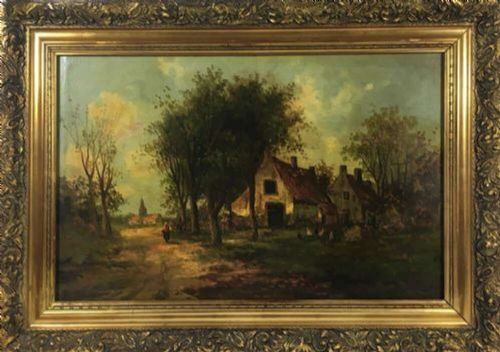
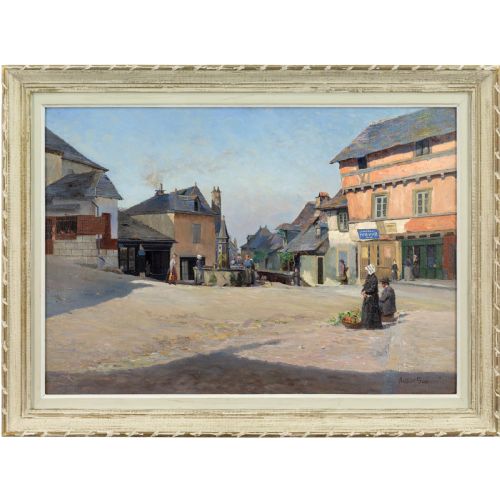
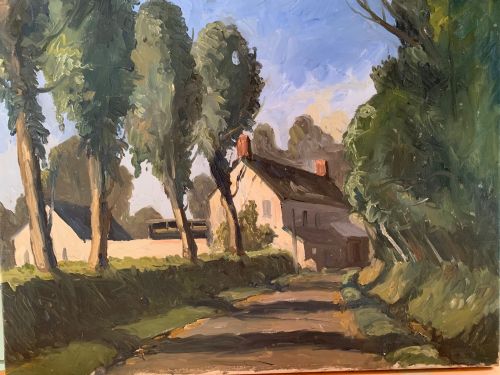
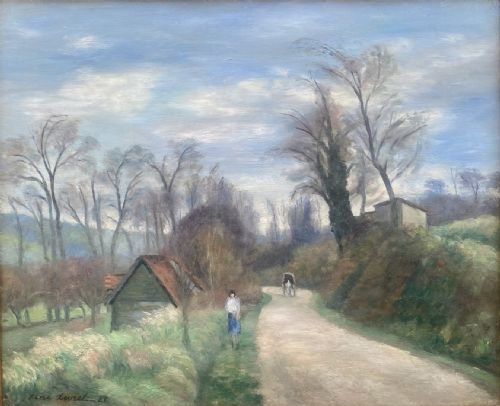
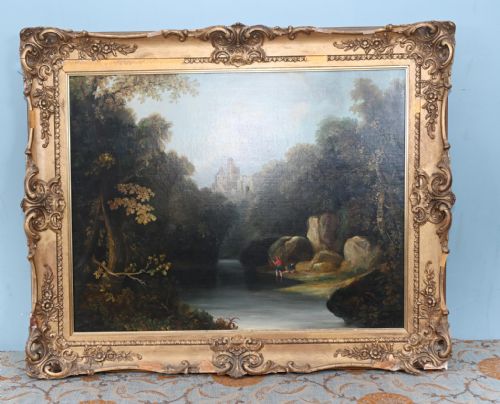
Painters utilised oil paint on canvas, panel, and board to capture plein air landscapes and rural portraits, often building texture with gesso underneath or laying pigments with expressive brushwork. Artisans shaped functional and decorative items from local timber, cast iron, and wool yarn woven into large pastoral tapestries.
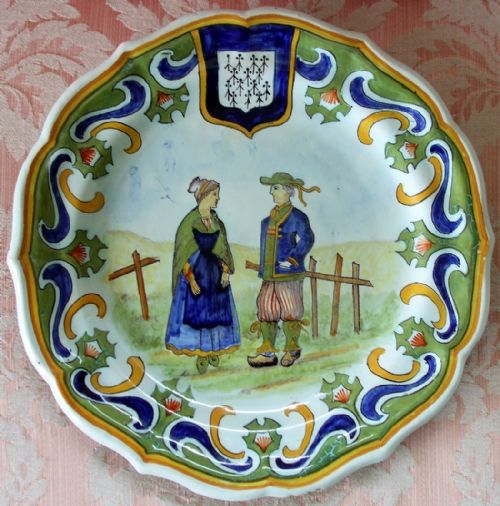
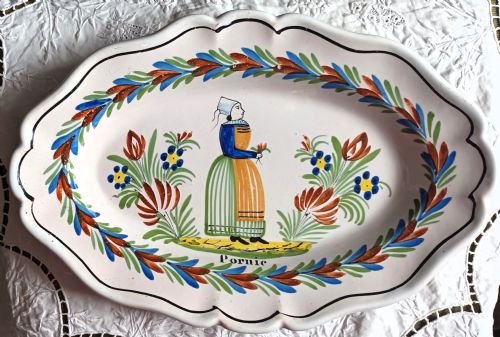
Ceramic pieces like faience dishes and animal sculptures underwent traditional hand-glazing and firing processes in regional potteries across Normandy and Brittany.
French Country Art Retail Price Guide 2026
Typical asking prices for french country art among the pieces listed under this phrase on Sellingantiques today, from the lower quarter to the upper quarter. They describe what is for sale here now, not the wider market.
Canvas, wood, ceramic, and gesso appear frequently as the primary materials across the available inventory.
What varies in quality
The distinction between ordinary and exceptional works rests upon the confidence of the brushwork in paintings and the fidelity of the weaving in tapestries. Masterpieces display a sophisticated command of light, atmosphere, and composition that elevates a simple farmyard or river scene into a compelling visual record.
In utilitarian objects and ceramics, quality reveals itself through the crispness of the hand-painted glazes, the integrity of the natural wood grain, and the originality of the structural components.
Arthur Gué·Paul Désiré Trouillebert·Henri Jaques Delpy·Jean Baptiste Joseph Pater·Henri Joseph Harpignies·Alphonse Robert·Jules Chardigny
The French Country Art Glossary
- Barbizon School
- A nineteenth-century movement of French painters dedicated to naturalistic landscape art. These artists painted directly from nature in rural locales like Fontainebleau.
- Aubusson Tapestry
- Large decorative wall hangings woven in the Creuse valley region of France. They traditionally depict pastoral scenes, floral designs, and rustic landscapes.
- Plein Air
- Painting executed outdoors to capture direct observations of light and atmosphere. This technique became central to post-impressionist landscape artists.
French Country Art: Frequently Asked Questions
Where should I hang a large tapestry?
Large woven textiles suit expansive wall spaces in living rooms or stairwells where they can absorb sound and add warmth. Ensure the hanging method distributes the weight evenly across the entire upper edge.
Keep these textiles away from direct sunlight to preserve the natural dyed wools over time.
How do I care for antique oil paintings?
Display canvas works away from extreme temperature fluctuations and direct heat sources to prevent cracking in the paint layers. Dust the surface very gently with a soft, dry brush without applying pressure.
Avoid using liquid cleaners or damp cloths on the painted surface or gesso frames.
What is the history of Quimper faience?
Quimper pottery originates from Brittany and is easily recognised by its distinctive hand-painted regional figures and floral borders. Production spanned multiple centuries, creating durable tableware and decorative pin trays.
These pieces reflect local traditions and daily rural life in northwestern France.
How do I identify Barbizon school paintings?
Barbizon works focus heavily on unidealised rural landscapes, forests, and farmyards painted with earthy tones and moody skies. The artists prioritized atmospheric depth over grand historical narratives.
Look for loose, textured brushstrokes that capture the changing light of the French countryside.