


French Copper Pot
These heavy french copper pot selections bring authentic warmth and utility to kitchens and gardens through centuries of enduring craftsmanship.
French Copper Pot
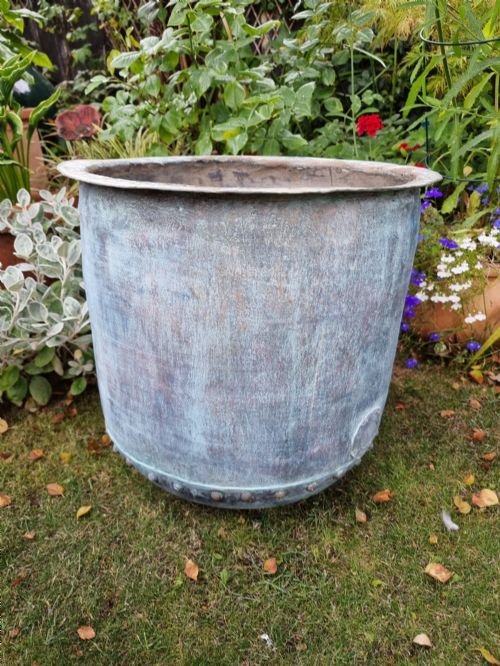
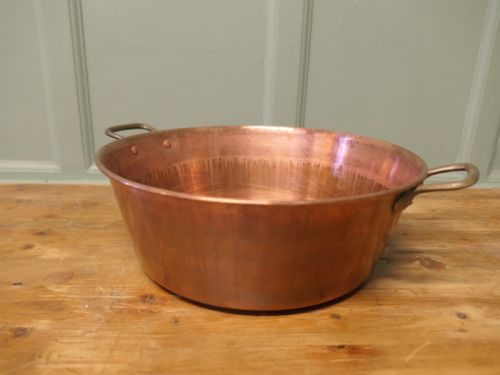
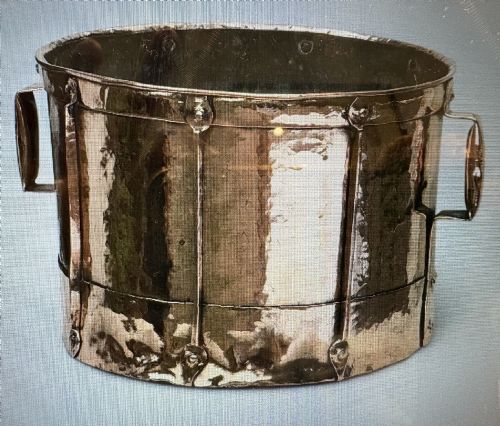
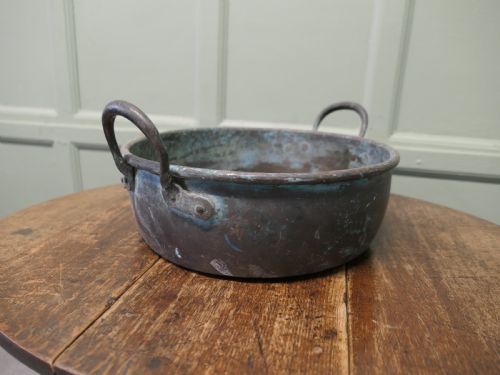
A french copper pot search reveals heavy preserving pans, double handled jam pans, grain measures known as ferrats, and garden display planters spanning the nineteenth and early twentieth centuries. These versatile vessels range from utilitarian kitchenware designed for open fire cooking to decorative cauldrons and jardinières found in rustic farmhouses and chateaus.
Visitors to this page are most likely to encounter nineteenth century preserving pans and grain measures fashioned with sturdy iron handles. Sets of nested saucepans and large garden display pots appear alongside occasional specialised items like chocolate mixing pots and verdigris top potting shed tables.
Materials and Construction
Construction relies heavily on thick hammered copper combined with wrought iron or brass handles, secured using sturdy metal tacks. Artisans shaped these heavy sheets by hand to withstand direct heat on kitchen hearths or long term exposure in gardens.
Surface textures vary from smooth polished finishes to natural verdigris patinas accumulated over decades of use in French provincial settings. Detail work sometimes includes decorative repoussé patterns or cast iron fittings designed to support substantial weight.
Listings span the nineteenth century through the nineteen thirties, featuring copper, brass, iron, and timber across styles from rustic farmhouse to art deco.
Evaluating Quality
Quality rests upon the thickness of the metal sheet and the structural integrity of the handles and joints. Heavier gauge copper indicates commercial or domestic kitchen origins intended for rigorous daily culinary tasks rather than purely decorative display.
Proportion and form separate standard utilitarian items from exceptional pieces like large ferrats or dinanderie planters. Original iron mounts and honest surface wear define the character of superior examples.
The French Copper Pot Glossary
- Ferrat
- A traditional French copper grain measure. These cylindrical vessels typically feature robust drop handles and deep proportions.
- Jam Pan
- A wide, shallow preserving pan designed for boiling fruit and sugar. They often incorporate heavy iron handles for lifting when full.
- Dinanderie
- Ornamental brass and copper ware produced by hammering and shaping. This technique creates textured surfaces seen on decorative planters and log bins.
- Verdigris
- A green patina formed on copper through natural oxidation. This surface coloration develops from exposure to weather and moisture over many decades.
- Repoussé
- A metalworking technique where the design is hammered into relief from the reverse side. This decorative method appears on select planters and cauldrons.
French Copper Pot: Frequently Asked Questions
What were french copper pots used for originally?
These vessels served primarily practical roles in French kitchens and country houses. They handled tasks such as boiling large batches of fruit jam, heating water, and measuring dry goods like grain.
Over time, many surviving pieces transitioned from active culinary duty into domestic display, functioning as garden planters, log bins, and decorative interior accents.
How do I clean verdigris off a copper pot?
Verdigris is the natural green patina that forms on copper over decades of exposure to moisture and air. Many collectors prefer to leave this oxidized surface untouched because it displays the true age and history of the piece.
If you choose to brighten the metal, use a mild copper cleaner and a soft cloth to avoid damaging the underlying hand hammered texture and historic marks.
Are antique copper pots safe for modern cooking?
Most antique pots originating from nineteenth century French kitchens were designed for open hearth or stove cooking, often featuring interior linings of tin. Over generations of use and cleaning, this protective tin lining frequently wears away.
Using them for modern food preparation typically requires professional retinning of the interior surface, though many buyers choose to use them exclusively for display and storage.
How can I tell the age of a copper pot?
Dating relies heavily on manufacturing methods, handle attachments, and overall weight. Pieces from the early nineteenth century and before often display hand beaten seam construction and heavy wrought iron handles secured with hand forged rivets.
Later nineteenth and early twentieth century examples show more uniform sheet rolling and standardised brass or cast iron fittings associated with French provincial workshops.