





French Console Mirror
When choosing a french console mirror, you select an interior piece that combines a supporting table with a vertical glass plate.
French Console Mirror
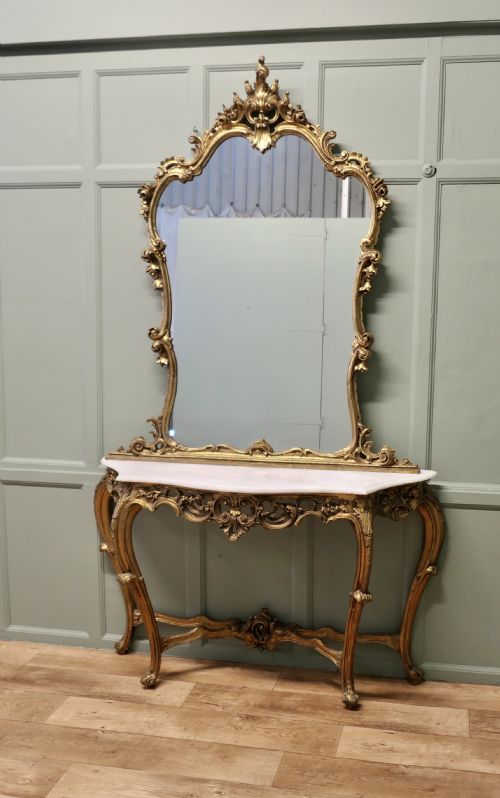
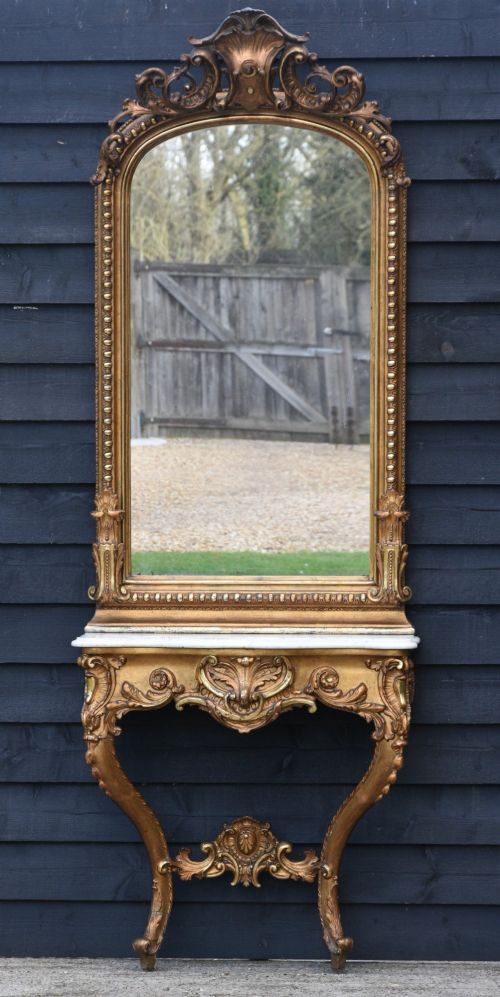
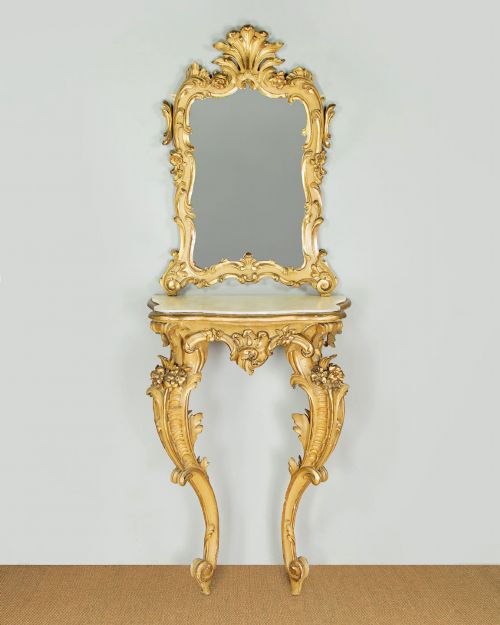
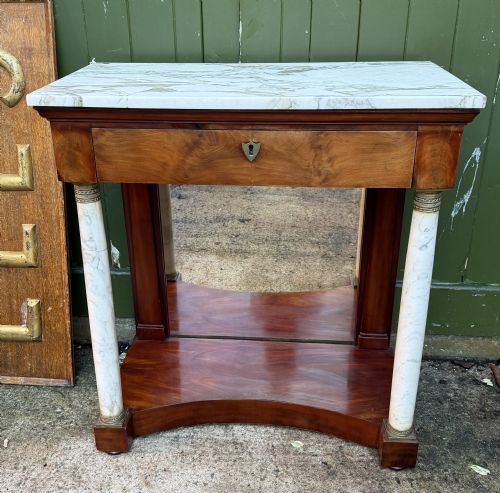
A french console mirror generally consists of a wall-mounted or pier glass paired with a matching console table, designed to sit flush against a wall in a hallway or principal room. These assemblages frequently date from the nineteenth century and span various iterations including gilded Rococo revival forms and substantial mahogany Empire designs.
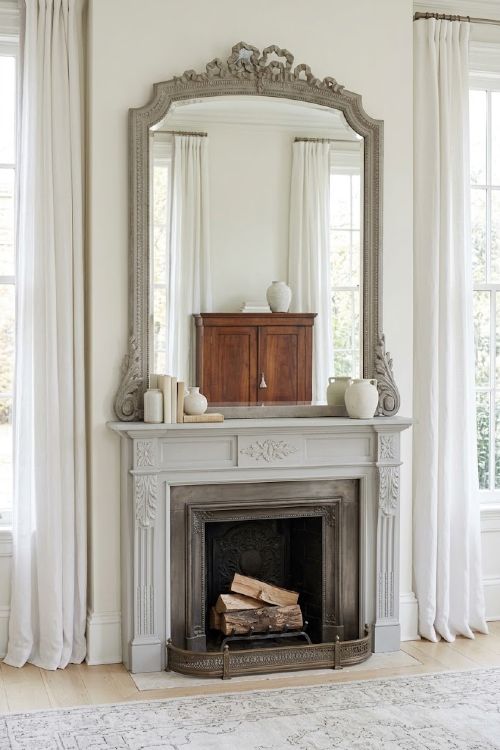
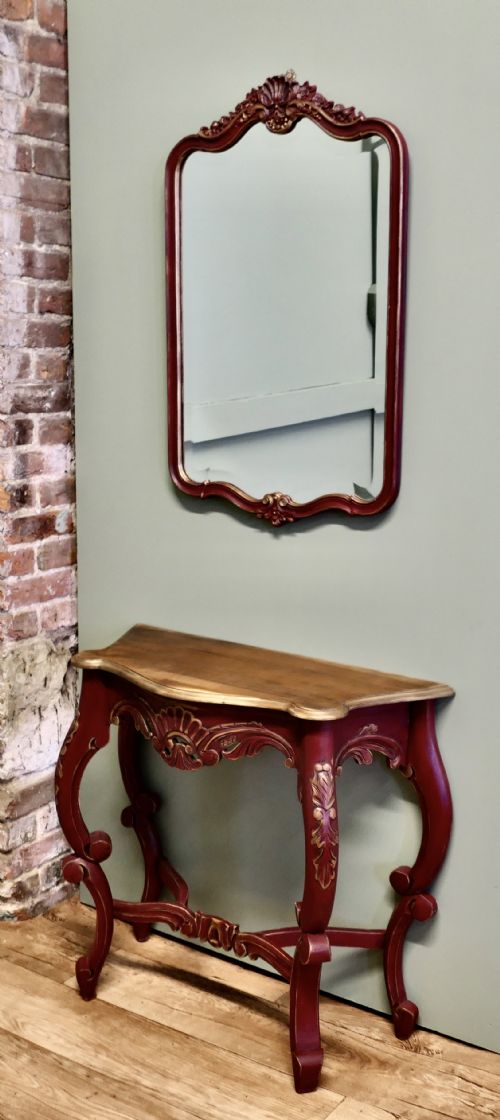
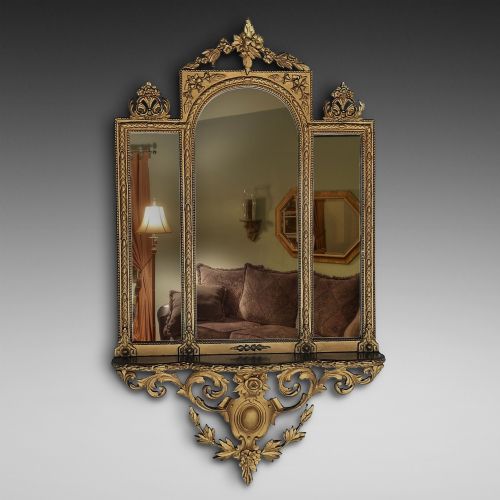
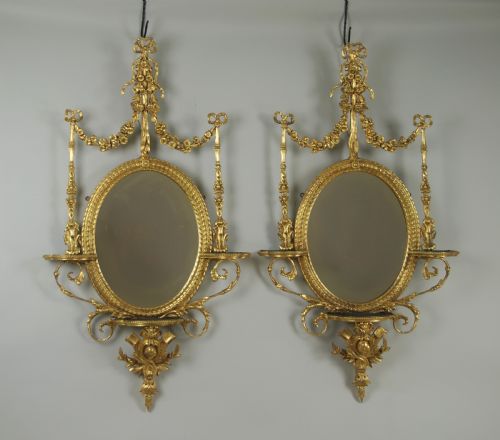
The objects seen here range from unified sets featuring marble-topped tables and tall pier mirrors to individual trumeau panels with integrated shelves or display brackets. Buyers frequently encounter combinations of giltwood frames and cool stone surfaces intended to reflect light and expand the apparent proportions of interior spaces.
Originating largely from nineteenth-century workshops and embracing styles such as Neoclassical and Victorian Rococo, these pieces served both decorative and functional roles in domestic interiors. The surviving examples demonstrate how woodcarving, glass fabrication, and stone masonry were combined to create cohesive furniture suites.
How They Were Made
Makers constructed the primary frames of these pieces using timber such as mahogany, walnut, and oak, often applying layers of gesso to carved wooden substrates before laying gold leaf over the surface. Giltwood and parcel-gilt finishes required meticulous application by skilled artisans who built up relief decoration through repeated carving and plasterwork.
Console tables commonly incorporated heavy slabs of marble, particularly white Carrara, fitted precisely to the wooden framework beneath. Mirror glass was silvered and set into rebated frames, sometimes accompanied by secondary display shelves or flanking brackets fixed securely to the main structure.
French Console Mirror Retail Price Guide 2026
Typical asking prices for french console mirror among the pieces listed under this phrase on Sellingantiques today, from the lower quarter to the upper quarter. They describe what is for sale here now, not the wider market.
The inventory encompasses diverse forms including tall pier mirrors, trumeau panels, and matching console tables with integrated display shelves.
What Varies In Quality
The refinement of the carved ornament separates standard production from exceptional examples, particularly in the depth and undercutting of floral scrolls, acanthus leaves, and figural details on giltwood frames. Superior workshops employed master carvers whose work displayed sharp botanical definition rather than soft, moulded contours.
The selection of materials also dictates standing, with dense, figured mahogany and thick, unblemished marble tops indicating higher original cost. Furthermore, the retention of matching original components - such as a console table paired precisely with its designated pier mirror - commands greater interest among collectors.
The French Console Mirror Glossary
- Console Table
- A table designed to be fixed against a wall, frequently supported by two front legs with the rear secured to the masonry. These tables often feature shaped marble tops.
- Pier Glass
- A tall, narrow mirror specifically proportioned to hang on the section of wall between two windows. They were frequently paired with matching console tables placed underneath.
- Trumeau
- A decorative wall panel incorporating a painted scene, carving, or mirror glass within architectural framing. Trumeau mirrors often integrate a small shelf or console element at the base.
- Gesso
- A plaster-like mixture applied to wood frames to provide a smooth surface for gilding or painting. Artisans carved intricate relief patterns directly into the dried gesso layer.
- Giltwood
- Timber that has been coated with thin sheets of gold leaf over a prepared base. This finish provided a reflective, luminous appearance suited to formal nineteenth-century interiors.
French Console Mirror: Frequently Asked Questions
Where should I place a console mirror?
These assemblies work effectively in entrance halls, formal reception rooms, or above drawing-room fireplaces where they can reflect natural light from windows.
Because many include a narrow table base, they occupy minimal floor space while providing a surface for small decorative objects.
Are the tables and mirrors always original pairs?
Many surviving examples were manufactured as matched suites, sharing identical carving styles, wood species, and gilding methods.
Over time, some tables and mirror plates have been reunited based on period proportions and matching decorative motifs.
How do I identify a nineteenth-century piece?
Nineteenth-century items typically exhibit construction traits such as hand-cut joinery, traditional gesso application, and heavier mirror glass with slight bevels or minor age foxing.
Stylistic indicators like Empire mahogany veneers or Rococo revival scrolls also point toward this manufacturing era.
What maintenance do giltwood frames require?
Giltwood surfaces demand gentle dusting with a soft, dry brush to protect the delicate gold leaf layer from abrasion.
Moisture and harsh cleaning chemicals must be avoided entirely to preserve the underlying gesso and historical gilding.