

French Commode Dresser
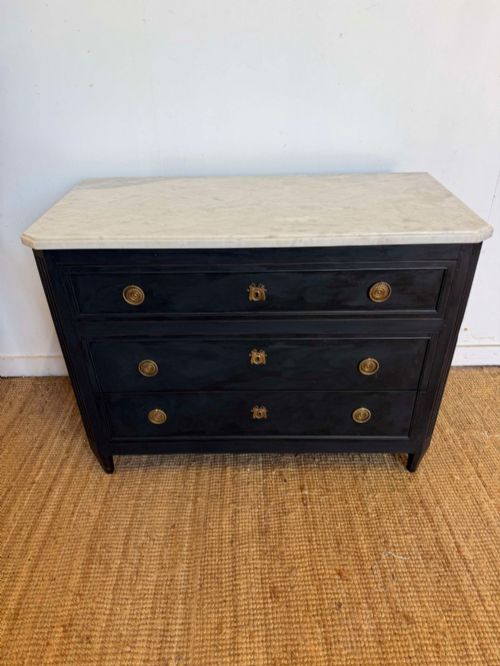
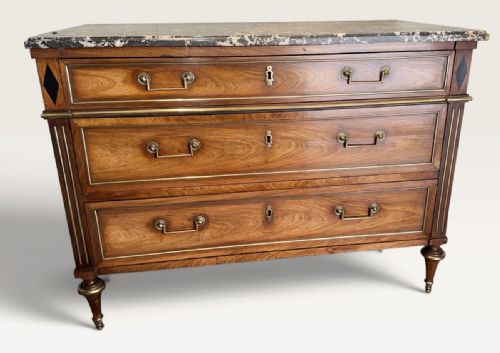
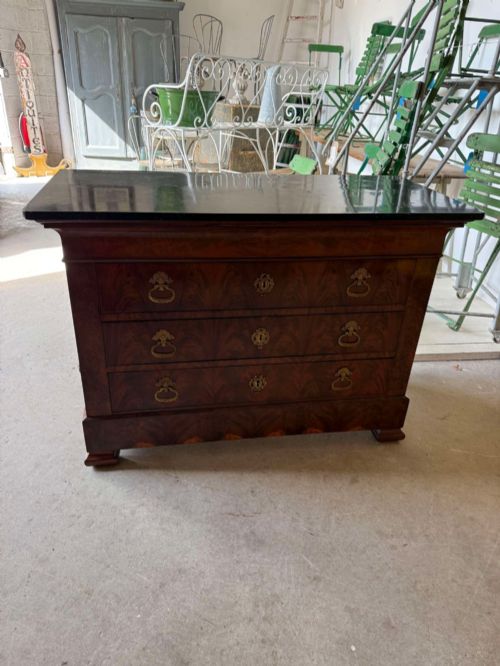
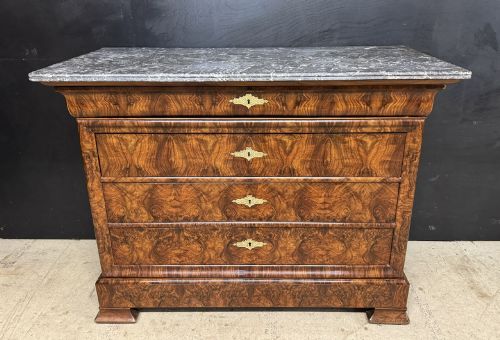
A french commode dresser brings sculptural timber and stone into a room, offering deep drawer storage topped with heavy marble.
French Commode Dresser
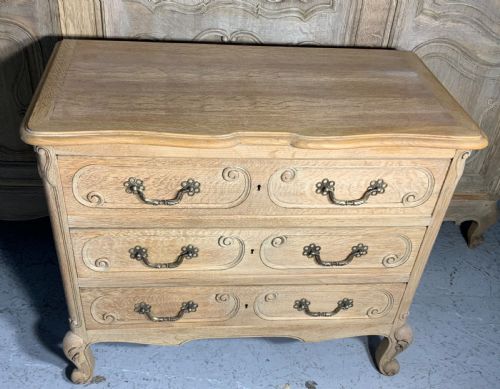
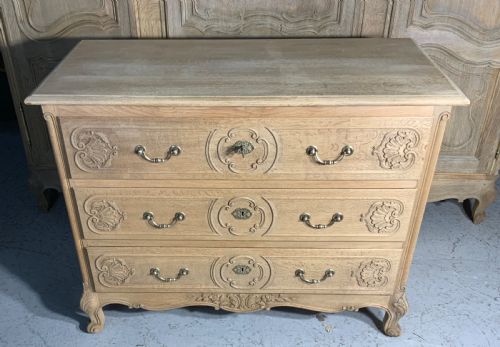
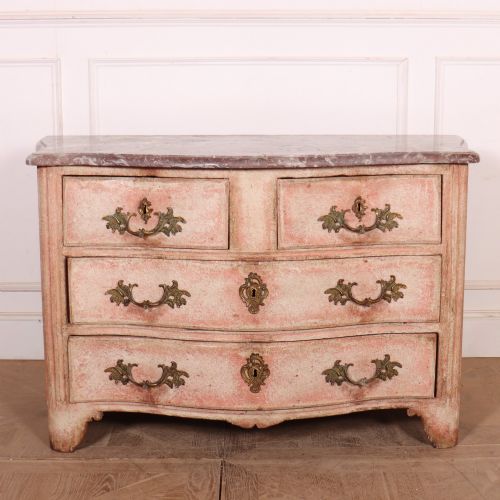
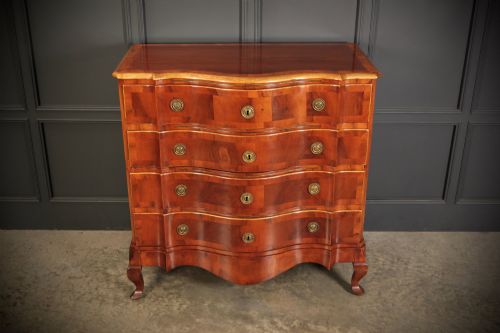
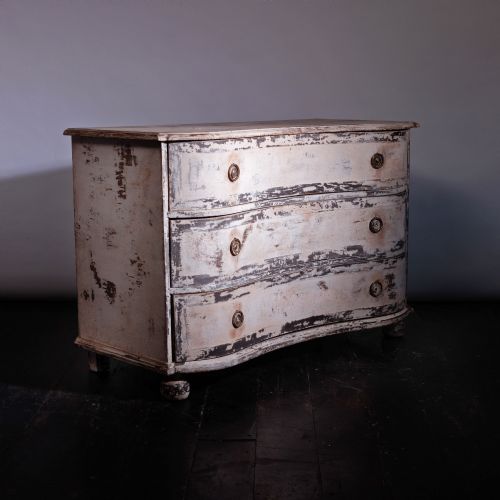
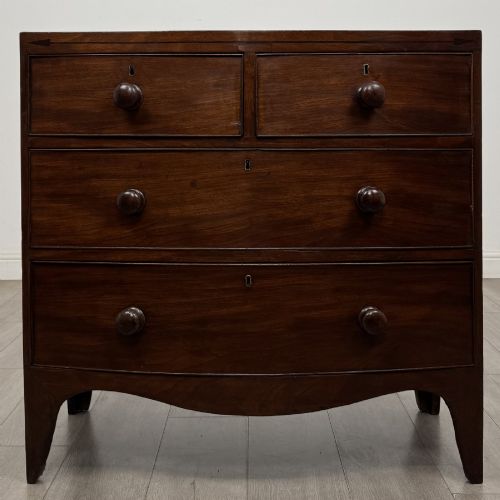
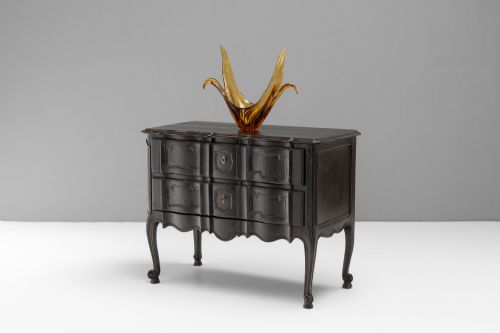
A french commode dresser combines the practical storage of a chest of drawers with decorative European cabinet-making traditions spanning the eighteenth, nineteenth, and early twentieth centuries. Buyers search for these pieces to anchor a bedroom or living space with substantial timber forms, often featuring serpentine fronts and contrasting stone surfaces.
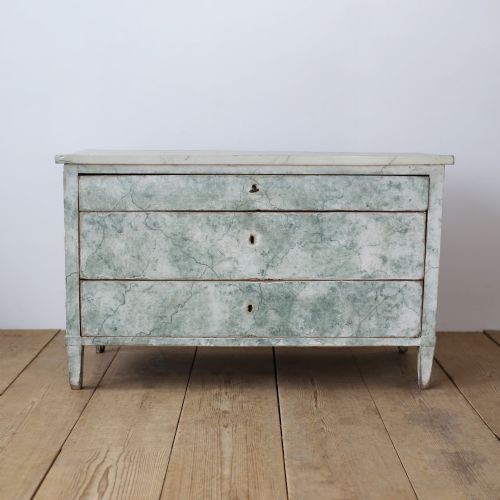
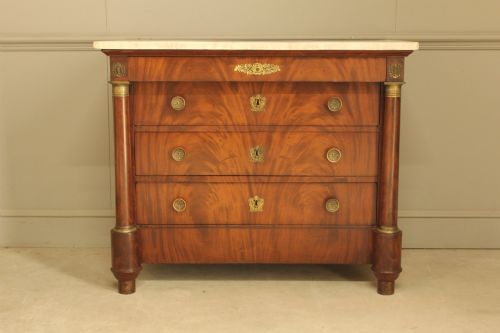
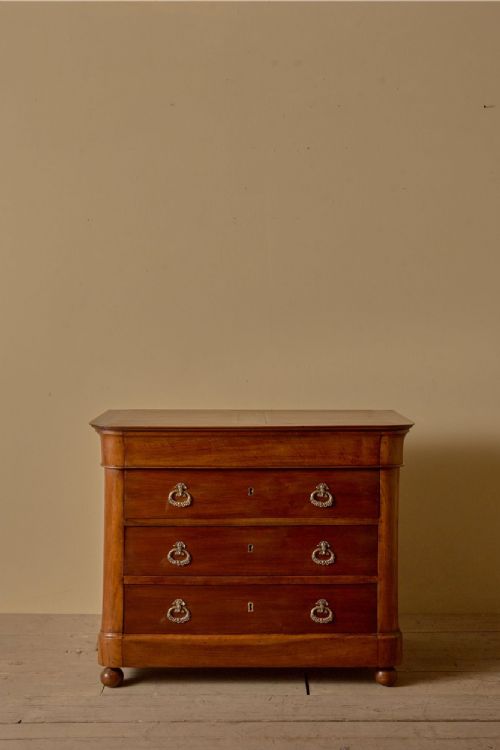
The most common examples encountered on this page date from the nineteenth century, reflecting Louis Philippe, Empire, and Victorian interpretations of earlier French designs. Alongside these formal styles, simpler provincial oak and cherry versions appear frequently, offering a more rustic approach to the classic commode silhouette.
Materials and construction
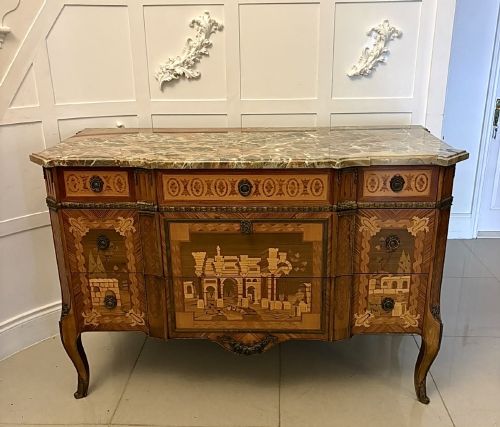
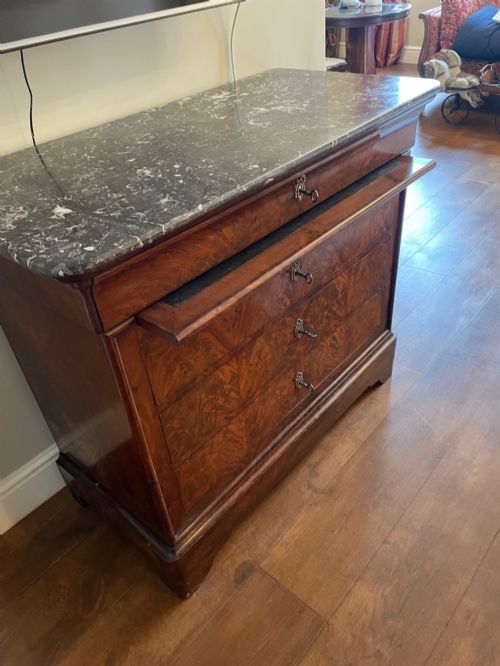
Cabinet-makers relied on solid and veneered timbers such as walnut, mahogany, oak, and kingwood, often laid over sturdy carcass woods to create curved serpentine or bombe shapes. Marquetry and parquetry work added geometric and floral patterns across drawer fronts, utilising contrasting wood grains to catch the light.
Heavy marble slabs in grey, white, or variegated tones were fitted precisely to the upper surface, providing a cool and durable counter. Cast brass and ormolu mounts, handles, and escutcheons completed the construction, framing the corners and drawer outlines with metallic detail.
French Commode Dresser Retail Price Guide 2026
Typical asking prices for french commode dresser among the pieces listed under this phrase on Sellingantiques today, from the lower quarter to the upper quarter. They describe what is for sale here now, not the wider market.
Some chests hide their secrets behind subtle faux bamboo turnings and secret drawers built into the upper frieze.
Distinctions in quality
Quality rests in the precision of the timber joints and the crispness of the applied veneers, where finer pieces display continuous grain matching across multiple drawers. The depth and fluidity of carved details, alongside the weight and chiselling of ormolu mounts, separate standard workshop output from exceptional examples.
The integration of the marble top also signals standard; superior commodes feature heavy stone slabs with profiled edges that follow the exact serpentine or contour of the wooden base beneath them.
Edwards and Roberts
The French Commode Dresser Glossary
- Bombe
- A swelling, outward-curved commode shape that bulges on the front and sides. This technique requires advanced timber-bending skills from the cabinet-maker.
- Ormolu
- Gilded bronze mounts and decorative hardware applied to the corners and feet of the commode. It provides a bright metallic contrast against dark walnut or mahogany surfaces.
- Marquetry
- Decorative veneer patterns formed by fitting small pieces of different coloured wood together. It creates pictorial or floral designs across the drawer fronts.
- Parquetry
- Geometric wood inlay patterns such as cubes or lozenges arranged across the surface of the cabinet. It highlights the natural grain variations of kingwood and walnut.
- Serpentine
- A wave-like front contour that curves inward at the centre and outward at the ends. This undulating shape demands careful hand-shaping of the solid timber.
French Commode Dresser: Frequently Asked Questions
What is a French commode dresser?
A french commode dresser is a low chest of drawers originating from France, typically featuring wide proportions and a stone or wooden top. These cabinets served primarily for bedroom storage while displaying decorative woodwork.
Over the centuries, cabinet-makers adapted the form through various periods, incorporating everything from simple oak provincial framing to elaborate marquetry and marble finishes.
How were marble tops used?
The marble top provided a durable, water-resistant surface that stood up to daily washing and the placement of basins or decorative items. It added considerable weight to the furniture, anchoring the timber base firmly to the floor.
These stone slabs were cut and polished to match the exact contours of the commode, whether straight-edged or serpentine.
Where should I place one?
These cabinets work well as primary storage in a bedroom, holding linens and garments within their deep drawers. Their decorative fronts also suit hallways and living rooms where they function as sideboards or display surfaces.
Ensure the floor is level to support the heavy timber frame and stone top safely.
How do I spot an 18th-century piece?
Eighteenth-century examples often display hand-cut dovetails, native timber framing such as walnut or cherry, and patination developed over centuries of use. Provincial pieces from this era show simpler regional carving.
Later nineteenth-century interpretations frequently imitate these earlier Louis styles using machine-sawn elements and different secondary woods.