




French Coat Stand
A French coat stand organises an entrance hall with distinct continental flair, offering a practical place for hats, coats, and sticks.
French Coat Stand
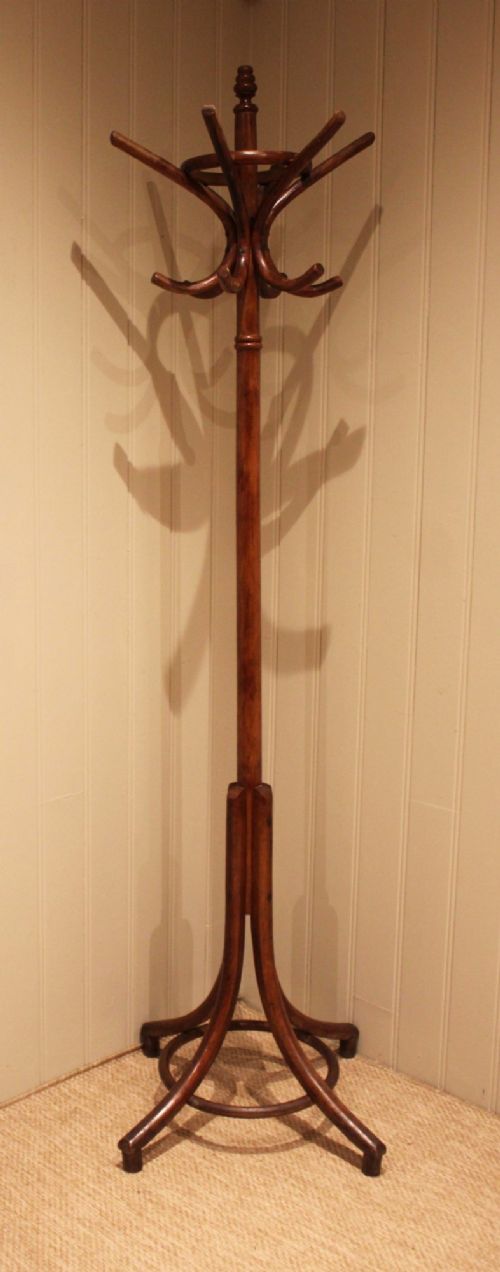
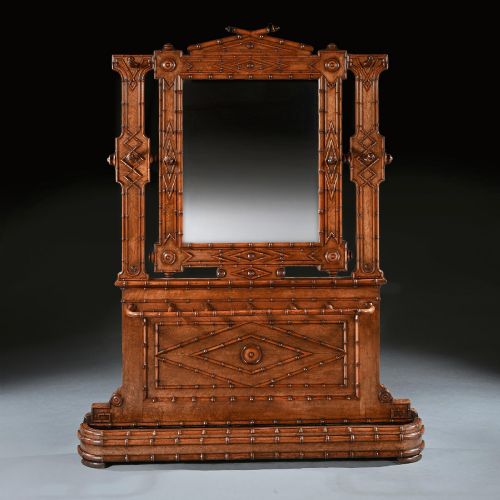
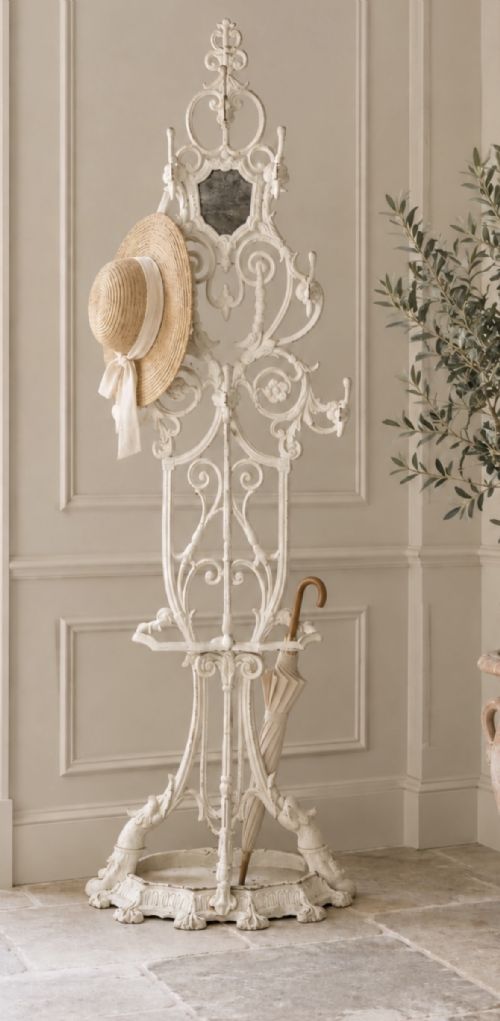
Buyers frequently encounter cast iron examples utilising faux bamboo moulding alongside turned wood and brass portmanteaus. These items served practical domestic functions in townhouses and country residences, combining storage hooks with display elements.
Materials and construction
Maker construction relies on traditional materials such as cast iron, wrought iron, brass, and woods including oak, beech, and birdseye maple. Cast iron components often replicate the segmented joints of natural bamboo through precise moulding techniques.
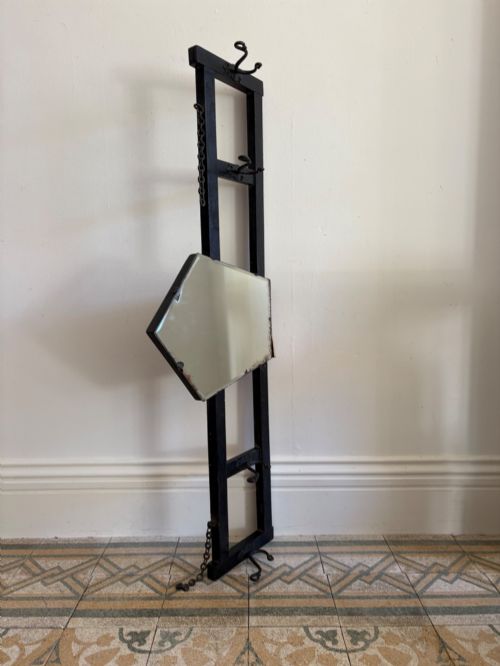
Wall and floor units incorporate functional additions like original mirrored glass plates, brass brackets, and wire or metal umbrella trays. Wood components demonstrate turning, carving, and bentwood methods suited to structural weight-bearing.
French Coat Stand Retail Price Guide 2026
Typical asking prices for french coat stand among the pieces listed under this phrase on Sellingantiques today, from the lower quarter to the upper quarter. They describe what is for sale here now, not the wider market.
Some nineteenth-century makers turned simple wood into formidable weapons, fashioning entire coat stands to resemble crossed military pikes and halberds.
Factors separating tiers
Quality separates ordinary utility pieces from finer examples through the crispness of casting detail on ironwork and the retention of original components like mirrored plates and drip trays. Pieces shaped as specific decorative items, such as crossed halberds, demonstrate higher artistic ambition.
The choice of materials also divides the range, with select woods like birdseye maple or substantial brass brackets indicating superior workshops compared to basic utilitarian pine or standard turned beech.
Stockman of Paris
The French Coat Stand Glossary
- Faux bamboo
- Simulated bamboo turned or cast into wood and iron to imitate oriental plant stems. This technique became popular during the nineteenth century under aesthetic movement influences.
- Portmanteau
- A combined hall piece incorporating coat hooks, a mirror, and storage for hats and umbrellas. These items formed the central functional furniture of a period entrance hall.
- Halberd
- A combined spear and battleaxe weapon form adopted for decorative hall stands. Such pieces utilised military motifs in turned wood to create striking vertical silhouettes.
- Valet stand
- A dedicated freestanding rail or hanger designed for suits and garments. These items served bedrooms and dressing spaces rather than public hallways.
- Bentwood
- Wood softened by steam and bent into curved structural forms. This technique created light, resilient frames seen in beech coat stands.
French Coat Stand: Frequently Asked Questions
How do I date a cast iron stand?
Dating relies on stylistic clues like faux bamboo moulding and aesthetic movement influences typical of the late nineteenth century. Manufacturers often combined iron casting with integral umbrella rings during this period.
Examination of construction joints and the presence of registration or foundry marks helps narrow the decade of production between eighteen seventy and nineteen hundred.
What is a portmanteau?
A portmanteau in furniture terms refers to a combined hallway stand featuring hooks, a mirror, and umbrella storage. These items provided a central station for outdoor wear.
They allowed visitors to check their appearance in the glass while hanging hats and coats upon arrival.
Are these pieces suitable for narrow hallways?
Many examples are designed specifically for compact spaces, including wall-mounted brass racks and narrow nineteenth-century hall stands. These configurations maximise vertical storage without blocking walkways.
Freestanding models vary in footprint, so checking the dimensions ensures a comfortable fit beside an entrance door.
How do I clean faux bamboo ironwork?
Maintenance requires gentle dusting with a soft brush to protect the painted or patinated surfaces on cast iron. Avoiding harsh chemical cleaners preserves the original finish.
Metal components benefit from light dry wiping to prevent dust accumulation in the detailed recesses of the bamboo moulding.