


French Classical Sculpture Pair
A french classical sculpture pair brings balanced proportion and mythological grace directly to a mantelpiece or a formal hall.
French Classical Sculpture Pair
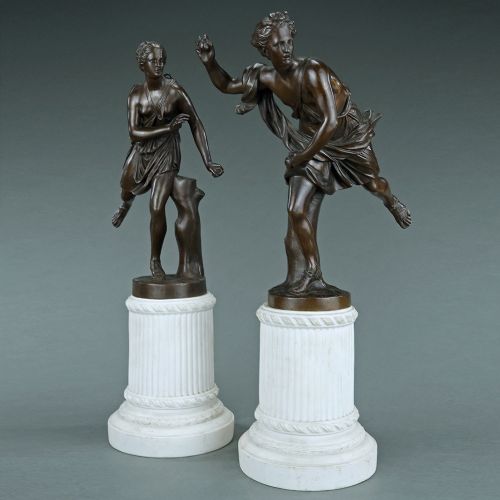
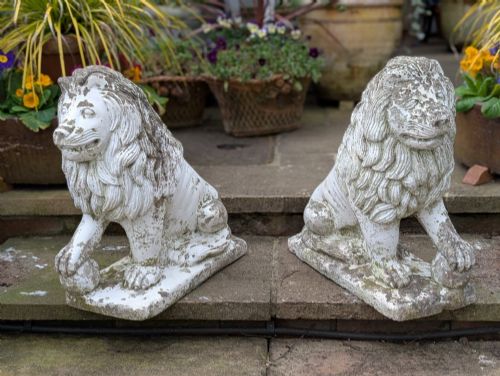
A french classical sculpture pair comprises matched figures, allegorical groups, or architectural supports originating from the nineteenth and early twentieth centuries. The pieces commonly depict mythological subjects, putti, classical animals, and historical figures rooted in neoclassical and revival traditions.
Buyers encounter distinct forms ranging from freestanding bronze statues and garden figures to marble columns, pedestals, and decorative bookends. Many works follow celebrated models by established sculptors and foundries, frequently created for Grand Tour collections or domestic display.
The selections span various Victorian and twentieth-century dates, offering symmetrical arrangements designed to anchor interior spaces. These dual compositions reflect traditional academic training and popular tastes for antique subjects across French workshops.
Materials and Casting Techniques
Foundries utilised traditional lost-wax or sand-casting methods to produce bronze figures, often applying patinated or gilt finishes to highlight surface details. Spelter and cast metal served as alternative metallic mediums for domestic figures.
Sculptors carved natural stones such as rouge marble and alabaster for bases, columns, and standalone busts, occasionally incorporating ormolu mounts. Terracotta and plaster also appear among the constructed forms on this page.
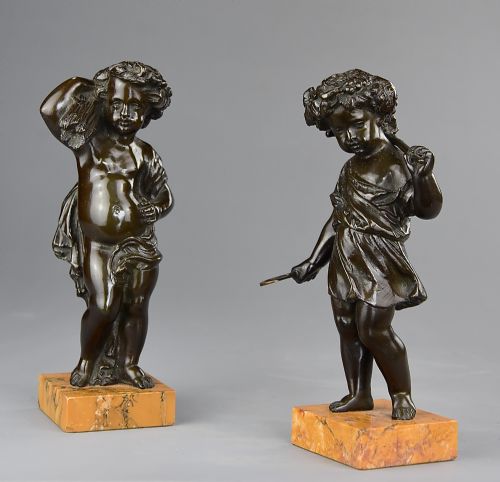
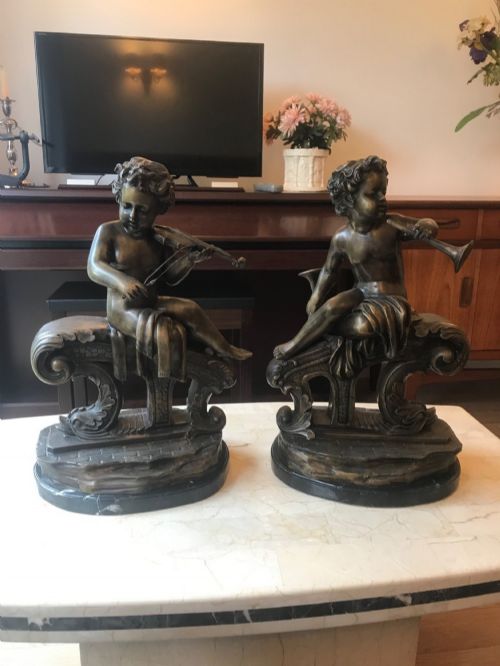
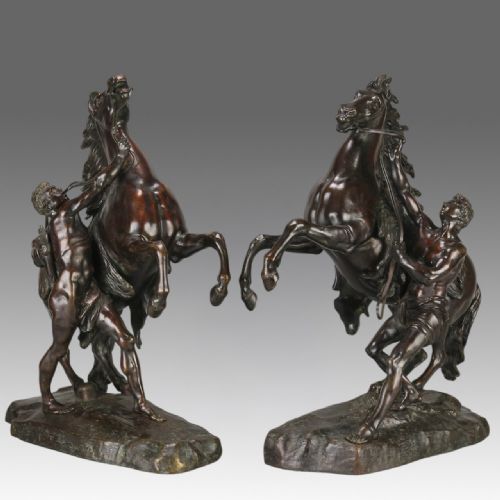
Children gathering grapes and cherubs wrestling with musical instruments share shelf space with spirited equestrian monuments.
Distinctions in Quality
The refinement of the chasing and finishing work separates superior castings from simpler commercial productions. Crisp detail in facial expressions, drapery, and anatomical definition indicates careful post-casting handwork.
The selection of materials dictates the standing of a piece, with dense marbles, heavy bronzes, and fire-gilt ormolu mounts representing the upper tier of execution. Original patination and structural integrity across both halves of a matched set determine the overall cohesion.
Barbedienne·Claude Michael Clodion·Giambologna·Coustou·Rousseau·Dumond·H. Moreau·François-Christophe-Armand Toussaint·Charles Cumberworth·Francisque- Joseph-Duret
The French Classical Sculpture Pair Glossary
- Patinated bronze
- Bronze treated with chemical solutions to produce a specific surface colour, most commonly dark brown or green tones.
- Spelter
- A zinc-based alloy utilised as an economical alternative to bronze for decorative figures, typically given a bronze-like metallic coating.
- Ormolu
- Gilt bronze created by applying a mixture of mercury and gold to a bronze base, then heated to bond the gold layer.
- Grand Tour
- The traditional overseas journey undertaken by European nobility, prompting the acquisition of classical bronzes and marbles as souvenirs.
- Putti
- Depictions of chubby male toddlers, frequently winged, appearing in classical and revival art as attendants or allegorical figures.
French Classical Sculpture Pair: Frequently Asked Questions
What subjects do these pairs show?
The sculptures depict classical deities, allegorical harvest figures, putti, and horses modelled after famous monumental works.
Subjects also include children, dancers, and architectural Caryatids designed for symmetrical display.
How were these figures displayed originally?
Paired bronzes and marbles typically stood on mantelpieces, pedestals, plinths, or torchères within nineteenth-century drawing rooms.
Many smaller examples functioned as garnitures alongside clocks or served as bookends on library shelves.
How do I identify bronze from spelter?
Bronze is heavier, colder to the touch, and rings with a clear tone when tapped gently, whereas spelter feels lighter.
Underneath the base, spelter often reveals a dull grey metal colour where the surface finish has worn away.
Are these pieces original nineteenth-century works?
The listings span the Victorian era, the nineteenth century, and the early twentieth century, showing specific period dates.
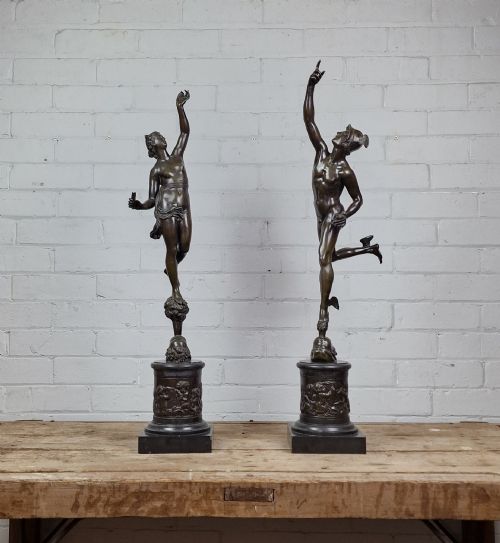
Many items are nineteenth-century casts reproducing earlier classical or Renaissance models by makers such as Giambologna and Coustou.