

French China Display Cabinet
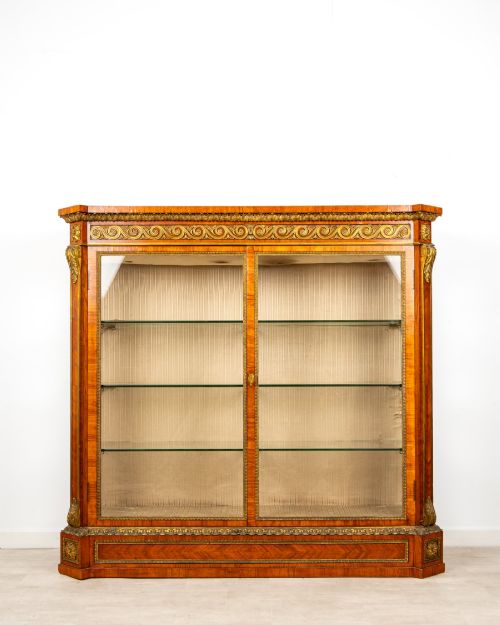
A french china display cabinet brings refined glass and gilt metal into a room to hold porcelain plates and decorative objects.
French China Display Cabinet
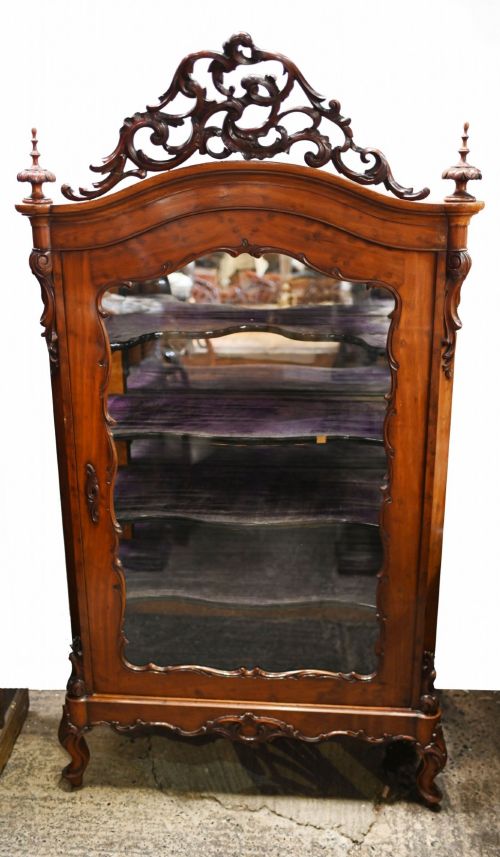
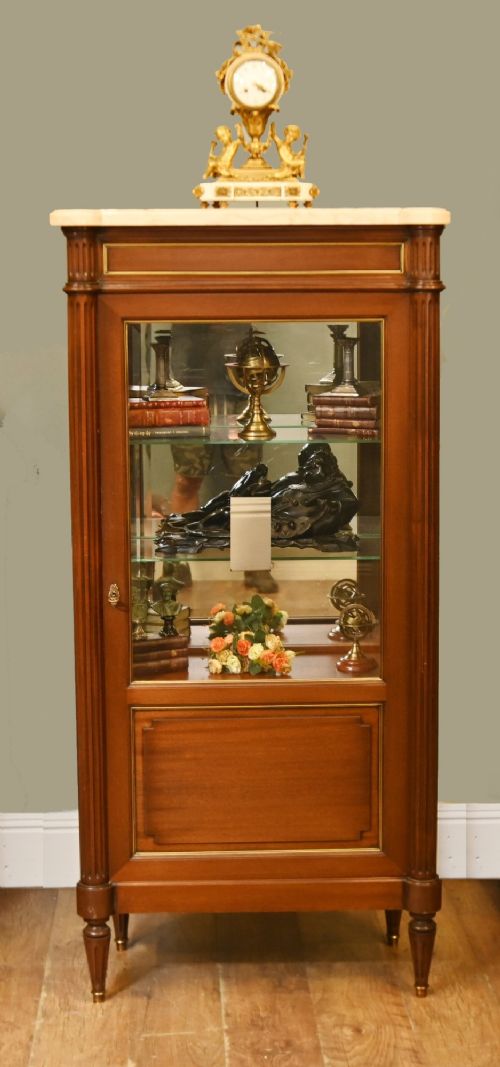
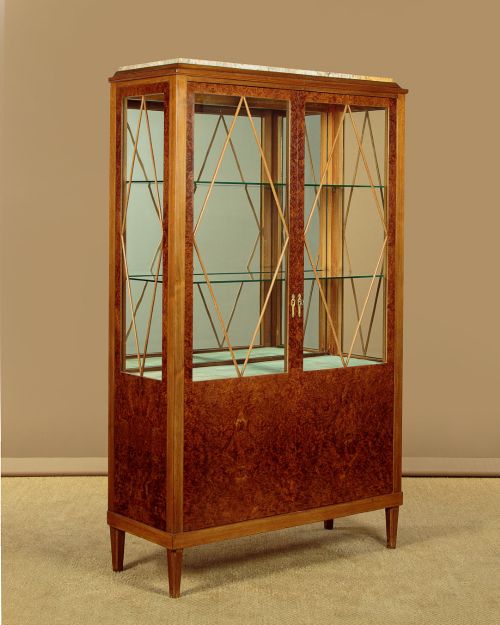
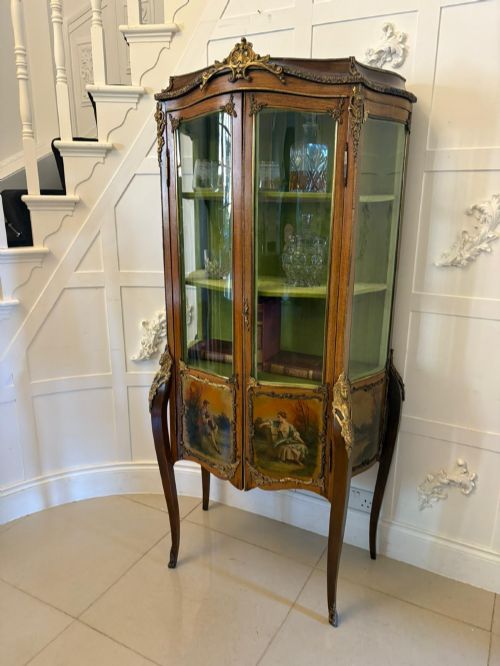
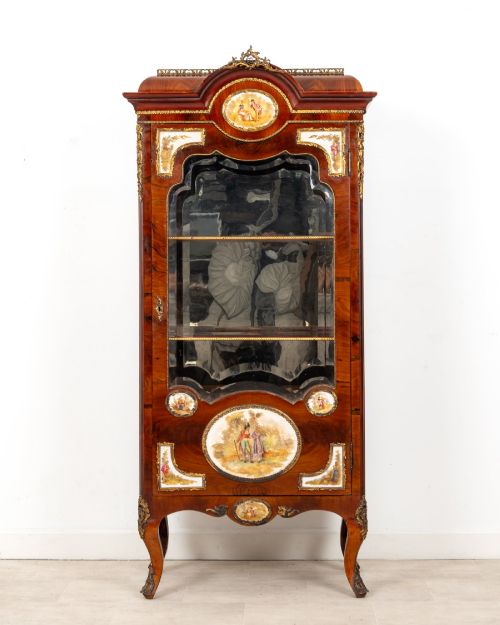
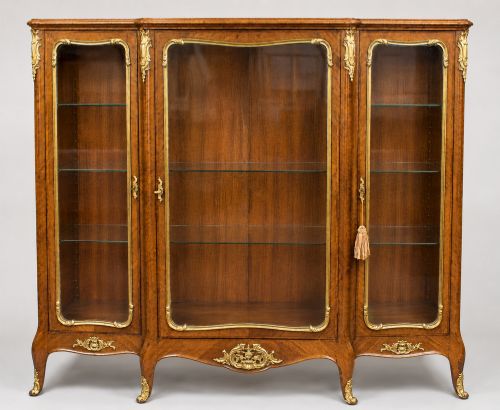
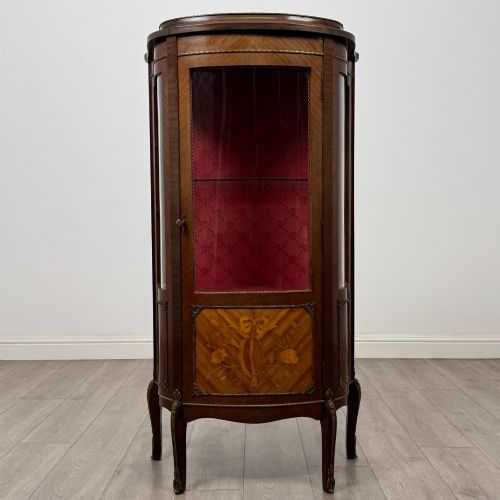
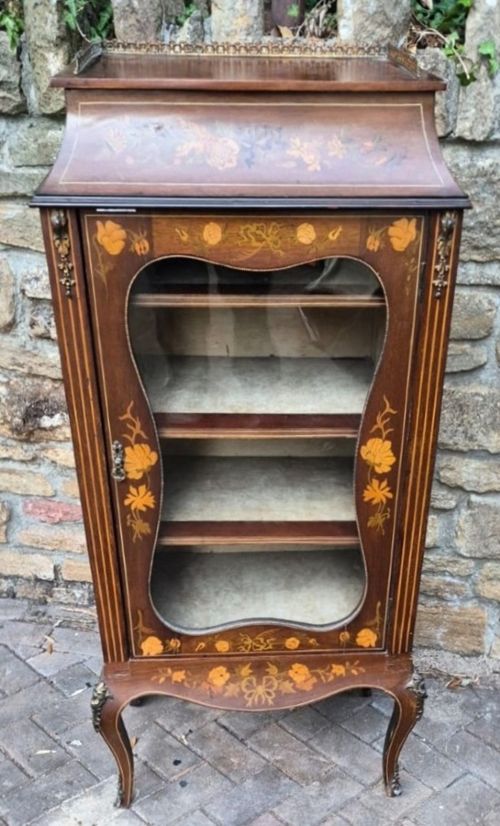
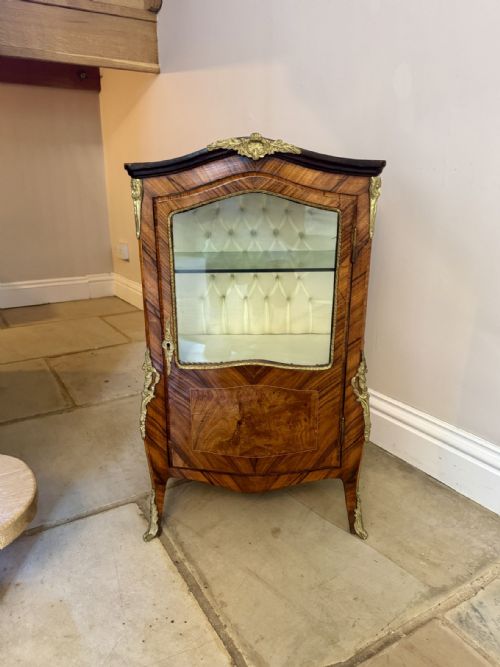
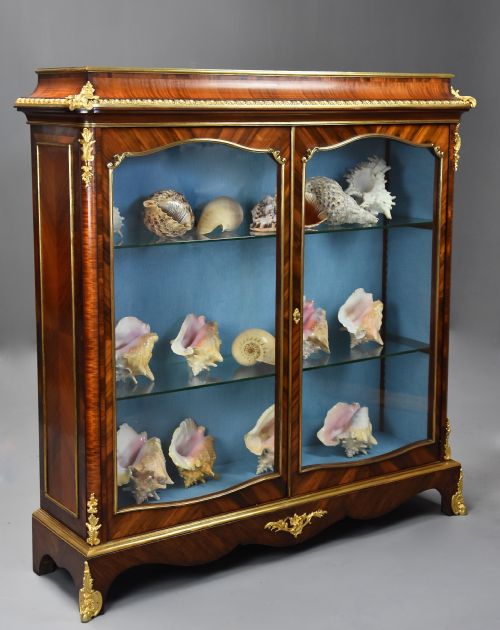
A french china display cabinet is a glazed piece of furniture designed to house porcelain plates, vessels and decorative items. These cabinets draw heavily on revival styles such as Louis XV and Louis XVI, adopting serpentine fronts, glass panels and polished timber frames. Buyers encounter numerous examples from the nineteenth century, alongside Edwardian interpretations and pieces executed in walnut, mahogany and kingwood.
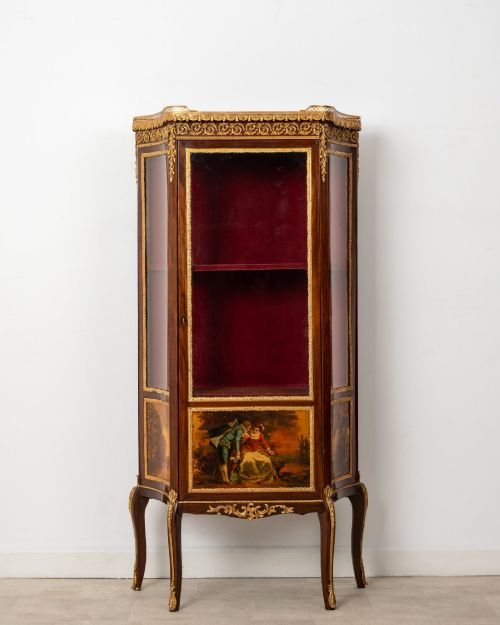
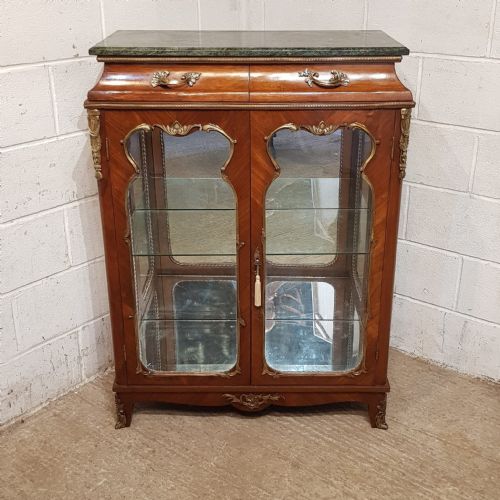
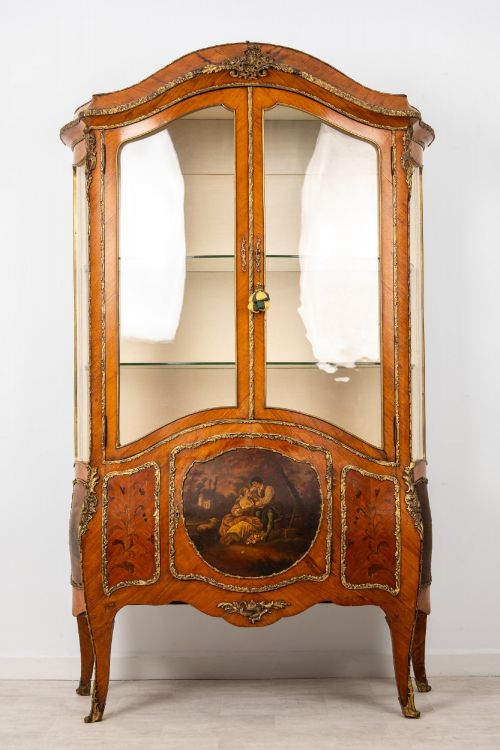
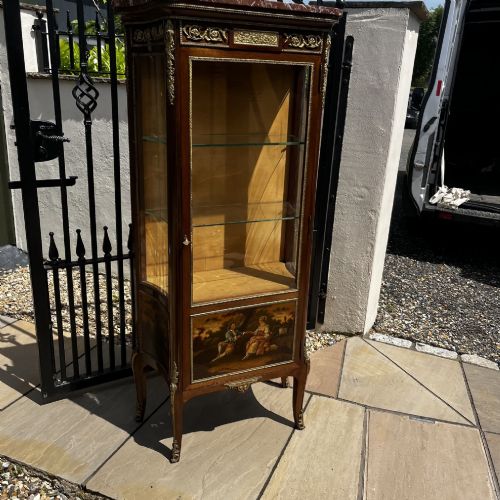
The form often bridges the function of a vitrine and a cabinet, sometimes incorporating painted lower panels or marble tops. Many pieces integrate open glazing on the sides to let light fall across interior shelves where cabinet plates and porcelain are arranged. Originating in workshops influenced by French cabinet-making traditions, these items range from petite boudoir cabinets to large architectural furniture.
Determinants of quality
Quality rests upon the crispness of the ormolu mounts and the depth of hand-carved details in the timber or giltwood. Finer cabinets display finely chased bronze fittings and precise marquetry rather than stamped metal or printed decoration. The execution of painted Vernis Martin panels and the clarity of the curved glass further separate standard production from superior cabinet work.
The selection of cabinet woods also dictates the grade of the piece, with rich kingwood veneers and carefully matched walnut grains marking the upper tier. Structural integrity, such as heavy marble slabs fitting flush to the timber and doors hanging true on their hinges, points to skilled workshop assembly.
French China Display Cabinet Retail Price Guide 2026
Typical asking prices for french china display cabinet among the pieces listed under this phrase on Sellingantiques today, from the lower quarter to the upper quarter. They describe what is for sale here now, not the wider market.
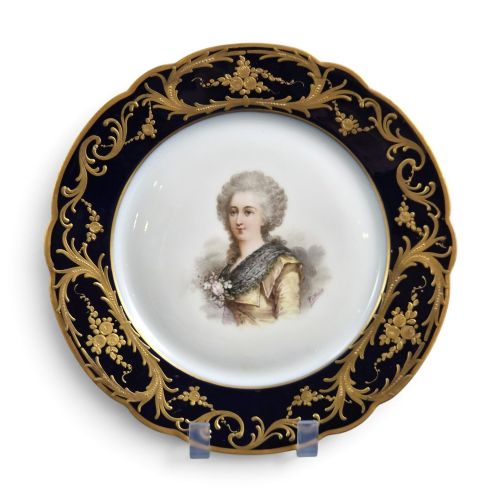
Cabinet plates depicting Mme Élisabeth share shelf space with eighteenth-century Chantilly porcelain.
H. J. Hatfield & Sons·Paul Sormani·G. Durand·François Linke·Pucher Deroche
The French China Display Cabinet Glossary
- Vitrine
- A glass-fronted cabinet designed for displaying porcelain, curiosities and decorative plates. These cabinets often feature glazed sides to maximise light exposure.
- Ormolu
- Gilt bronze mounted on furniture as decorative mounts, feet and gallery borders. This technique involves applying a gold amalgam to bronze.
- Vernis Martin
- A type of simulated Japanese lacquer developed by the Martin brothers in eighteenth-century France. It appears as painted decorative panels on furniture.
- Marquetry
- Inlays of different coloured wood veneers arranged to form decorative patterns and pictures on cabinet surfaces. The technique requires precise cutting of thin timber sheets.
- Serpentine
- A curved line that waves inward and outward, commonly seen on the fronts of nineteenth-century cabinets. This shaping gives the furniture a fluid silhouette.
French China Display Cabinet: Frequently Asked Questions
What is a french china display cabinet used for?
These cabinets serve to protect and display fine porcelain plates, decorative ceramics and glassware within a room. The glazed doors and sides allow objects to be viewed clearly while remaining safe from dust.
Historically, they formed part of a formal drawing room or salon arrangement where collectors showed off imported porcelain and cabinet plates. Today, they continue to function as display furniture for curated collections.
How do I identify a 19th-century cabinet?
Nineteenth-century examples frequently employ revival styles like Louis XV and Louis XVI, utilising kingwood, mahogany, walnut and cast ormolu mounts. Look at the construction of the interior carcase and the handling of the timber veneers to read the period.
The presence of hand-chased bronze mounts and traditional joinery methods helps distinguish nineteenth-century production from later twentieth-century reproductions.
Where should I place a vitrine cabinet?
Position the cabinet against an interior wall where natural light from windows can pass through the glazed sides and front panels. Avoid direct, intense sunlight to protect fragile porcelain pigments and wood finishes over time.
Ensure the floor is level, particularly with pieces featuring heavy marble tops, to prevent the doors from dropping out of alignment.
How do vernis martin panels differ from painted wood?
Vernis Martin is a specific resin-based varnish technique designed to imitate Asian lacquer, featuring layered translucent colours and painted scenes. It differs from standard oil paint on wood through its glossy, polished depth.
These panels usually appear on the lower doors or side sections of refined vitrines and display cabinets.